
Key Takeaways
- Audiophile-Grade Sound: The ROG Kithara delivers exceptional clarity and detail, thanks to its Hifiman planar magnetic drivers, offering a significant upgrade over most gaming headsets.
- Premium Build & Comfort: Constructed with a robust metal frame and offering interchangeable ear cushions, the Kithara is designed for durability and extended comfort.
- Surprising Value: The recent price adjustment to $299 makes this high-fidelity planar magnetic headset a compelling, albeit niche, value proposition.
- Catastrophic Microphone Flaw: Despite its audiophile ambitions, the integrated MEMS boom microphone is universally criticized for poor performance, a critical drawback for a gaming peripheral.
- Niche Appeal: Best suited for gamers and audiophiles who prioritize raw sound quality in quiet environments and are willing to invest in external amplification to unlock its full potential.
An Alliance Unforeseen: ASUS ROG and Hifiman Forge a New Path
The announcement of the ASUS ROG Kithara at CES 2026 sent ripples of surprise and intrigue through both the gaming and audiophile communities. ASUS Republic of Gamers, a titan in mainstream gaming peripherals, partnered with Hifiman, a world-renowned innovator in high-fidelity planar magnetic headphones. This collaboration is more than just a branding exercise; it’s a deliberate attempt to bridge the long-standing chasm between high-fidelity sound and competitive gaming performance. Hifiman, celebrated for its open-back planar magnetic headphones like the Sundara and Edition XS, brings decades of acoustic expertise. ASUS ROG, with its unrivaled understanding of competitive gaming demands, aims to integrate this audiophile pedigree into a headset designed for the battlefield. The promise is clear: to deliver uncompromised, audiophile-grade audio fidelity to gamers who demand absolute clarity and precision, setting a new, ambitious bar for the industry.
The Core Technology: ROG-Tuned Planar Magnetic Drivers and Open-Back Design
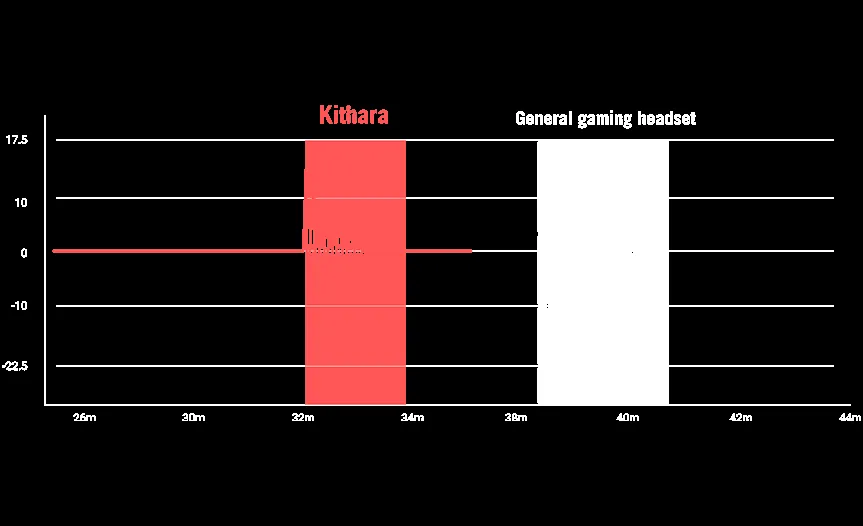
Hifiman’s planar magnetic drivers deliver superior transient response, crucial for competitive gaming cues.
At the heart of the ROG Kithara are its ROG-tuned 100mm Hifiman planar magnetic drivers. Unlike traditional dynamic drivers that push sound from a single point, planar magnetic drivers utilize a thin, flat diaphragm suspended between magnetic arrays. This design ensures uniform movement across the entire diaphragm, resulting in significantly lower distortion, faster transient response, and a wider frequency range (an impressive 8Hz–55kHz). For gamers, this translates to ultra-clean, resonance-free audio that allows for exceptional detail retrieval, making subtle cues like distant footsteps or weapon reloads distinctly audible. Recognizing a common characteristic of some planar magnetic designs – a tendency for lighter bass – ASUS specifically tuned these Hifiman drivers. The result is an enhanced low-end punch that provides satisfying impact for explosions and cinematic moments, without sacrificing the characteristic clarity and precision that planar magnetics are known for.
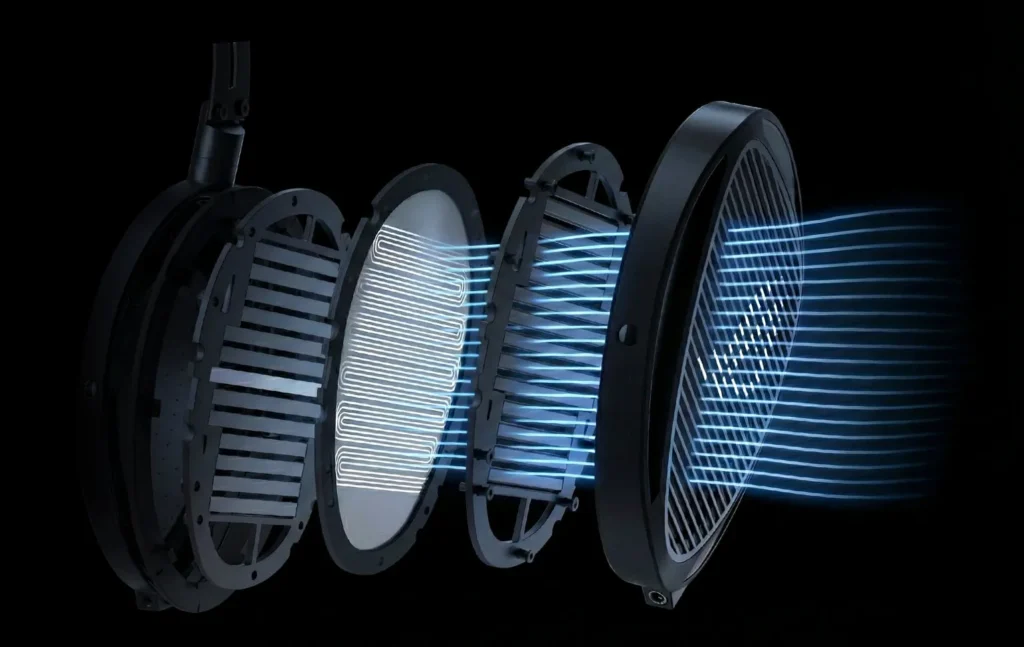
Complementing the planar magnetic drivers is the Kithara’s open-back architecture. This design allows air and sound to pass freely through the earcups, creating a more spacious, natural soundstage compared to closed-back alternatives. For competitive gaming, this translates directly to superior spatial awareness; sound sources feel less confined and more accurately positioned in a three-dimensional space. You can more easily distinguish the direction and distance of in-game audio cues, such as footsteps from explosions, giving a significant tactical advantage. However, this design choice comes with inherent trade-offs. Open-back headphones offer virtually no passive noise isolation, meaning you’ll hear external sounds, and conversely, sound will leak out, making them unsuitable for noisy environments or shared spaces where privacy is a concern.
Built for Comfort and Durability: Premium Construction for Marathon Sessions
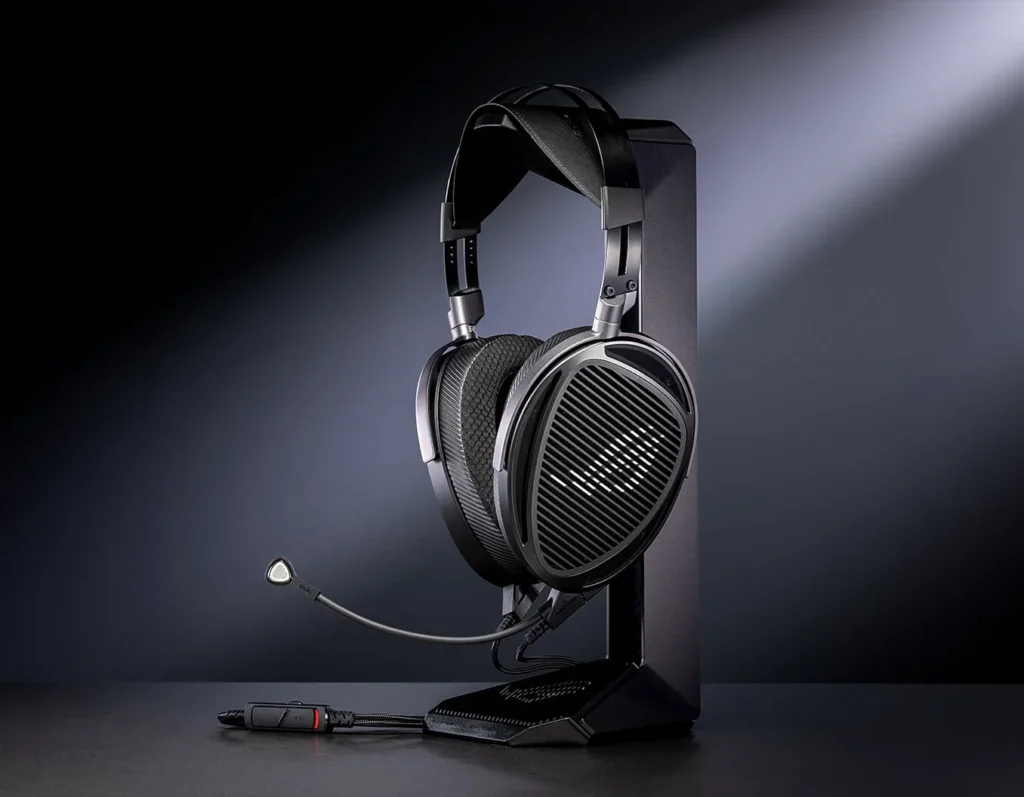
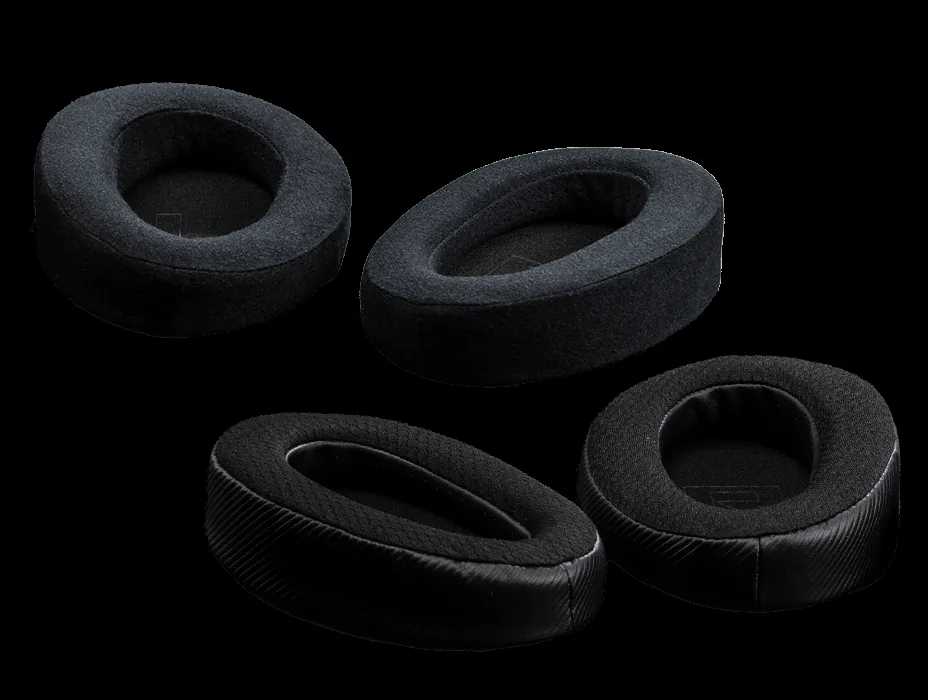
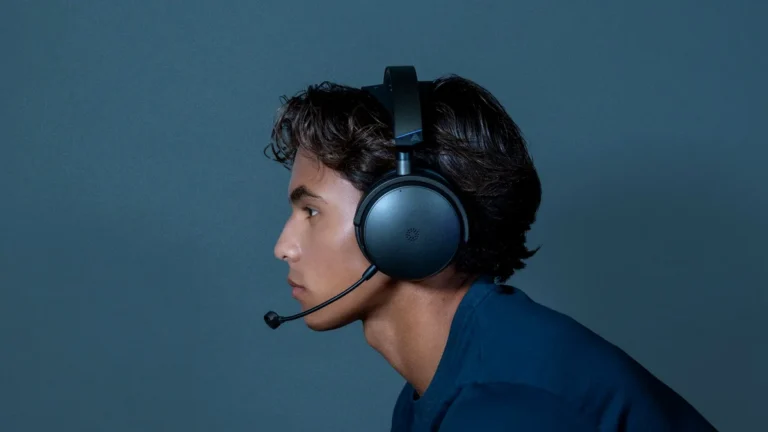
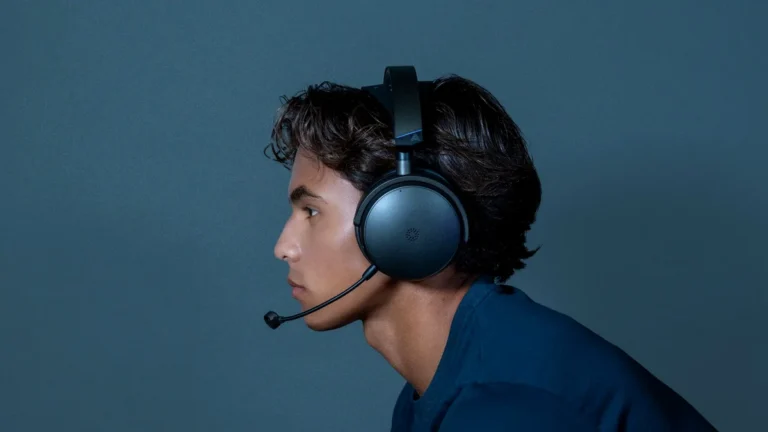
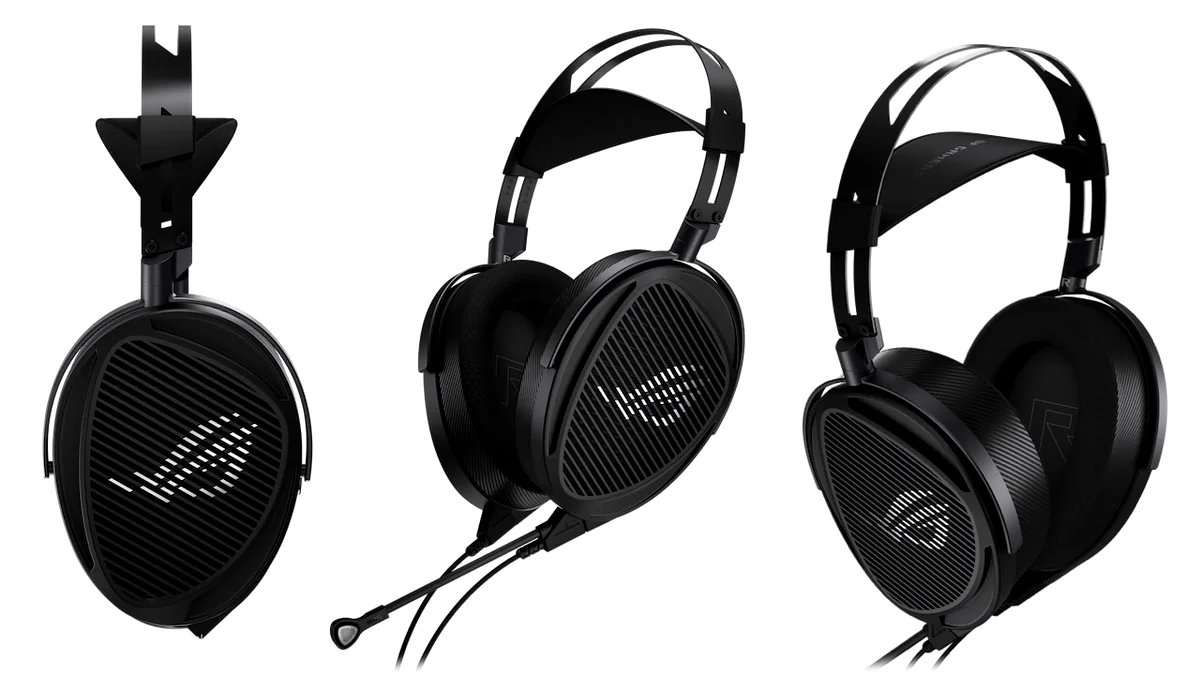
Beyond its cutting-edge audio technology, the ROG Kithara boasts a premium build quality designed to withstand the rigors of long gaming sessions while maximizing comfort. The headset features a robust metal frame and hinges, ensuring durability that belies its relatively light 420-gram weight. The adjustable headband offers eight levels of adjustment, utilizing a multi-layer design with plush memory foam, leatherette, and breathable mesh to distribute weight evenly and minimize pressure points. Crucially, ASUS includes two sets of interchangeable ear cushions: one in a breathable leatherette-with-fabric for a focused sound and another in soft velour for a warmer acoustic profile and enhanced comfort during warmer days. These options allow users to fine-tune both the fit and subtle acoustic characteristics, catering to individual preferences for comfort and sound, a thoughtful detail for a headset intended for extended use.
Connectivity and Power: Versatility with an Audiophile Caveat
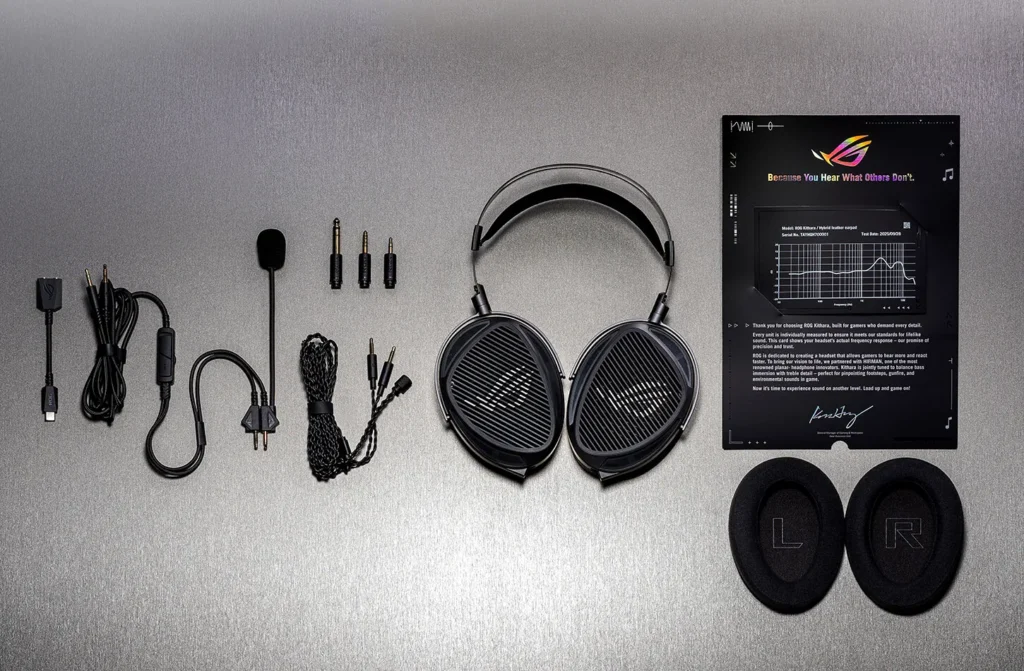
The Kithara embraces a fully wired, modular approach to connectivity, a deliberate choice that prioritizes uncompromised audio fidelity over wireless convenience. It features a versatile 3-in-1 cable system with swappable plugs, including 4.4mm balanced, 3.5mm, and 6.3mm single-ended options. This comprehensive selection ensures broad compatibility with everything from dedicated DACs and amplifiers to PCs, consoles, and mobile devices. An included USB-C to dual 3.5mm adapter further extends its plug-and-play convenience across modern laptops and handhelds. While the Kithara boasts a low 16 Ohm impedance, making it technically drivable by most devices (like console controllers or phone outputs), the audiophile community has widely noted that its planar magnetic drivers truly shine with dedicated amplification. An external DAC/amplifier provides the higher current and improved dynamics necessary to unlock the Kithara’s full potential, especially in terms of bass response and overall detail. This means that while it works out of the box, optimal performance often requires an additional investment, a point of confusion and desire for validation among many users.
The Kithara’s Achilles’ Heel: A Catastrophic Microphone
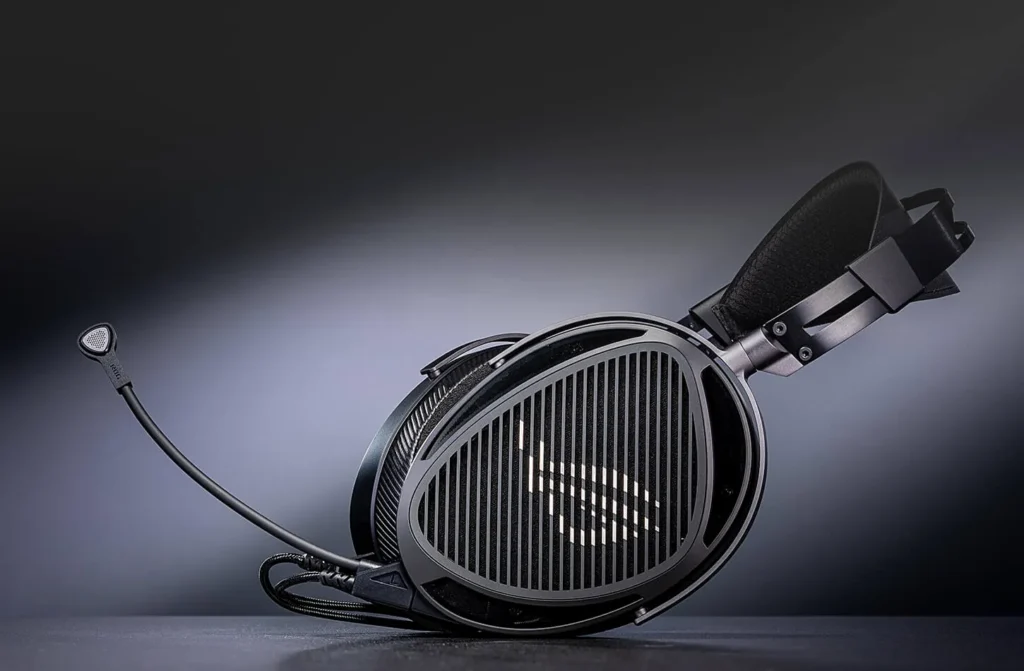
“The mic is shockingly bad for a wired headphone”
This is where the ROG Kithara’s otherwise impressive narrative takes a sharp, disappointing turn. Despite its premium price point and audiophile aspirations, the integrated on-cable full-band MEMS boom microphone is arguably the headset’s most significant flaw, drawing near-universal condemnation from the community. On paper, the MEMS mic promises a wide 20Hz–20kHz frequency response, a high signal-to-noise ratio (74dB), and separate signal paths to prevent crosstalk—specs that suggest clear, natural voice capture. However, real-world performance paints a starkly different picture. Users consistently report issues ranging from low volume and muffled clarity to a thin, unnatural sound, often requiring specific software tuning or external input devices to achieve even passable results. This stark discrepancy between technical promise and actual user experience makes the microphone a ‘catastrophic failure’ for a gaming headset, where clear communication is paramount. For a product in this price bracket, the microphone’s quality is simply unacceptable and stands as its most glaring weakness.
Competitive Landscape: Kithara vs. Audeze Maxwell 2
| Feature | ASUS ROG Kithara | Audeze Maxwell 2 |
|---|---|---|
| Driver Type | Planar Magnetic (Hifiman) | Planar Magnetic |
| Design | Open-Back, Wired | Closed-Back, Wireless (BT 5.3, LE Audio, LDAC) |
| Microphone | Full-Band MEMS Boom (Criticized) | AI Noise Reduction, Broadcast-Grade |
| Frequency Response | 8Hz – 55kHz | 10Hz – 50kHz (estimated) |
| Impedance | 16 Ohms (benefits from amp) | 18 Ohms |
| Price (MSRP) | $299-$350 | Around $300 |
The ROG Kithara enters a high-end gaming headset market increasingly dominated by feature-rich wireless options, most notably the Audeze Maxwell 2. While both headsets leverage planar magnetic technology, their design philosophies diverge significantly. The Kithara carves out a specific niche: it is a purely wired, open-back headset uncompromisingly focused on raw audio fidelity and an expansive soundstage. This makes it ideal for users who prioritize pinpoint spatial accuracy in quiet, dedicated gaming environments and are willing to forgo wireless convenience, potentially even investing in a separate DAC/amplifier for optimal performance. The Maxwell 2, conversely, offers an all-in-one wireless solution with robust Bluetooth 5.3, excellent noise isolation from its closed-back design, and a powerful, impactful bass response. It’s built for versatility across multiple platforms and environments. Choosing between the two ultimately depends on user priorities: the Kithara for the audiophile gamer in a quiet sanctuary, the Maxwell 2 for the gamer seeking convenience, isolation, and strong bass across diverse use cases.
Strengths & Weaknesses: A Balanced Perspective
Pros
- Audiophile-grade Hifiman planar magnetic drivers deliver exceptional clarity, detail, and low distortion.
- ROG-tuned drivers provide enhanced bass punch, overcoming a common planar weakness for gaming.
- Open-back design creates a wide, natural soundstage and superior spatial awareness for precise in-game positioning.
- Premium build quality with a robust metal frame, adjustable headband, and two sets of interchangeable ear cushions for comfort.
- Highly versatile connectivity with swappable 4.4mm balanced, 3.5mm, and 6.3mm plugs, plus a USB-C adapter.
- Aggressive $299 price point makes the planar magnetic tech more accessible compared to traditional audiophile offerings.
Cons
- The integrated MEMS boom microphone is universally criticized for poor performance, making it a ‘fatal flaw’ for a gaming headset.
- Wired-only design lacks the convenience and portability of wireless competitors like the Audeze Maxwell 2.
- Open-back design provides no noise isolation and leaks sound, making it unsuitable for noisy or shared environments.
- While 16 Ohm impedance is low, optimal performance (especially bass and dynamics) still benefits significantly from an external DAC/amplifier.
- In-line volume control on the mic cable feels cheap and is overly sensitive.
Technical Specifications
Headset
- Drivers
- ROG-Tuned 100mm HIFIMAN Planar Magnetic
- Frequency Response
- 8 Hz – 55 kHz
- Impedance
- 16 Ohms
- THD
- < 0.03% at 1kHz @ 94dB
- Design
- Open-back
- Connectivity
- Wired (4.4mm balanced, 3.5mm, 6.3mm, USB-C adapter)
Microphone
- Type
- On-cable Full-Band MEMS Boom Mic
- Frequency Response
- 20 Hz – 20 kHz
- SNR
- 74dB
- Pickup Pattern
- Unidirectional (Super-Cardioid)
Physical
- Weight
- 420g (0.93 lbs)
- Ear Cushions
- Interchangeable (Leatherette/Fabric, Velour)
- Headband
- Adjustable (8 levels), Metal frame
Frequently Asked Questions (FAQ)
What are planar magnetic drivers and how do they benefit gaming?
Planar magnetic drivers use a thin, flat diaphragm suspended between magnetic arrays, offering uniform movement, lower distortion, faster response, and wider soundstage. This translates to more accurate and detailed sound reproduction, helping gamers pinpoint in-game audio cues like footsteps and gunshots with greater precision.
What does an open-back design mean for gaming and listening?
An open-back design allows air and sound to pass freely through the earcups, creating a more spacious, natural soundstage with enhanced spatial accuracy. This is ideal for immersive gaming and detailed listening in quiet environments. However, it offers little noise isolation, meaning you will hear external sounds, and sound will leak out.
Is the ROG Kithara suitable for competitive gaming?
Yes, its planar magnetic drivers and open-back design provide exceptional spatial awareness and transient response, which are critical for competitive play. However, its open-back nature means it’s best suited for quiet gaming environments where external noise won’t interfere.
Do I need an external DAC/amplifier for the ROG Kithara?
While the Kithara’s 16 Ohm impedance allows it to be driven by many devices (PCs, consoles, mobile), its audiophile-grade planar magnetic drivers will significantly benefit from a dedicated DAC/amplifier. This provides higher power output, improved dynamics, and greater audio detail for the best possible experience.
Final Verdict
The ASUS ROG Kithara stands as a fascinating, if flawed, testament to what’s possible when audiophile-grade technology meets gaming. Its collaboration with Hifiman has yielded genuinely exceptional sound quality, delivering the clarity, detail, and expansive soundstage that planar magnetic drivers are renowned for, now with an ROG-tuned bass punch. At its revised price point of $299, it represents a compelling value for those seeking a pure, high-fidelity audio experience. The premium build and versatile wired connectivity further solidify its appeal. However, the Kithara’s journey from groundbreaking to controversial is entirely due to its integrated MEMS boom microphone. Despite promising specifications, its real-world performance is, frankly, a catastrophic failure for a gaming headset, undermining an otherwise stellar audio package. This headset is unequivocally for a specific niche: the audiophile-leaning gamer who operates in a quiet environment, prioritizes raw sound quality above all else, is willing to forgo wireless convenience, and critically, plans to use an external microphone or is content with a subpar integrated one. If you fit this profile, and perhaps already own a DAC/amp, the Kithara offers an unparalleled sonic experience for the price.