
Key Takeaways
- The AMD Ryzen 9 9950X3D, built on Zen 5 and 2nd Gen 3D V-Cache, has achieved over 1000 FPS in select esports titles (CS2, LoL).
- The new X3D design reverses the V-Cache placement, allowing for a higher 170W TDP and better sustained boost clocks.
- Despite the technical marvel, community sentiment is dominated by frustration over the chip’s high cost and its inclusion in poorly optimized, overpriced OEM pre-built systems.
- The real-world gaming performance uplift over the previous 7000-series X3D is marginal, making the value proposition highly questionable outside of content creation.
The 1000 FPS Club: What the Zen 5 X3D Architecture Delivers
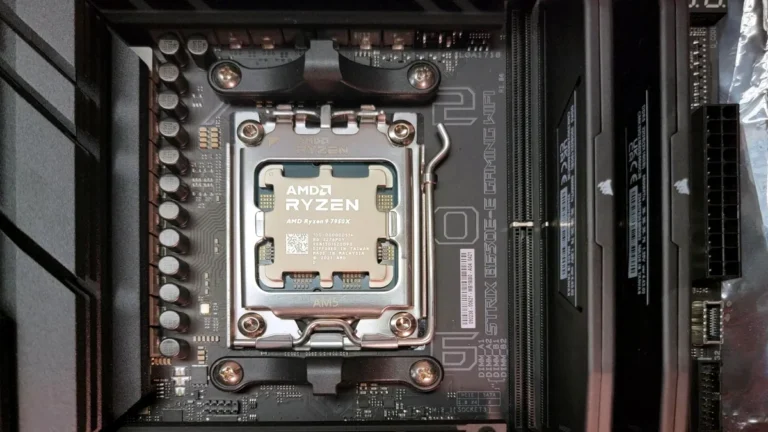
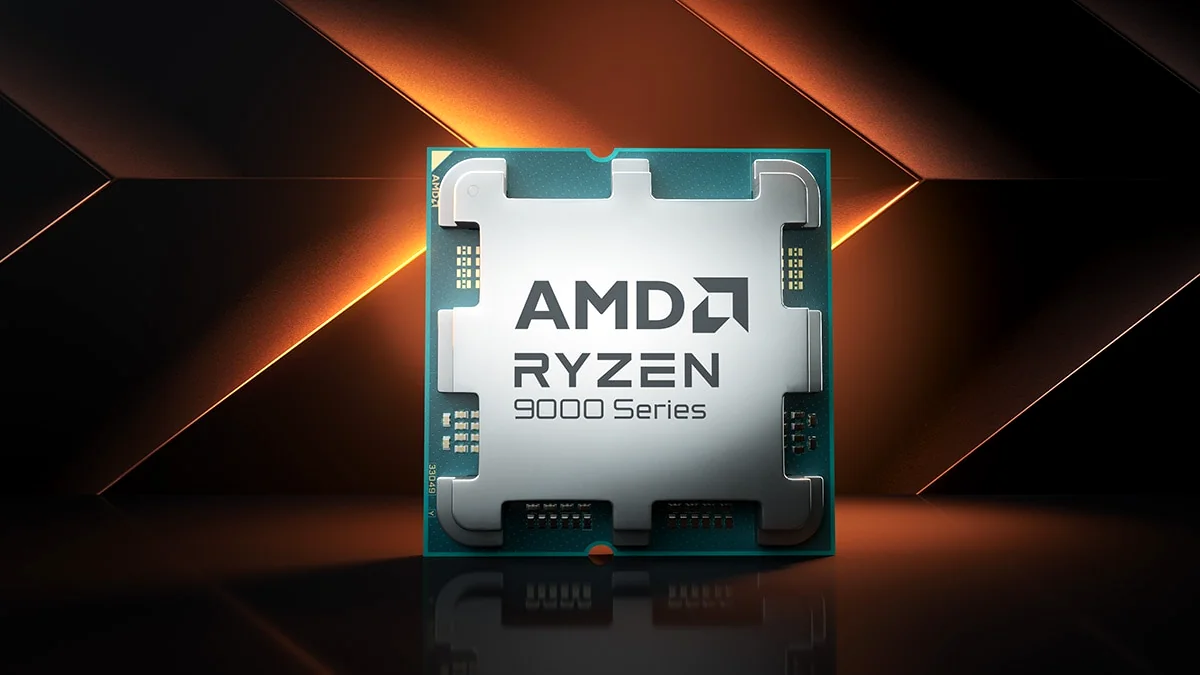
AMD’s newest flagship, the Ryzen 9 9950X3D, has officially ushered in the ‘1000 FPS Club,’ a threshold previously considered unattainable for mainstream desktop CPUs. Leveraging the new Zen 5 architecture combined with 2nd Gen 3D V-Cache, the chip delivers peak performance in competitive titles like Counter-Strike 2 and League of Legends. While these benchmarks are undeniably impressive, they represent the theoretical peak of performance, relying on specific hardware configurations and low-resolution settings. The true story lies in the engineering changes that enabled this leap, specifically the critical redesign of the V-Cache stack. This isn’t just a simple core update; it’s a fundamental thermal revision that finally allows AMD to push the X3D cache to higher power limits.
| Feature | 9950X3D | 9900X3D |
|---|---|---|
| Architecture | Zen 5 | Zen 5 |
| Cores/Threads | 16 / 32 | 12 / 24 |
| Total Cache (L2+L3) | 144 MB | 140 MB |
| Boost Clock | Up to 5.7 GHz | Up to 5.5 GHz |
| TDP | 170 W | 120 W |
| Launch Price (MSRP) | $699 | TBD |
Engineering Deconstructed: The Thermal Fix That Unlocked 170W
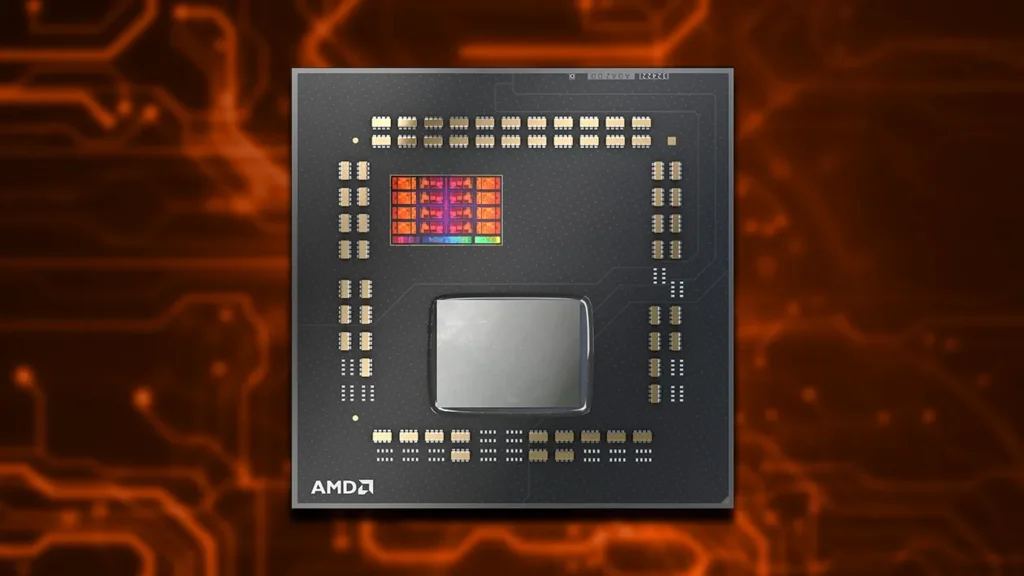
The 9000X3D series reverses the V-Cache placement (B), moving the primary core die (A) closer to the integrated heat spreader (C), drastically improving thermal dissipation.
- A Zen 5 Core Complex Die (CCD)
- B 2nd Gen 3D V-Cache (Relocated to Bottom)
- C Improved Thermal Path to IHS/Cooler
| Metric | 9950X3D | 7950X3D | Difference |
|---|---|---|---|
| Architecture | Zen 5 | Zen 4 | Next-Gen Cores |
| Max Boost Clock | 5.7 GHz | 5.7 GHz | Similar Peak |
| TDP (Thermal Design Power) | 170 W | 120 W | +50W (Higher Thermal Headroom) |
| Gaming Uplift (Avg.) | +8% | Baseline | Modest Gain |
The Real Story: When Performance Meets Price Outrage
While AMD correctly markets the 9950X3D as a technical triumph, the conversation in the community has quickly shifted from ‘how fast is it?’ to ‘what is the value proposition?’ The Fandom Pulse reveals a deep-seated frustration, particularly directed at major OEM partners who are bundling these flagship CPUs into pre-built systems that carry exorbitant price tags, often paired with criminally slow supporting components that bottleneck the CPU’s potential. This practice fundamentally undermines the chip’s appeal for the enthusiast market, turning a technological breakthrough into a financial trap.
6000 CL40 (FOURTY!!!) in a +$5K Alienware Prebuilt? What. LOL. It still doesn’t justify the premium that they charge. I’m sure you are aware but OEMs get discounted prices based on volume, Dell is ridiculously wealthy and has an advantage compared to other prebuilt companies.
The Price of Peak FPS: 9950X3D vs. 9800X3D Value
Based on current market data, the 9950X3D (16-core) offers an average gaming performance uplift of less than 1% compared to the 9800X3D (8-core), yet carries a significant price premium. For pure gaming performance, the 9950X3D’s value proposition (Cost-Per-Frame) is demonstrably worse than the less expensive 8-core variant. Its true advantage is only realized in highly multi-threaded creator workloads (e.g., Cinebench, video rendering), justifying its cost only for the ‘Prosumer’ market, not the dedicated gamer.
A Technical Masterpiece, A Market Misstep
The Ryzen 9 9950X3D is a triumph of engineering, proving that AMD’s Zen 5 and 2nd Gen 3D V-Cache can push the boundaries of desktop gaming performance, especially in thermal management. However, its placement in the market—often restricted to overpriced, poorly configured OEM systems and offering negligible pure gaming uplift over its cheaper siblings—makes it a difficult recommendation for the average enthusiast. It is the world’s best CPU for the niche prosumer who demands both top-tier gaming and heavy multi-threaded productivity, but for everyone else, it remains a performance mirage.