
LoadSyn Optimization Science: Key Takeaways
- CD Projekt Red has committed to releasing the entire new Witcher trilogy (Project Polaris, TW5, TW6) within a six-year window following the launch of The Witcher 4.
- The ambitious timeline is predicated on a full transition to Unreal Engine 5, designed to increase development predictability and efficiency across all three titles.
- The Witcher 4 will star Ciri as the sole protagonist, a professional monster slayer exploring the new region of Kovir.
- Community anxiety is high: The technical demo showed 60 FPS was achieved via aggressive upscaling (TSR from 800p/1080p), raising fears of visual blur and artifacting in the final product.
I. The Six-Year Saga: CDPR’s Unprecedented Timeline
CD Projekt Red is betting its reputation on speed. Following a decade-long gap since The Witcher 3, the studio has announced an aggressive roadmap: the entire new Witcher trilogy, starting with Project Polaris (The Witcher 4), will be delivered within a six-year period. This commitment is a direct response to past long development cycles and is only feasible due to a radical technological pivot. While the first game is expected in the 2026–2027 window, the subsequent two titles are planned for rapid, synchronized production, leveraging shared assets and systems across the trilogy. For a studio historically known for multi-year delays, this commitment is less a promise and more a statement of fundamental corporate restructuring.
Ciri: The New Saga’s Sole Protagonist
The Lynx Medallion marks a new era.
II. The Engine Bet: Why UE5 is the Make-or-Break Factor
“The transition to Unreal Engine was motivated by the desire to ‘elevate development predictability and efficiency’ and grant access to cutting-edge game development tools, especially following the widespread technical issues experienced with the console versions of Cyberpunk 2077.”
The collaboration between CDPR and Epic Games, showcased at Unreal Fest Orlando, is not just about licensing an engine; it’s a deep partnership focused on co-developing robust open-world tools for UE5. This effort is designed to build a unified technology stack that can be reused and refined for The Witcher 5 and 6, thereby slashing the development time required between titles. The core goal is to ensure the engine can handle the massive scope of CDPR’s open-world design philosophies while maintaining high performance across all platforms. If the foundational work on Polaris is successful, the subsequent installments should move through production far faster, justifying the aggressive six-year timeline.
III. The 60 FPS Hurdle: Upscaling, Blur, and Fandom Anxiety
Optimization Alert: The technical demo confirmed that achieving the crucial 60 FPS target on the PlayStation 5 currently requires aggressive upscaling, specifically using Temporal Super Resolution (TSR) from a base resolution as low as 800p or 1080p. This necessity has triggered significant community anxiety that the final game will suffer from the ‘blurry, smeary mess’ often associated with heavy TAA/TSR reliance, potentially sacrificing visual fidelity for frame rate. As an optimization scientist, I must stress that while 60 FPS is a major milestone, pushing TSR this hard increases the probability of noticeable artifacting, a key visual deficit that must be meticulously mapped and mitigated before launch.
The UE5 Trade-Off: Efficiency vs. Fidelity Risk
✓ The Upsides (Efficiency & Ambition)
- Enables the ambitious six-year, three-game release schedule.
- Access to cutting-edge UE5 features (Nanite, Lumen, Mass system).
- Guaranteed 60 FPS target on modern consoles (a major performance milestone).
✗ The Downsides (Fidelity Risk)
- Heavy reliance on upscaling (TSR) risks visual blur and artifacting.
- Steep learning curve for the development team, slowing initial production.
- Community distrust remains high regarding console optimization post-Cyberpunk 2077 launch.
IV. The Broader RED Roadmap (Beyond Polaris)
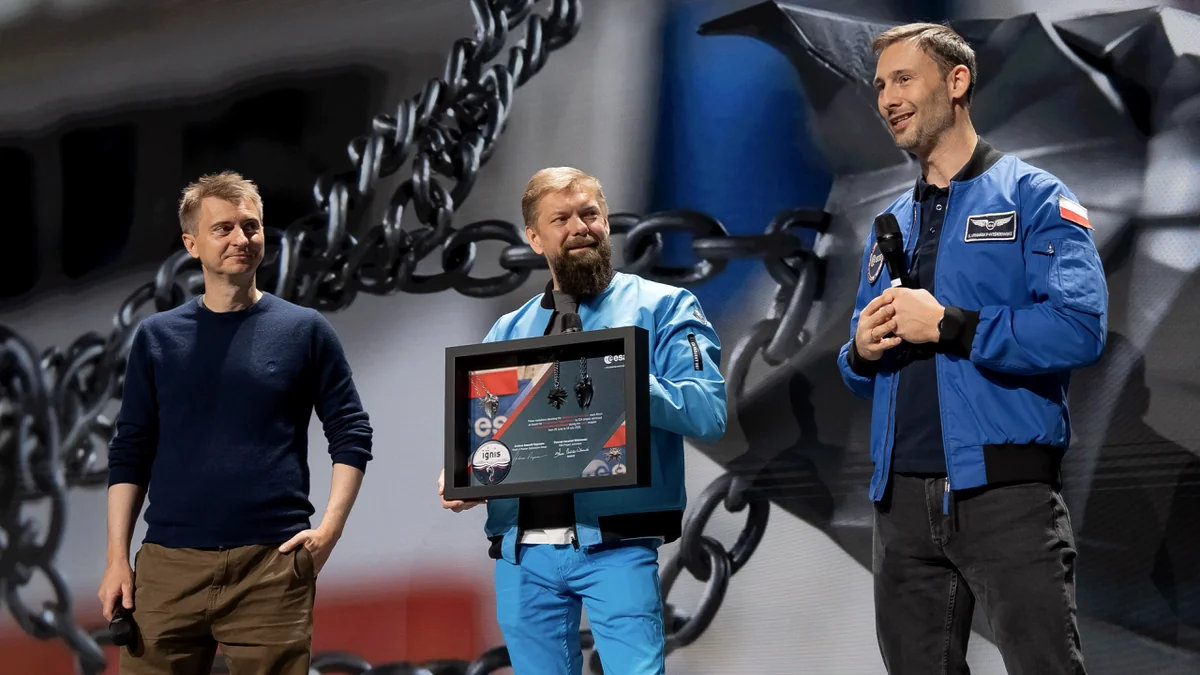
The ambitious Witcher trilogy is being launched from a position of financial strength. CDPR reported a 90% increase in net profit in the first half of 2024, driven primarily by the continued success of Cyberpunk 2077 and Phantom Liberty. This financial health provides the necessary buffer to absorb the initial costs of the UE5 transition and the simultaneous groundwork being laid for Project Orion (Cyberpunk 2). Furthermore, CDPR is actively engaging in unique brand building, exemplified by the recent collaboration with the European Space Agency (ESA) to send the Wolf and Lynx medallions to the International Space Station—a clear sign of their aggressive multimedia strategy aimed at keeping the Witcher universe relevant across all cultural touchpoints, even as they tackle monumental development challenges.
Final Verdict: The Optimization Imperative
CD Projekt Red’s six-year promise is perhaps the most audacious roadmap in modern AAA RPG development. The feasibility of delivering three massive, high-quality open-world games in that timeframe hinges entirely on the efficiency gains promised by Unreal Engine 5. While the technical demo confirmed they can hit 60 FPS, the cost—relying on aggressive upscaling from low base resolutions—is the primary risk factor. The true test of Project Polaris will not be its story or setting, but whether Anya Sharma’s team can successfully mitigate the visual artifacts inherent in heavy TSR use, proving that efficiency doesn’t have to mean sacrificing the visual fidelity fans expect from a next-generation Witcher title. Optimization must lead, not follow, the narrative ambition.