
The landscape of gaming keyboards is more dynamic and diverse than ever before. On one side, we’re witnessing the rapid ascent of Hall Effect switches, promising unparalleled speed and precision for competitive play. On the other, the fervent world of custom mechanical keyboards continues to thrive, driven by enthusiasts seeking unique aesthetics, bespoke typing experiences, and superior build quality. This article serves as your definitive guide, cutting through the marketing hype to dissect both trends, offering the data and insights you need to make an informed decision and find the perfect input device for your setup. Whether you’re chasing milliseconds or a sublime thock, LoadSyn has you covered.
Hall Effect Switches: A Magnetic Shift in Performance
At the forefront of performance innovation are Hall Effect switches, a technology that fundamentally redefines how a keystroke is registered. Tracing its origins back to Edwin Hall’s discovery in 1879, this contactless method utilizes magnetic fields rather than physical metal contact. When a key is pressed, a magnet embedded within the switch moves closer to a Hall sensor on the PCB. This movement alters the magnetic field, which the sensor instantly detects and translates into an electrical signal. This process eliminates physical wear and tear, debounce issues, and mechanical degradation, offering a level of precision and durability previously unattainable with traditional mechanical designs.
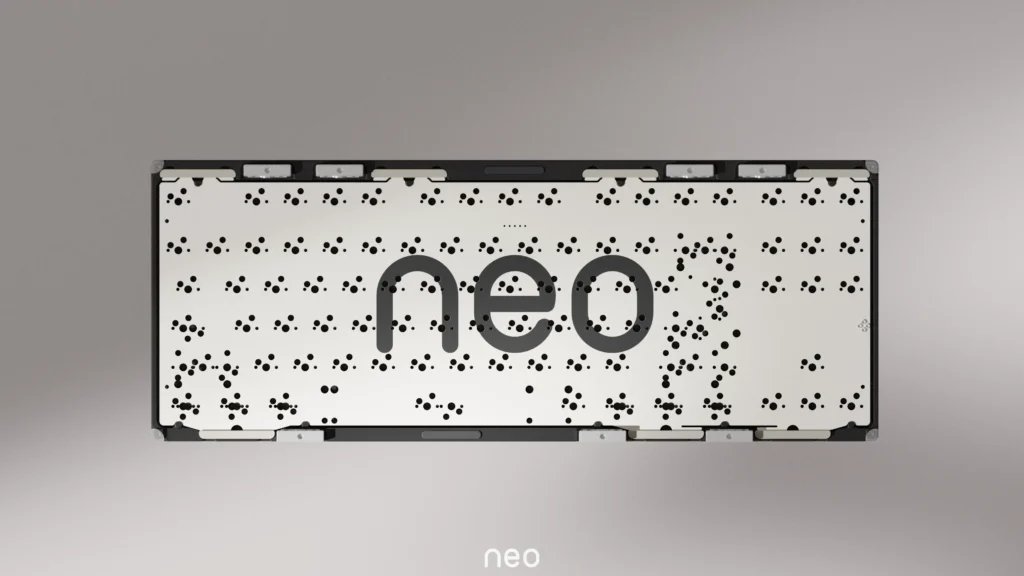
- Unmatched Longevity: With no physical contacts to wear out, Hall Effect switches boast a theoretical lifespan exceeding 100 million keystrokes, significantly outlasting traditional mechanical switches.
- Adjustable Actuation Points: Users can precisely customize the key’s actuation depth, often from 0.1mm to 4.0mm, allowing for personalized responsiveness tailored to specific gaming scenarios or typing preferences.
- Rapid Trigger/Snap Tap: This critical feature allows a key to reset and re-actuate instantly upon any upward movement, enabling lightning-fast, repeated inputs essential for competitive gaming performance.
- Ultra-low Latency: Magnetic sensors provide near-instantaneous signal detection, often paired with polling rates up to 8,000Hz, drastically reducing input lag for a competitive edge.
- Smooth & Silent Operation: The absence of physical contact eliminates friction, metallic noise, and debounce issues, resulting in a consistent, fluid, and often quieter keystroke.
- Enhanced Durability: Their contactless design inherently makes Hall Effect switches more resistant to environmental factors like dust, moisture, and corrosion, ensuring reliable performance in demanding conditions.
| Feature | Hall Effect Switch | Mechanical Switch | Optical Switch |
|---|---|---|---|
| Actuation Method | Magnetic field sensing (Hall/TMR sensor) | Physical metal contact (switch leaf) | Light beam interruption/reflection |
| Contactless Design | Yes | No | Yes |
| Durability | Extremely high (100M+) | Moderate to high (30M–80M) | High (100M+) |
| Adjustable Actuation | Yes | No | Some models only |
| Rapid Trigger Support | Yes | No | On some gaming keyboards |
| Typing Feel | Smooth, consistent, linear | Wide range (clicky, tactile, linear) | Mostly smooth and linear |
| Debounce Delay | None (instant signal) | Yes (needs software) | None |
| Latency | Ultra-low | Moderate | Ultra-low |
| Ideal For | Gaming, performance typing | General use, custom builds | Gaming, fast-paced typing |
Pros
- Superior Durability: virtually no mechanical wear.
- Unparalleled Precision & Speed: Rapid trigger advantage.
- Smooth & Quiet: No physical debounce issues.
- Highly Customizable: Deep software control over actuation.
- Future-Proof: Aligns with high-performance trends.
Cons
- Higher Cost: Commands a premium price.
- Limited Switch Variety: Primarily linear options.
- Community Skepticism: Real-world impact questioned.
- Availability: High-end models often have long waits.
- Missing RGB: Some acclaimed boards lack per-key RGB.
The Allure of Custom Mechanical Keyboards: Aesthetics, Feel, and Sound
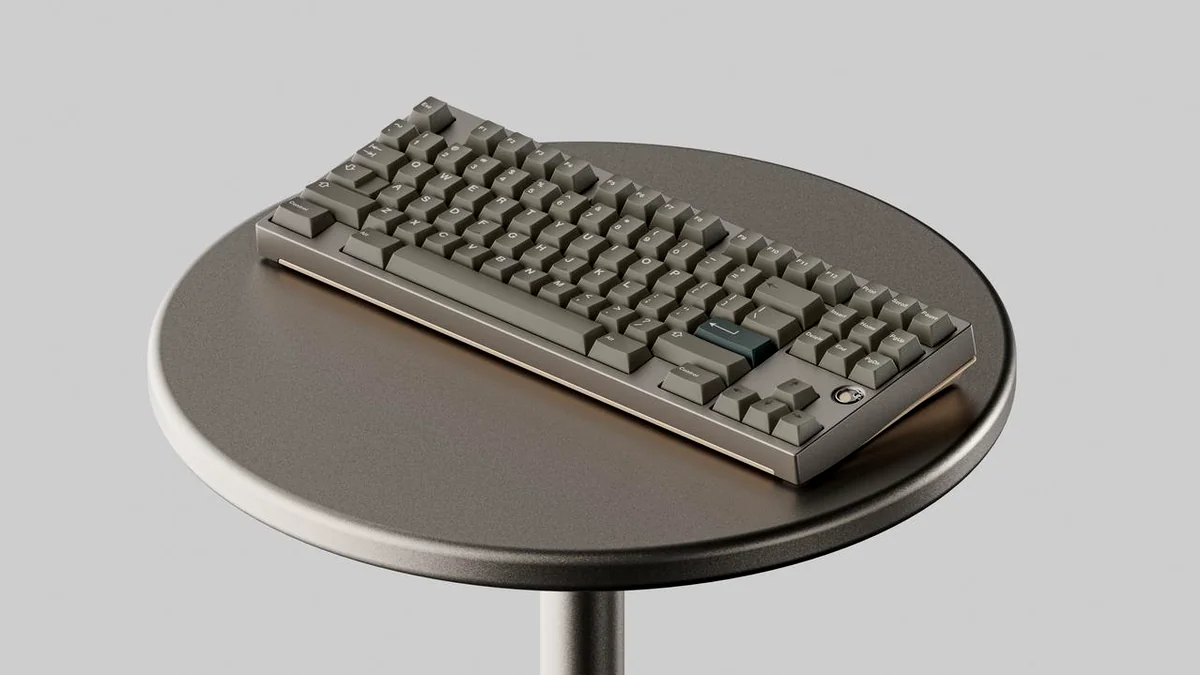
Parallel to the rise of Hall Effect switches, the custom mechanical keyboard scene continues its fervent growth, appealing to enthusiasts who prioritize a deeply personalized experience. This world is less about raw speed and more about crafting a unique input device that perfectly matches one’s aesthetic, typing feel, and desired sound profile. Brands like QWERTYKEYS have become industry darlings, with their Neo series setting benchmarks for premium features, innovative designs, and exceptional value.
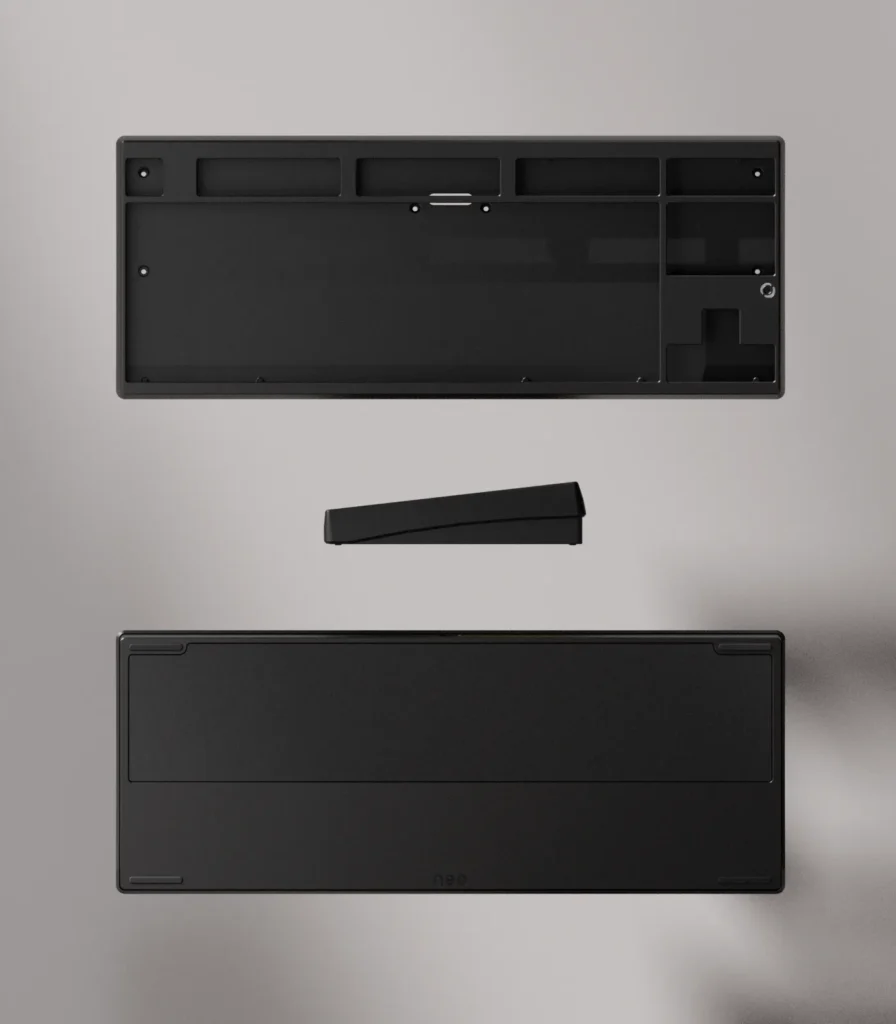
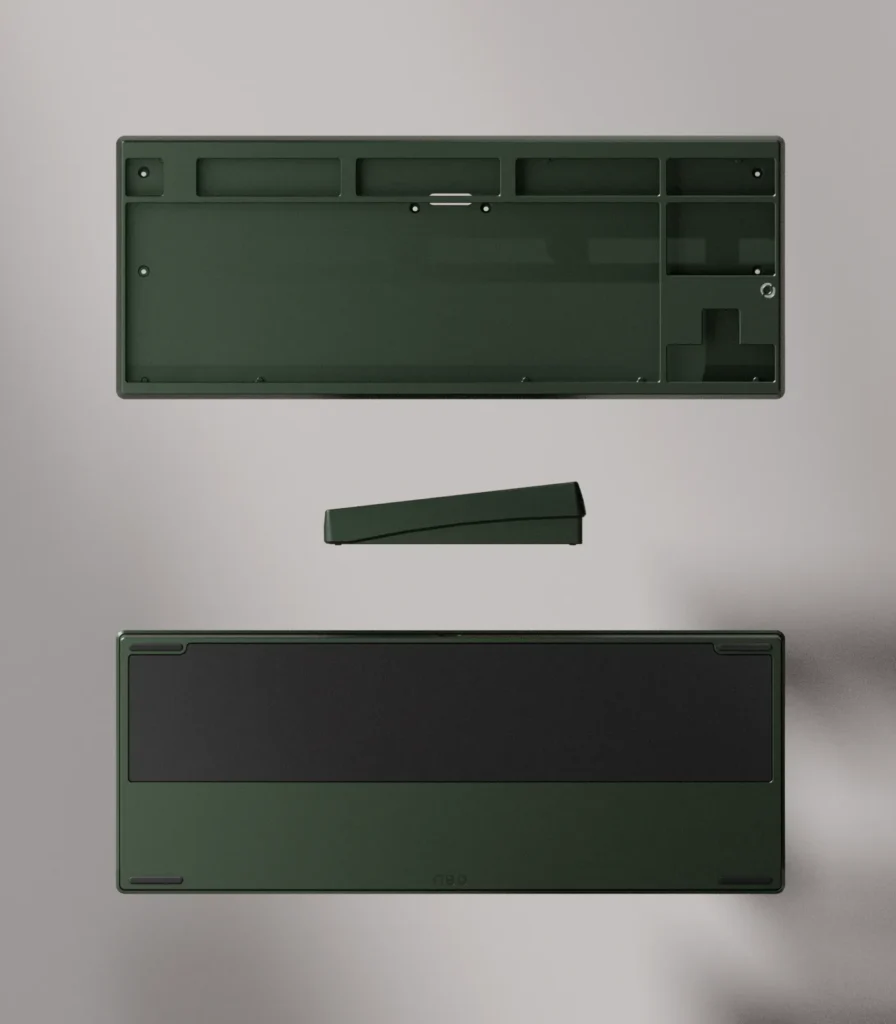
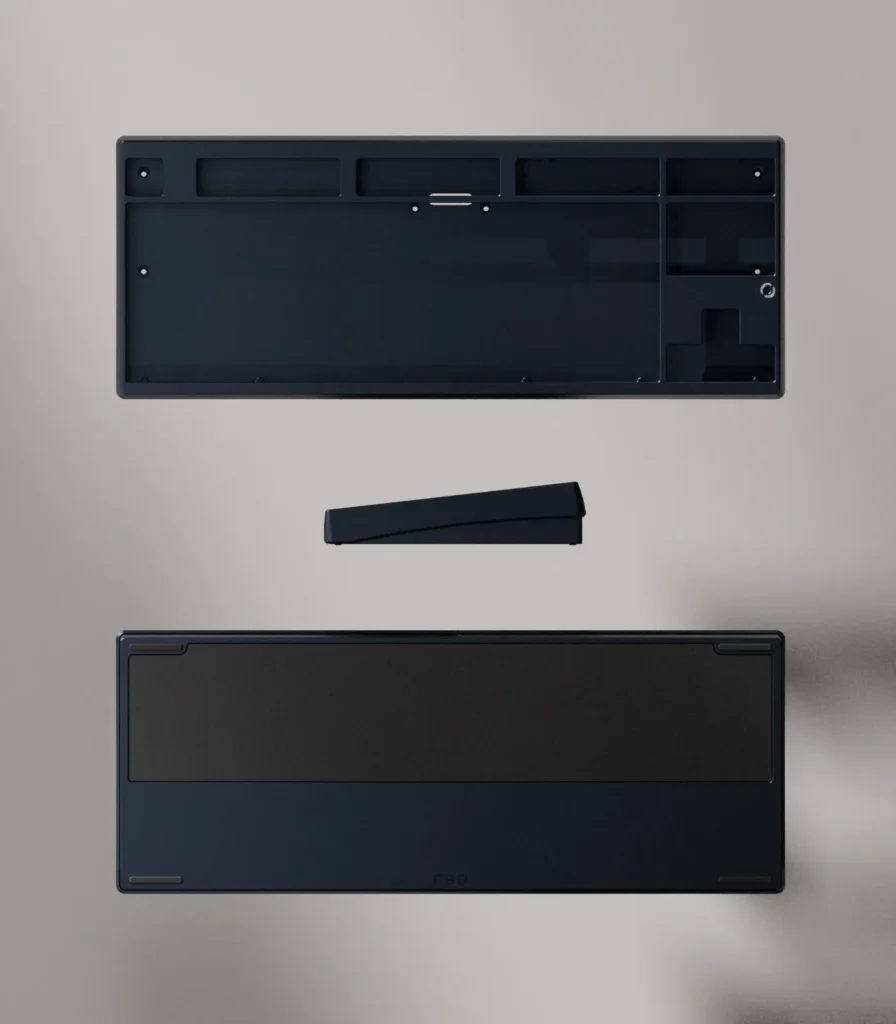
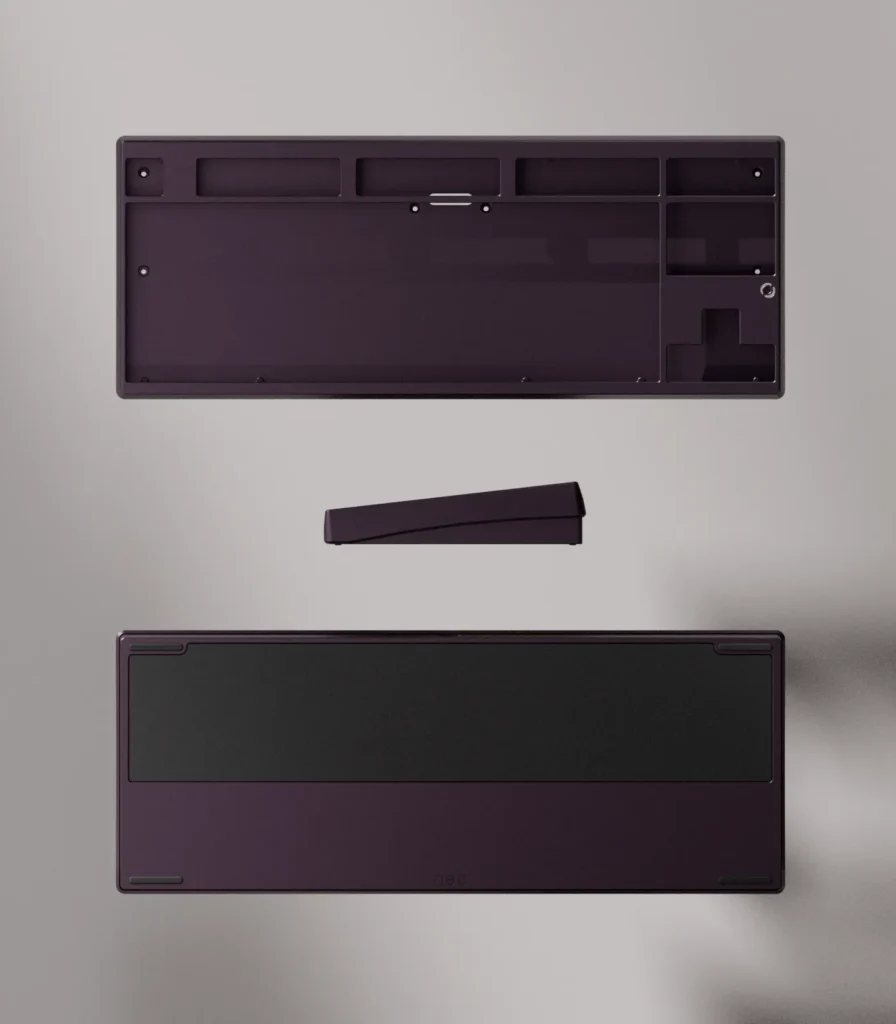
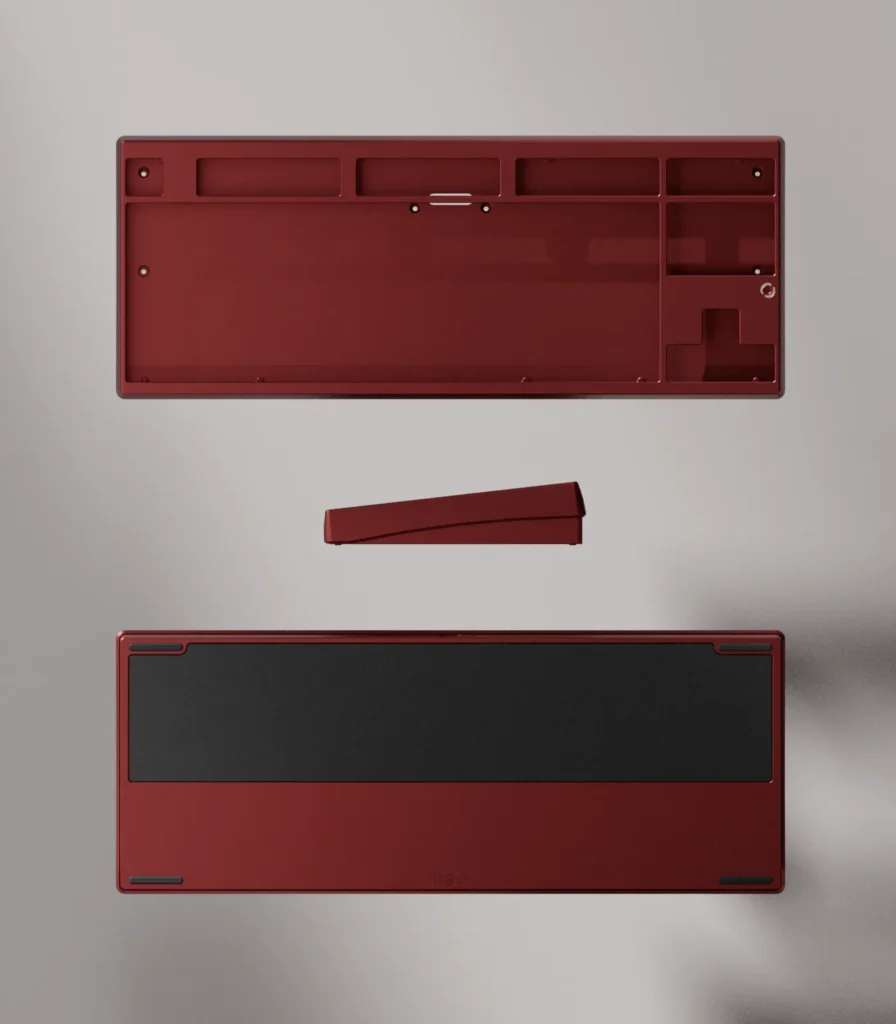
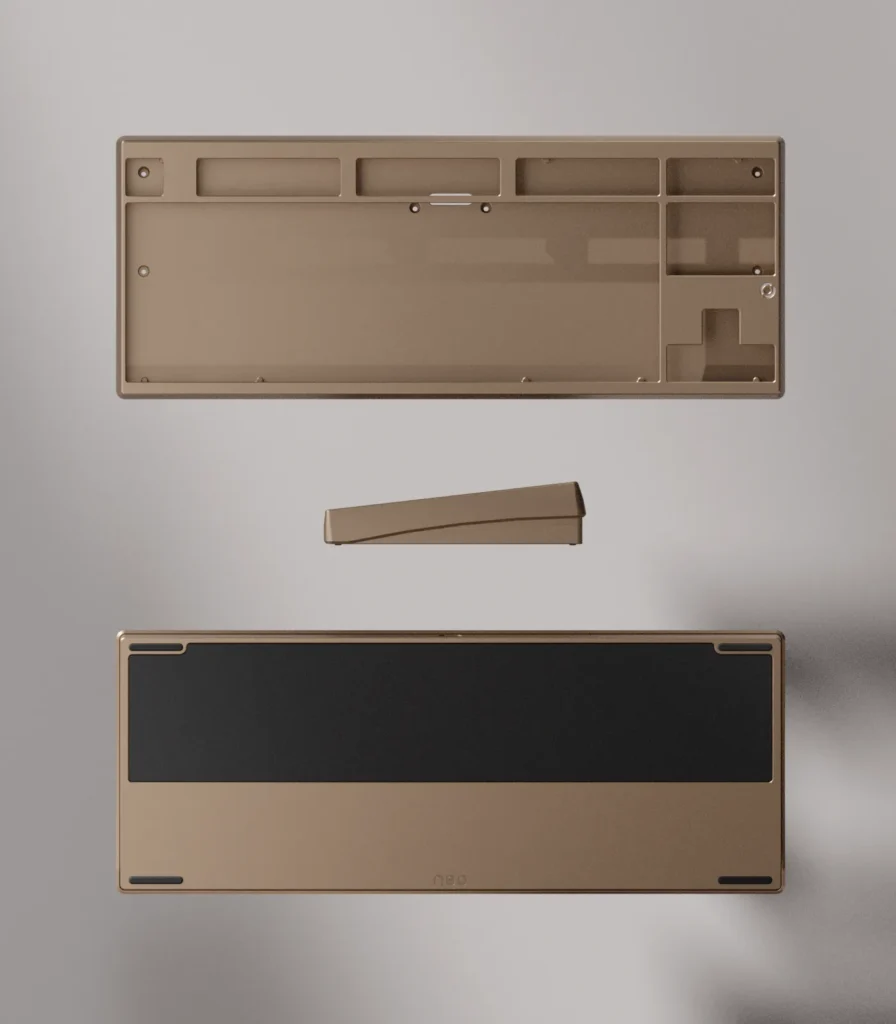
Neo80 Cu Specification
- Star Ring Accent Light: A multi-layered design on the top case creates a captivating ‘floating planet’ effect.
- Acoustic Chamber Design: Partitioned chamber and Forcebreak pads to minimize hollowness for a deep ‘copper bottom’ sound.
- Innovative Poron Gasket Mount: Special grooves for glue-free placement, enhancing durability and maintenance.
- Full Copper & Brass Bottom: Provides a premium ~4.5 kg weight and influences a resonant sound profile.
- New Plate Options: PEI and glossy-chamfered aluminum plates offer even more fine-tuning for enthusiasts.
“QWERTYKEYS MY MAN (QWERTYKEYS glazer here) – There is strong positive sentiment and loyalty towards specific brands/models that are perceived as punching above their price point.”
The Custom Keyboard Catch: Navigating Availability and Cost
While the allure of custom mechanical keyboards is undeniable, the journey to acquiring one can be fraught with challenges. Many enthusiast-grade boards are often sold through limited ‘group buys’ or short pre-order windows. This production model frequently leads to rapid sell-outs and extended wait times often spanning 4-12 weeks.
The Custom Keyboard Catch
Many of the most innovative and highly-rated custom keyboards, like the Qwertykeys Neo series, are often sold through limited group buys or pre-orders. Don’t be surprised if your perfect build requires patience – ‘almost none of them are available’ is a common community refrain.
Making Your Choice: A Decision-Making Framework
- Define Your Core Need: Competitive FPS vs. Productivity vs. Aesthetic focus.
- Set Your Budget: Factor in switches, keycaps, and premium case materials.
- Choose Your Switch Technology: Mechanical (Variety) vs. Optical (Speed) vs. Hall Effect (Precision).
- Select Your Form Factor: 60%, 65%, 75%, TKL, or Full-Size.
- Prioritize Customization: Hot-swap, plate materials, and acoustic options.
- Check Availability: Research regional vendors and pre-order cycles.
The Next Frontier: Evolving Keyboard Technology
Innovation shows no signs of slowing down. Emerging technologies like Tunnel Magnetoresistance (TMR) promise even higher sensitivity (down to 0.005mm) and lower power consumption. Brands like Gamakay are already forecasting TMR releases in 2026, signaling a continuous evolution towards the ultimate input device.
The Final Verdict
The current state of gaming keyboards is a vibrant, innovative, yet sometimes frustrating landscape. We’ve seen Hall Effect switches redefine competitive performance, while custom mechanical boards continue to captivate with their unmatched aesthetic and tactile customization. The ‘best’ keyboard isn’t a universal truth; it’s a personal choice balancing cutting-edge technology with individual preference. At LoadSyn, we provide the data to empower your choice.