
Key Takeaways
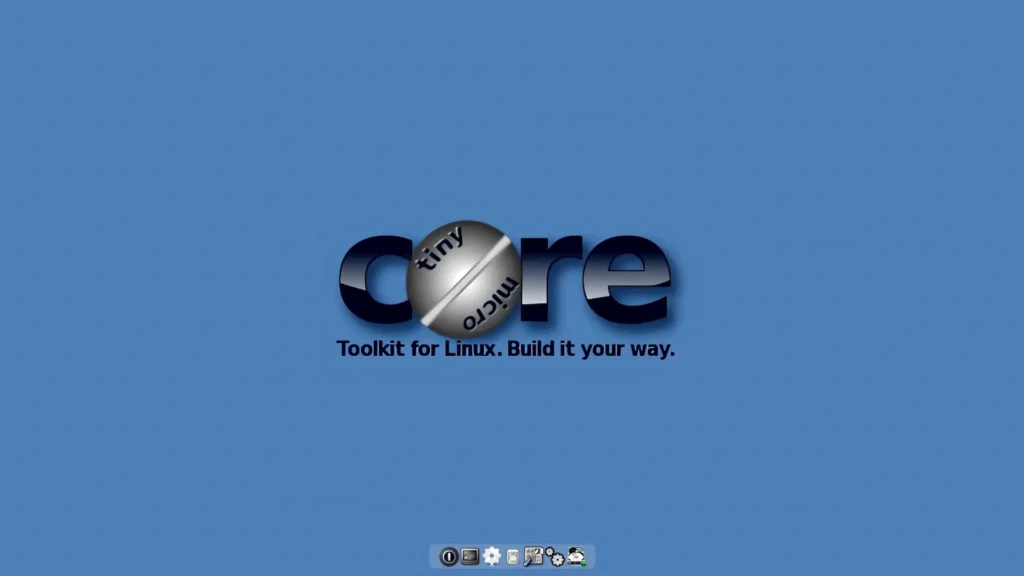
Tiny Core Linux (TCL) represents a surgical strike against software entropy, offering a fully functional OS in a 16-23MB footprint. Designed to run entirely in RAM, it breathes life into hardware as ancient as an i486DX, serving as a modular ‘Linux Lego Kit’ for enthusiasts who prioritize technical purity over the bloated, turn-key defaults of modern consumer operating systems.
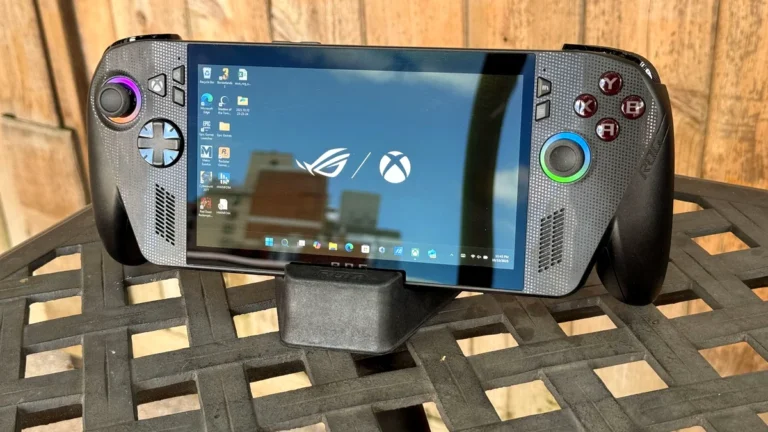
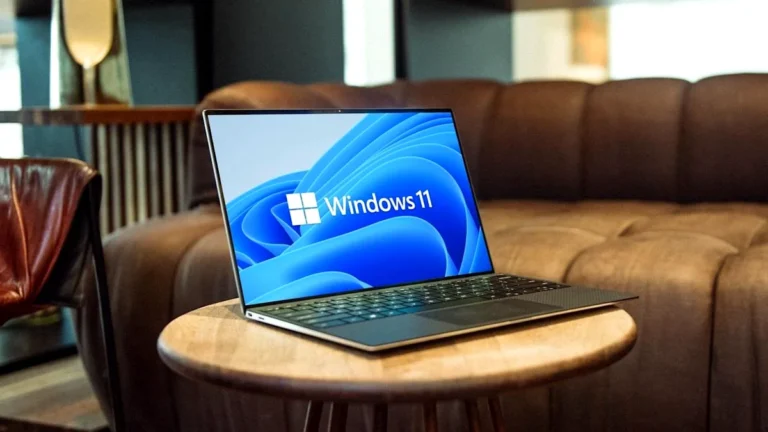
In an era where Windows 11 consumes gigabytes of RAM just to maintain an idle desktop, Tiny Core Linux stands as a defiant antithesis. Conceived by Robert Shingledecker, TCL rejects the permanent, state-heavy rot of traditional installations in favor of an ‘ephemeral’ architecture. By loading the entire system into memory, TCL ensures that every reboot is a bit-perfect fresh start. This philosophy doesn’t just minimize resource overhead; it fundamentally reclaims the concept of system integrity from the ‘bloatware’ culture that dominates modern computing.
Tiny Core Linux: Technical Floor
The Architecture of Speed: Cloud, Mount, and Copy Modes
TCL’s legendary responsiveness is a direct result of its three distinct operational modes. ‘Cloud’ mode is the ultimate expression of minimalism, booting entirely into RAM with no persistence, making it ideal for secure, stateless sessions. ‘Mount’ mode introduces efficiency by mounting extensions from persistent storage, conserving RAM for active tasks. For those seeking the absolute ceiling of performance, ‘Copy’ mode loads extensions directly into memory, eliminating storage-bus latency and providing a raw, high-speed experience that hardware-resident systems simply cannot match.
The Bloat Gap: TCL vs. The World
| Feature | Tiny Core Linux | Linux Mint (XFCE) | Windows 11 |
|---|---|---|---|
| Idle RAM Usage | ~20MB | ~600MB | ~3.5GB |
| Install Size | ~50MB | ~15GB | ~64GB+ |
| Boot Method | RAM-Resident | Storage-Resident | Storage-Resident |
| User Experience | Expert/Modular | Beginner Friendly | Consumer/Ad-Heavy |
Users of recent builds may experience an intermittent ‘double prompt’ or premature shell exit. This is a known issue with the ash shell in version 1.36.1. Current workaround: manually wait one second between commands or introduce a static BusyBox-Ash binary.
Frequently Asked Questions
Can I run Google Chrome or OBS on Tiny Core?
Generally, no. TCL’s repositories focus on lightweight alternatives. Large, dependency-heavy modern browsers often exceed the system’s design philosophy and memory constraints.
Is WiFi supported out of the box?
Basic wired connections work well, but WiFi often requires the ‘CorePlus’ image (248MB) which includes the additional drivers and firmware necessary for modern wireless chipsets.
What is dCore?
dCore is a specialized variant that leverages Debian or Ubuntu repositories to build self-contained ‘SCE’ packages. It offers greater software flexibility while maintaining the core RAM-resident philosophy.
Final Verdict
Tiny Core Linux is not a replacement for your primary gaming rig, but it is the definitive ‘Lego Kit’ for network simulation, embedded systems, and resurrecting hardware that Windows has long since abandoned. It serves as a vital technical reminder that software does not have to be heavy to be powerful. In the hands of a skilled tuner, it is a scalpel in a world of sledgehammers.