
Why This Guide Matters for Gamers
- Wi-Fi 7 isn’t just about raw speed; it’s about unparalleled stability and lower latency for gaming, directly impacting your competitive edge.
- Compact travel routers, like GL.iNet’s Beryl 7 and Mudi 7, are frequently outperforming larger, traditional home routers, especially in critical areas like VPN throughput and multi-gig connectivity.
- These portable powerhouses offer crucial features for gamers on the go, such as captive portal bypass and secure VPN, but they also serve as significant upgrades for your home network.
- Even budget-friendly Wi-Fi 7 options, exemplified by the TP-Link Archer BE3600, bring foundational improvements that are indispensable for competitive online play.
- Understanding key Wi-Fi 7 technologies like Multi-Link Operation (MLO), 4K-QAM, and the benefits of 2.5GbE ports is crucial to unlocking your network’s full gaming potential.
The Unseen Upgrade: Why Your Next Router is Smaller Than You Think
For years, gamers have instinctively gravitated towards the biggest, most aggressive-looking routers, believing that sheer size equates to ultimate speed and coverage. But a quiet yet powerful revolution is underway, spearheaded by a new generation of Wi-Fi 7 devices. What’s truly surprising are the compact travel routers that are redefining network performance. Forget the sprawling antennas and RGB aesthetics; these portable powerhouses are now delivering multi-gig speeds, hyper-low latency, and advanced VPN capabilities that extend far beyond the needs of globetrotters. They are consistently proving to be formidable upgrades, often ‘curbstomping’ larger, more expensive home setups, and demanding a closer look from anyone serious about their online gaming experience.
Wi-Fi 7: The Core Tech Empowering Your Connection
Key Wi-Fi 7 Technologies for Gamers
- Multi-Link Operation (MLO): This groundbreaking feature allows your devices to simultaneously send and receive data across different frequency bands (2.4 GHz, 5 GHz, and where available, 6 GHz). For gamers, MLO is a game-changer, dramatically reducing latency and improving reliability by dynamically shifting traffic.
- 4K-QAM (4096-QAM): Packing 120% more data into each signal compared to the previous Wi-Fi 6 standard, 4K-QAM directly translates to higher peak speeds and significantly more efficient data transfer.
- Expanded 6 GHz Band: Where implemented, the 6 GHz band offers an entirely new, uncongested ‘express lane’ for Wi-Fi traffic. This pristine spectrum minimizes interference from older devices and neighboring networks.
- Multi-Resource Unit (MRU): Building on OFDMA, MRU allows routers to utilize spectrum even more efficiently. This flexibility ensures stable connections and consistent performance, preventing ping spikes.
These advancements are far from incremental; they represent a fundamental paradigm shift in how wireless networks handle data and manage congestion. For gamers, this translates into tangible, real-world benefits that go far beyond mere faster downloads. MLO, for instance, actively works to keep your connection rock-solid and responsive, even when other devices on your network are hogging bandwidth. Meanwhile, 4K-QAM pushes raw throughput to new heights, ensuring your game assets load instantly and your streams remain crystal clear. Collectively, these Wi-Fi 7 technologies lay the critical foundation for a truly lag-free, responsive, and ultimately more competitive online experience.
The New Kings of Connectivity: Spotlight on Wi-Fi 7 Travel Routers
While larger, more traditional Wi-Fi 7 systems are indeed hitting the market, a truly standout category is making significant waves, particularly among tech-savvy gamers and remote professionals: the new generation of Wi-Fi 7 travel routers. GL.iNet, a brand long celebrated for its OpenWrt-based, VPN-centric devices, unveiled several compelling models at CES 2026 that perfectly encapsulate this exciting shift. These aren’t just niche devices relegated to hotel rooms; their advanced feature sets and impressive performance metrics are making them serious contenders for comprehensive home network optimization, often outperforming many full-sized home routers.
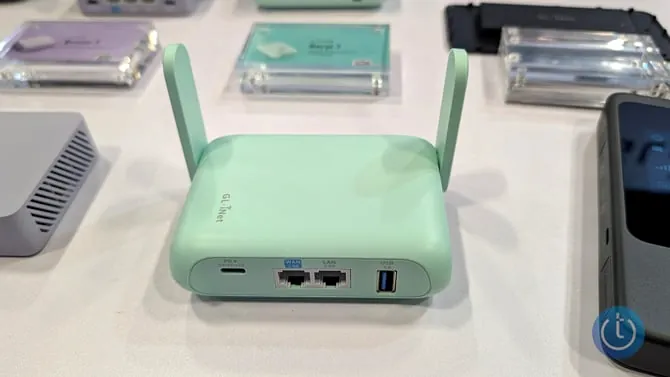
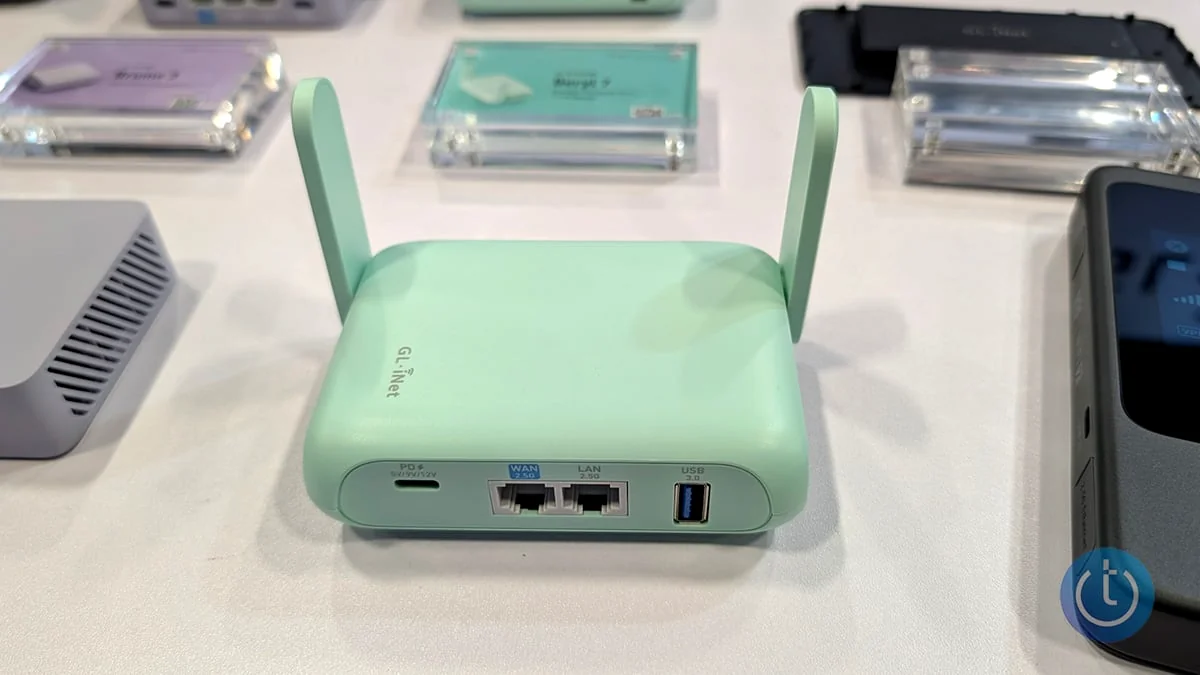
GL.iNet Beryl 7 (GL-MT3600BE): The Compact Powerhouse
GL.iNet Beryl 7 (GL-MT3600BE) Key Specifications
Pros
- Exceptional VPN Performance up to 1100Mbps.
- Dual 2.5GbE Ports eliminate wired bottlenecks.
- Robust Dual-Band Wi-Fi 7 implementation.
- Incredibly Compact and Lightweight (205g).
- High Device Capacity (120+ devices).
- OpenWrt-Based System for customization.
Cons
- No 6 GHz Band for cleanest spectrum.
- No Built-in Battery; requires USB-C power.
- No SIM/eSIM Support for direct cellular.
- Limited 512MB Memory for heavy custom firmware.
GL.iNet routers are renowned for their robust VPN client support. This feature is a profound game-changer for hotel Wi-Fi or public hotspots. Not only does it encrypt your entire network’s traffic, but it can also help bypass stubborn captive portals by establishing a secure tunnel through the router, maintaining that competitive edge wherever you are.
GL.iNet Mudi 7 (GL-E5800): 5G and Wi-Fi 7 for the Ultimate Road Warrior
Mudi 7: Features for Extreme Portability
- Integrated 5G Cellular Connectivity: Supporting theoretical speeds up to 4.67 Gbps for true multi-gig internet on the go.
- Tri-Band Wi-Fi 7 Performance: Delivering Wi-Fi throughput up to 5.8 Gbps across 2.4 GHz, 5 GHz, and 6 GHz bands.
- Built-in eSIM & Dual SIM Support: Unparalleled flexibility for international travel and seamless network switching.
- 2.8-inch Touchscreen: Intuitive on-device management for settings and VPN controls.
- 10Gbps USB-C Tethering Port: Ensures demanding laptops aren’t bottlenecked.
- Long-lasting Battery: 5380mAh battery providing up to 13.5 hours of use.
The Mudi 7 doesn’t just meet expectations for a travel router; it elevates the entire concept. With its integrated 5G cellular modem and tri-band Wi-Fi 7 capabilities, it’s meticulously designed for professionals and gamers who demand uncompromising, high-performance connectivity. While its premium feature set comes with a higher price point, the Mudi 7 undeniably represents the pinnacle of portable networking.
Beyond Travel: Integrating Compact Wi-Fi 7 for Home Gaming
“I’ve been carrying a travel router with me for a few years and stay in hotels every week. The killer feature for me is being able to create my own network so my devices can see each other but I’m still using the hotel’s internet connection.”
“That little thing curbstomps my actual main router.”
The traditional lines demarcating ‘travel’ and ‘home’ routers are rapidly blurring. With their robust VPN capabilities and multi-gig ports, devices like the Beryl 7 are perfectly capable of serving as a primary or powerful secondary router within a home gaming setup. They provide a dedicated, secure network segment for competitive gaming, ensuring minimal interference and prioritized traffic.
TP-Link Archer BE3600: The Entry Point to Affordable Wi-Fi 7
TP-Link Archer BE3600 Key Specifications
Pros
- Affordable Wi-Fi 7 Entry at ~$99.
- Dual 2.5GbE Ports for future-proofing.
- Supports essential MLO and 4K-QAM features.
- EasyMesh Compatibility for whole-home coverage.
- Robust HomeShield Security suite.
Cons
- No 6 GHz Band (Dual-band only).
- Modest peak wireless speeds vs high-end models.
- No 10Gbps ports for extreme enthusiasts.
- Subscription required for advanced Pro security features.
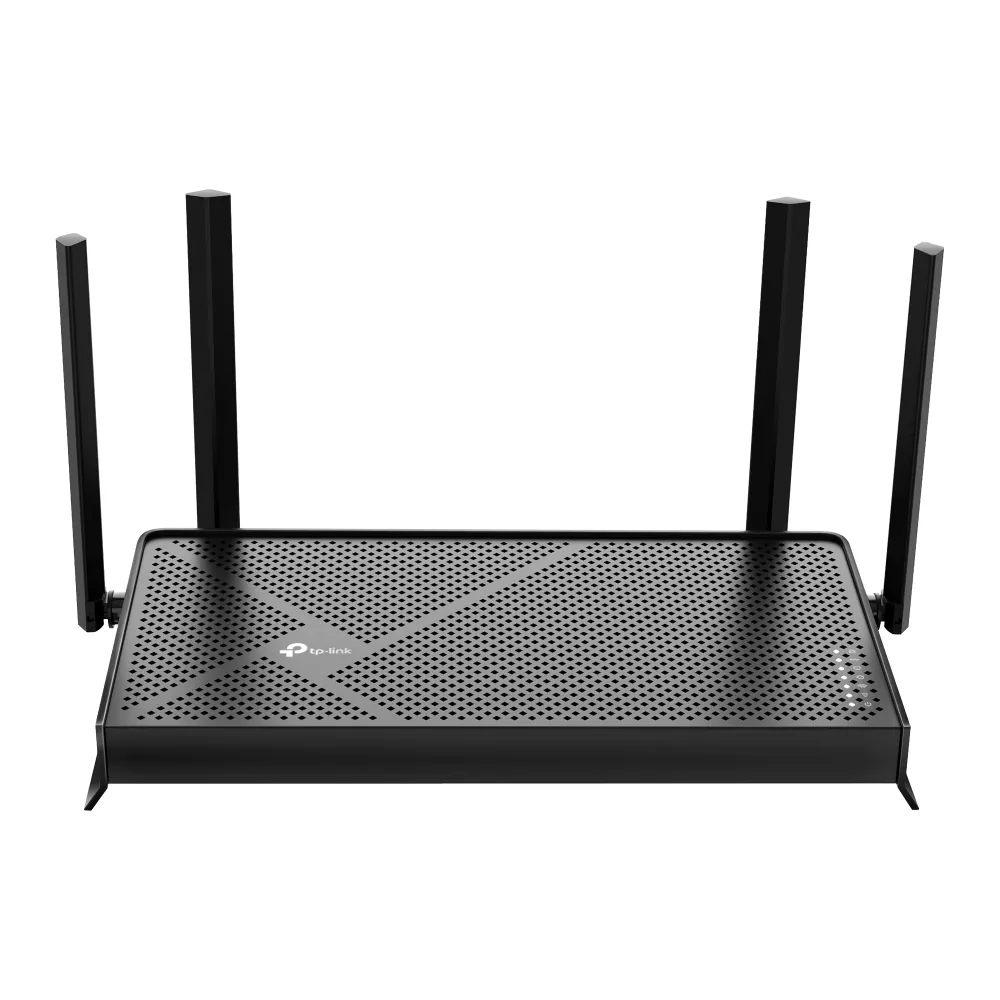
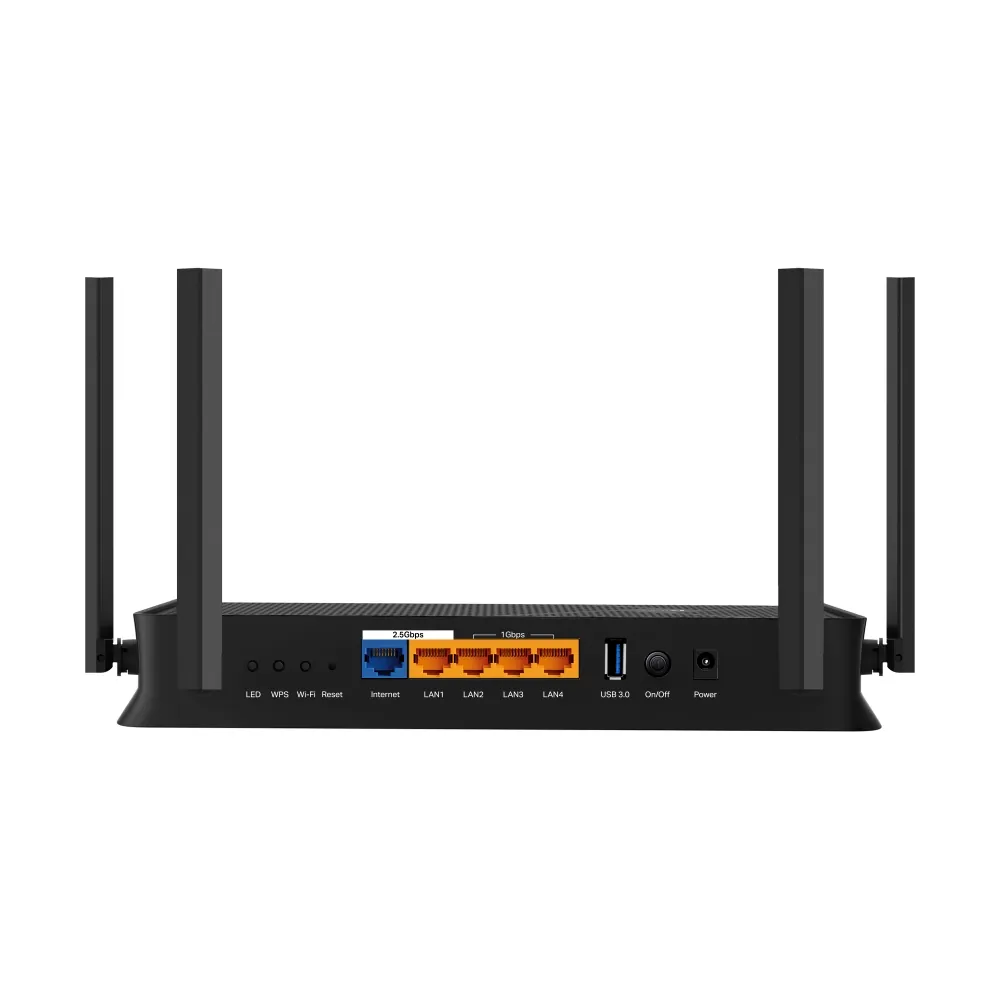
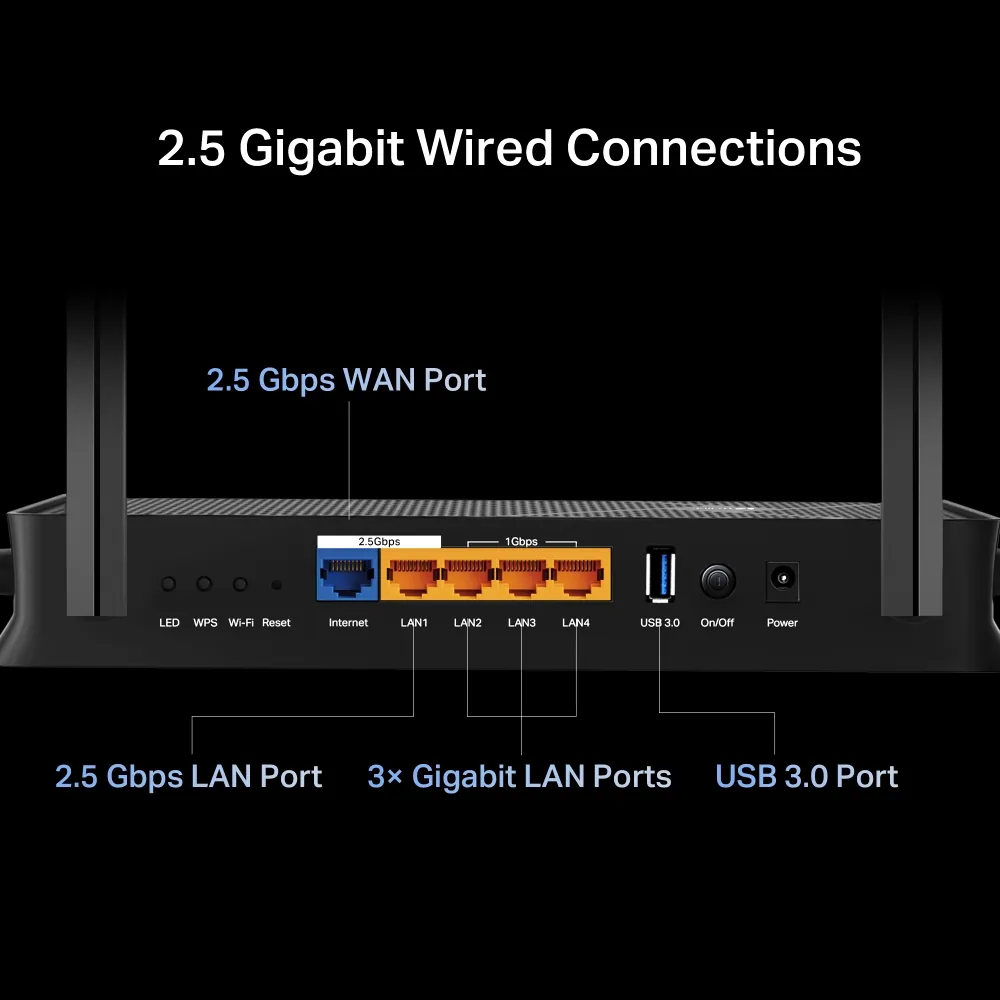
The TP-Link Archer BE3600 offers a sleek design with ample ports for its budget-friendly Wi-Fi 7 capabilities.
The Gamer’s Edge: Essential Features for Network Optimization
Key Features for Uninterrupted Gaming
- Quality of Service (QoS): Prioritize gaming traffic to prevent lag spikes from 4K streaming or downloads elsewhere in the house.
- VPN Client/Server: Built-in clients allow all devices to bypass region locks or secure data without individual software installs.
- Multi-Gig Ports: Ensure your 1Gbps+ internet plan isn’t bottlenecked by outdated ports.
- Mesh Compatibility: Expand coverage seamlessly in larger homes without manual switching.
Smart Shopping Tips for Your Next Gaming Router
- Assess Your Needs First: Frequent traveler? Home competitive gamer? Budget seeker? Match the device to your lifestyle.
- Understand Wi-Fi Standards: Wi-Fi 7 is the pinnacle, but consider if you actually need the 6GHz band before paying extra.
- Mesh vs. Standalone: Large homes with many walls almost always benefit from mesh systems over a single powerful router.
- Match Your Port Requirements: Don’t bottleneck a 2.5Gbps line with 1Gbps ports.
- Prioritize Software & Maintenance: Choose brands with frequent security and performance updates.
- Always Read Benchmarks: Theoretical speeds are marketing; look for real-world iPerf3 and latency results.
Our Benchmarking Edge: Verifying Router Performance
At LoadSyn, every performance claim is rigorously backed by verifiable data. We go far beyond theoretical maximums to measure real-world throughput and latency. We utilize industry-standard tools like iPerf3 to establish sustained data transfer rates across various distances. Our lab conducts precise, sub-millisecond latency measurements to identify any bottlenecks that could impact competitive gaming performance. This empirical, data-driven approach ensures our recommendations cut through marketing hype.
Frequently Asked Questions About Wi-Fi 7 & Travel Routers
Embrace the Future: Compact Power, Unrivaled Connectivity
The world of Wi-Fi networking is undergoing a significant transformation. What’s truly exciting is the emergence of compact travel routers that are proving to be network titans. Whether you’re a globetrotting gamer or a home player seeking every advantage, these next-gen routers are no longer niche products; they are essential upgrades for a faster, more stable, and competitive online experience.