
Summary: Key Takeaways
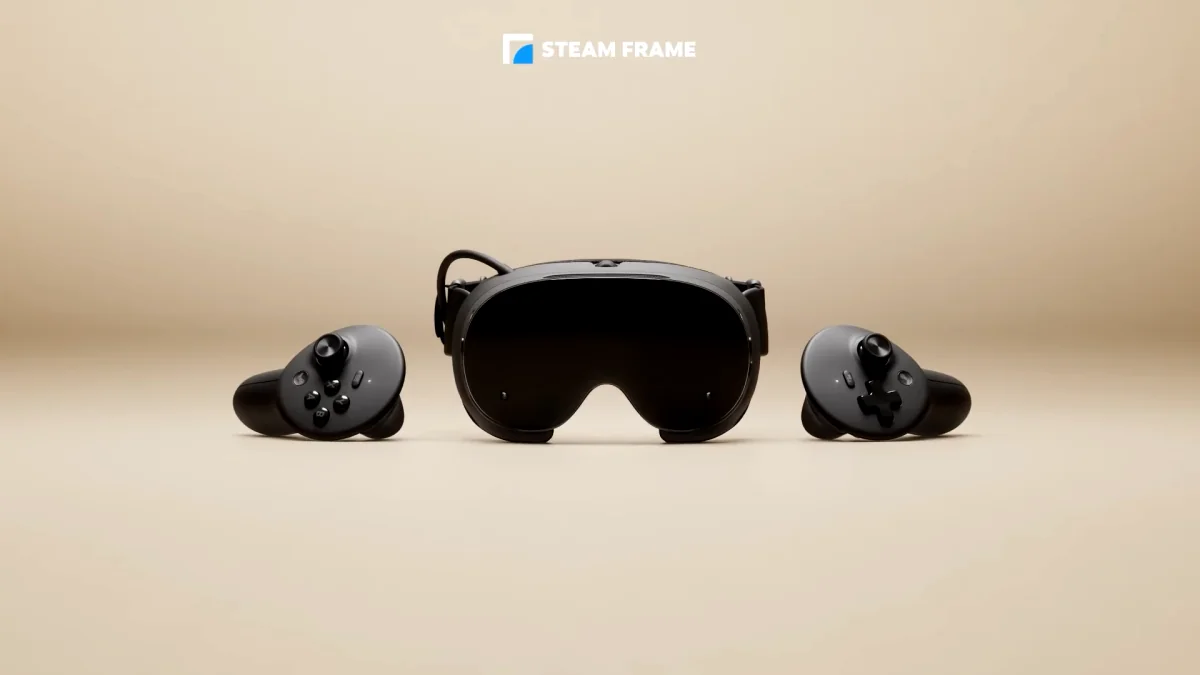
- The Steam Frame, launching in early 2026, is a streaming-first, standalone VR headset engineered to directly replace the aging Valve Index.
- It achieves industry-leading comfort, weighing only 440g total—significantly lighter than the Meta Quest 3 (515g) and the Apple Vision Pro (750g).
- Valve’s radical FEX translation layer enables the ARM-based Snapdragon 8 Gen 3 to run the vast x86 Windows Steam library natively via SteamOS/Proton, a monumental engineering feat.
- PC VR streaming is handled by a dedicated Wi-Fi 6E dongle, guaranteeing a low-latency, point-to-point connection optimized by eye-tracking for foveated rendering.
- The platform champions user freedom, featuring an open SteamOS, full root access, and a user-accessible PCIe expansion port for future hardware customization.
The FEX Factor: Valve’s Audacious x86-on-Arm Emulation
The single most surprising engineering achievement of the Steam Frame is its ability to run the vast Steam library of x86 Windows games natively on its ARM-based Snapdragon 8 Gen 3 chipset. This capability transforms the Steam Frame from a simple VR viewer into a truly wearable Steam Deck. The underlying mechanism is the sophisticated integration of the FEX translation layer directly into the Linux-based SteamOS/Proton compatibility stack. While ARM chips traditionally struggle with x86 translation, introducing major performance overhead, Valve has made remarkable progress. They claim the performance impact is ‘shockingly small’—only a few percent—though preliminary technical analysis of the early code suggests a more realistic, yet still impressive, 10–15% overhead. This capability means the Frame can play flatscreen titles on a virtual screen or handle less demanding VR games standalone, completely decoupled from a powerful host PC.
“‘allows you to play windows based x86 games on your linux based arm vr headset’ is a great way of putting how absurd this achievement is.”
Steam Frame Technical Specifications: The Definitive Sheet
Valve Steam Frame (2026) Core Specifications
- Processor
- Qualcomm Snapdragon 8 Gen 3 (4nm ARM)
- RAM
- 16GB LPDDR5X
- Display Type
- Dual 2160×2160 LCD Panels (Per Eye)
- Refresh Rate
- Up to 120Hz (144Hz Experimental)
- Field of View (FOV)
- Estimated 110° H/V (Pancake Lenses)
- Weight (Core/Total)
- 185g / 440g (with rear battery strap)
- Storage
- 256GB / 1TB UFS 4.0 + MicroSD Slot
- PC Streaming
- Dedicated Wi-Fi 6E (6GHz) Point-to-Point Link
- Tracking
- Inside-Out (4 Grayscale Cameras + IR Illuminators)
- Passthrough
- Monochrome Only (Black and White)
- Expansion
- User-Accessible Front PCIe Gen 4 Port
Frame vs. Quest 3: The Spec War and Strategic Differences
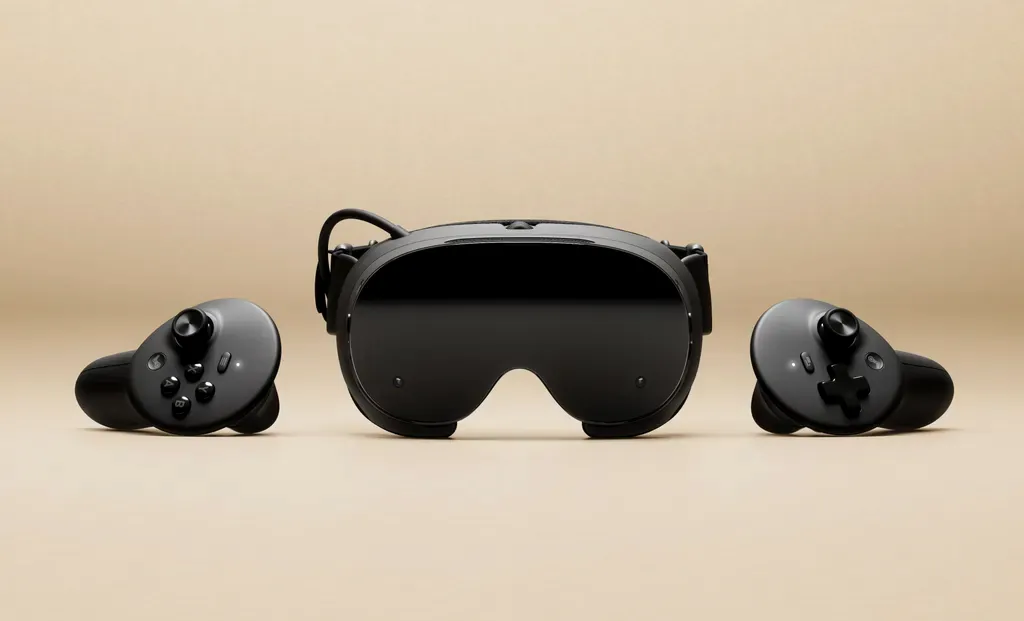
Steam Frame vs. Meta Quest 3
| Feature | Steam Frame | Meta Quest 3 |
|---|---|---|
| Chipset | Snapdragon 8 Gen 3 (ARM) | Snapdragon XR2 Gen 2 (ARM) |
| RAM | 16GB LPDDR5X | 8GB LPDDR5 |
| PC Streaming Method | Dedicated Wi-Fi 6E Dongle (P2P) | Standard Home Router (Shared Bandwidth) |
| Native PC Game Support | Yes (via FEX/Proton) | No (Requires Streaming or Android XR) |
| Passthrough | Monochrome (Black & White) | Full Color |
| Openness/OS | SteamOS (Open, Root Access) | Horizon OS (Closed, Limited Sideloading) |
| Controller Tech | TMR Magnetic Sticks (Anti-Drift) | Standard Joysticks |
Pros & Cons Analysis
Pros: The Frictionless Design
- Industry-leading comfort due to extremely low weight (440g) and strategically balanced design.
- FEX translation enables native x86 PC game support, unprecedented for a mainstream ARM headset.
- Dedicated Wi-Fi 6E link ensures extremely low-latency, friction-free PC VR streaming by bypassing home network bottlenecks.
- Open platform philosophy, guaranteeing full root access, user-accessible PCIe port, and MicroSD expansion.
- Controllers utilize Tunneling Magnetoresistance (TMR) magnetic sensors to virtually eliminate stick drift issues common to traditional potentiometers.
Cons: Pragmatic Compromises
- Passthrough is monochrome (black and white), severely limiting its mixed reality capabilities compared to the full-color Quest 3.
- Launch price is anticipated to be significantly higher than the Quest 3, likely near the $1000 mark or above.
- Reliance on the Proton compatibility layer, while revolutionary, may still introduce occasional compatibility issues with niche or older titles.
The Anti-Friction Strategy: Input Latency and Ecosystem Cohesion
Valve’s design philosophy for the Steam Frame centers entirely on removing the pain points that have historically plagued PC VR—namely, setup friction and input latency. The choice of a dedicated Wi-Fi 6E dongle, which creates a direct point-to-point connection between the headset and the PC, is a critical engineering decision. This method completely bypasses common home network bottlenecks, ensuring the foveated streaming technology (enabled by precise eye-tracking) delivers its promise of high-fidelity, low-latency visuals. This focus on seamless connection directly addresses the community’s deep-seated frustration with unreliable wireless streaming setups. Furthermore, the new controllers address the endemic issue of stick drift through the adoption of Tunneling Magnetoresistance (TMR) thumbsticks. This high-precision magnetic technology, also featured in the new Steam Controller, cements a unified, high-precision input standard across Valve’s entire ecosystem, ensuring longevity and reliability.
Valve’s Open Platform Mandate
Valve’s explicit messaging—’do what you want: it’s your PC’—is a direct philosophical challenge to closed ecosystems. The Steam Frame is designed to be customized, with CAD files and electrical specs available for third-party headstraps and facial interfaces, and the underlying SteamOS grants full root access. This commitment to user freedom and hardware accessibility, exemplified by the user-accessible PCIe Gen 4 expansion port, is arguably the most significant long-term differentiator, positioning the Frame as a truly open device in a market increasingly dominated by restrictive platforms.
Dr. Vance’s Engineering Verdict
The Steam Frame is not just a new headset; it is a declaration of independence for PC VR. By solving the two major obstacles—the complexity of wireless streaming and the technical impossibility of running x86 games on ARM—Valve has created a device that is technically audacious and strategically brilliant. While the monochrome passthrough is a pragmatic compromise that limits its mixed reality capabilities, the Frame’s ability to access the entire Steam library natively, combined with its industry-leading ergonomic comfort (440g), and dedicated low-latency streaming connection, positions it as the definitive choice for the enthusiast PC gamer. This device successfully eliminates friction, promising both fidelity and freedom, and serves as the necessary, high-end counterpoint to Meta’s closed-garden dominance.
Frequently Asked Questions
What is the expected price and release date for the Steam Frame?
Valve is targeting an early 2026 launch. While official pricing is unconfirmed, Valve stated it would be priced below the original $1000 Valve Index kit. However, recent leaks suggest a higher price point closer to $1200 for the base model, reflecting the advanced hardware components like the Snapdragon 8 Gen 3 and 16GB RAM.
Does the Steam Frame require the new Steam Machine to stream PC VR games?
No. The Steam Frame can stream from any capable gaming PC using the included dedicated Wi-Fi 6E dongle, which establishes a proprietary point-to-point link. The new Steam Machine is optimized to pair seamlessly with the Frame, offering features like remote wake-up and guaranteed performance profiles, but it is not mandatory.
How does the Foveated Streaming work?
The headset utilizes integrated eye-tracking cameras to monitor precisely where the user’s gaze is centered. It then dynamically instructs the host PC to render only that central area (the fovea) at maximum resolution and fidelity, while dropping the resolution in the periphery. This drastically reduces the necessary streaming bandwidth and computational load, significantly improving both latency and visual quality.