
For years, PC builders and gamers have navigated the predictable ebbs and flows of hardware pricing. But what we are witnessing now in the memory and storage markets is no mere cycle; it’s an unprecedented seismic shift. DDR5 RAM and NVMe SSDs, once accessible commodities, have become luxury items overnight, with prices skyrocketing to levels that have left many bewildered and frustrated. This isn’t just a slight adjustment; it’s a fundamental reordering of the market, driven by forces far beyond traditional consumer demand, and it demands our immediate attention.
Key Takeaways
- AI’s Insatiable Appetite: The primary catalyst for the current memory and storage price explosion is the unprecedented demand from AI hyperscalers for High-Bandwidth Memory (HBM) and enterprise-grade storage, not consumer trends.
- Consumer Deprioritization: Major memory manufacturers are strategically reallocating wafer capacity and investment towards high-margin AI and enterprise products, effectively sidelining the consumer PC market and driving scarcity and elevated costs.
- Long-Term Outlook: Don’t expect quick fixes. Meaningful price relief and stable supply for consumer DDR5 and NAND are not anticipated until late 2027 or even 2028, necessitating a strategic and patient approach to PC hardware purchases.
The Unprecedented Crisis: Memory & Storage Prices Explode
The data paints a stark picture: consumer DDR5 RAM and NVMe SSDs have experienced price hikes that defy conventional market logic. Kits that were readily available for under $100 just a few months ago are now fetching prices in the hundreds, with some instances seeing values quadruple or even quintuple in a remarkably short period. Take, for example, a Corsair Vengeance DDR5-6000 32GB kit, which surged from $134.99 in September to over $420 by early December. Similarly, our benchmark ‘Best RAM for gaming,’ the G. Skill Trident Z5 Neo RGB DDR5-6000, now sees 64GB kits listed for upwards of $500, with extreme cases hitting $881.87. NVMe SSDs haven’t been immune either; 2TB Gen 4 drives that were once $80 are now routinely $130 or more. This rapid escalation has caught even seasoned industry observers off guard, leaving many PC enthusiasts scrambling to understand the sudden, dramatic shift.
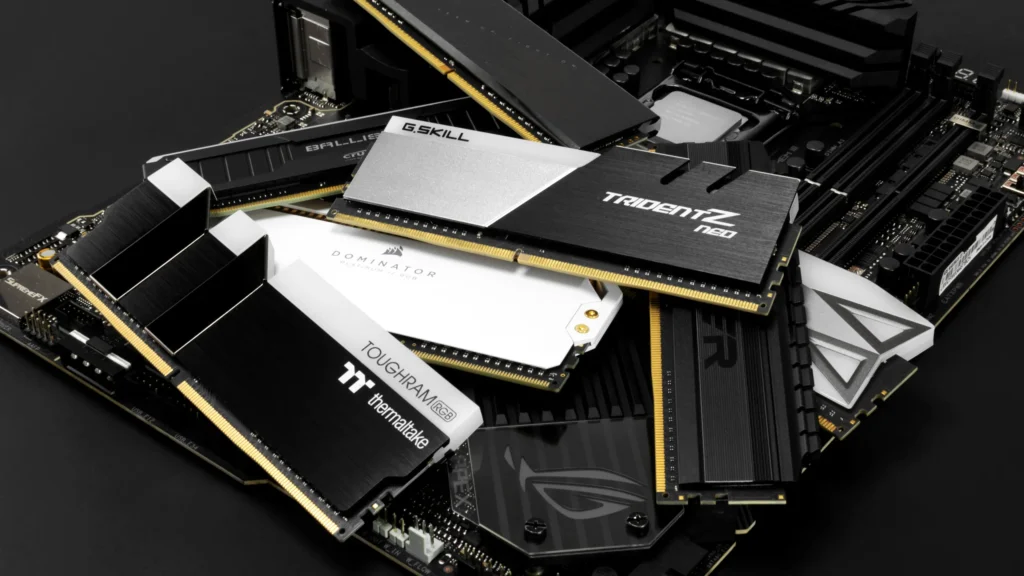
Reports from major system builders (like CyberPowerPC) indicate contract DRAM prices jumped 500% since early October, while retail DDR5 kits have seen 2-4x price swings. Consumer SSD contract pricing also rose 60% in November.
What the Data Says: Hard Numbers Behind the Surge
- DDR5 spot prices have seen ‘abnormal fluctuations’ with steep, rapid increases, indicating market instability beyond typical cycles.
- Micron’s Crucial consumer brand DDR5-5600 16GB memory nearly doubled in price in less than a month on Amazon Japan, highlighting extreme volatility and subsequent stock depletion.
- Server DRAM prices surged up to 50% in Q4 2025, a clear indicator of enterprise demand outstripping supply.
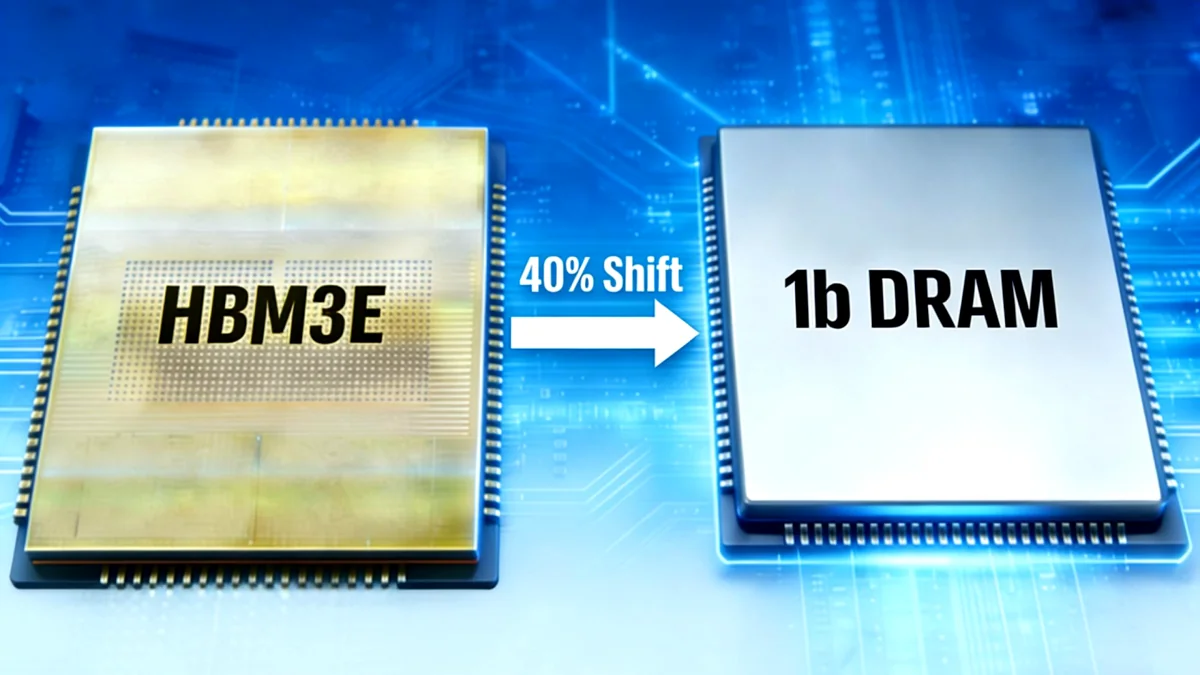
- Average selling prices for 12-high HBM3E could decline by more than 30% year-over-year starting next year, shifting focus and investment towards newer, even higher-margin HBM generations.
- NAND supply and demand are tightening, with bit supply growth lagging bit demand, strongly suggesting SSD price increases will continue through 2027.
- Enterprise SSDs (e.g., 30 TB TLC) have seen a staggering 260% increase in nine months, now costing over $10,000, underscoring the immense value placed on high-capacity storage for AI workloads.
The AI Hunger Games: How Hyperscalers are Devouring Supply
The fundamental truth behind this crisis is that it isn’t driven by a sudden surge in consumer PC demand. Instead, the primary engine is the insatiable appetite of AI hyperscalers—giants like Microsoft, OpenAI, Nvidia, and AMD—for high-bandwidth memory (HBM) and high-capacity enterprise storage. These titans of technology are not merely buying components; they are strategically locking in multi-year contracts, effectively absorbing a disproportionate share of global wafer capacity. This aggressive procurement strategy ensures their AI infrastructure buildouts remain on track, but it simultaneously starves the mainstream consumer market of essential memory and storage, leading directly to the scarcity and skyrocketing prices we’re now experiencing.
HBM vs. DDR5: Wafer Consumption & Cost Implications
| Metric | HBM | DDR5 |
|---|---|---|
| Wafer Capacity per GB | ~3-4x more than DDR5 | Standard |
| Advanced Packaging Needs | Extensive (TSVs, CoWoS) | Minimal |
| Production Complexity | Very High (stacking, thinning) | Moderate |
| Target Market | AI Accelerators, HPC, Enterprise | Consumer PCs, Servers, Laptops |
| Profit Margins | Significantly Higher | Lower |
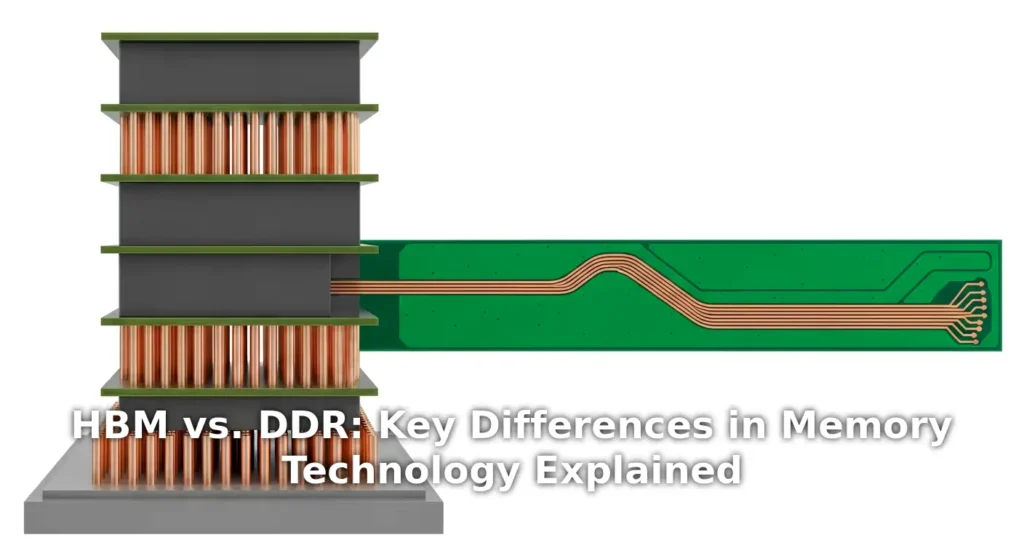
HBM’s stacked design offers unparalleled bandwidth for AI, but at a significant cost in wafer capacity and manufacturing complexity.
HBM: The New Gold Standard (and Why it Matters to You)
High-Bandwidth Memory (HBM) represents a paradigm shift in memory technology, and its impact on the consumer market is profound, even if indirect. Unlike conventional DRAM, HBM is constructed from multiple DRAM dies stacked vertically, interconnected by tiny through-silicon vias (TSVs), and then mounted on an interposer alongside the compute logic. This intricate stacked design provides immense performance benefits, offering unparalleled bandwidth that is critical for feeding the data-hungry AI accelerators driving today’s machine learning models. However, this superior performance comes at a cost: HBM production is significantly more resource-intensive, consuming roughly three to four times more wafer capacity per gigabyte than standard DDR5. The complex stacking, wafer thinning, and advanced packaging requirements mean that every HBM wafer produced directly reduces the capacity available for the DDR5 and NAND flash that power our gaming PCs.
HBM Generations at a Glance
| Generation | Key Features | Typical Bandwidth per Stack | Typical Capacity per Stack | Mass Production Target |
|---|---|---|---|---|
| HBM3 | Widespread AI Training GPU adoption | Up to 819 GB/s | 8-16 GB | 2024 (Peak) |
| HBM3E | Higher speed and efficiency | Up to 1.2 TB/s | 24-36 GB | 2025 (Volume) |
| HBM4 | Doubled channels, 2nm logic die | Up to 2 TB/s | 36-64 GB | 2026-2027 (Ramp) |
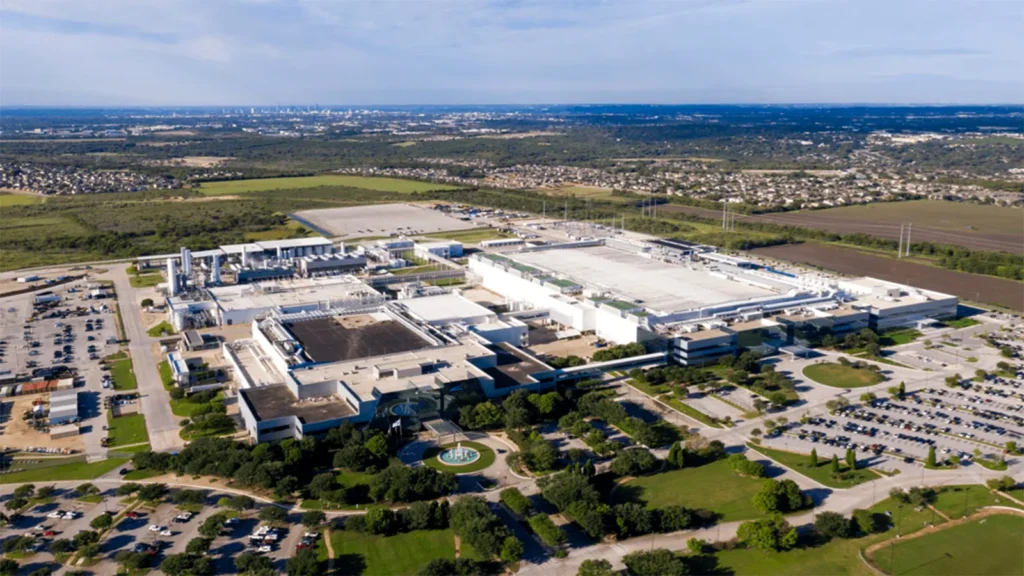
Major memory manufacturers like Samsung are investing billions in new fabs, but priority remains with HBM and enterprise products.
The Great Reallocation: Manufacturers Prioritize Profit Over PCs
This isn’t merely a shift in demand; it’s a strategic reallocation of manufacturing resources by the industry’s major players. Companies like Micron have openly pivoted, even announcing the exit of their consumer brands such as Crucial, to reallocate precious wafer capacity and engineering talent to more profitable strategic accounts in the AI and enterprise sectors. Samsung and SK Hynix are following suit, channeling their vast resources into high-margin HBM and enterprise DRAM production. This means the very factories that once supplied your DDR5 RAM and NVMe SSDs are now churning out specialized memory for AI servers, directly impacting the availability and pricing of components essential for gamers and mainstream PC builders. For manufacturers, the economics are clear: higher margins and multi-year contracts from hyperscalers easily outweigh the fluctuating, lower-margin demands of the consumer market.
“Micron’s EVP and Chief Business Officer, Sumit Sadana, stated: ‘The AI-driven growth in the data center has led to a surge in demand for memory and storage. Micron has made the difficult decision to exit the Crucial consumer business… to improve supply and support for our larger, strategic customers in faster-growing segments.'”
The Ripple Effect: Beyond RAM & SSDs
The memory crunch isn’t confined to just system RAM and NVMe SSDs; its tendrils extend throughout the entire PC hardware ecosystem. GDDR6/6X, the high-speed memory powering your graphics cards, competes for the same wafer capacity and backend resources as HBM and DDR5. This competition could translate into slower advancements in VRAM capacity for GPUs or, more likely, higher GPU prices as manufacturers absorb increased memory costs. Furthermore, the shift in NAND investment towards enterprise SSDs and embedded memory for AI accelerators means client SSDs will face tighter supply and higher prices. Even traditional hard disk drives (HDDs) are experiencing price hikes due to the overwhelming demand for bulk storage in AI infrastructure, proving that no component is truly insulated from this market-altering phenomenon.
The entire PC industry, from GPUs to HDDs, feels the squeeze as AI demand reshapes supply chains.
Western Digital and Seagate have announced HDD price hikes, citing ‘sky-high demand’ from AI workloads, leading to wait times stretching almost a year. Framework, a modular laptop maker, was forced to increase DDR5 memory pricing by 50% due to supplier costs.
The Fandom Speaks: Outrage, Distrust, and the ‘Cartel’ Accusations
Within the PC gaming community, the sentiment is palpable: intense anger, deep frustration, and a growing distrust towards memory manufacturers. Gamers feel actively priced out of a hobby they love, perceiving the situation as predatory or even a ‘cartel’ at play, rather than a natural market correction. Many lament their timing for new PC builds, expressing regret for not having invested sooner. The disdain towards AI, once a neutral or even exciting concept, has morphed into active resentment for monopolizing resources and driving up costs. This collective emotional response highlights not just financial pain, but a profound sense of exclusion and betrayal.
“‘I picked the worst possible time to start building a pc’ and ‘Before I was neutral about AI, now I hate AI because of this.’ These sentiments reflect a widespread frustration.”
When Will the Squeeze End? The Long Road to Recovery
For those hoping for a swift return to normalcy, the outlook from industry analysts is grim. Meaningful relief for consumer DDR5 and LPDDR5 supply, at prices suitable for mainstream consumer SKUs, is not expected until 2028 or even 2029 at the earliest. The construction of new fabrication facilities (fabs) to expand capacity is a multi-year endeavor, typically requiring 2-3 years from groundbreaking to volume production. And even when these new fabs come online, their initial output will, without question, prioritize the high-margin HBM and enterprise products that continue to fuel the AI boom. This structural delay means the current market conditions are deeply entrenched, promising a prolonged period of elevated pricing and constrained supply for PC builders.
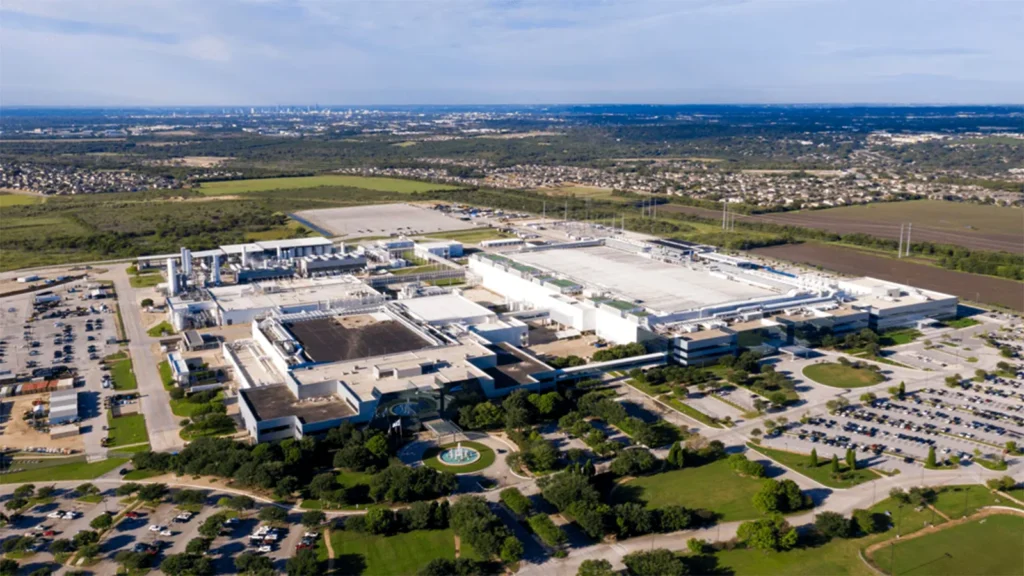
New mega-fabs like Samsung’s Taylor, Texas facility are years away from bringing significant capacity online, and HBM will take priority.
- TrendForce forecasts DRAM contract rates to continue rising through 2026, indicating sustained upward price pressure.
- SK Hynix’s internal analysis predicts PC DRAM supply will trail demand until late 2028, highlighting the long-term imbalance.
- Micron’s new Hiroshima HBM facility, with construction starting in May 2026, isn’t expected to see its first output until 2028, demonstrating the extensive lead times for new capacity.
- Samsung’s new DRAM capacity in Pyeongtaek and Taylor, Texas, will prioritize HBM and high-margin enterprise DRAM through 2027, confirming the continued focus away from consumer products.
- SK Hynix’s M15X fab output is expected in H2 2026, but more meaningful volumes for the broader market are not anticipated until 2027.
Navigating the Crisis: Strategies for Gamers & PC Builders
- Consider DDR4 for New Builds: With DDR5 prices soaring to unprecedented levels, DDR4 remains a highly viable and often significantly more affordable option for many gaming PCs, particularly mid-range and budget-conscious builds. Its established supply chain offers greater stability and predictability.
- Look for Pre-Built Systems: Original Equipment Manufacturers (OEMs) and system integrators often secure components at favorable contract prices that are inaccessible to individual DIY builders. A pre-built PC might offer considerably better value than sourcing individual parts in the current volatile market.
- Upgrade Selectively: Prioritize upgrading components that deliver the most impactful performance boost relative to their cost. If current memory or storage prices are prohibitive, defer these specific upgrades and focus on areas like GPUs or CPUs that might offer better immediate value.
- Explore Cloud Gaming: For those unwilling or unable to pay inflated hardware prices, cloud gaming services provide an alternative pathway to access high-end gaming experiences without the substantial upfront investment in a new PC or costly upgrades.
- Monitor Sales & Bundles: Keep a vigilant eye on major retailers for sporadic sales events or CPU/motherboard/RAM bundles. These package deals can sometimes mitigate the impact of individual component price hikes, offering a more attractive cost-per-component.
- Prioritize Capacity for Storage: If NVMe SSD prices remain excessively high, consider integrating larger, more affordable traditional HDDs for bulk game libraries and general storage, reserving smaller, faster SSDs primarily for your operating system and frequently played titles where speed is paramount.
DDR4 vs. DDR5: The Current Market Reality for Gamers
Pros
- DDR4: Offers more stable pricing and readily available stock, providing sufficient performance for the vast majority of gaming scenarios.
- DDR5: Delivers higher theoretical bandwidth and offers better future-proofing for next-generation platforms.
Cons
- DDR4: Its upgrade path for future CPU platforms is limited, and it generally offers lower raw bandwidth.
- DDR5: Suffers from extremely high and volatile pricing, providing diminishing returns for gamers.
Your Burning Questions Answered
Is this memory crisis similar to the GPU shortages of previous years?
While both involve supply/demand imbalances and price hikes, the current memory crisis is driven by structural shifts due to AI’s unique demands, rather than cryptocurrency mining or pandemic-driven consumer spending, making its resolution timeline potentially longer and more complex for consumers.
Should I sell my existing RAM/SSDs now for profit?
LoadSyn.com is a gaming technology blog and cannot provide financial advice. We recommend consulting with a financial expert for investment decisions. We only report on market conditions and their impact on PC hardware.
Are manufacturers intentionally creating scarcity to drive up prices?
Industry analysis suggests manufacturers are prioritizing high-margin HBM and enterprise-grade products due to massive AI demand and limited wafer/packaging capacity. While this re-allocation impacts consumer supply, it’s driven by strategic business decisions responding to a new, dominant market force.
Will console gaming be affected by these memory price hikes?
Console manufacturers have long-term component contracts, which may buffer them from immediate spot market fluctuations. However, persistent high memory costs could influence future console pricing or component choices, though typically to a lesser extent than the PC DIY market.
Final Verdict
The memory and storage market is undergoing a fundamental transformation, driven by the unprecedented demands of artificial intelligence. For PC gamers, this means a prolonged period of elevated prices and limited availability, with consumer segments becoming an afterthought for major manufacturers. While the outlook is challenging, understanding the forces at play and adopting strategic purchasing habits can help navigate this new era of PC hardware. LoadSyn will continue to monitor the market and provide updates, ensuring you have the data and insights needed to make the best decisions for your gaming rig.
Sources: TrendForce, Omdia, Yole Group, Mordor Intelligence, Tom’s Hardware, Blocks and Files, TechNews, Moomoo.com, Western Digital Investor Relations, Samsung Newsroom, SK Hynix Investor Relations, CyberPowerPC statements, and various industry reports as cited throughout the article.