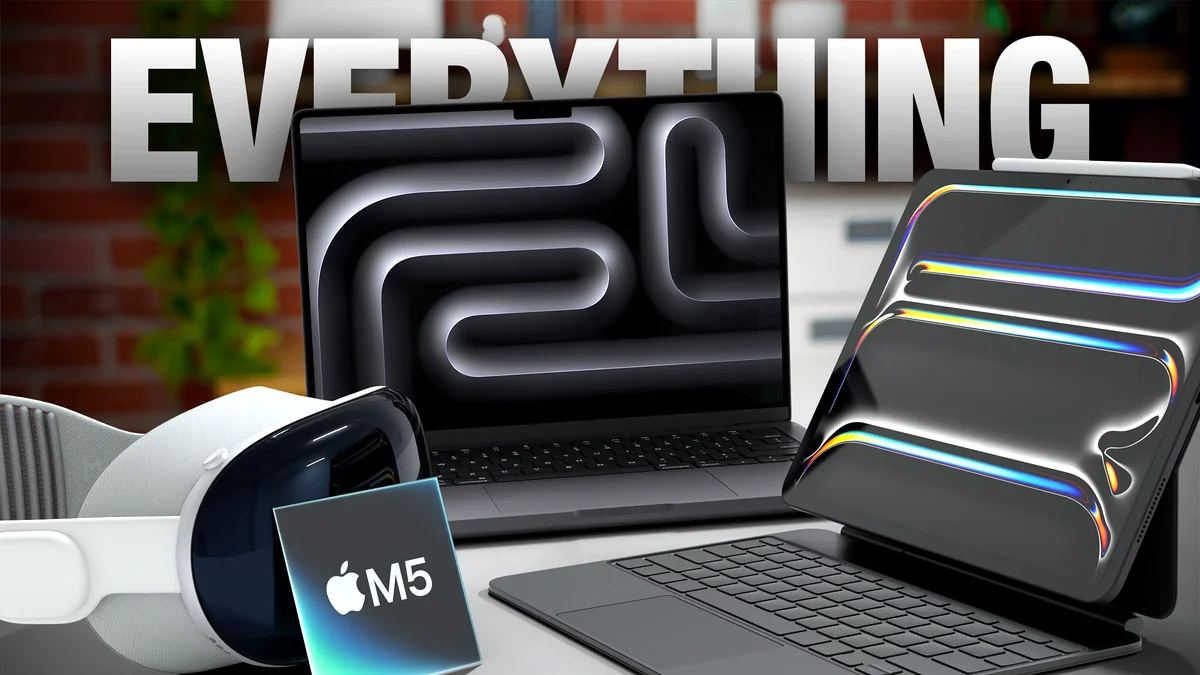

The Apple M5 chip represents a monumental leap in Apple Silicon, particularly for AI and graphics performance. It boasts over 4x the peak GPU compute performance for AI compared to the M4, thanks to dedicated Neural Accelerators in each GPU core, marking Apple’s most significant architectural shift for artificial intelligence. Graphics see an impressive uplift of up to 45% with third-generation ray tracing, enhancing visual fidelity and gaming experiences. The M5’s CPU is up to 15% faster in multithreaded tasks, complemented by a nearly 30% increase in unified memory bandwidth, now at 153GB/s. This powerhouse chip is integrated into the latest 14-inch MacBook Pro, iPad Pro, and Apple Vision Pro, fundamentally enhancing Apple Intelligence features and delivering a new benchmark for pro-level gaming and creative applications.
The Apple M5 Chip: A Cornerstone Guide to Apple’s AI and Graphics Revolution
The tech world has been eagerly awaiting Apple’s next move in silicon, and with the official unveiling of the M5 chip, the wait is definitively over. This isn’t just another iterative update; the M5 represents a monumental leap forward, fundamentally reshaping the landscape for AI, graphics, and pro-level gaming across Apple’s ecosystem. Built from the ground up to push the boundaries of on-device intelligence and visual fidelity, the M5 chip is set to redefine what’s possible in portable and spatial computing. At LoadSyn, we understand that our readers demand a deep, authoritative dive into the hardware that powers their passions. This guide will meticulously dissect the M5’s groundbreaking architecture, explore its real-world implications for demanding creative workflows and immersive gaming, and reveal why this chip is a certified game-changer. Prepare to understand not just what the M5 does, but *why* it matters profoundly for the future of technology.
The M5: Continuing Apple Silicon’s Legacy of Innovation
Apple’s journey into custom silicon began in earnest with the M1 chip in 2020, a revolutionary moment that shattered expectations for ARM-based processors. This initial foray established a new paradigm for performance-per-watt, delivering incredible power alongside unprecedented battery life in thin and light form factors. Each subsequent generation—M2, M3, and M4—built upon this robust foundation, incrementally enhancing CPU and GPU capabilities while steadily integrating more potent AI hardware. The M3 notably introduced hardware-accelerated ray tracing to the Mac, significantly boosting graphics realism. The M4, which made its debut in the iPad Pro, doubled down on AI, showcasing a significantly faster Neural Engine. This consistent evolution has been driven by a core philosophy: to deliver uncompromised performance and power efficiency, a discipline honed from designing chips for iPhones and iPads. With the M5, Apple pushes this trajectory further, leveraging years of innovation to deliver a chip uniquely optimized for the coming age of pervasive on-device AI.
| Feature | Apple M1 (2020) | Apple M4 (2024) | Apple M5 (2025) |
|---|---|---|---|
| Process Node | 5nm | 3nm (N3E) | 3nm (N3P) |
| CPU Cores (P+E) | 8 (4P + 4E) | 10 (4P + 6E) | 10 (4P + 6E) |
| GPU Cores | 8 | 10 | 10 (with Neural Accelerators) |
| Neural Engine TOPS | ~11 | ~38 | ~133 |
| Memory Bandwidth | ~68 GB/s | ~120 GB/s | 153 GB/s |
Under the Hood: M5’s Groundbreaking Architecture
The M5 chip is a masterclass in silicon engineering, built upon a third-generation 3-nanometer process that pushes the boundaries of power efficiency and transistor density. At its core lies a highly optimized 10-core CPU, featuring a strategic blend of four high-performance cores and six efficiency cores. This configuration ensures that demanding tasks receive ample power while everyday operations remain incredibly efficient, preserving battery life. Complementing the CPU is a next-generation 10-core GPU, which, as we’ll explore further, introduces revolutionary AI integration. The M5 also houses an enhanced 16-core Neural Engine, purpose-built for accelerating machine learning tasks. All these components are seamlessly integrated through Apple’s signature unified memory architecture, now boasting a staggering 153GB/s of bandwidth. This single, high-speed memory pool is critical for AI workloads, enabling the CPU, GPU, and Neural Engine to access vast datasets simultaneously, facilitating the execution of larger and more complex AI models directly on the device with unparalleled speed and efficiency.
The GPU: Unleashing AI and Graphics Power
The M5’s 10-core GPU is where some of the most profound architectural advancements lie, fundamentally altering how Apple handles both graphics and artificial intelligence. What truly sets this GPU apart is the groundbreaking integration of a dedicated Neural Accelerator directly within *each* of its cores. This isn’t just about raw core count; it’s a strategic design choice that allows GPU-based AI workloads to run dramatically faster, delivering over 4x the peak GPU compute performance for AI compared to the M4. For gamers and 3D artists, this means a significant uplift in visual experiences. The M5 incorporates Apple’s third-generation ray-tracing engine, which, combined with enhanced shader cores, provides up to a 45% graphics uplift in applications leveraging ray tracing over the M4. This translates to breathtakingly realistic lighting, reflections, and shadows in supported games and creative applications. Furthermore, the rearchitected second-generation dynamic caching ensures smoother gameplay, more realistic visuals in 3D rendering, and significantly faster processing times for complex graphics projects, making the M5 a powerhouse for visual computing.
- Accelerated AI Workflows: Powering dramatically faster processing for AI-driven tasks, including running complex diffusion models in apps like Draw Things and enabling large language models (LLMs) to operate locally via platforms like webAI.
- Smoother, More Immersive Gameplay: Delivering significantly higher frame rates and more realistic visuals, thanks to enhanced shader cores, third-generation ray tracing, and rearchitected dynamic caching.
- Faster 3D Rendering: Achieving up to 8x faster 3D rendering in demanding applications like Blender compared to the M1, and substantial gains over the M4, crucial for professional artists and designers.
- Enhanced Visual Fidelity: Providing up to 45% graphics uplift in ray-traced applications, leading to more lifelike lighting, shadows, and reflections.
CPU and Neural Engine: The Brains Behind Apple Intelligence
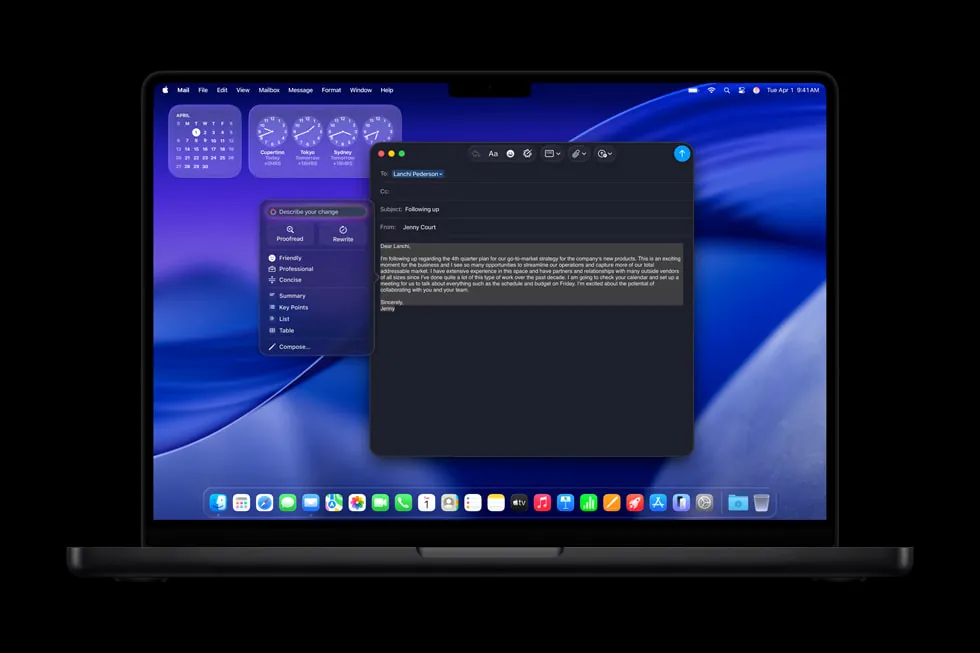
While the GPU garners significant attention for its AI accelerators, the M5’s 10-core CPU and enhanced 16-core Neural Engine form the intelligent backbone of the chip. Apple confidently asserts that the M5 features the “world’s fastest performance core,” contributing to an impressive 15% faster multithreaded performance compared to the M4. This means that intensive computational tasks, from compiling complex code to running multiple professional applications simultaneously, are handled with remarkable speed and fluidity. Crucially, the improved 16-core Neural Engine doesn’t operate in isolation; it works in sophisticated conjunction with the GPU’s dedicated Neural Accelerators. This synergistic design creates a chip that is comprehensively optimized for AI workloads, accelerating Apple Intelligence features across the ecosystem. Whether it’s the seamless, on-device generation of images in apps like Image Playground, or the advanced spatial scene transformation capabilities within the Vision Pro’s Photos app, the M5’s CPU and Neural Engine ensure that intelligent features are not just powerful, but also incredibly efficient and responsive.
M5 in the Wild: Products and Availability
The Apple M5 chip made its debut in a trio of Apple’s flagship products, solidifying its role as the engine for the company’s most advanced computing experiences. Upon its launch on October 15, 2025, the M5 was integrated into the refreshed 14-inch MacBook Pro, the new 11-inch and 13-inch iPad Pro models, and the updated Apple Vision Pro. These devices were immediately available for pre-order, with general availability commencing on Wednesday, October 22, 2025. This simultaneous rollout across key product lines underscores Apple’s commitment to rapidly bringing its latest silicon innovations to users who demand the pinnacle of performance and efficiency.
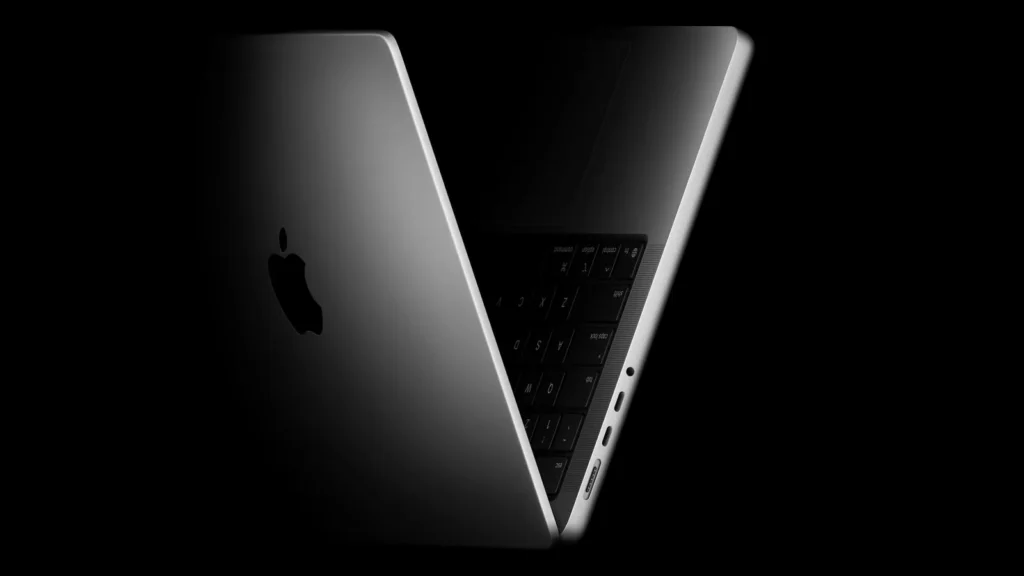
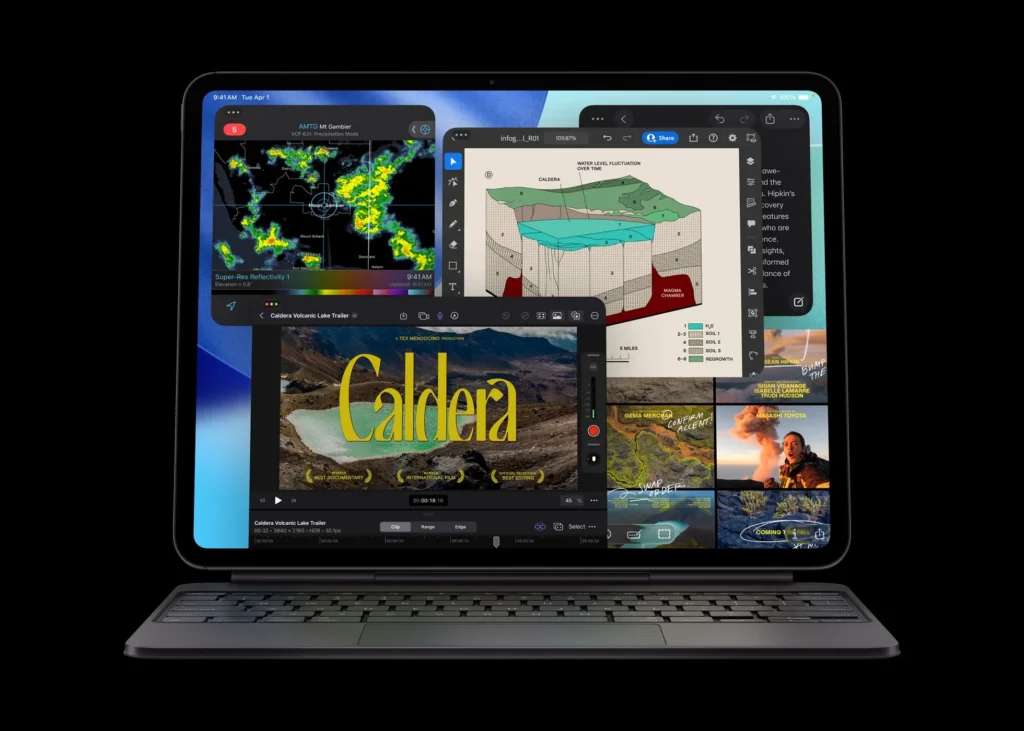
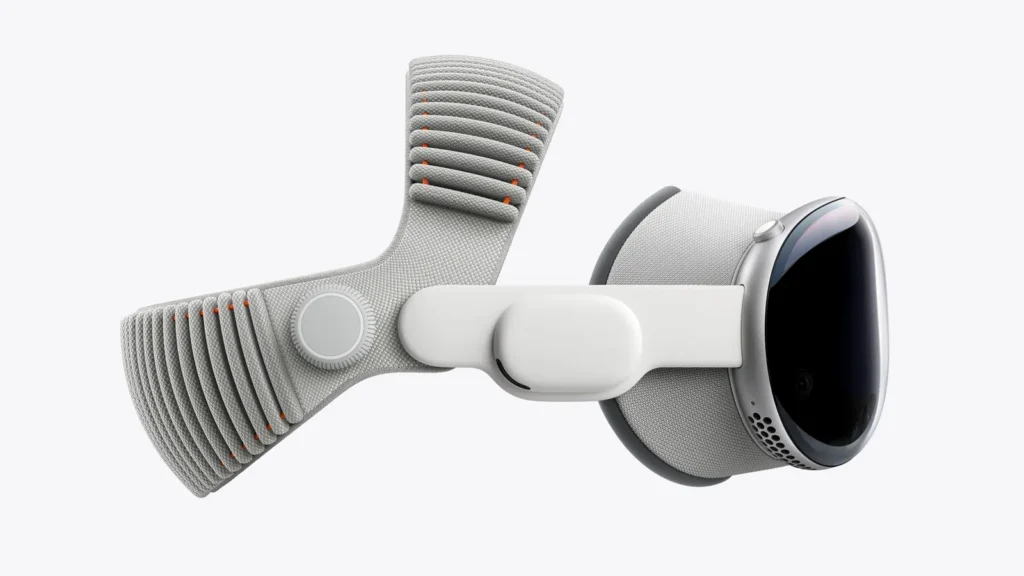
The 14-inch MacBook Pro: Professional Power Redefined
The 14-inch MacBook Pro, now powered by the M5 chip, solidifies its position as the ultimate portable workstation for professionals. While its external design remains familiar, the internal M5 brings a profound transformation to professional workflows. The chip’s AI and graphics enhancements accelerate demanding tasks like never before: video editing with complex AI effects, intricate 3D rendering, and rapid code compilation in Xcode all see significant performance boosts. Apple reports up to 3.5x faster AI processing and 1.6x faster graphics compared to the M4-powered 14-inch Pro, with examples such as 7.7x faster AI video upscaling in Topaz Video AI (vs. M1) and 1.8x faster than the M4 model. Beyond raw processing, the M5 MacBook Pro also boasts impressive battery life claims of up to 24 hours for video streaming, ensuring professionals can tackle intensive projects on the go without constantly searching for an outlet. Furthermore, SSD performance has seen a 2x increase, crucial for handling large project files and optimizing load times in memory-intensive applications.
The M5 MacBook Pro proudly touts an ‘up to 24 hours of video streaming’ battery life. While such figures often spark user skepticism regarding real-world usage, it’s important to note that Apple’s claims are based on rigorous, specific testing conditions. These include 1080p video playback in Safari with display brightness set low and keyboard backlight off. While your mileage will undoubtedly vary with more demanding tasks, intense workloads, or higher screen brightness, Apple’s M-series chips consistently deliver exceptional power efficiency, meaning even under heavy use, the M5 MacBook Pro is designed to offer industry-leading longevity on a single charge.
The iPad Pro: An AI Powerhouse for Creatives
For creative professionals, the M5-powered iPad Pro is more than just a tablet; it’s a portable studio redefined. Building on the M4’s foundation, the M5 elevates the iPad Pro’s capabilities dramatically, delivering up to a staggering 3.5x AI performance boost over its predecessor. This translates to unprecedented speed for tasks critical to creatives, such as 6.7x faster 3D rendering with ray tracing in applications like Octane X (compared to M1 iPad Pro), significantly quicker video transcoding in Final Cut Pro, and up to 4x faster AI image generation in tools like Draw Things. Beyond raw processing power, the new iPad Pro integrates Apple’s N1 networking chip, bringing cutting-edge Wi-Fi 7 and Bluetooth 6 connectivity for faster, more reliable wireless performance. Fast charging capabilities, allowing for a 50% charge in just 35 minutes, further enhance its utility for professionals on tight deadlines. This combination of a powerful M5 chip and advanced features makes the iPad Pro an unparalleled device for intelligent creative workflows, blurring the lines between tablet and professional workstation.
Apple Vision Pro: A More Immersive Spatial Computing Experience
The M5 chip plays a pivotal role in refining Apple’s groundbreaking Vision Pro, enhancing the spatial computing experience to new levels of immersion and responsiveness. With the M5, the updated Vision Pro now renders 10% more pixels on its micro-OLED displays, delivering crisper details and sharper text across visionOS. Refresh rates are boosted up to 120Hz, significantly reducing motion blur and contributing to a more fluid, natural visual experience that is critical for extended use. The M5 also contributes to an enhanced battery life, extending general usage to 2.5 hours, a valuable improvement over the original model’s 2 hours. These performance gains are particularly crucial for faster AI-powered spatial computing features, allowing for more complex real-time interactions and fluid environment transformations. Furthermore, Apple has addressed comfort with the inclusion of a new Dual Knit Band, a soft and cushioned strap designed to improve fit and wearability during longer sessions, making the Vision Pro an even more compelling platform for the future of immersive technology.
M5 Performance: Benchmarks and Real-World Gains
The Apple M5 chip doesn’t just promise performance; it delivers substantial, measurable gains across the board, fundamentally altering the competitive landscape. In CPU-intensive workloads, the M5’s 10-core CPU demonstrates a 10-15% faster multithreaded performance compared to the already potent M4, ensuring that demanding computational tasks are handled with increased efficiency. The GPU, however, is where the M5 truly shines, marking a generational leap. It delivers up to 30% faster overall graphics performance than the M4, and an astonishing 2.5x improvement over the M1. When leveraging its third-generation ray tracing, this uplift can reach an impressive 45% over the M4, providing unparalleled visual fidelity and smoother frame rates in modern games and 3D applications. The most dramatic improvements are seen in AI performance. The M5 boasts over 4x the peak GPU AI compute performance compared to the M4, and an incredible 12x neural performance leap over the M1. This translates directly into real-world benefits: tasks like AI video upscaling in Topaz Video AI are 7.7x faster than on an M1 Mac, and 3D rendering in Blender sees an 8x speedup over the M1, proving the M5’s dominance in creative and intelligent computing.
Note: Based on Apple’s official claims and industry estimations. Relative to baseline performance.
“I’ve had the M4 Pro MacBook for a year now coming from an Intel Lenovo laptop and can safely say I’m never returning to Windows again lol, Apple for life.”
— Fandom Pulse Community Comment
The Road Ahead: Apple Silicon’s Future Trajectory
The release of the base M5 chip is merely the opening act in Apple’s ambitious, long-term silicon strategy. Looking ahead to 2026, we anticipate the arrival of the more powerful M5 Pro, M5 Max, and M5 Ultra variants, which are expected to push the boundaries of performance even further. These higher-tier chips are rumored to incorporate significant architectural shifts, including advanced chiplet designs leveraging TSMC’s sophisticated SoIC chip-stacking process. This modular approach will enable Apple to scale core counts and thermal management more effectively, delivering unprecedented power for the most demanding professional workflows. While the M5 utilizes a refined 3nm process, the M6 generation, expected in late 2026 or 2027, is widely predicted to transition to TSMC’s cutting-edge 2nm node. This continuous pursuit of advanced process technology, combined with deep vertical integration, will further cement Apple’s lead in both raw performance and sophisticated on-device AI capabilities. This staggered rollout of the M5 family is a deliberate strategy, allowing Apple to align major product redesigns—such as the rumored thinner, lighter MacBook Pro with an OLED display—with the introduction of these next-generation chips, ensuring each hardware refresh delivers a truly transformative experience.
- Performance-per-Watt: Industry-leading efficiency for power and battery.
- Vertical Integration: Transistor-to-OS optimization.
- On-Device AI: GPU Neural Accelerators lead the market.
- Battery Longevity: Up to 24 hours on Pro laptops.
- Closed Ecosystem: Zero upgradability for RAM/Storage.
- Staggered Releases: Long waits for Pro/Max/Ultra tiers.
- Premium Pricing: High barrier to entry for Pro hardware.
- Software Gaps: Niche CAD/ETL tools lack native optimization.
The Apple M5 chip stands as a pivotal moment in the evolution of Apple Silicon, delivering a transformative impact on both artificial intelligence and graphics performance. With its revolutionary GPU architecture featuring dedicated Neural Accelerators, a significantly faster CPU, and enhanced memory bandwidth, the M5 establishes a formidable new benchmark for on-device intelligence and high-end creative workflows. This chip isn’t merely an upgrade; it’s a catalyst, pushing the boundaries of what’s possible in portable computing with the MacBook Pro and iPad Pro, and fundamentally elevating the immersive experiences within the Apple Vision Pro. For the gaming and creative industries, the M5 unlocks unprecedented levels of realism, speed, and AI-driven capabilities, empowering developers and users alike to innovate without compromise. Apple’s relentless pursuit of integrated, power-efficient performance continues to redefine expectations, proving that its innovation engine is firing on all cylinders, charting a bold course for the future of personal technology.