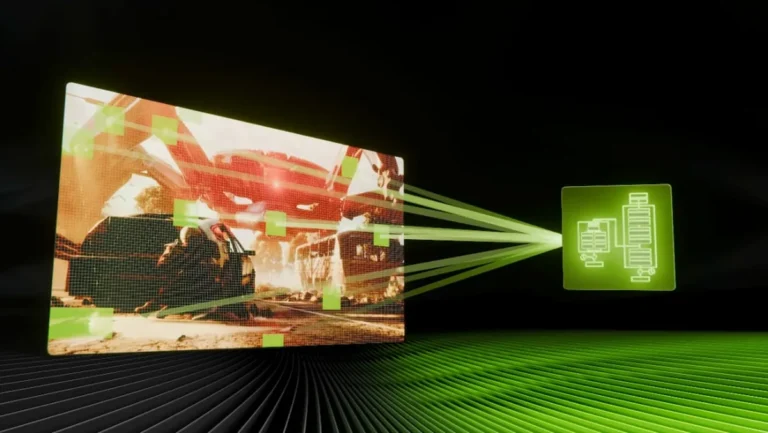
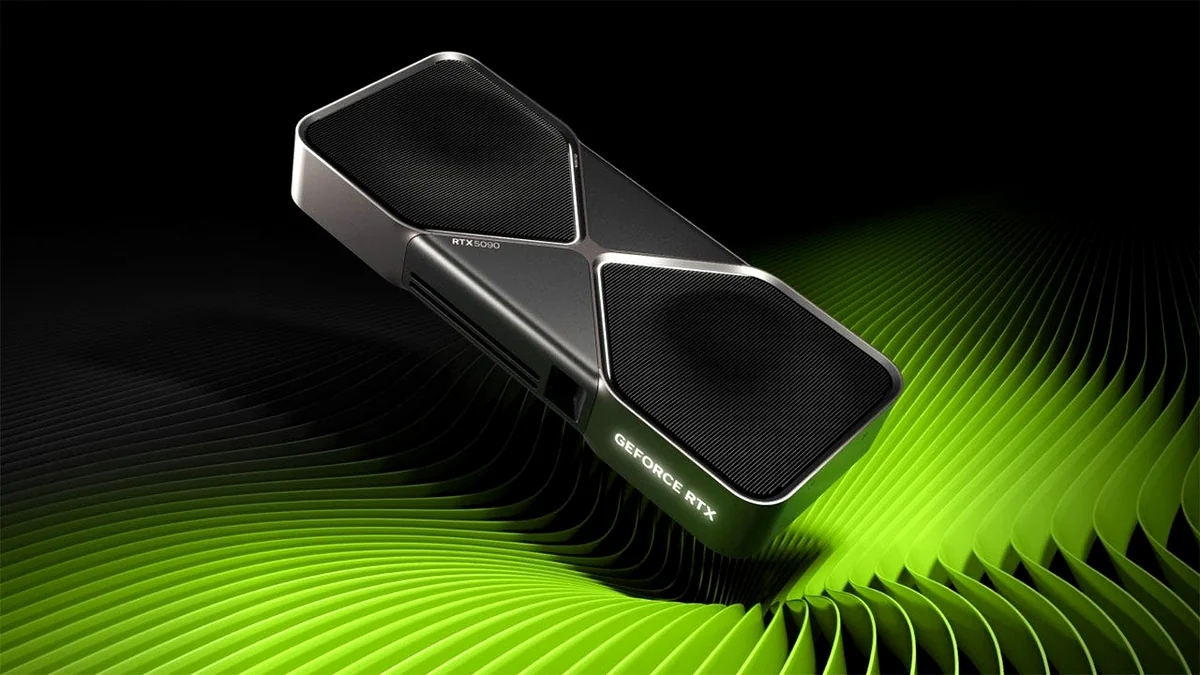

NVIDIA’s Deep Learning Super Sampling (DLSS) has consistently redefined the boundaries of real-time graphics, and with the official unveiling of DLSS 4.5 at CES 2026, we are witnessing its most profound evolution yet. This isn’t merely an incremental update; it’s a pivotal advancement poised to deliver unprecedented frame rates and visual fidelity, fundamentally reshaping our expectations for gaming. Powered by a groundbreaking 2nd Gen Transformer AI model and capable of achieving a staggering 6x frame generation, DLSS 4.5 promises to make 4K path-traced gaming at 240Hz+ an accessible reality. This comprehensive guide will meticulously unpack the technical innovations driving this AI masterpiece and explore its broad impact across both established blockbusters and highly anticipated, long-gestating titles alike.
Key Takeaways
- Dynamic Multi Frame Generation: Up to 6X frame rate boosts, exclusive to RTX 50 Series.
- 2nd Gen Transformer AI: Improved Super Resolution and Ray Reconstruction across all RTX GPUs.
- NVIDIA Reflex Frame Warp: Reduces input latency by up to 75% in competitive titles.
- Compatibility Caveat: Older RTX GPUs (20/30 Series) may see performance drops with advanced Model L due to lack of FP8 support.
- Global Integration: Rapid adoption in titles like AION 2 and Ashes of Creation.
- Neural Rendering Shift: Represents a fundamental move toward “top-down” AI-driven graphics.
1. The AI Revolution: Tracing the Evolution of NVIDIA DLSS
The journey of Deep Learning Super Sampling began in February 2019 with DLSS 1.0, an ambitious but contentious release. This initial iteration, a predominantly spatial upscaler, demanded per-game training on NVIDIA’s supercomputers and often resulted in a softer image quality marred by noticeable artifacts. Subsequent versions brought incremental yet impactful enhancements: DLSS 3.0 introduced Frame Generation, while DLSS 3.5 added Ray Reconstruction. Now, with DLSS 4.5, NVIDIA makes its most significant architectural leap yet.
| DLSS Version | Key Features | AI Model | Frame Generation/MFG | GPU Compatibility |
|---|---|---|---|---|
| DLSS 2.0 | Improved image quality, generic training, ~2x less overhead, DLAA | CNN | N/A | All GeForce RTX GPUs |
| DLSS 3.0 | Adds Frame Generation (1 interpolated frame per rendered frame) | CNN + Optical Flow | 1x Frame Generation | GeForce RTX 40 Series |
| DLSS 3.5 | Ray Reconstruction (replaces denoisers) | CNN (SR) + AI Network (RR) | 1x Frame Generation | All RTX (RR), RTX 40 (FG) |
| DLSS 4.0 | Multi Frame Generation (up to 3 generated frames) | Transformer Model | Up to 3x Multi Frame Gen | RTX 50 (MFG), All RTX (SR/RR) |
| DLSS 4.5 | Dynamic Multi Frame Generation (up to 6x generated frames) | 2nd Gen Transformer | Up to 6x Dynamic MFG | RTX 50 (Dynamic MFG), All RTX (SR/RR) |
2. DLSS 4.5 Deconstructed: The Core Technologies
DLSS 4.5 is more than a single feature; it’s a cohesive suite of AI-powered neural rendering technologies meticulously engineered to push the very limits of real-time graphics. This iteration marks a fundamental architectural shift, fully embracing advanced transformer models for superior image reconstruction and leveraging the cutting-edge capabilities of the GeForce RTX 50 Series GPUs, particularly their fifth-generation Tensor Cores.
2.1. Multi Frame Generation (MFG): The 6X Performance Multiplier
At the forefront of DLSS 4.5’s performance revolution is Multi Frame Generation (MFG). Building upon previous iterations, MFG now intelligently generates up to three additional frames for every frame traditionally rendered, with the capability to generate up to five frames for a staggering 6x total performance multiplier coming soon in Spring 2026. This is exclusively enabled by the NVIDIA GeForce RTX 50 Series GPUs, which house advanced fifth-generation Tensor Cores and a specialized AI Optical Flow system.
This video showcases the power of DLSS 4 and Multi Frame Generation in action.
2.2. Transformer Models: Redefining Visual Fidelity
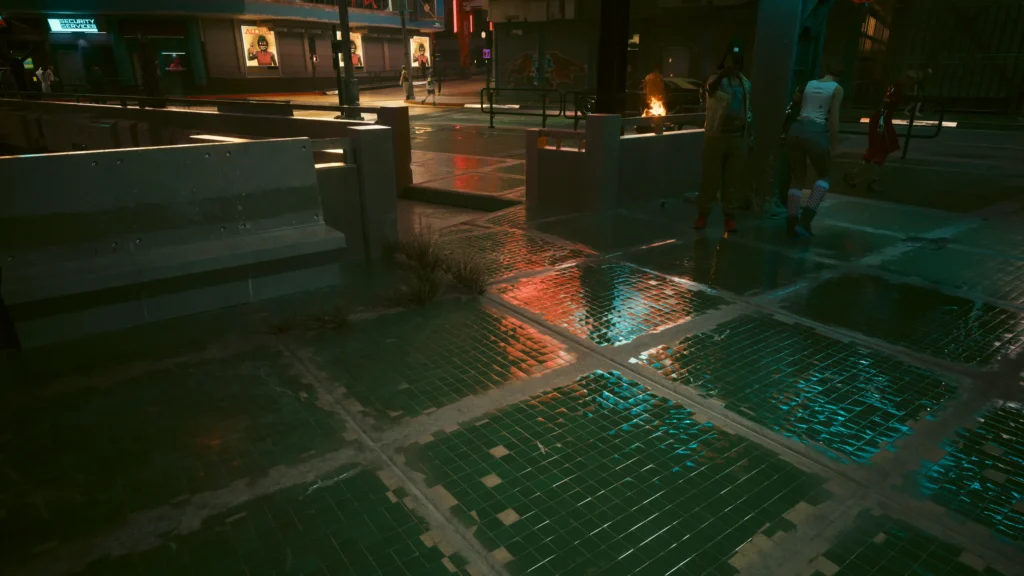
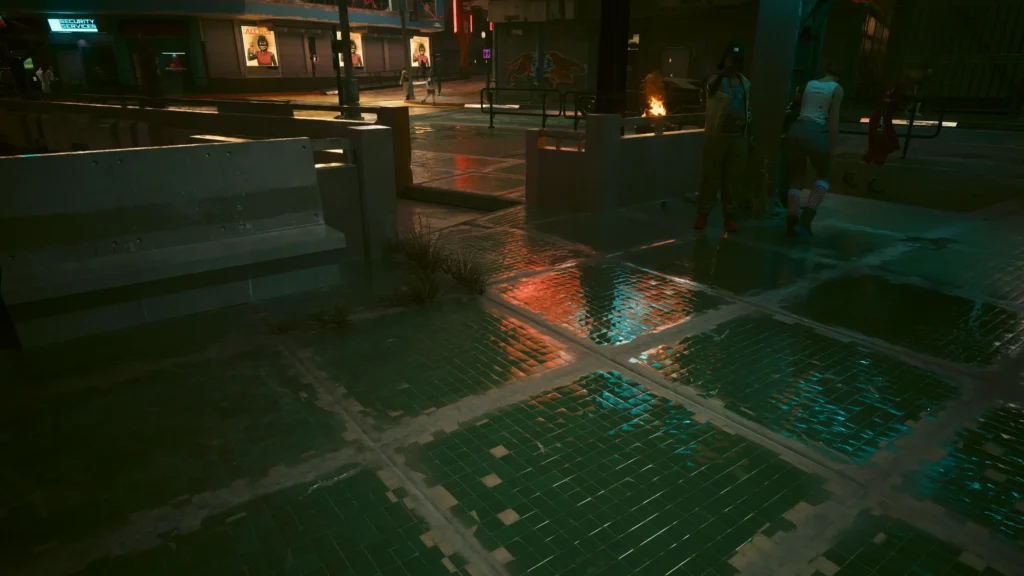
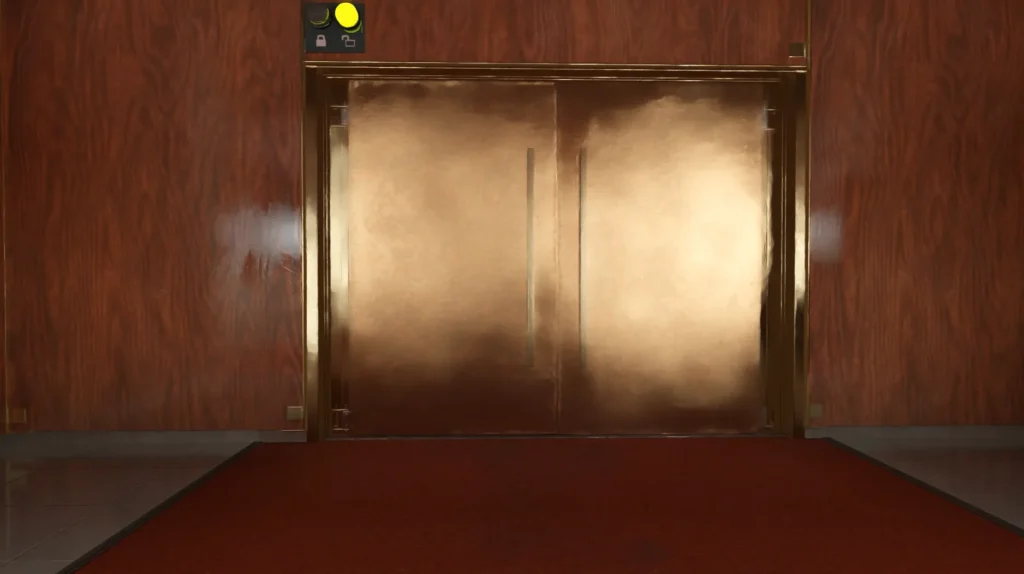
A cornerstone of DLSS 4.5’s visual prowess is the monumental shift from traditional Convolutional Neural Networks (CNNs) to advanced Transformer AI models. These models possess a superior capability to model complex spatial and temporal relationships, calculating twice the number of parameters to gain a far deeper understanding of each frame.
 Transformer
 CNN
CNN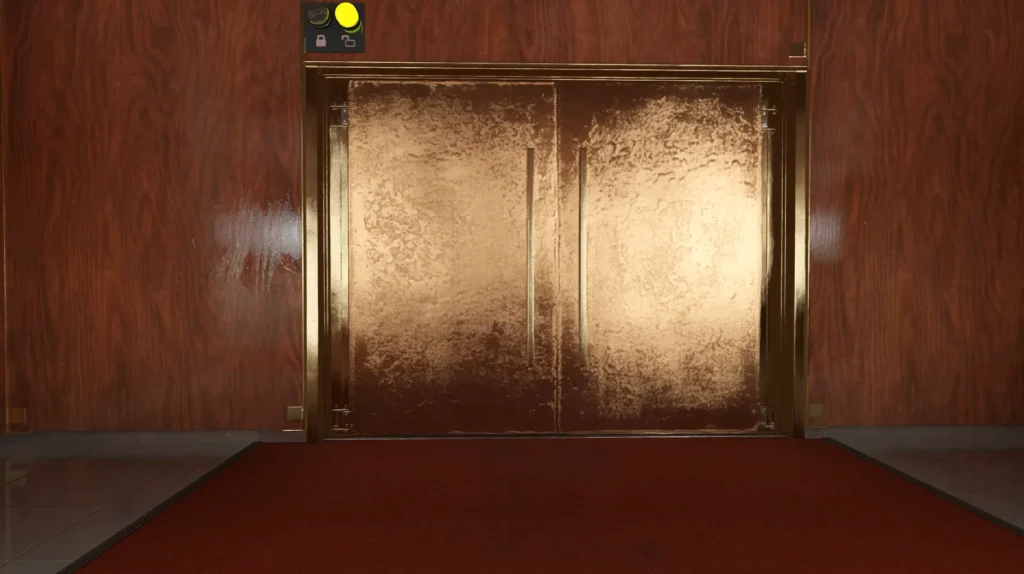 Transformer
 CNN
CNNSide-by-side comparisons showcasing the enhanced visual fidelity and reduced artifacts with the new Transformer models in DLSS 4.5.
2.3. NVIDIA Reflex Frame Warp: The Latency Game-Changer
NVIDIA Reflex Frame Warp tackles input latency head-on by reprojecting the final rendered frame using the absolute latest player input moments before it’s displayed. In competitive titles like THE FINALS, Reflex Frame Warp can reduce overall input latency by up to 75%, bringing response times down to a mere 14ms.
3. Performance & Compatibility: Who Benefits (and Who Doesn’t)
The theoretical capabilities of DLSS 4.5 translate into truly remarkable real-world performance gains. However, the realization of these benefits is not uniform across all hardware generations.
Conceptual DLSS 4.5 Performance Scaling (Relative FPS)
*Chart synthesized from conceptual performance claims. Actual performance varies by game and resolution.
Critical Alert for Older RTX Users (RTX 20/30 Series)
Our empirical data indicates that these generations can experience significant performance degradation—ranging from 20% to 40% compared to DLSS 4.0—when utilizing the more advanced Model L preset. This is primarily attributed to their lack of FP8 support. Stick to DLSS 4.0 or select “Model Preset M” in the NVIDIA App for these cards.
DLSS 4.5: The Upsides and Downsides
Pros
- Up to 6x frame generation on RTX 50 Series.
- Superior image quality with 2nd Gen Transformers.
- Up to 75% latency reduction via Reflex Frame Warp.
- Visual upgrades available across all RTX generations.
- Dynamic Multi Frame Generation for smoothness.
Cons
- Performance hit (20-40%) on RTX 20/30 Series with Model L.
- MFG exclusivity to RTX 50 Series.
- Increased VRAM usage (~500 MB at 4K).
- Minor AI artifacts in complex scenes.
- Full benefits require high-end hardware investment.
4. The Expanding DLSS Ecosystem: Games & Integrations
Over 250 games and applications now actively support DLSS 4 technology, with broader adoption across 400 titles for Super Resolution.
- Major Titles: Alan Wake 2, Battlefield 6, Black Myth: Wukong, Cyberpunk 2077, Hogwarts Legacy, Star Wars Outlaws, THE FINALS.
- New & Upgraded: Active Matter, Screamer, Where Winds Meet.
4.1. AION 2: Launching with NVIDIA RTX Technologies
The highly anticipated MMORPG, AION 2, is set to make its debut in 2025/2026. NCSOFT has confirmed deep collaboration with NVIDIA, showcasing AION 2 with DLSS 4 to deliver stunning visuals and iconic flight mechanics.
4.2. Ashes of Creation: A Decade-Long Journey
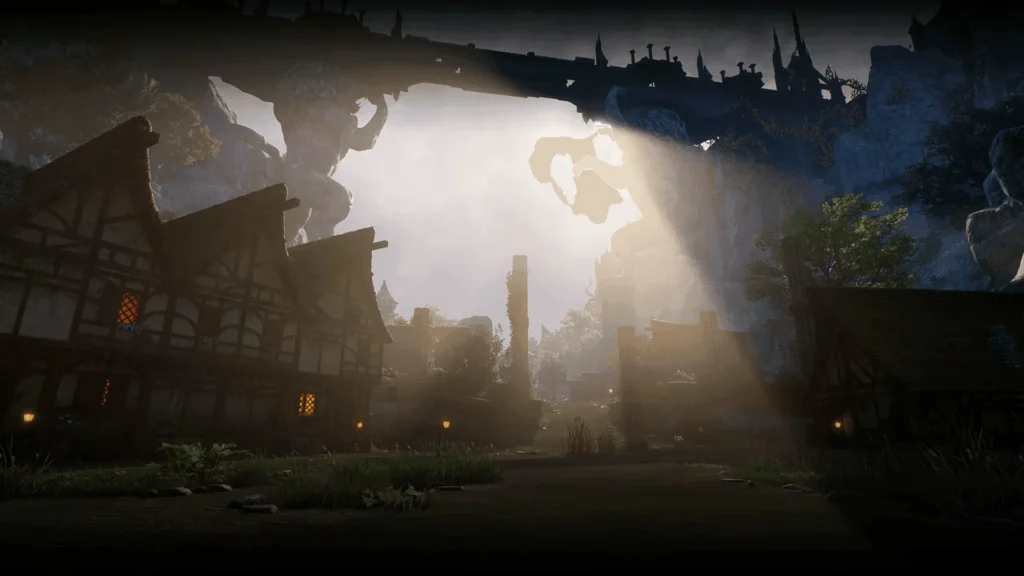
Ashes of Creation remains in Alpha 2, migrating to Unreal Engine 5.3. Its ambitious scope demands cutting-edge performance-enhancing technologies like DLSS 4.5 to handle massive, seamless open-world experiences.
“Releasing an MMO in 2025 into EA with 2 years plus more work to do is insane… I bet big money this game never sees 1.0”
5. Optimizing Your DLSS 4.5 Experience
- Ensure Driver Updates: Keep GeForce Game Ready Drivers updated.
- Use the NVIDIA App: Access advanced overrides like “Model Preset M” for older cards.
- Monitor Performance: Use GPU-Z or HWiNFO to balance settings.
- Match Refresh Rates: Sync your monitor to your target FPS.
- System Cooling: Ensure ample airflow for high-wattage RTX 50 cards.
- Game-Specific Settings: Experiment with in-game presets for the best balance.
NVIDIA App: Your DLSS Control Panel
The NVIDIA App grants granular control over DLSS settings, allowing you to override game-specific implementations and test different AI models like Preset L vs Preset M.
6. The Road Ahead: NVIDIA’s Vision for AI-Driven Rendering
DLSS 4.5 is a milestone in the shift toward neural rendering. Bryan Catanzaro, NVIDIA’s VP of Applied Deep Learning Research, asserts we are moving from “bottom-up” simulation to a “top-down” generated graphics approach.
“Graphics is shifting… we’re making a shift away from this explicit, bottom-up kind of graphics towards a more top-down generated graphics where we learn, for example, how snowflakes look… I’m very excited about the prospects of overcoming a lot of the limitations of today’s graphics.”
Frequently Asked Questions
DLSS 4.5 introduces Dynamic Multi Frame Generation (up to 6x) and upgrades to 2nd Gen Transformer models for better stability.
No, the full Multi Frame Generation feature is exclusive to NVIDIA GeForce RTX 50 Series GPUs.
Yes, the visual upgrades are available, but use “Model Preset M” to avoid performance drops due to lack of FP8 support.