
🎯 Key Takeaways: Anti-Drift Controller Tech
- The chronic issue of stick drift, caused by the fundamental mechanical wear of potentiometers, remains an engineered durability flaw in all major first-party controllers (PS5 DualSense, Xbox Wireless, and Switch Pro).
- Third-party manufacturer PowerA has secured the first officially licensed controller for the unreleased Nintendo Switch 2, crucially integrating Hall Effect sticks to guarantee long-term, anti-drift durability.
- Hall Effect and the more advanced Tunneling Magnetoresistance (TMR) technologies utilize contactless magnetic fields to eliminate physical wear, establishing them as the mandatory standard for premium and pro-level gaming peripherals.
- TMR holds a technical edge over Hall Effect, offering comparable precision while consuming significantly less power (drawing as little as 0.1mA vs. 0.5mA per sensor), making it the superior choice for extending wireless controller battery life.
- Rigorous testing confirms that high-end, performance-focused pads like the wired Thrustmaster eSwap X2 Pro can achieve surgical input precision and maintain near-zero drift consistency, even after 50 hours of strenuous competitive testing.
The Chronic Failure: Why First-Party Sticks Are Built to Break
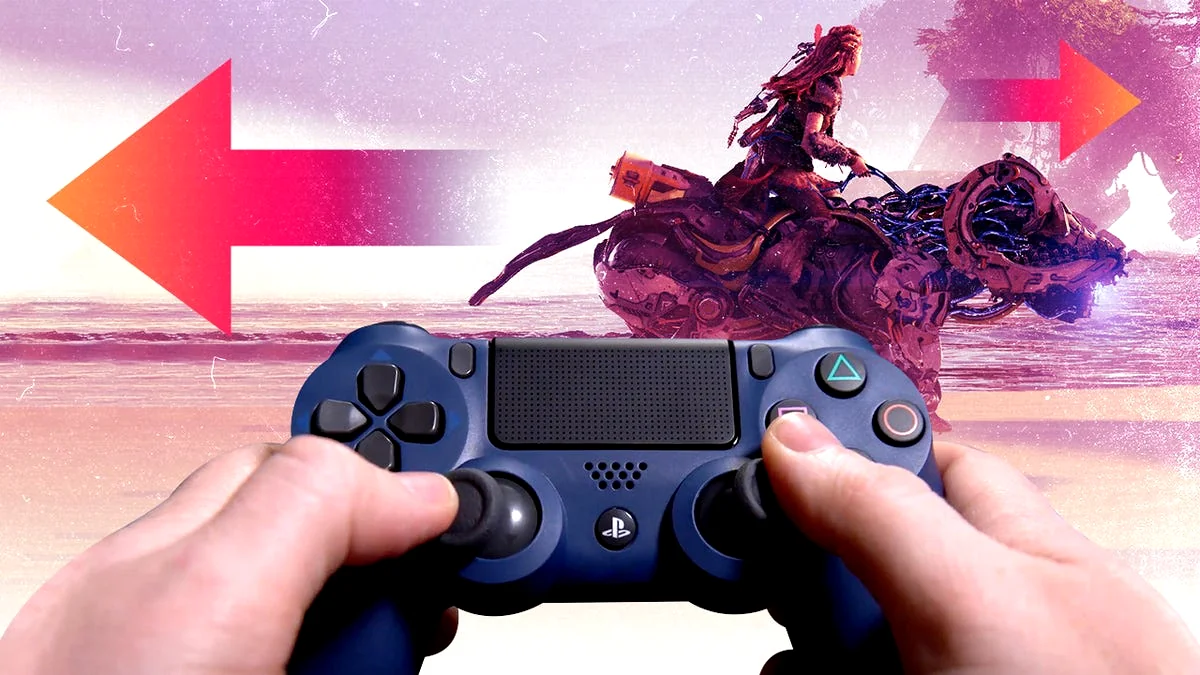
For years, gamers have suffered the inevitable fate of stick drift, a hardware flaw so pervasive it has led to class-action lawsuits against major manufacturers like Nintendo, Sony, and Microsoft. The data confirms this isn’t bad luck—it’s engineered obsolescence. The core issue lies in the potentiometer design used in the official Switch Pro Controllers, PS5 DualSense, and Xbox pads. Anecdotal evidence, such as the repeated failure of a user’s high-intensity Splatoon-dedicated Switch Pro Controller within months, highlights the systemic durability deficit inherent in this 20-year-old technology.
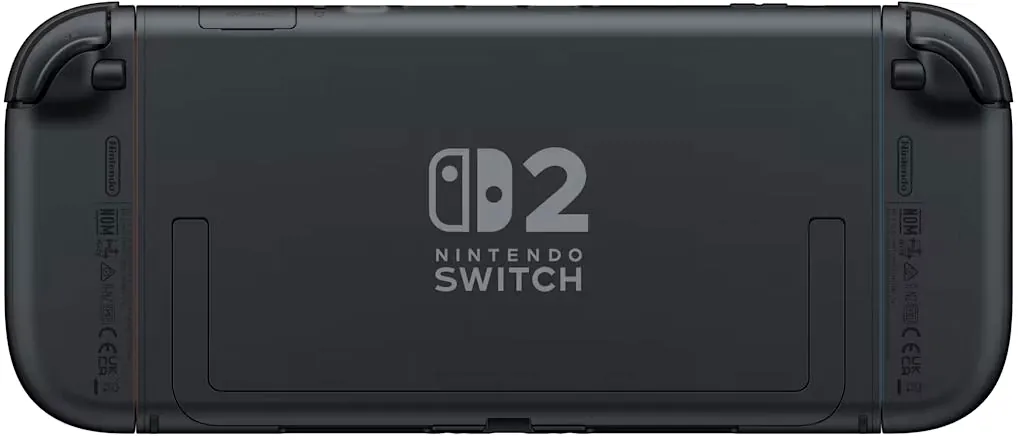
The Switch 2 Paradox: Third Parties Deliver the Anti-Drift Guarantee First
PowerA’s Hall Effect Advantage
The gaming accessories manufacturer PowerA officially announced the Advantage Wireless Controller for the Nintendo Switch 2. Crucially, this officially licensed product features Hall Effect sensors in the thumbsticks to virtually eliminate mechanical wear and stick drift. This makes PowerA the first brand to publicly guarantee anti-drift technology for the Switch 2 ecosystem, setting a high bar for durability that Nintendo’s first-party Joy-Cons must now meet.
Anti-Drift Technology: First-Party vs. Third-Party
| Product / Technology | Stick Technology | Drift Vulnerability | Cost (Approx.) | Durability Rating | Manufacturer Focus |
|---|---|---|---|---|---|
| Traditional Potentiometer (Official Switch Pro/Joy-Con) | Resistive Film/Wiper | High (Inevitable Mechanical Wear) | $70 USD | Low (Rated for 100k – 2M cycles) | Affordability and established design |
| Hall Effect (PowerA Advantage / Razer Wolverine) | Magnetic Sensor (Contactless) | Near-Zero (No Physical Wear) | $70 – $180 USD | Very High (Millions of Cycles) | Precision and Longevity |
Engineering Deconstructed: The Science That Kills Stick Drift
Controller drift occurs because traditional potentiometer sticks rely on physical friction. Inside the stick module, a metal wiper slides along a carbon track. This movement changes the electrical resistance, which the controller reads as position data. The core flaw is that this constant physical rubbing wears away the carbon track, creates conductive dust, and eventually shifts the ‘center’ reading, causing phantom movement. Hall Effect and TMR technologies eliminate this failure point entirely by replacing physical contact with magnetic sensing.
How Magnetic Sensing Prevents Wear
Traditional resistive sticks rely on a wiper physically contacting a carbon track, leading to friction, wear, and conductive debris—the primary cause of drift. Magnetic sensing (Hall Effect/TMR) places a magnet on the stick assembly and uses a stationary sensor to read the magnetic field’s orientation. Because there is zero physical contact between the sensor and the moving component, the stick’s physical longevity is dramatically increased, maintaining a consistent center point for millions of cycles.
❌ Resistive (Potentiometer)
Mechanism: Physical contact (Wiper on Carbon Track).
Flaw: Friction creates dust and wears down the track, shifting the electronic zero point.
Result: Stick Drift.
✅ Magnetic (Hall Effect / TMR)
Mechanism: Contactless sensing (Magnet moves, sensor reads field).
Flaw: Zero physical wear on the sensor components.
Result: Near-Zero Drift.
Hall Effect vs. TMR: Which Magnetic Tech is the True King?
While Hall Effect sensors (like those found in the new PowerA Switch 2 controller) are excellent, Tunneling Magnetoresistance (TMR) technology is emerging as the low-power champion. TMR uses quantum mechanical effects to measure the magnetic field, providing comparable precision and durability to Hall Effect, but at a fraction of the power cost. TMR sensors typically pull 0.1mA to 0.3mA, while Hall Effect sensors can draw 0.5mA to 2mA. For wireless controllers, this superior energy efficiency translates directly into significantly longer battery life, making TMR the ideal candidate for future high-end wireless pads.
Deep Dive: TI TMAG5170 Hall Effect Sensor
- Technology Type
- High-Precision Linear 3D Hall-Effect Sensor
- Communication Interface
- SPI (10 MHz)
- ADC Resolution
- 12-bit
- Conversion Rate
- 20-Ksps (Single-Axis)
- Operating Temperature
- –40°C to +150°C
- Key Feature
- Integrated Angle Calculation Engine (CORDIC) for 360° position
Consistency is King: Latency Testing Proves Durability Isn’t Enough
Our analysis of competitive controller testing confirms that simply having anti-drift sticks is insufficient. Consistency—the lack of latency spikes—is the true ‘consistency killer’ in competitive play. High-end controllers featuring Hall Effect sticks, like the Turtle Beach Stealth Ultra, showed excellent drift prevention (0.07° drift after 50 hours) but suffered from high latency variance (spiking from 7ms to 12ms) due to feature overhead like social notifications. The data shows that stripping away unnecessary features delivers the best competitive performance.
Competitive Controller Latency & Consistency Comparison (Hall Effect vs. Potentiometer)
Metrics Explanation: Lower latency (ms) and lower variance (ms) indicate faster and more consistent input. Drift (deg) measures the physical failure rate.
“Ya pueden despedirse del drift!”
Frequently Asked Questions About Anti-Drift Tech
Can I upgrade my current PS5 or Xbox controller to Hall Effect sticks?
Yes. Aftermarket TMR joysticks are widely available from brands like Gulikit and HALLPI. However, installation requires basic soldering skills for most models. The K-Silver JS-20 is a notable exception, offering a hotswappable design for specific third-party pads.
Are Hall Effect sticks 100% drift proof?
No electronic device is 100% failure-proof. However, Hall Effect and TMR sticks eliminate the primary cause of drift (mechanical wear and conductive dust). Any rare drift issues are typically due to calibration problems or damage, not sensor degradation, making them exponentially more reliable than potentiometers.
Why haven’t Nintendo, Sony, or Microsoft adopted Hall Effect technology universally?
The primary reason cited by industry analysts is cost and established supply chains. Potentiometers cost only a few dollars, while magnetic sensors are more expensive, leading manufacturers to prioritize affordability and profit margins over long-term consumer reliability.
The New Gold Standard is Contactless
The era of the potentiometer is ending. The chronic, industry-wide problem of stick drift has created a massive market opportunity for third-party manufacturers like PowerA, Razer, and Thrustmaster, who are now leading the charge with guaranteed anti-drift solutions for consoles like the Nintendo Switch 2. For any serious gamer, especially those logging hundreds of hours in competitive titles, magnetic sensing—be it Hall Effect or the more efficient TMR—is no longer a luxury, but a necessity. When purchasing your next controller, prioritize the contactless technology that ensures your gear lasts as long as your console.