
Key Takeaways: Navigating AM5 with the Ryzen 5 7500F
- The AMD Ryzen 5 7500F stands out as a compelling, budget-friendly entry into the future-proof AM5 platform, delivering robust Zen 4 performance at an accessible price point, a critical factor for value-driven PC builders.
- Persistent high DDR5 memory costs represent the primary financial hurdle for budget AM5 builds, creating a noticeable ‘early adopter tax’ that continues to fuel frustration within the PC gaming community.
- AMD’s steadfast commitment to AM5 socket longevity, projected through 2027 and potentially supporting Zen 7, offers significant long-term upgrade value, a strategic advantage that helps to offset initial platform investment costs.
- A clear demand exists within the community for more realistic performance benchmarks of budget CPUs like the 7500F when paired with mid-range GPUs, addressing a notable gap in current high-end focused reviews and providing more relevant data for budget-conscious gamers.
The world of PC gaming hardware is in constant flux, with new generations promising unprecedented power but often at a premium. AMD’s transition to the AM5 platform, ushering in the Zen 4 architecture and mandatory DDR5 memory, represents a significant leap forward. However, this leap has come with a hefty price tag, leaving many budget-conscious builders feeling left behind. Amidst this landscape, a quiet hero has emerged: the AMD Ryzen 5 7500F. This article will perform a definitive analysis of the 7500F, exploring its role as a potential gateway to AM5, dissecting the challenges of DDR5 pricing, and offering a strategic blueprint for future-proofing your gaming rig without breaking the bank.
The AM5 Platform: A Vision for the Future, A Cost Today
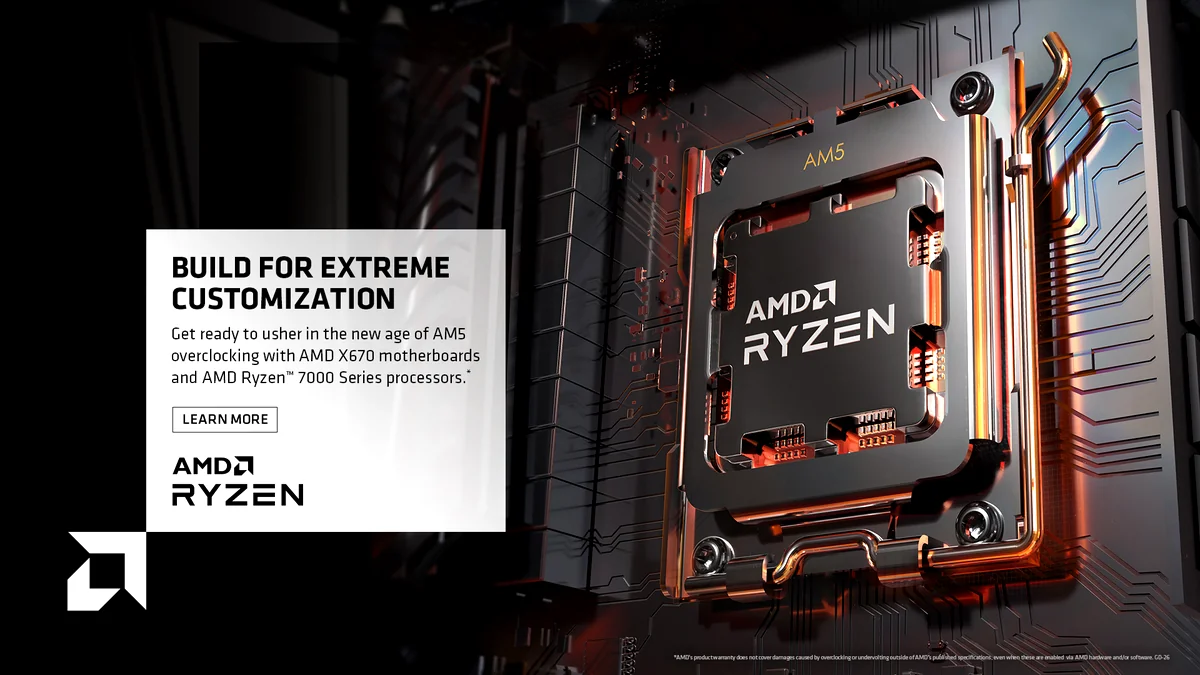
AMD’s move from the long-standing AM4 to the new AM5 socket is a foundational shift, bringing with it exclusive support for 5nm Ryzen 7000 ‘Raphael’ processors and, crucially, mandating DDR5 memory. This transition unlocks next-generation connectivity like PCIe 5.0, positioning AM5 for years of future relevance. Yet, the initial cost of entry has been a significant hurdle. DDR5 memory, especially at launch, commanded a substantial premium due to supply chain issues and manufacturing complexities, particularly with onboard power management ICs (PMICs) and VRMs. This created what many users perceive as an ‘early adopter tax,’ a financial barrier that has fueled considerable frustration within the DIY PC building community, making the promise of future-proofing feel out of reach for many.
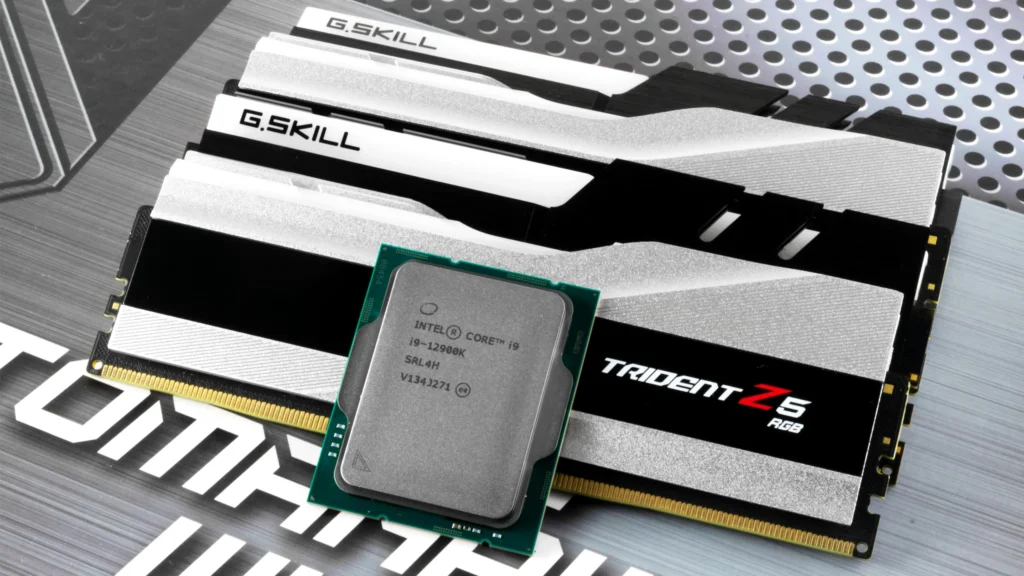
“One thing about am5 scares me. Ddr5”
The Ryzen 5 7500F: A Budget-Friendly Zen 4 Solution?
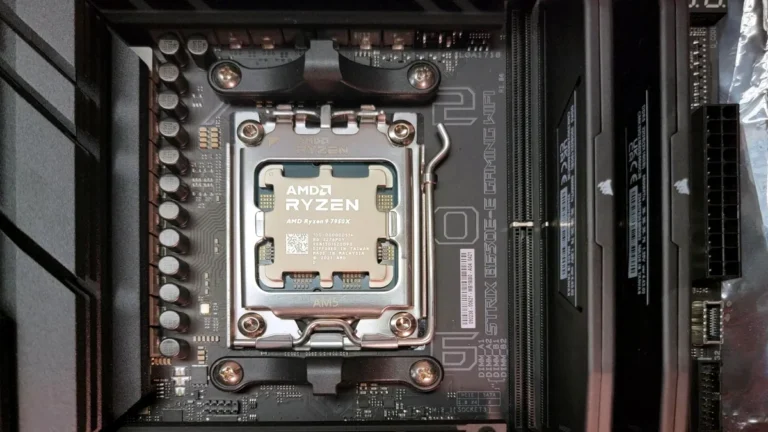
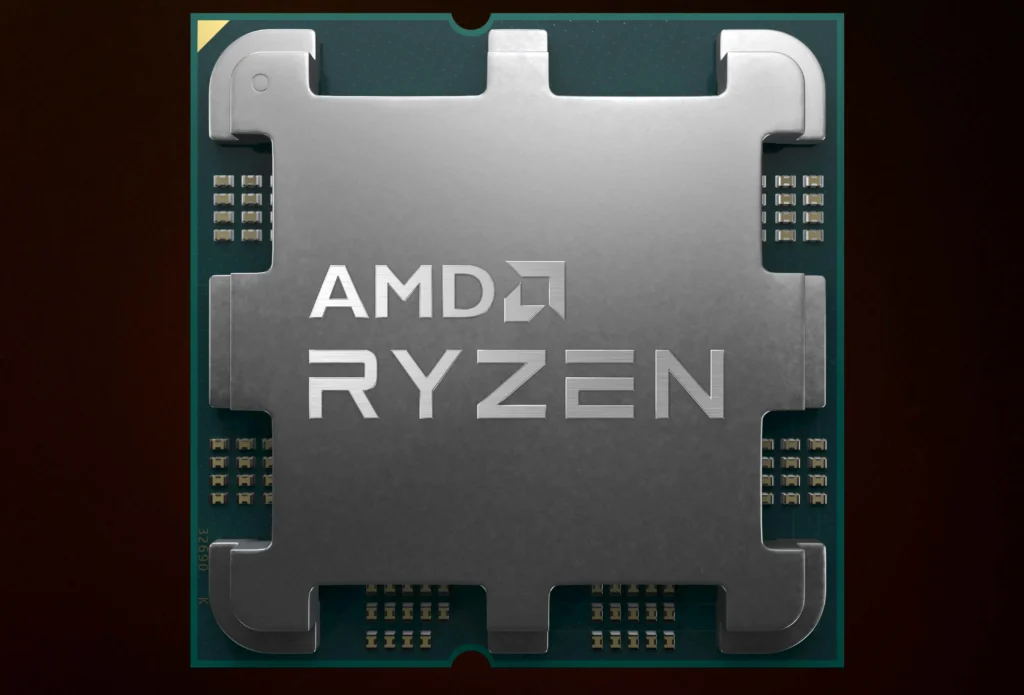
Against the backdrop of high AM5 entry costs, the AMD Ryzen 5 7500F emerged as a beacon of affordability. Positioned as the most affordable desktop entry point into the Zen 4 architecture, this six-core, twelve-thread processor was specifically designed to address the financial concerns that plagued the initial Ryzen 7000 series launch. Operating with an efficient 65W TDP and boasting impressive clock speeds, the 7500F delivers the core advantages of Zen 4 without the integrated graphics, allowing for a lower price point. But does this budget-friendly CPU truly deliver the value gamers are looking for, or is it merely a compromise?
AMD Ryzen 5 7500F Key Specifications
| Architecture | Zen 4 (Raphael AM5) |
| Process Node | TSMC 5nm FinFET (CPU), 6nm (I/O Die) |
| Cores / Threads | 6 Cores / 12 Threads |
| Base Clock | 3.7 GHz |
| Max Boost Clock | 5.0 GHz |
| L2 Cache | 6MB |
| L3 Cache | 32MB |
| TDP (Default) | 65W |
| Socket | AM5 (LGA 1718) |
| Integrated Graphics | None |
| Memory Support | DDR5-5200 (Dual Channel) |
| PCIe Support | PCIe 5.0 (28 Lanes) |
Ryzen 5 7500F: The Upsides and Downsides
Pros
- Affordable entry into Zen 4 architecture and AM5 platform.
- Excellent gaming performance for its price point, often matching higher-tier CPUs.
- Future-proof AM5 socket with confirmed longevity through 2027+.
- Low 65W TDP for efficient cooling and power consumption.
- Full PCIe 5.0 support for future GPUs and NVMe SSDs.
Cons
- Lack of integrated graphics requires a discrete GPU.
- Mandatory DDR5 memory still adds significant cost to the overall build.
- Requires a new AM5 motherboard, increasing platform upgrade cost.
- Limited availability in some regions (often OEM-focused).
Benchmarking Value: 7500F vs. the Mid-Range Arena
The Ryzen 5 7500F’s performance against its closest rivals, particularly Intel’s Core i5-12400F, is a key indicator of its value proposition. Benchmarks consistently show the 7500F holding its own, often surpassing the 12400F in gaming scenarios. This is a significant win for AMD, offering the advanced Zen 4 architecture and the future-proof AM5 platform at a competitive price point. However, the community’s desire for benchmarks using more budget-friendly GPUs is palpable. High-end GPU testing, while demonstrating raw CPU power, doesn’t always reflect the real-world experience of a budget builder pairing a 7500F with a more modest graphics card like a Radeon RX 9060XT or an Nvidia RTX 5060. More data on these practical configurations would provide crucial verifiable insights for our readers.
Mid-Range CPU Gaming Value Comparison (Approximate)
| Feature | AMD Ryzen 5 7500F | AMD Ryzen 5 7600X | Intel Core i5-12400F |
|---|---|---|---|
| Cores / Threads | 6 / 12 | 6 / 12 | 6 / 12 |
| Base/Boost Clock | 3.7 / 5.0 GHz | 4.7 / 5.3 GHz | 2.5 / 4.4 GHz |
| TDP | 65W | 105W | 65W |
| Socket | AM5 | AM5 | LGA 1700 |
| Integrated Graphics | No | Yes | No |
| Memory Support | DDR5 | DDR5 | DDR4/DDR5 |
| Gaming Performance (Relative) | Excellent | Excellent+ | Good |
| Platform Longevity | High | High | Low (End-of-Life) |
“If we could get a comparison between 12400f and 7500f with a budget GPU like Radeon 9060XT or Nvidia 5060 , it would be very helpful for budget Gaming PC Builders. Just Sayin 😁”
The Long-Term Play: AM5 Longevity and Strategic Upgrades
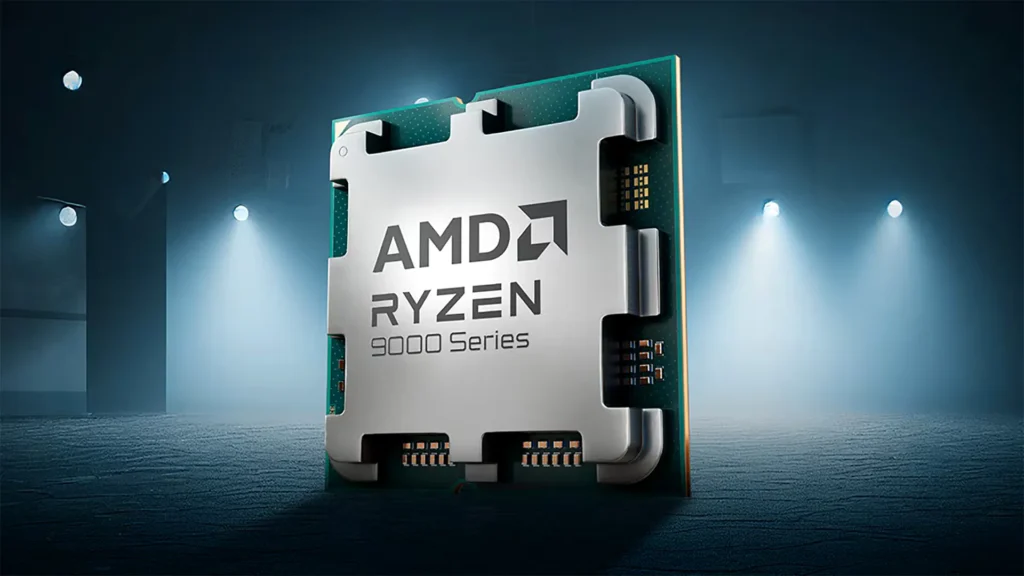
One of AMD’s most compelling arguments for the AM5 platform, and by extension the Ryzen 5 7500F, is its commitment to long-term socket longevity. Following the highly successful six-year lifespan of AM4, AMD has publicly stated that AM5 will be supported through 2027 and beyond. Rumors further suggest that even the Zen 7 generation CPUs will utilize the existing AM5 socket, meaning current AM5 motherboard owners could potentially upgrade through four generations of CPUs (Zen 4, Zen 5, Zen 6, and Zen 7). This strategic decision to defer a new socket (AM6) and DDR6 memory adoption is a direct response to keeping upgrade costs down for consumers, allowing them to leverage their initial AM5 motherboard and DDR5 RAM for many years. This data-backed commitment offers a clear advantage for long-term cost-per-frame optimization.
Strategic Advantage: The DDR6 Delay
AMD’s rumored decision to keep Zen 7 on AM5, delaying the AM6 socket and DDR6 memory, is a calculated move to benefit consumers. By avoiding the initial high costs of a new memory standard, AMD allows builders to invest in DDR5 now with confidence that it will remain viable for several CPU generations, significantly reducing the overall cost of future upgrades. This strategic deferral is a critical factor in AMD’s long-term value proposition for the AM5 platform.
Building Smart: Optimizing Your Budget AM5 Rig with the 7500F
For budget-conscious builders eyeing the Ryzen 5 7500F, strategic component selection is paramount to mitigate the DDR5 cost barrier. While a Micro Center guide highlighted a high-end budget build with an RX 9070 XT and Ryzen 7 7800X3D, our focus is on maximizing value around the 7500F. Prioritizing a cost-effective AM5 motherboard and carefully selected DDR5 RAM is key to achieving a balanced and future-proof system without overspending.
- Motherboard: Look for mainstream B650 chipsets (e.g., ASUS TUF GAMING B650-PLUS WIFI, MSI Pro B650M-P). These offer essential AM5 features without the premium of X670E, often supporting DDR5 speeds over 6000MHz via overclocking. Activating the EXPO Profile 1 is recommended for optimal system boot stability and performance.
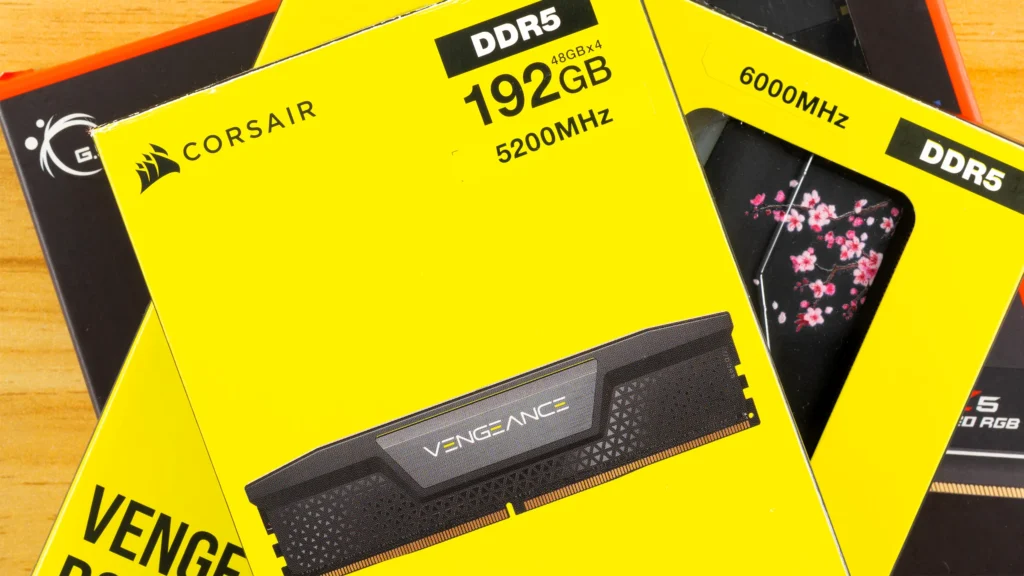
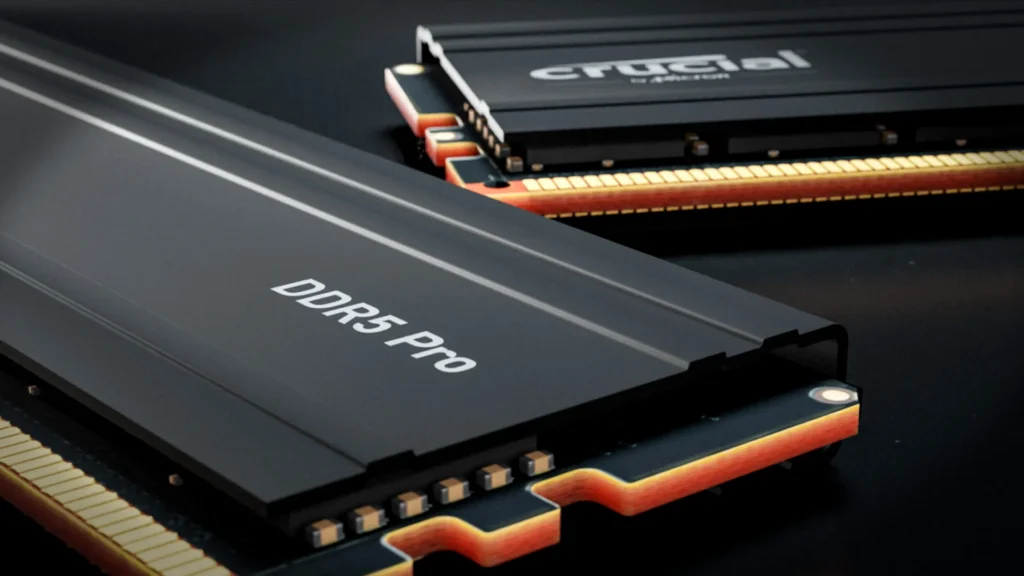
- RAM: While DDR5 is an investment, aim for a 32GB (2x16GB) kit at DDR5-6000 CL30 or CL32. This configuration currently represents the sweet spot for performance and value on AM5, offering noticeable gains without prohibitive costs. Monitor sales closely for deals on reputable brands like G.Skill Flare X5 or Crucial Pro.
- Cooling: The efficient 65W TDP of the 7500F is remarkably manageable. A quality air cooler, such as the Thermalright Peerless Assassin, or a budget 240/360mm AIO (like the Cooler Master MasterLiquid 360L Core RGB mentioned in some builds) will provide ample thermal performance, keeping temperatures well within safe operating limits even under full load.
- Storage: Leverage PCIe 4.0 NVMe SSDs for excellent speed and value. While AM5 supports PCIe 5.0, current PCIe 5.0 SSDs still command a significant premium. A 2TB PCIe 4.0 drive (e.g., Samsung 990 EVO Plus) offers ample, fast storage that will not bottleneck gaming or general system responsiveness.
- Power Supply: A quality 650W-750W 80 Plus Bronze/Gold PSU (e.g., MSI MAG A650BN) will provide ample, stable power for the 7500F and a mid-range GPU. This wattage also offers valuable headroom for future GPU upgrades, ensuring your power delivery system remains viable as you evolve your build.
The 7500F: A Strategic Entry to AM5, But Mind the RAM
The AMD Ryzen 5 7500F stands as a compelling, value-oriented processor, offering a legitimate pathway into the modern Zen 4 architecture and the long-lived AM5 platform for budget-conscious gamers. Its performance-per-dollar is exceptional, and AMD’s commitment to socket longevity provides a reassuring upgrade path, a clear statistical advantage for future-proofing. However, the Achilles’ heel remains the mandatory investment in DDR5 memory. While DDR5 prices are slowly declining, they still represent a significant portion of a budget build’s cost. For those willing to navigate this initial hurdle, the 7500F paired with a sensible B650 motherboard and a well-chosen DDR5 kit offers a powerful, future-proof foundation for years of gaming. It’s not just a budget chip; it’s a strategic investment in AMD’s future, backed by data and designed for enduring value.
Frequently Asked Questions About the Ryzen 5 7500F & AM5 Budget Builds
Is the Ryzen 5 7500F good for gaming?
Yes, the Ryzen 5 7500F is an excellent processor for gaming, especially at its price point. It leverages the Zen 4 architecture to deliver strong performance, often comparable to higher-tier CPUs in gaming benchmarks, making it a great value option for a dedicated gaming PC.
Does the 7500F have integrated graphics?
No, the AMD Ryzen 5 7500F does not include integrated graphics. This is a key reason for its lower price point compared to other Ryzen 7000 series CPUs. You will need a discrete graphics card to use this processor.
Is DDR5 memory still too expensive for a budget AM5 build?
DDR5 memory prices have decreased since its initial launch, but it still represents a significant portion of an AM5 build’s cost compared to DDR4. While it’s an investment, it’s mandatory for AM5, and prices are expected to continue to stabilize. Aim for DDR5-6000 CL30/CL32 for the best balance of performance and value.
How long will the AM5 socket be supported?
AMD has publicly committed to supporting the AM5 socket through at least 2027 and potentially beyond, with rumors suggesting support for up to four generations of CPUs (Zen 4, Zen 5, Zen 6, and Zen 7). This makes AM5 a highly future-proof platform for long-term upgrades.
Should I wait for DDR6 or a new socket?
Based on current roadmaps, DDR6 memory and a new AM6 socket are not expected until the end of this decade or the start of the next. Investing in AM5 now provides a stable, long-term platform with multiple CPU upgrade options before a new socket transition becomes necessary or cost-effective.