Key Takeaways
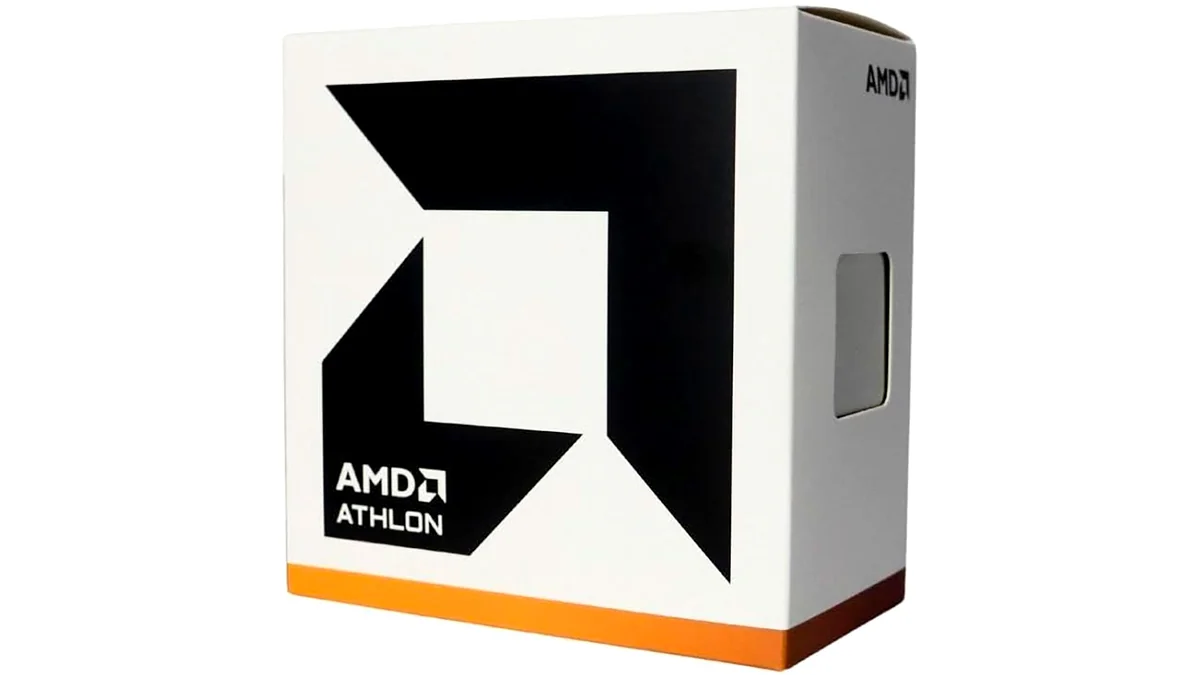
- AMD has surprisingly re-released the six-year-old Athlon 3000G CPU for approximately $40 USD, now bundled with a superior Wraith Stealth cooler and updated packaging, primarily targeting the low-cost component market in regions like Japan.
- The new batch utilizes the cheaper, native dual-core ‘Dali’ die (part number suffix ‘FH’) instead of the original ‘Raven Ridge’ die, resulting in identical performance but significantly lower manufacturing costs for AMD.
- The chip is an excellent, low-TDP option for ultra-budget HTPC, NAS, and media server builds, but serious compatibility issues exist—it is often incompatible with newer AM4 motherboards (B550/A520), intensifying community disappointment over the lack of a modern AM5 entry-level APU.
The Return of the King of Budget AM4
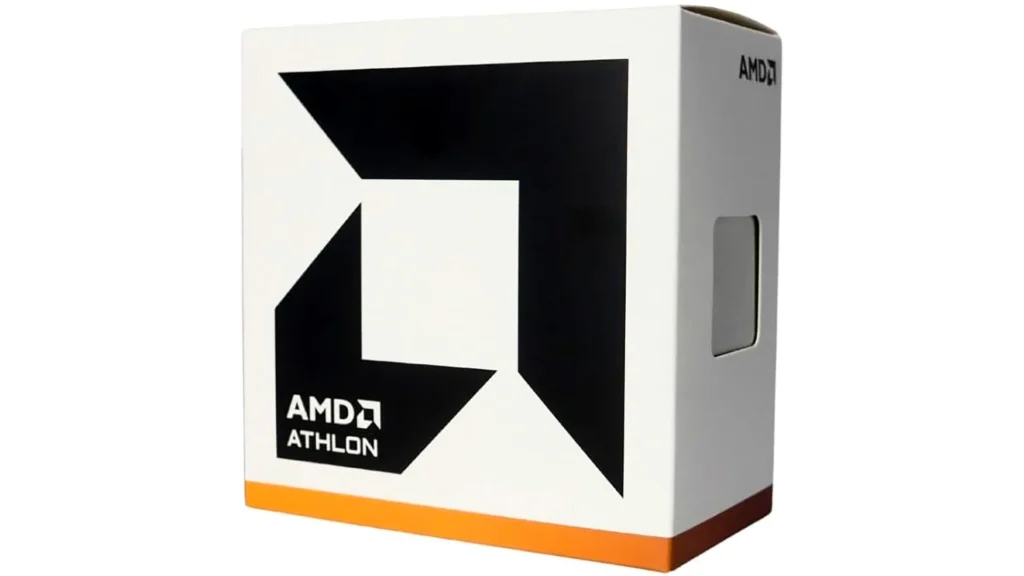
In a move that underscores the enduring, albeit aging, vitality of the AM4 platform, AMD has resurrected the Athlon 3000G. This dual-core, quad-thread Accelerated Processing Unit (APU), originally launched in 2019, is now being sold for roughly $40 USD (around ¥5,790 in targeted markets like Japan). This is not the first time AMD has leveraged older silicon; this latest batch represents the second major re-release since 2023. Crucially, the chip arrives in updated retail packaging and, unlike its original counterpart, is bundled with the much superior Wraith Stealth cooler. This strategic commitment confirms AMD’s calculated decision to continue serving the ultra-budget segment, utilizing legacy hardware to compete against similar low-cost, older-architecture offerings from Intel.
Athlon 3000G (Dali Re-Release) Key Specifications
| Architecture | Zen (Dali Die, 14nm) |
| Cores / Threads | 2 Cores / 4 Threads (Unlocked) |
| Base Clock Speed | 3.5 GHz |
| Integrated Graphics | Radeon Vega 3 (3 CUs, 1.1 GHz) |
| TDP | 35W |
| Platform | AM4 |
| Approximate Price | $40 USD |
The Engineering Secret: Why the ‘Dali’ Die Matters
From a technical standpoint, the most intriguing aspect of this re-release is the silicon itself. The original Athlon 3000G utilized the larger ‘Raven Ridge’ die, which is fundamentally a quad-core chip where two cores were disabled to meet product segmentation requirements. This is a common practice in binning, but it is inherently inefficient. The latest re-released chips, identified by the ‘FH’ suffix in the part number (YD3000C6FHSBX), utilize the ‘Dali’ die. Dali is an offshoot of the 14nm Zen architecture that was engineered from the start as a native dual-core chip. While end-user performance remains functionally identical across both versions, the Dali variant boasts a smaller physical die size, drastically reducing manufacturing costs and improving yield efficiency. For AMD, this is a highly economical and calculated supply chain maneuver: it monetizes older, dedicated dual-core silicon to serve a specific, low-margin segment without sacrificing high-value dies needed for Ryzen production.
Performance Check: Can a 2C/4T Chip Game in 2025?
Athlon 3000G (3000MHz DDR4) General Performance Scores
Source: User Benchmarks (Dec 2023)
The Fandom Paradox: Nostalgia Meets Frustration
AMD is doing anything BUT releasing an Athlon/R3 on AM5. This chip is great for a server, but where is the budget entry point for the modern platform?
The community reaction to the 3000G’s revival is a study in contrasts. On one hand, hardware enthusiasts recognize the enduring utility of this chip. Its extremely low 35W TDP and unlocked multiplier make it perfect for niche, 24/7 applications like Network Attached Storage (NAS), dedicated media servers, or highly power-efficient HTPC builds. The Athlon name still carries a nostalgic weight, often sparking interest in ultra-budget retro or emulation builds. Yet, this positive sentiment is deeply overshadowed by widespread disappointment. This re-release, while strategically sound for AMD’s bottom line, is viewed by many as a distraction—a painful reminder that the company has failed to deliver a truly affordable, modern entry-level APU (a Ryzen 3 or Athlon equivalent) for the flagship AM5 platform. The need for a $100-$150 chip to drive down the AM5 ecosystem entry cost remains urgent, and reviving a six-year-old Zen 1 chip does nothing to solve that fundamental problem.
Pros and Cons
✅ Pros
- Extremely Low Price Point (~$40)
- Very Low 35W TDP (Ideal for 24/7 server use)
- Integrated Vega 3 Graphics (No need for a dedicated GPU)
- Unlocked Multiplier (Overclocking potential)
- Longevity of the AM4 ecosystem
❌ Cons
- Severe Compatibility Issues (Avoid B550/A520 boards)
- Outdated Zen 1 Architecture (Performance bottleneck for modern gaming)
- No Modern AM5 Equivalent (Frustrates budget builders)
- Warranty Voided by Overclocking
A Niche Savior, A Platform Reminder
The Athlon 3000G’s re-release is not a gaming breakthrough, but rather a calculated supply chain maneuver by AMD to efficiently monetize highly optimized, older silicon for highly specific, low-power computing needs. This $40 chip, now featuring the economical Dali die, represents an undeniable bargain for the user building a dedicated HTPC, network storage solution, or low-power retro gaming machine on legacy AM4 hardware. It is a niche savior for specific applications. However, for the wider gaming and enthusiast community looking to embrace the future, this six-year-old CPU serves as a painful, tangible reminder of the gaping hole AMD has yet to fill in the AM5 budget market. Until a modern, affordable Zen 4 or Zen 5 APU arrives, the Athlon 3000G remains the budget king of a platform that should, arguably, be retiring gracefully.