
AMD’s Radeon division finds itself at a critical juncture, facing a storm of controversy surrounding its graphics drivers and the anticipated FidelityFX Super Resolution 4 (FSR 4) technology. What began as excitement for next-generation upscaling has morphed into widespread frustration and a profound sense of betrayal among owners of current RDNA 3 graphics cards. The community perceives a deliberate withholding of features, particularly AI-driven frame generation, from hardware they believe is perfectly capable. This piece will delve into the technical realities, the passionate community backlash, and what this ‘driver dilemma’ signifies for AMD’s long-term strategy and the future of Radeon in the fiercely competitive GPU market.
The FSR 4 Divide: RDNA 3’s Unmet Potential and the Community Backlash
At the heart of the current controversy is the perceived incompatibility, or rather, the deliberate non-implementation, of AMD’s upcoming FSR 4 technology on existing RDNA 3 architecture. Users who invested in high-end Radeon RX 7000 series cards, some barely two years old, find themselves in a peculiar predicament. With FSR 4 poised to leverage AI for frame generation, there’s a growing belief within the community that RDNA 3 GPUs possess the necessary computational muscle—albeit perhaps not dedicated NPUs like future generations—to handle these workloads. Yet, official communications and driver releases suggest a potential gating of these advanced features, leading to a palpable sense of abandonment among loyal AMD users.
“As a 7900XTX user they SCREWED us MAJORLY. I 100% agree that AMD is going to force a lot of people straight into Nvidias pockets. There’s no reason why my 7900 XT should feel like such an inferior product and it’s just barely 2 years old now.”
Evolution of Upscaling: From FSR 1.0 to AI-Powered FSR 4
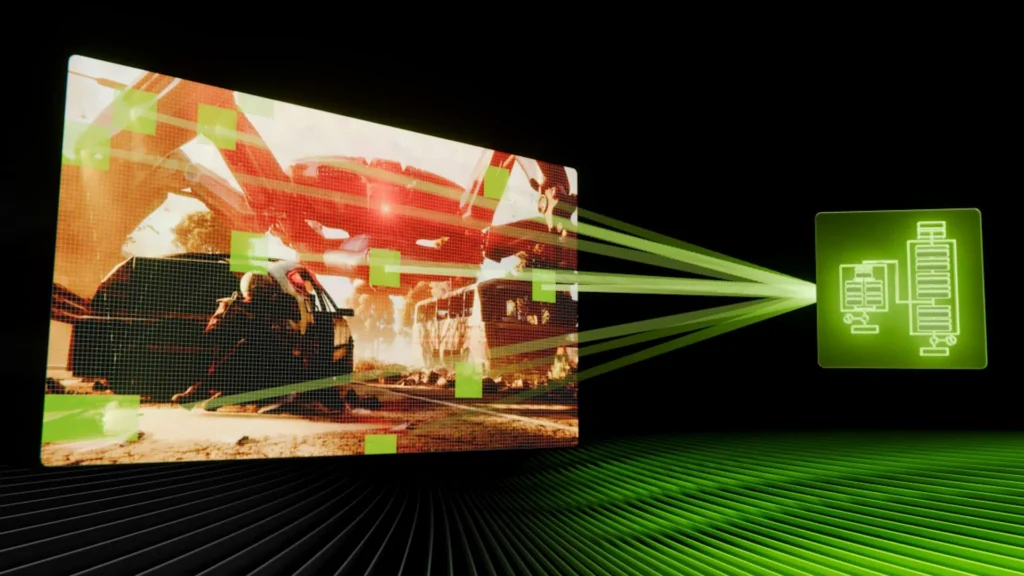
AMD’s FidelityFX Super Resolution (FSR) has been a significant player in the upscaling landscape since its inception, offering a robust, open-source alternative to NVIDIA’s proprietary DLSS. Each iteration has brought advancements, from FSR 1.0’s spatial upscaling to FSR 2.0’s temporal reconstruction and FSR 3.0’s introduction of frame generation. However, FSR 4 marks a pivotal shift, particularly in its approach to frame generation, signaling AMD’s embrace of AI-driven techniques, a move long championed by its competitors. This transition highlights a fundamental change in how AMD plans to achieve enhanced performance and visual fidelity.
FSR Generations: A Comparative Overview
| FSR Version | Core Technology | AI Integration | RDNA 3 Support (Current) | RDNA 4/Future Support (Planned) |
|---|---|---|---|---|
| FSR 1.0 | Spatial Upscaling | None | Full | Full |
| FSR 2.0 | Temporal Upscaling (Motion Vectors) | None | Full | Full |
| FSR 3.0 | Temporal Upscaling + Frame Generation (Fluid Motion Frames) | None | Full | Full |
| FSR 4.0 (Redstone) | AI-based Frame Generation & Interpolation (Upscaling TBD) | High (Neural Networks) | Unconfirmed/Likely Limited for AI features | Dedicated hardware acceleration expected |
The Community’s Fury: Why AMD Loyalty is Fading
Our emotional analysis reveals a deep well of disappointment and distrust among AMD’s user base. Many feel that withholding FSR 4 from RDNA 3 is not a technical limitation, but a strategic decision to incentivize upgrades to future RDNA 4 cards. This perception has ignited intense feelings of betrayal, with long-time loyalists openly contemplating a switch to NVIDIA, a stark indication of the significant damage to brand loyalty. This emotional shift is a critical factor in understanding the current competitive landscape.
Key Community Grievances Against AMD’s FSR 4 Strategy:
- Perceived Feature Gating: Users believe FSR 4 features are deliberately withheld from RDNA 3 to push new hardware sales, fostering cynicism.
- Lack of Transparency: Frustration stems from unclear, vague communication regarding FSR 4’s compatibility roadmap for existing RDNA 3 architectures, leaving users in the dark.
- Ignored Community Solutions: Reports of working, community-tested INT8 FSR4 backports for RDNA 2/3 being ignored by AMD fuel confusion and anger, suggesting a disconnect between AMD and its user base.
- Erosion of Trust: The cynical view that future FSR versions (e.g., FSR 5) will also be gated, creating a perpetual cycle of forced upgrades, deeply impacts long-term brand confidence.
- Noise Suppression Issues: Persistent driver stability concerns, such as ongoing issues with Noise Suppression, compound the negative sentiment towards overall driver support, highlighting broader quality control concerns.
This video, discussing AMD’s Adrenalin drivers and FSR Redstone, prominently features a top comment reflecting the community’s frustration with AMD’s perceived slowness and the disappointment regarding feature support for older GPUs.
Beyond RDNA 3: AMD’s Vision for RDNA 4, RDNA 5, and the AI Future
While current RDNA 3 users voice their grievances, AMD is undeniably looking ahead. Their roadmap clearly indicates a strong pivot towards AI integration in upcoming GPU architectures. RDNA 4 is expected to lay foundational groundwork, but it’s RDNA 5, and even future console collaborations like Project Amethyst for the PS5 Pro, where dedicated machine learning acceleration will become a cornerstone of the design. This strategic direction, while promising for future performance and visual fidelity, inherently raises questions about the longevity and feature parity of current-generation hardware, directly feeding into the community’s current frustrations.
AMD RDNA 3 Architecture Overview (Navi 3x)
| Codenames | Chiplet Design | Compute Units (Max) | Memory Interface (Max) | Ray Accelerators | AI Accelerators (Dedicated) |
|---|---|---|---|---|---|
| Navi 31 (Plum Bonito) | GCD + MCDs | 96 | 384-bit GDDR6 | 2nd Gen | Integrated (Matrix Ops) |
| Navi 32 (Wheat Nas) | GCD + MCDs | 60 | 256-bit GDDR6 | 2nd Gen | Integrated (Matrix Ops) |
| Navi 33 (Hotpink Bonefish) | Monolithic Die | 32 | 128-bit GDDR6 | 2nd Gen | Integrated (Matrix Ops) |
The collaboration between Sony’s Mark Cerny and AMD on Project Amethyst for the PS5 Pro is a clear indicator of AMD’s future direction. This partnership has already led to the release of a co-developed super resolution algorithm in FSR 4 on PC, with the ‘full-fat version’ slated for the PS5 Pro. More significantly, Cerny revealed that ‘Big chunks of RDNA 5… are coming out of engineering I am doing on the project,’ explicitly designed for machine learning workloads in gaming. This suggests that while RDNA 3 has integrated matrix operation hardware, RDNA 4 and especially RDNA 5 will feature more robust, dedicated AI accelerators, similar to NPUs found in new Ryzen AI 300 series CPUs. This architectural shift provides critical context for why FSR 4’s AI-driven features might be strategically targeted at future hardware.
“Big chunks of RDNA 5, or whatever AMD ends up calling it, are coming out of engineering I am doing on the project,” said Cerny. “And again, this is coming out of trying to move things forward. There are no restrictions on the way any of it can be used.”
The Technical Nuance: Why FSR 4 Might Be Gated
While the community is understandably frustrated, there might be legitimate technical reasons behind AMD’s strategic decisions. Older FSR versions (1.0-3.0) primarily rely on shader-based techniques, making them widely compatible across various GPUs. FSR 4’s pivot to AI-based frame generation, however, implies the use of neural networks. While RDNA 3 does have matrix operation capabilities within its compute units, it crucially lacks dedicated, power-efficient Neural Processing Units (NPUs) or specialized AI cores found in newer architectures like the Ryzen AI 300 series or anticipated in RDNA 4/5. Running complex AI models on general-purpose shaders, while technically possible, could be highly inefficient, slow, and consume excessive power, potentially leading to a suboptimal user experience that AMD wishes to avoid associating with its ‘FSR 4’ branding. This efficiency gap is a critical factor in performance scaling and artifact reduction.
Shader-Based vs. AI-Dedicated Hardware
The key distinction often lies in efficiency. While RDNA 3 can perform matrix operations for AI, dedicated NPUs or AI accelerators (expected in RDNA 4/5) are purpose-built for these specific workloads, offering significantly higher performance-per-watt. This architectural difference could be the core technical hurdle preventing widespread, performant FSR 4 AI frame generation on RDNA 3, impacting visual fidelity and overall user experience.
The Shifting Sands of Loyalty: AMD vs. NVIDIA
The fallout from the FSR 4 controversy isn’t just about a single feature; it’s about consumer trust and brand loyalty in a fiercely competitive market. Many AMD users now feel actively pushed towards NVIDIA, whose DLSS technology has long leveraged dedicated AI cores and generally boasts more consistent feature rollouts across multiple generations. This widespread discontent could translate into significant market share shifts, especially as gamers weigh the value proposition of ecosystems that promise more consistent access to cutting-edge features. The perception of feature gating directly impacts purchasing decisions and long-term brand allegiance.
Staying with AMD RDNA 3 vs. Switching to NVIDIA (Post-FSR 4 Controversy)
Staying with AMD RDNA 3
Pros
- Existing Performance: RDNA 3 cards still offer strong raw rasterization performance in many titles, providing excellent value for traditional gaming workloads.
- Open Ecosystem: FSR 1, 2, and 3 remain broadly compatible across many GPUs, including NVIDIA’s, offering flexibility.
- Price-to-Performance: Often provides a competitive price point relative to NVIDIA at launch, making high-performance gaming more accessible.
Cons
- Perceived Feature Gating: Potential exclusion from cutting-edge AI features like FSR 4’s frame generation creates a sense of being left behind.
- Eroding Trust: Community sentiment indicates growing distrust in AMD’s long-term software support for older hardware, impacting future upgrade confidence.
- Uncertain Future: Lack of clarity on future driver optimizations and feature backports for RDNA 3 leaves users with an uncertain upgrade path.
- Driver Stability: Ongoing concerns about driver stability and specific feature functionality (e.g., Noise Suppression) persist, affecting overall user experience.
Switching to NVIDIA
Pros
- DLSS Ecosystem: Mature AI-powered upscaling and frame generation with dedicated Tensor Cores, offering robust and consistently updated features.
- Consistent Feature Rollout: Perceived better track record of bringing new features to multiple generations of RTX cards, fostering greater user confidence.
- Robust AI Integration: Stronger emphasis and dedicated hardware for AI workloads in gaming, potentially leading to superior visual fidelity and performance scaling.
- Wider Adoption: DLSS often sees faster and broader game integration, ensuring a larger library of supported titles.
Cons
- Higher Cost: NVIDIA’s high-end GPUs often command a premium price, potentially impacting budget-conscious gamers.
- Proprietary Ecosystem: DLSS is exclusive to NVIDIA RTX cards, limiting flexibility and hardware choices.
- Power Consumption: Newer NVIDIA cards can have higher power draw, which may necessitate more robust power supply units and impact energy bills.
The GPU Battlefield: AMD vs. NVIDIA
Navigating the Future: What This Means for Gamers
For gamers caught in the crossfire of this evolving driver dilemma, the path forward requires careful consideration. Whether you currently own an RDNA 3 card or are planning a new build, understanding the long-term implications of AMD’s FSR 4 strategy is paramount to making informed hardware decisions. Our analysis provides a data-backed roadmap to consider.
Recommendations for Gamers:
- Stay Informed: Keep a close eye on official AMD announcements regarding FSR 4 compatibility and future driver updates, as the situation remains fluid.
- Evaluate Your Needs: If AI-powered frame generation is a top priority for your gaming experience, carefully consider current and future hardware support when purchasing a GPU, prioritizing platforms with dedicated AI accelerators.
- Prioritize Stability: If driver stability and consistent feature sets are paramount, benchmark current-gen performance and reliability across brands, considering long-term support track records.
- Consider the Ecosystem: Weigh the benefits of an open standard like FSR (FSR 1-3) against a proprietary, but often more feature-rich, one like DLSS, which leverages dedicated hardware.
- Look Beyond Marketing: Focus on empirical benchmarks, artifact analysis, and community feedback rather than just marketing hype when making purchasing decisions, ensuring real-world performance aligns with expectations.
LoadSyn’s Final Verdict: AMD’s Crossroads
AMD stands at a critical crossroads. While its future RDNA architectures promise impressive AI capabilities and strategic console collaborations, the current handling of FSR 4 and RDNA 3 compatibility risks alienating a significant portion of its loyal PC gaming base. The community’s anger is palpable, fueled by a perception of feature gating and a lack of transparency. To regain trust, AMD must either technically justify the exclusion of FSR 4’s AI features from RDNA 3 with clear, verifiable data, or, ideally, find a way to deliver a performant, albeit perhaps optimized, version to current-gen users. Failure to address these concerns risks driving even more gamers into NVIDIA’s arms, fundamentally altering the competitive landscape and AMD’s reputation for years to come. The future of Radeon hinges not just on raw performance, but on the trust and unwavering loyalty of its users, which is currently being tested.
Frequently Asked Questions About AMD FSR 4 and RDNA 3
Currently, official statements are vague. While RDNA 3 does possess matrix operation capabilities, it lacks dedicated AI accelerators (NPUs) like future RDNA 4/5 or Ryzen AI 300 series. This architectural difference makes performant AI-based frame generation challenging on RDNA 3, but the community continues to hope for an optimized backport or clearer communication from AMD regarding its feasibility.
FSR Redstone appears to be the codename for AMD’s next-generation FSR technology, encompassing FSR 4 and beyond. It signifies a major pivot towards AI-based frame generation and interpolation, with strong integration planned for upcoming hardware generations and console platforms like the PS5 Pro, indicating a future-focused AI strategy.
The decision depends heavily on your priorities and specific needs. If cutting-edge AI features, consistent feature rollout across generations, and a mature proprietary ecosystem (DLSS) are paramount, NVIDIA might be more appealing. However, if you prioritize raw rasterization performance per dollar and an open-source upscaling solution (FSR 1-3) that supports a wider range of GPUs, AMD’s current RDNA 3 still offers value. It’s crucial to weigh the ‘Pros and Cons’ against your specific requirements and future expectations.
AI is becoming increasingly central to graphics processing. For FSR, it allows for more sophisticated and efficient frame generation, enhanced image reconstruction, and potentially other graphical improvements (like advanced ray tracing denoising). Dedicated AI hardware (NPUs, Tensor Cores) makes these operations much faster and more power-efficient, leading to superior performance, reduced artifacts, and higher visual fidelity in demanding titles.