
Key Takeaways: The ACPI Time Bomb
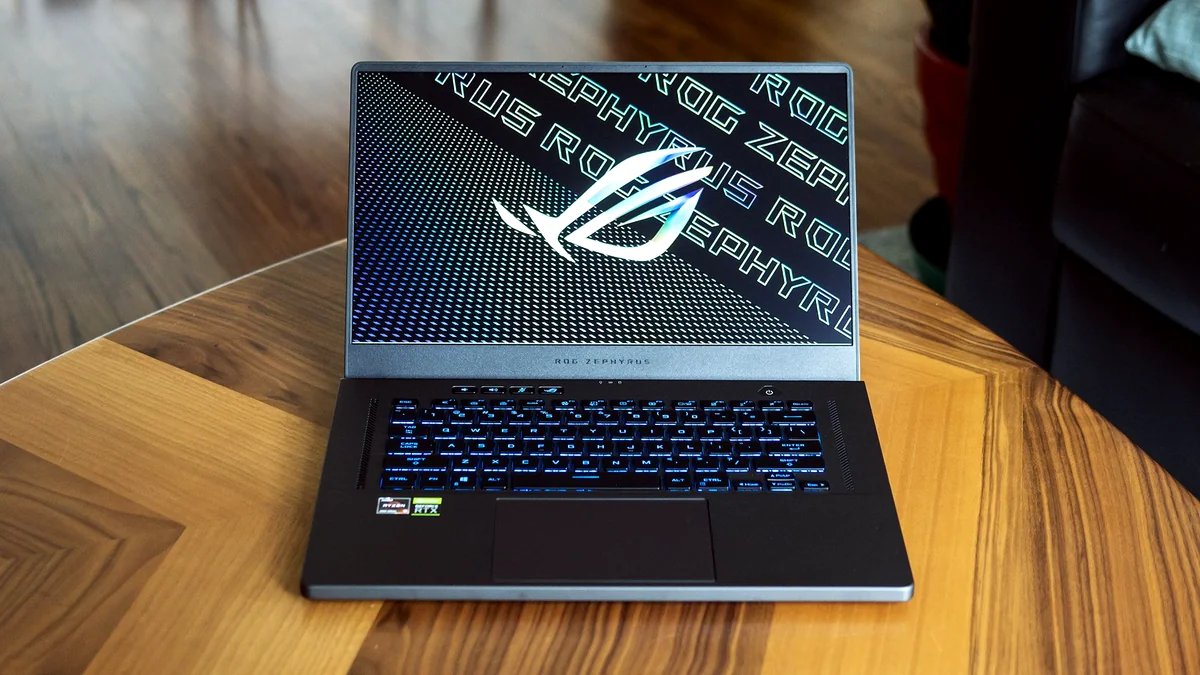
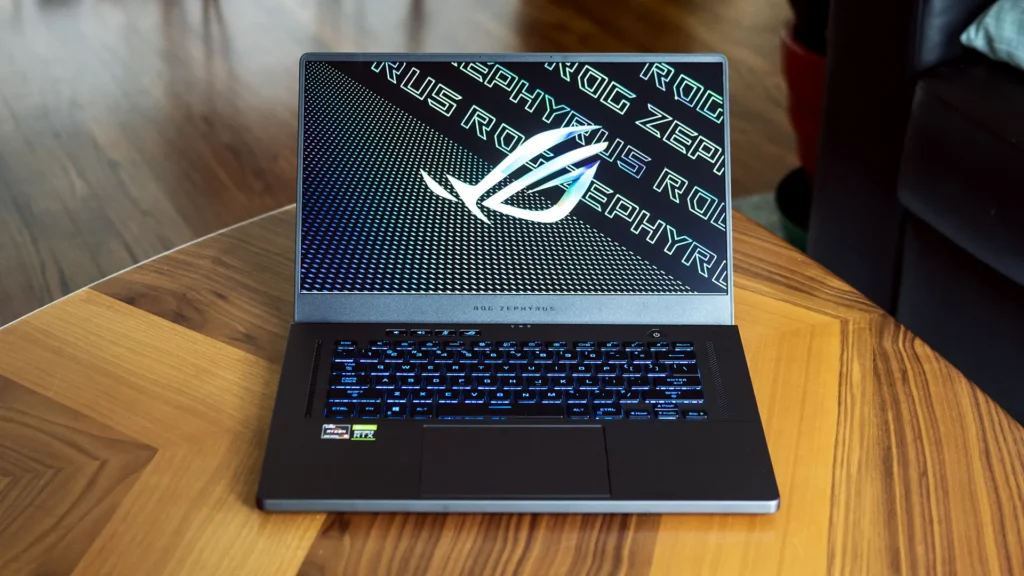
- Widespread stuttering affects numerous high-end ASUS ROG laptops (Strix, Scar, Zephyrus) from 2021-2024, representing a significant failure of premium performance.
- The root cause is a systemic BIOS firmware flaw causing ACPI interrupt storms and improper discrete GPU (dGPU) power cycling.
- This flaw results in high DPC latency spikes (occurring precisely every 30-60 seconds) that bottleneck a single CPU core, causing immediate, system-wide lag and audio disruption.
- ASUS ROG has acknowledged the issue and is rolling out beta BIOS updates, starting with select 2023 models (Scar 15, Zephyrus M16), confirming the community’s diagnosis.
The Systemic Breakdown: What is the ROG Stuttering Issue?
For years, owners of high-end ASUS ROG machines—the premium Strix, Scar, and Zephyrus lines spanning 2021 through 2024—have reported a debilitating, repeatable performance issue. This isn’t the typical FPS drop under heavy load; rather, users experience a predictable, rhythmic stutter, accompanied by audio crackling and brief mouse freezes, often occurring even when the system is idle. This phenomenon has rendered expensive gaming laptops slower than PCs a decade old in terms of real-time responsiveness. The initial, frustrating troubleshooting cycle—updating drivers, purging bloatware, or even reinstalling the OS—consistently failed, leading experts to suspect a deeper, systemic issue rooted not in the operating system or drivers, but in the foundational firmware itself.
Deconstructing the Flaw: Why ACPI.sys is Holding Your CPU Hostage
The definitive diagnosis of this insidious flaw was achieved not by internal ASUS engineers, but by dedicated community investigators, most notably GitHub user Zephkek. Through meticulous analysis of Windows Performance Toolkit traces and LatencyMon logs, the culprit was isolated: extreme, periodic spikes in Deferred Procedure Call (DPC) latency. Crucially, these spikes were overwhelmingly associated with a single system file, ACPI.sys, and disproportionately impacted a single CPU core. Since ACPI.sys is the Windows kernel driver responsible for interpreting the system’s firmware code (ACPI Machine Language or AML), the evidence pointed directly to poorly written, inefficient code within the BIOS itself that was seizing control of the processor at high priority intervals.
Technical Deep Dive: What is DPC Latency?
Deferred Procedure Calls (DPCs) are a high-priority mechanism used by the Windows kernel to handle tasks requested by drivers or the OS firmware. If a DPC routine takes too long to execute, it prevents the CPU from processing real-time tasks, leading to buffer underruns. When DPC latency spikes exceed critical thresholds—typically 500 microseconds (µs)—the system’s ability to handle demanding, time-sensitive operations like competitive gaming or professional audio production collapses. This manifests immediately as severe stutters, frame hitching, and the dreaded audio pop or click, confirming a low-level interaction failure between the firmware, drivers, and the OS scheduler.
“The problematic GPE handler code violates fundamental programming principles by utilizing sleep functions and loops capable of holding a CPU core hostage for potentially seconds at a time, alongside a self-rearming interrupt.”
The Flawed Logic: The Repeating 60-Second Stutter Cycle
The technical breakdown reveals a systemic design flaw in the ROG platform’s power management firmware. The code lacks necessary platform-aware logic, failing to identify whether the discrete GPU (dGPU) is permanently active (e.g., in Ultimate/Mux mode). This causes the firmware to repeatedly trigger the _GPE._L02 interrupt—a high-priority event—every 30 to 60 seconds, regardless of the system state. This cycle forces unnecessary battery status checks and attempts to improperly change the dGPU’s power state, resulting in an interrupt storm. This poorly optimized loop utilizes sleep functions that can hold a single CPU core hostage for an unacceptably long duration, causing the observed, rhythmic system-wide stutter.
DPC/AML Trigger: Firmware (BIOS) incorrectly triggers ACPI GPE handler (_L02) every 30-60s.
Interrupt Storm: ACPI.sys initiates high-priority interrupt to check dGPU power status unnecessarily.
CPU Bottleneck: Poorly optimized firmware code uses sleep/loops, seizing a single CPU core.
System Stutter: DPC latency spikes (1000µs+) cause system-wide lag, audio crackle, and frame drops.
Affected Models and The Official Patch Rollout Status
Confirmed Affected ASUS ROG Laptop Series (2021-2024)
| ROG Series | Affected Years/Models | Technical Symptom | Firmware Fix Status |
|---|---|---|---|
| ROG Strix | G18, Scar 15/17 (2021-2024) | System-wide stuttering, audio crackle | Beta BIOS rolling out (select SKUs) |
| ROG Zephyrus | G14, M16, Duo (2021-2024) | Periodic high DPC latency spikes | Beta BIOS rolling out (select SKUs) |
| ROG TUF Gaming | A14 (Appears Unaffected) | Stable performance, low latency | N/A |
Following extensive community reporting and technical documentation, ASUS ROG North America released an official statement in September 2025, confirming they had isolated the issue. The company immediately began rolling out beta BIOS updates aimed at fixing the systemic stuttering. The initial wave is limited to select 2023 configurations, specifically the ROG Strix Scar 15 (G533ZW) and the Zephyrus M16 (GU604VI). Crucially, ASUS has confirmed that installing these officially released beta BIOS updates will not void the user’s warranty coverage. While a wider rollout for the 2021 and 2022 models is anticipated, users should monitor their specific model’s support page for the finalized firmware expected in the coming weeks.
Early User Feedback on the Beta Fix
Pros (Confirmed Improvements)
- Eliminates the 30-60 second stuttering cycle, restoring system responsiveness.
- Restores smooth frame-time consistency critical for competitive gaming.
Cons (New/Remaining Issues)
- Some users report new thermal/fan throttling issues when dGPU is disabled, particularly in Linux environments.
- Fixes are currently limited to only two 2023 models; wider rollout timeline is vague.
Final Verdict: Performance Restored, But Rollout is Slow
This saga represents a significant moment where a major manufacturer was forced to address a foundational, multi-generational firmware flaw that was meticulously diagnosed and documented by the enthusiast community. The betrayal of performance felt by owners of these premium machines is finally being addressed. While the initial beta fixes confirm the root cause—a catastrophic ACPI logic failure—the rollout is slow and currently limited. Users of affected 2021–2024 ROG models must continue to monitor their specific product support pages. Be aware that early feedback suggests minor thermal anomalies may replace the stutter, a necessary trade-off for restoring low-latency performance. LoadSyn remains committed to tracking the full, global firmware rollout and validating the performance stability of all fixed SKUs.
Frequently Asked Questions (FAQ)
Does this issue affect AMD and Intel ROG models equally?
Yes, reports indicate the issue is linked to the BIOS-level ACPI firmware and dGPU power management logic. Since ACPI code is executed by the firmware interpreter regardless of the CPU vendor, the flaw is systemic across the ROG platform, affecting both AMD and Intel models.
If I install the beta BIOS, will I void my warranty?
No. ASUS ROG North America has explicitly confirmed that installing the officially released beta BIOS updates intended to fix the stuttering will not void your warranty coverage. Users should always download the firmware directly from the official ASUS support page for their specific model.
Why is the TUF Gaming line reportedly unaffected?
Technical analysis suggests the flaw is specific to the complex and often aggressive power management logic utilized in the premium ROG lines (Strix, Scar, Zephyrus). TUF Gaming models, despite sharing some core hardware components, likely use a different, simpler, or less feature-rich power management profile or firmware implementation that avoids the specific interrupt cascade causing the DPC latency spikes.