
The PC hardware market is currently defined by a ‘Budget Paradox.’ While entry-level components like the RTX 3050 are more accessible, the volatility of RAM and SSD pricing—often referred to as ‘RAMaggedon’—is making the $600 target build increasingly difficult to hit. As we look toward the launch of the NVIDIA Blackwell (RTX 50-series) and AMD’s Zen 5 chips, the performance gap between legacy budget hardware and next-gen silicon is widening. Furthermore, Valve’s 2026 Steam Machine looms on the horizon, promising to provide a stable, high-performance alternative to the unpredictable DIY landscape.
The Entry-Level Struggle: Is the $600 Tiny PC Still Real?
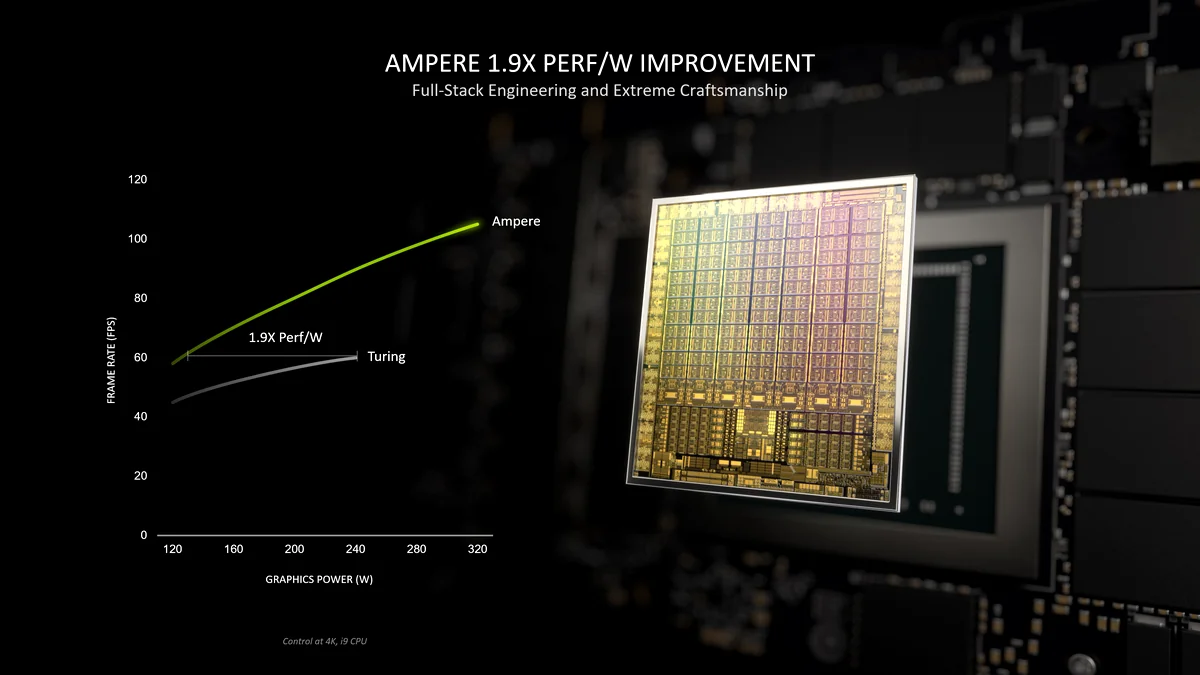
Building a small-form-factor (SFF) PC has always been an exercise in balance, but today’s market makes it a battlefield. The community is feeling a sharp sense of ‘RAMaggedon’ frustration; when 32GB of DDR5 or even high-speed SSDs see sudden price hikes, that $600 budget evaporates instantly. This financial squeeze often forces builders toward the RTX 3050. However, the 3050 ecosystem is a minefield of variants. While the 8GB model offers a respectable 2560 CUDA cores, the 6GB variant drops to 2304 cores and a narrow 96-bit bus. We also see a significant performance gap between these desktop parts and the RTX 3050 Laptop GPU, which can be limited to as little as 35W TGP, making it the slowest entry in the Ampere mobile lineup.
RTX 3050 Ecosystem Disparities
| Variant | Cores (CUDA) | VRAM / Bus | Boost Clock |
|---|---|---|---|
| Desktop 8GB | 2560 | 8GB / 128-bit | 1.78 GHz |
| Desktop 6GB | 2304 | 6GB / 96-bit | 1.47 GHz |
| Laptop GPU | 2048 | 4GB-6GB / 64-96 bit | Varies (35W+) |
Comparing the RTX 3050 ecosystem reveals significant hardware disparities that impact real-world frame times. The Desktop 8GB model remains the gold standard for this tier. In contrast, the newer 6GB Desktop variant is cut down significantly. Understanding these nuances is critical for maintaining the optimal component synergy LoadSyn readers expect.
This benchmark analysis provides a visual baseline for the current $600 SFF market. It highlights the thermal and spatial challenges of ‘Tiny PC’ builds and serves as a reality check for the performance trade-offs required when utilizing entry-level Ampere hardware in a compact chassis.
The Blackwell Horizon: RTX 5070 and the Price of Progress
The upcoming NVIDIA GeForce RTX 5070 represents a significant architectural shift. When compared to the RTX 4070’s 5888 CUDA cores, the 5070 offers a theoretical performance jump of approximately 20-33% in real-world scenarios, though it maintains the same 12GB memory capacity that has drawn criticism from high-resolution enthusiasts.
NVIDIA’s marketing claims that the RTX 5070 can achieve RTX 4090-level performance for $549. However, our lab analysis indicates this relies almost entirely on Multi-Frame Generation (MFG) and DLSS 4’s new vision transformer-based upscaling. While these tools multiply frame rates, they introduce higher input latency and potential visual artifacts. For competitive gamers where every millisecond of responsiveness counts, AI-generated frames are not a substitute for raw rasterization power.
The New King of Silicon: Ryzen 7 9800X3D
Zen 5 Leadership: 9800X3D Specs
The Ryzen 7 9800X3D is the new benchmark leader for gaming CPUs, utilizing the Zen 5 architecture and 2nd Gen 3D V-Cache technology. Compared to previous generations, the 9800X3D offers superior energy efficiency and leadership in 1% low frame rates, though it requires a full transition to the Socket AM5 platform and DDR5-5600 memory.
The Valve Wildcard: Steam Machine 2026
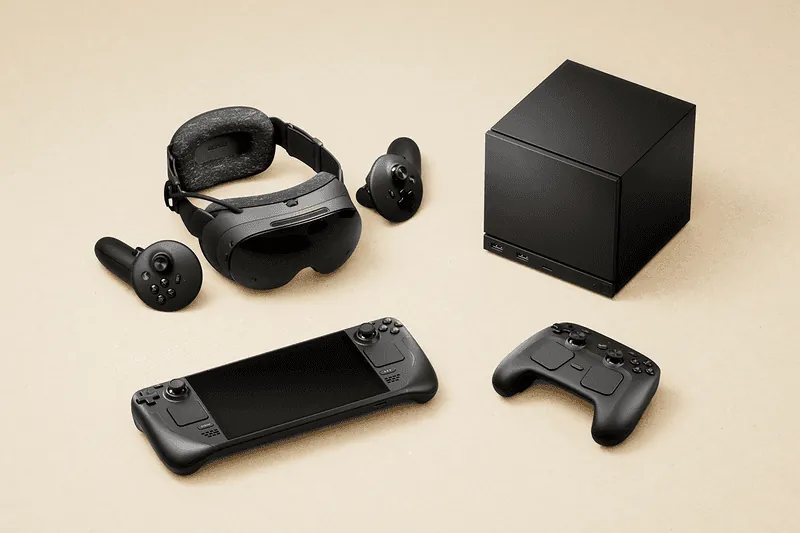
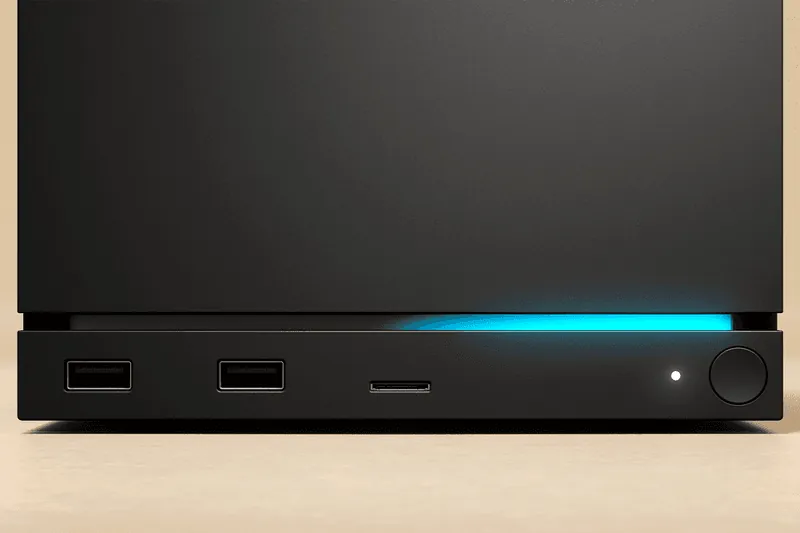
Valve is set to disrupt the SFF market in early 2026 with the new Steam Machine. This 6-inch cube is powered by a semi-custom AMD Zen 4 CPU and RDNA 3 GPU with 28 Compute Units, delivering over six times the horsepower of the Steam Deck. It targets 4K/60fps gaming and includes an updated Steam Controller featuring magnetic TMR technology in the thumbsticks to permanently eliminate ‘stick drift.’
Hardware FAQ
The budget PC market is currently in a difficult ‘holding pattern.’ High component costs and the limitations of legacy hardware like the RTX 3050 make entry-level building a compromise-heavy endeavor. Meanwhile, the high-end is about to undergo a massive shift with Blackwell and Zen 5. My recommendation is clear: either go ‘all-in’ on the AM5/RTX 50-series platform to future-proof your setup, or wait for the 2026 Steam Machine to provide a more balanced price-to-performance ratio in the mid-range. Don’t settle for underpowered silicon during a pricing surge.