
The Filament Revolution: Turning 3D Printing Waste into Gold
The burgeoning world of 3D printing, while a marvel of modern manufacturing, faces an inconvenient truth: waste. Failed prints, support structures, and discarded prototypes contribute significantly to plastic landfill. This looming environmental concern, coupled with the ever-increasing cost of virgin filament, has sparked a grassroots movement: DIY filament recycling. Imagine transforming your discarded plastic refuse into fresh, print-ready spools, closing the loop on your creative process. Projects like ExtrudeX and Felfil Evo have captured the community’s imagination, promising a sustainable and economical future for every maker.
Why Recycle? The Sustainability and Savings Driving DIY Filament
- Cost Efficiency: Transforming cheap plastic pellets or discarded prints into usable filament can drastically cut material costs. Hugh Lyman, an early pioneer, famously noted, ‘I was running out of money paying $40 to $50 for a couple pounds of plastic.’ With DIY extrusion, that equivalent amount can cost just over $5.
- Environmental Impact: Every failed print or empty spool contributes to plastic waste. Home recycling offers a tangible way for individual makers to reduce their carbon footprint and embrace a circular economy within their hobby.
- Material Experimentation: Beyond standard PLA or ABS, DIY extruders open the door to unique material blends, custom color combinations, and exploring novel plastics, fostering unparalleled creative freedom.
Pioneers and Open-Source Solutions: A Brief History of Home Extrusion
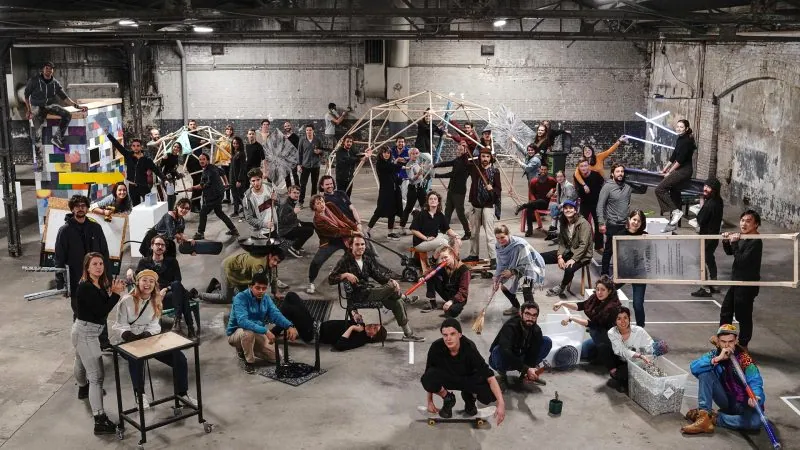
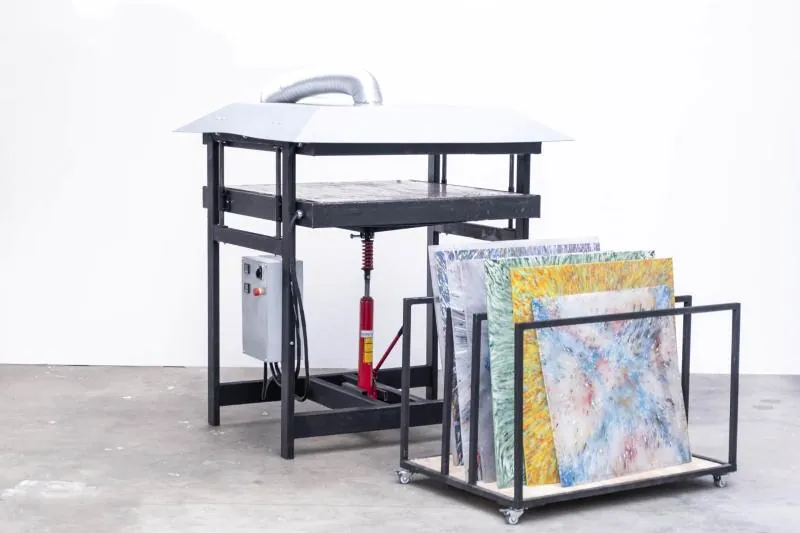
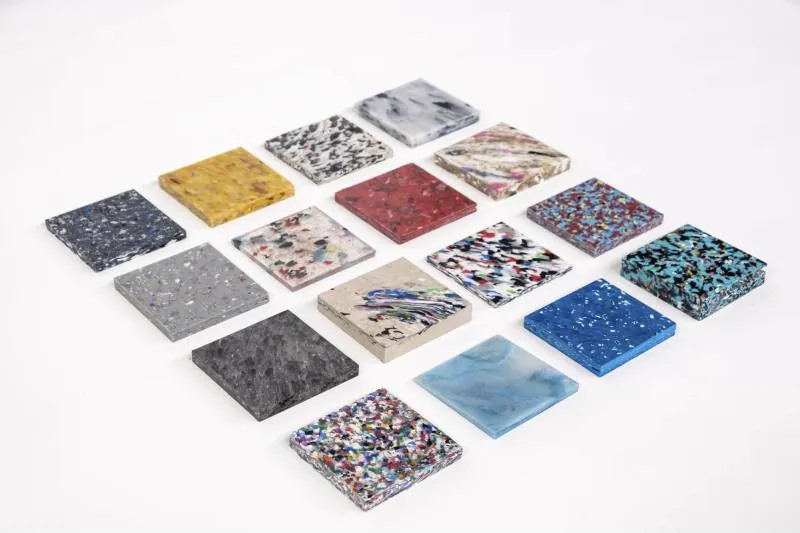
The dream of accessible, affordable filament isn’t new. In 2013, 83-year-old engineer Hugh Lyman won the Desktop Factory Competition with his open-source Lyman Extruder, proving that cost-effective, DIY filament production was possible. This ethos of sharing and community-driven innovation was further amplified by projects like Precious Plastic. Founded by Dave Hakkens in 2013, Precious Plastic evolved into a global open-hardware initiative, providing free plans and tools for small-scale plastic recycling, turning waste into a valuable resource.
“Plastic is a precious and valuable material. It’s just been kind of designed, used and marketed in the wrong way, in our view,” says Joseph Klatt, business guy with Precious Plastic. “So what we try to do is change the way that people and society view plastic from being something that’s cheap and disposable to something that is precious and valuable.”
Deconstructing the DIY Extruder: How Home Systems Work
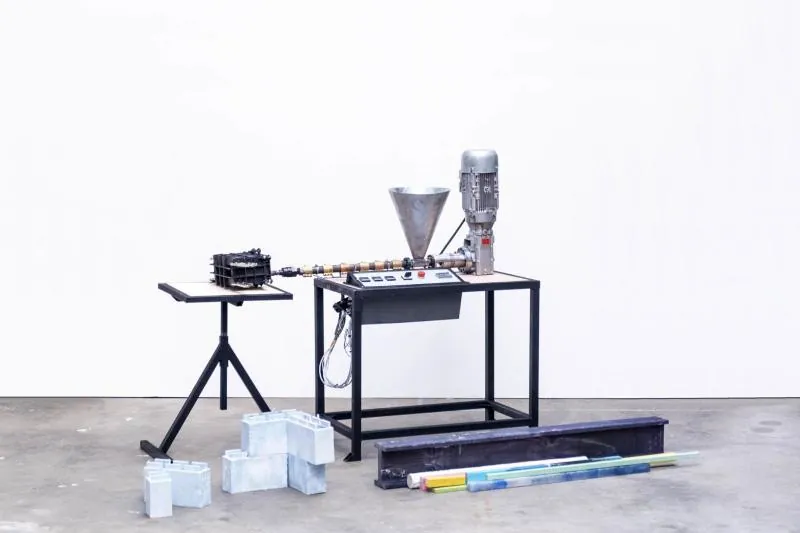
At its core, a home filament extruder mimics industrial processes on a smaller scale. Plastic pellets or pre-shredded waste are fed into a hopper. From there, a rotating screw (often driven by a DC motor) pushes the plastic through a heated barrel. Precise temperature controllers ensure the plastic melts consistently. As the molten plastic reaches the end of the barrel, it’s forced through a tiny, precisely machined nozzle, forming a continuous strand. Immediately after exiting the nozzle, cooling fans solidify the filament, while a puller mechanism (often a set of wheels) draws the filament at a controlled speed, crucial for achieving the desired diameter (e.g., 1.75mm or 2.85mm). The ExtrudeX, for example, is a popular 3D-printable design estimated to cost between $180-$250 for hardware components, offering an accessible entry point into home filament production.
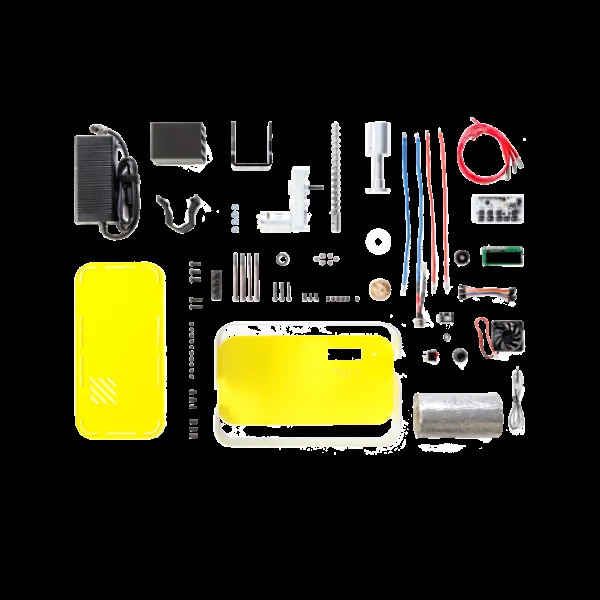
Key Specifications: ExtrudeX (DIY Blueprint)
| Feature | Detail |
|---|---|
| Primary Output | 1.75mm / 2.85mm 3D printer filament |
| Mechanism | Hopper, churning barrel, heating element, nozzle, puller, cooling fan |
| Hardware Required | DC motor, temperature controller, puller, heater cartridge |
| Estimated DIY Cost | $180 – $250 (excluding waste grinder) |
| Recommended Pellet Ratio | 60% virgin plastic / 40% pre-ground waste |
| Output Format | STL files (blueprints) via Kickstarter (not a physical product) |
| Noteworthy Requirement | Pre-grinding of plastic waste is essential |
- Collect & Sort: The first and most critical step. Gather your plastic waste (failed prints, support material, old plastic bottles). Crucially, plastics must be sorted by type (e.g., PLA with PLA, PET with PET) as mixing different plastics will result in unusable filament.
- Shred/Grind: Reduce the sorted plastic into small, uniform pellets or flakes. This step is often overlooked in its complexity; consistent particle size is vital for smooth extrusion. A dedicated plastic grinder is usually required.
- Dry: Ensure your plastic feedstock is completely dry. Moisture can cause bubbling, weak spots, and degradation during the heating process, leading to brittle filament.
- Mix (Optional): For optimal consistency and strength, many DIY extruders recommend mixing shredded waste with a percentage of virgin plastic pellets (e.g., 60% virgin / 40% waste). Colorants can also be added at this stage.
- Extrude: Feed the prepared plastic into your extruder’s hopper. The machine’s heating elements melt the plastic, and the screw mechanism pushes it through a heated nozzle.
- Cool & Pull: As the molten plastic exits the nozzle, it’s rapidly cooled by strategically placed fans. Simultaneously, a puller mechanism draws the filament, maintaining a consistent diameter and roundness (e.g., 1.75mm or 2.85mm). This is arguably the most challenging step to perfect at home.
- Spool: The cooled and sized filament is then automatically or manually wound onto a spool, making it ready for use in your 3D printer.
The Reality Check: Debunking the Hype and Addressing Community Skepticism
The 3D printing community expresses significant skepticism regarding the consistency, practicality, and safety of home-based filament recycling. Achieving precise filament diameter and avoiding microplastic contamination are major hurdles.
While the promise of endless, free filament is alluring, the reality of DIY extrusion is often far more complex than glossy YouTube videos suggest. Our ‘Fandom Pulse’ analysis reveals a strong current of skepticism within the 3D printing community. Many question the actual feasibility of producing usable filament at home, citing a range of practical and technical hurdles. The most prominent concerns revolve around the consistency of the extruded filament, the intensive pre-processing required, and the often-unaddressed safety implications.
A representative comment from the community echoes widespread doubt: “This video is fake. What is shown as a pellet extruder for making 1.75 mm filament is not an extruder at all, but a plastic mold filling heater. It cannot work in this way because the filament coming out must be properly cooled and controlled.” Another user sarcastically noted, “Bro woke up and thought, ‘not enough microplastics in the world’.” These sentiments highlight deep-seated concerns about both the process’s authenticity and its potential negative consequences.
A popular YouTube video demonstrating DIY filament extrusion, often subject to community scrutiny regarding process authenticity and filament quality.
DIY Filament Extrusion: The Upsides and Downsides
Pros
- Sustainability: Significantly reduces plastic waste from failed prints.
- Cost Savings: Potentially cuts filament costs by a large margin.
- Customization: Allows for unique material blends and custom colors.
- Educational Value: Hands-on learning in material science.
Cons
- Consistency Challenges: Difficult to maintain precise diameter.
- Pre-Processing Labor: Requires significant manual effort and grinders.
- Material Purity: Mixing plastic types severely degrades quality.
- Structural Integrity: Recycled filament may have reduced strength.
- Health Concerns: Generation of microplastics and harmful fumes.
The Quest for Consistency: Diameter, Roundness, and Material Purity
The Achilles’ heel of DIY filament extrusion is consistency. For a 3D printer to perform optimally, filament must have an incredibly precise diameter (typically 1.75mm or 2.85mm) with minimal deviation (e.g., +/- 0.05mm) and near-perfect roundness. Even slight variations lead to under-extrusion (gaps, weak layers) or over-extrusion (blobs, clogs). Achieving this at home is a monumental task, requiring:
- Precise Temperature Control: Maintaining a uniform melt temperature throughout the barrel and nozzle.
- Stable Pulling Speed: The puller must draw the filament at a constant rate, unaffected by minor material fluctuations.
- Effective Cooling: Rapid, even cooling immediately after extrusion is vital to set the filament’s shape before deformation.
- Advanced Sensing: Commercial solutions like the 3devo Filament Maker TWO employ multi-axis high-speed camera systems to scan filament diameter and roundness 25 times per second, making real-time, minute adjustments to the puller speed. This level of precision is virtually impossible to replicate with budget DIY setups, explaining much of the community’s skepticism regarding consistent, print-ready output.
Beyond the Spool: The Larger Vision of Plastic Recycling and 3D Printing
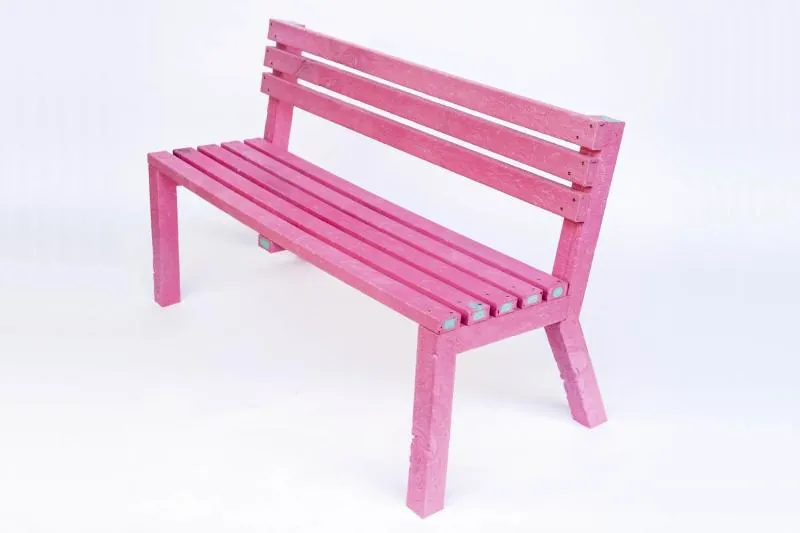
Beyond the individual spools of filament, the movement to recycle plastics for 3D printing taps into a much larger vision of sustainability and community empowerment. Initiatives like Precious Plastic are not just about making filament; they’re about building local recycling ecosystems, creating jobs, and transforming how society views plastic waste. By providing open-source blueprints for shredders, extruders, and sheet presses, they enable communities worldwide to convert local plastic pollution into valuable products, from furniture to construction materials. This shift in perspective, from ‘trash’ to ‘resource,’ holds immense potential for grassroots impact, fostering innovation and self-sufficiency on a global scale.
Is DIY Filament Recycling Worth the Effort?
For the dedicated hobbyist, educator, or small-scale innovator, DIY filament recycling offers an unparalleled learning experience, significant potential for cost savings, and a strong sense of environmental contribution. It’s a journey into material science and mechanical engineering that is deeply rewarding. However, it demands a substantial investment in time, additional equipment (especially for effective plastic grinding), and a high tolerance for troubleshooting to achieve consistent, print-ready filament. The precision required for flawless 3D prints often means a steep learning curve and imperfect results with entry-level setups. For those seeking professional-grade, reliable filament without the extensive setup, calibration, and potential safety concerns, commercially produced options remain the more practical and consistent choice. Ultimately, the journey from waste to warp-free spool is a testament to the DIY spirit, pushing the boundaries of what’s possible in sustainable 3D printing, but it’s a path best suited for those ready to embrace its complexities.
Frequently Asked Questions
Is home 3D printing filament recycling truly effective?
While technically possible, achieving consistent, print-quality filament at home is highly challenging due to issues with diameter tolerance, material purity, and the need for specialized grinding and cooling equipment. Many community members express skepticism about the practicality for consistent results for everyday printing.
What is the biggest challenge in making your own filament?
The most significant challenge is maintaining a consistent filament diameter (e.g., 1.75mm +/- 0.05mm) and roundness. Without precise control over heating, extrusion speed, and cooling, variations can lead to frequent 3D print failures. Pre-grinding waste into uniform pellets is also a major, often underestimated, hurdle.
Are there health or environmental risks associated with home plastic recycling?
Yes, processing waste plastics (especially melting) can generate microplastics and potentially release harmful fumes. Adequate ventilation (e.g., in a well-ventilated workshop) and proper handling of materials are crucial to mitigate health and environmental safety risks. The long-term effects of printing with inconsistently recycled filament on indoor air quality are also a concern.
Can I use 100% recycled plastic for filament?
It’s often recommended to use a blend, such as 60% virgin plastic pellets and 40% pre-ground waste, to improve consistency, mechanical properties, and overall printability. 100% waste plastic can be more difficult to extrude consistently due to varied degradation levels and may result in weaker, more brittle, or less predictable prints.
What are projects like Precious Plastic doing to help?
Precious Plastic is a global open-source initiative that provides free blueprints and knowledge for various plastic recycling machines (shredders, extruders, sheet presses). Their goal is to empower communities worldwide to set up local recycling workspaces, foster a circular economy, and change the perception of plastic waste as a valuable resource.
Your Filament Forger’s Cheat Sheet
- The ‘Why’ is Strong: Driven by sustainability and cost savings.
- It’s Technically Feasible: Blueprints like ExtrudeX make it accessible.
- But It’s *Hard*: Achieving consistent 1.75mm diameter is a major challenge.
- Community Skepticism: Concerns over authenticity, grinding, and safety are real.
- Pre-processing is Key: Sorting, shredding, and drying are non-negotiable.
- Consider Your Goal: Best for learning; commercial filament is still better for production.