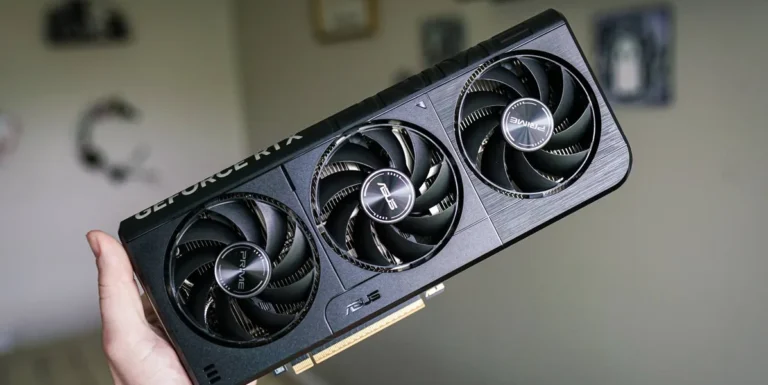
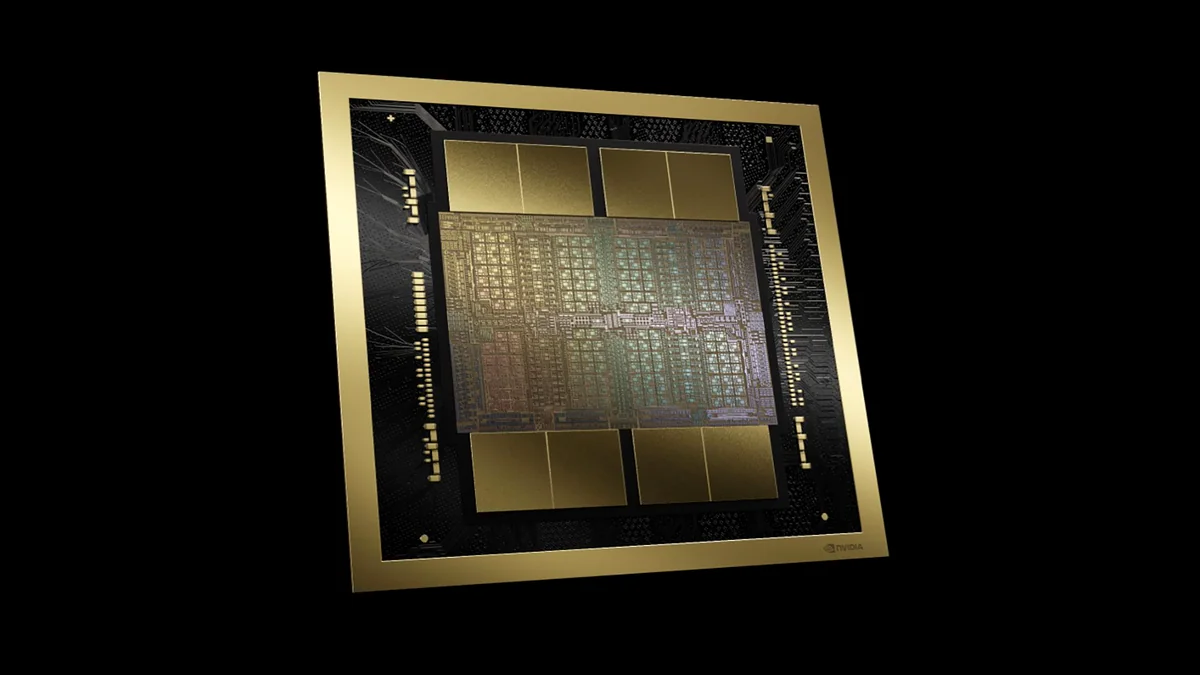

- NVIDIA’s RTX 50 Series initially launched without 32-bit CUDA support, severely impacting PhysX performance in classic titles.
- Driver 591.44, released in December 2025, restored GPU-accelerated PhysX for a curated list of nine popular games on RTX 50 GPUs.
- While the new driver significantly improves performance in previously CPU-bound scenarios, it may not consistently match the raw output of RTX 40 Series cards or dedicated PhysX setups.
- The community’s reaction is a complex blend of relief over the fix and skepticism regarding NVIDIA’s initial decision to remove the support and the targeted nature of its reversal.
- This incident, though largely resolved, underscores the inherent fragility of maintaining legacy game compatibility on rapidly evolving modern hardware.
The Unexpected Return of PhysX on NVIDIA’s RTX 50 Series
PhysX, NVIDIA’s proprietary physics engine, was once a hallmark of immersive PC gaming, bringing dynamic cloth, realistic smoke, and interactive debris to titles like the Batman: Arkham series and Borderlands. For years, its relevance waned as game development shifted to more universal physics solutions. However, a recent development has thrust PhysX back into the spotlight: its unexpected and somewhat controversial re-enablement on NVIDIA’s cutting-edge GeForce RTX 50 Series GPUs. This isn’t just a technical update; it’s a narrative that intertwines hardware evolution, community outcry, and the enduring debate around backward compatibility in PC gaming. What began as a major technical regression for enthusiasts has now evolved into a testament to the power of player feedback.
The Blackwell Blunder: When 32-bit Support Vanished
The story of PhysX’s recent return begins with its unexpected departure. When NVIDIA launched its GeForce RTX 50 Series GPUs, powered by the Blackwell architecture, in early 2025, a significant architectural shift occurred: the phasing out of 32-bit support for CUDA applications. Since many beloved PhysX-accelerated games from the past relied on 32-bit CUDA libraries for their GPU-driven physics effects, this decision effectively rendered hardware-accelerated PhysX inoperative on the new Blackwell architecture. Instead, these demanding physics calculations were shunted back to the CPU, leading to severe performance bottlenecks and a noticeable degradation in visual fidelity. Iconic effects—like the intricate cape physics in Batman: Arkham City or the volumetric smoke in Metro 2033—either disappeared or caused crippling frame rate drops, leaving early RTX 50 adopters frustrated.
“The community feels resentful that Nvidia fixed a self-inflicted technical regression, but simultaneously relieved that they won’t need to maintain legacy hardware or suffer feature loss on new GPUs.”
The Driver Fix: NVIDIA’s Targeted Approach to PhysX Restoration
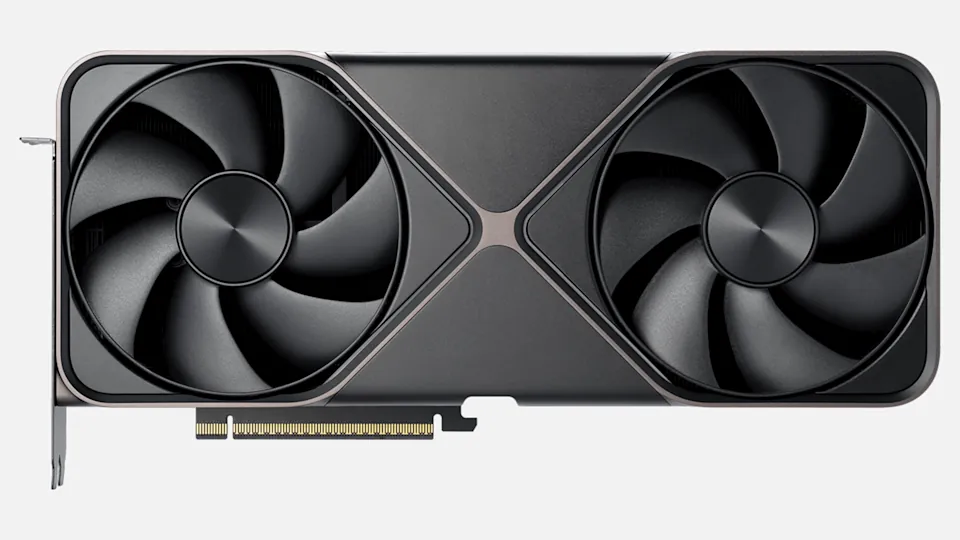
Recognizing the widespread community feedback and the significant impact on cherished titles, NVIDIA released GeForce Game Ready Driver 591.44 on December 4, 2025. This driver update was a crucial step, adding ‘custom support’ for a selection of ‘top-played’ 32-bit GPU-accelerated PhysX games on RTX 50 Series GPUs. Instead of a wholesale re-implementation of 32-bit CUDA, NVIDIA appears to have opted for a more targeted approach, likely involving manual translation or emulation of 32-bit libraries to 64-bit on a per-game basis. This meticulous effort aims to restore full PhysX performance, bringing the RTX 50 Series in line with prior-generation GPUs for these specific titles.
- Alice: Madness Returns
- Assassin’s Creed IV: Black Flag
- Batman: Arkham City
- Batman: Arkham Origins
- Borderlands 2
- Mafia II
- Metro 2033
- Metro: Last Light
- Mirror’s Edge
NVIDIA has also confirmed that support for Batman: Arkham Asylum, another fan-favorite, is planned for addition in early 2026, indicating an ongoing commitment to expanding this curated list.
Unpacking Performance: RTX 50 Series PhysX Benchmarks
To truly understand the impact of NVIDIA’s driver update, we must look at the numbers. Initial reports and our analysis of third-party testing (from PC Gamer) reveal a stark contrast in performance, particularly in games with heavy PhysX integration like the Batman: Arkham series. Prior to the 591.44 driver, enabling PhysX on an RTX 50 Series GPU meant a significant CPU bottleneck, often leading to unplayable framerates. Disabling PhysX, however, came at a steep visual cost, stripping away many of the environmental details and effects that made these games so immersive.
Batman: Arkham City – PhysX Performance Comparison (Driver 581.29 – Pre-Fix)
| GPU/Configuration | PhysX Setting | Average FPS | 1% Low FPS |
|---|---|---|---|
| RTX 5080 | High (CPU-bound) | 84 | 41 |
| RTX 5080 | Off | 216 | 165 |
| RTX 4080 Super | High (GPU-accelerated) | 118 | 81 |
| RTX 4080 Super | Off | 153 | 118 |
The data above clearly illustrates the challenge faced by early RTX 50 Series users. While turning PhysX off yielded high frame rates, it came at the expense of the game’s intended visual richness. The RTX 4080 Super, with its existing 32-bit CUDA support, maintained a far superior experience with PhysX enabled.
Batman: Arkham City – Driver 591.44 Impact & Dedicated PhysX Performance (PhysX High)
The chart highlights the significant improvement brought by driver 591.44, boosting the RTX 5080’s average FPS by 14.29% and dramatically improving 1% lows from 41 FPS to 71 FPS in Batman: Arkham City. This translates to a much smoother and more enjoyable experience. However, it’s also clear that even with the driver fix, the RTX 5080 doesn’t quite reach the raw performance of an RTX 4080 Super in this specific title. Interestingly, combining an RTX 5080 with a dedicated (older) RTX 4080 Super for PhysX processing still yields the highest average framerates, suggesting that a dedicated hardware solution remains the optimal path for uncompromised legacy PhysX performance.
Beyond PhysX: The Broader Battle for Backward Compatibility
The PhysX saga on the RTX 50 Series is more than just a driver fix; it’s a microcosm of a persistent tension in the PC gaming ecosystem: the push for technological advancement versus the desire for robust backward compatibility. As hardware evolves and software paradigms shift (like the move from 32-bit to 64-bit architectures), older technologies often get left behind. While this progress is necessary, it frequently alienates a passionate segment of the gaming community dedicated to preserving and enjoying classic titles with their intended features. NVIDIA’s reversal, even if targeted, signals an acknowledgment of this community value, demonstrating that sometimes, the ‘new’ isn’t always better if it means sacrificing the ‘old’ without a clear migration path.
NVIDIA’s PhysX Restoration: Pros and Cons
Pros
- Restores GPU-accelerated PhysX for beloved classic games on modern RTX 50 Series GPUs.
- Demonstrates NVIDIA’s responsiveness to significant community feedback.
- Eliminates the need for maintaining dedicated older GPUs solely for PhysX processing in supported titles.
- Preserves visual fidelity and intended game experience for a growing list of titles.
Cons
- Initial removal of 32-bit CUDA support caused widespread frustration and performance issues.
- The fix is a ‘custom support’ for specific games, not a universal re-implementation for all 32-bit PhysX titles.
- Performance, while improved, may not always reach parity with prior-generation GPUs or dedicated PhysX setups.
- Highlights the inherent risk and potential fragility of relying on proprietary, non-backward-compatible gaming technologies.
Community Echoes: Relief, Skepticism, and Nostalgia
The gaming community’s reaction to the PhysX restoration is a complex tapestry of emotions. There’s undeniable relief that cherished games can once again be played with their full visual and physics effects on cutting-edge hardware. However, this relief is often tempered with a healthy dose of skepticism. Many view it as a ‘fix’ for a problem NVIDIA itself created by deprecating 32-bit CUDA. There’s also lingering doubt about the extent of future support and whether this is a genuine commitment to legacy or merely a targeted workaround to placate the most vocal segments of the fanbase. Yet, beneath the cynicism, a strong current of nostalgia runs, as gamers recall the unique immersion PhysX once offered, solidifying its place as a feature worth fighting for.
“So the title is clickbait. They arent RESTORING…that implies native and works on everything. They have implemented a manual WORKAROUND that only works on games they did work on.”
Frequently Asked Questions
Final Verdict
NVIDIA’s decision to restore PhysX support on its RTX 50 Series GPUs, while initially a necessary correction for a self-imposed limitation, ultimately represents a crucial win for PC gaming preservation. The driver 591.44 significantly enhances the experience of beloved classics, rescuing them from the performance purgatory of CPU-bound physics. While not a universal solution for all 32-bit PhysX titles, and with some performance nuances compared to older hardware or dedicated setups, it demonstrates a commendable responsiveness to community demands. This ‘PhysX Paradox’ serves as a potent reminder: raw power is only one part of the equation. True gaming advancement also lies in respecting and nurturing the rich history of our digital worlds. For RTX 50 Series owners, the return of PhysX means rediscovering the detailed, dynamic environments that once defined these iconic games.