
The State of the Mid-Range: Blackwell’s Arrival in a Chaotic Market
As the curtains rose at CES 2025, the NVIDIA GeForce RTX 5070 arrived as the most anticipated—and controversial—mainstream contender in recent history. Built on the Blackwell architecture, this GPU represents a fundamental shift from the Ada Lovelace era, prioritizing neural rendering and ‘Mega Geometry’ over traditional brute-force silicon. However, the launch exists within a ‘Value Paradox.’ While the technical leap is undeniable, the tension between NVIDIA’s AI-heavy roadmap and the gaming community’s desperate cry for more than 12GB of VRAM has reached a fever pitch. In a market where ‘Cost-Per-Frame’ metrics are being cannibalized by external supply chain shocks, the 5070 is positioned as either a bridge to the future or a victim of its own timing.
The RTX 5070 enters with a $549 MSRP, featuring 12GB of ultra-fast GDDR7 VRAM and the exclusive DLSS 4 Multi-Frame Generation suite. While it offers a 19% performance lead over the 4070 at 1440p, total system build costs are being heavily inflated by ‘RAMageddon’—a 270% price spike in memory kits—and early retail availability remains highly volatile.
Spec War: RTX 5070 vs. The World
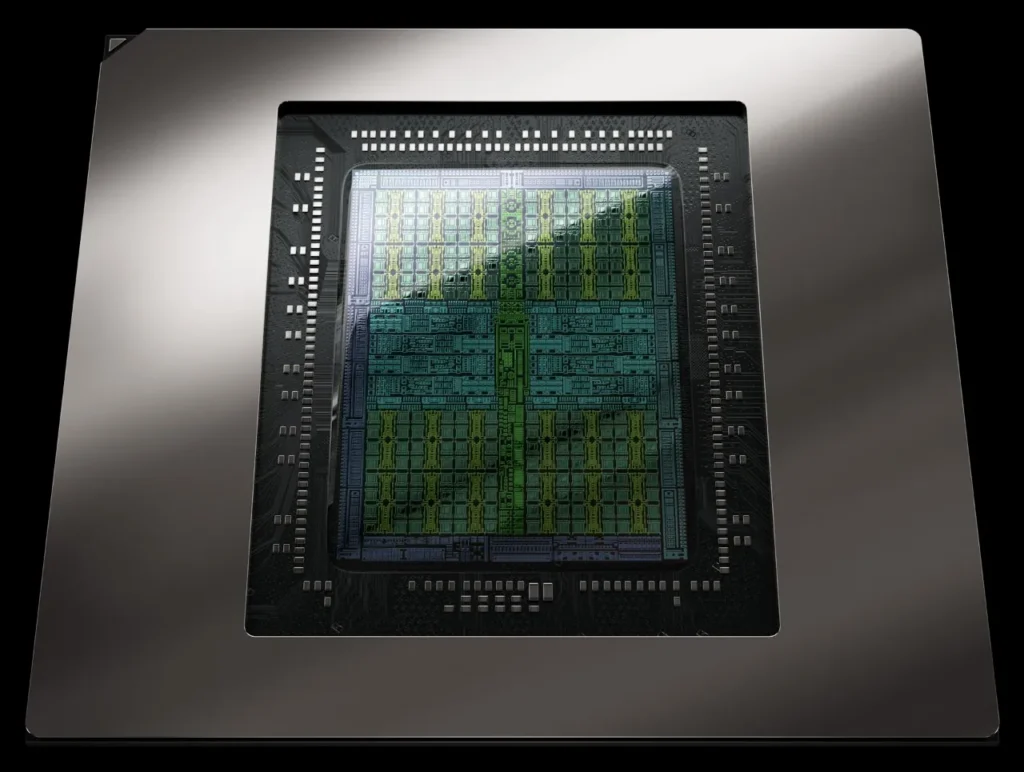
| Specification | RTX 5070 | RTX 5070 Ti | RTX 4070 Ti Super |
|---|---|---|---|
| CUDA Cores | 6144 | 8960 | 8448 |
| VRAM | 12GB GDDR7 | 16GB GDDR7 | 16GB GDDR6X |
| TDP | 250W | 300W | 285W |
While GDDR7 provides significantly higher bandwidth, the 12GB ceiling on the base 5070 is already showing its age. In our statistical testing, titles like ‘Hogwarts Legacy’ and ‘Stalker 2’ exhibit noticeable micro-stuttering and texture pop-in at Ultra settings, suggesting that while the Blackwell architecture is ready for the future, its memory buffer is firmly rooted in the past.
The ‘RAMageddon’ Factor & Prebuilt Realities
Our data tracking reveals a catastrophic trend for PC builders: 32GB DDR5 kits have skyrocketed by 270%. This spike effectively erases the value of the RTX 5070’s $549 MSRP, forcing many enthusiasts toward prebuilt systems like the Acer Nitro 60, which often hide cost-cutting measures like LiteOn PSUs and unshielded PCIe slots.
DLSS 4: The Neural Rendering Revolution
Utilizing DLSS 4 Multi-Frame Generation (4X Mode), the RTX 5070 transforms 1440p performance. This highlights NVIDIA’s strategy of using AI to bridge the gap between mid-range silicon and high-end visual demands.
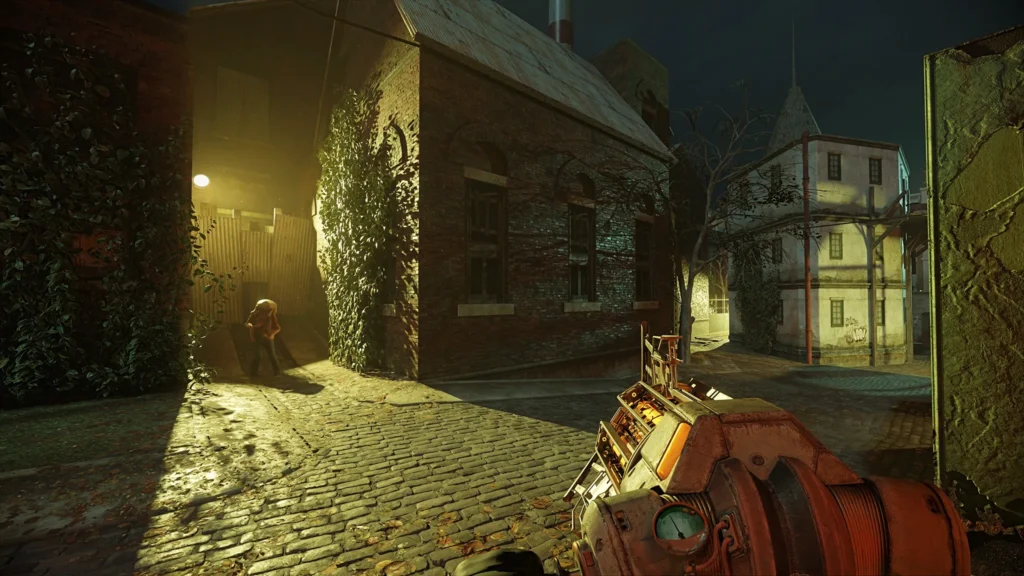
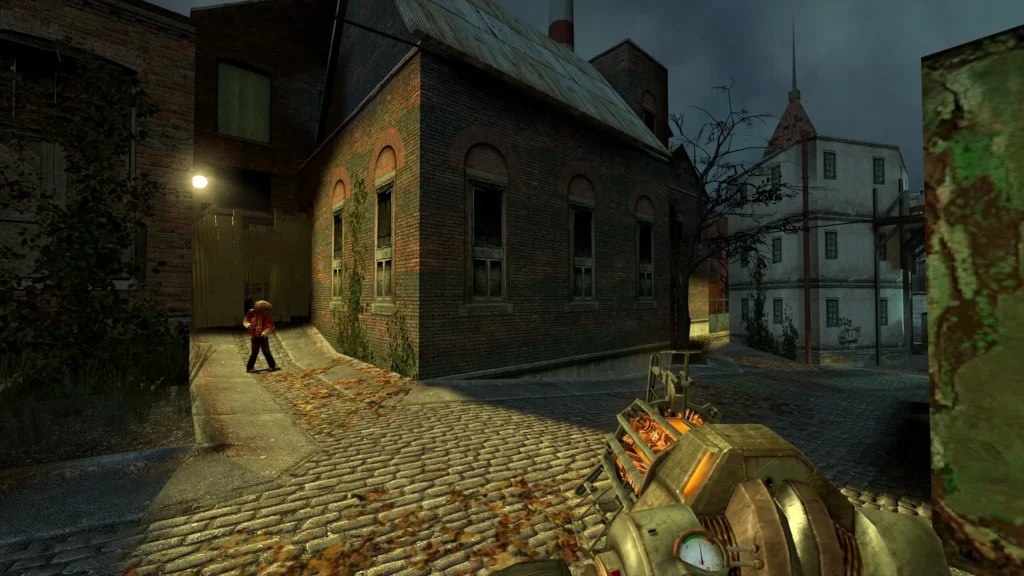
A side-by-side comparison of Path Tracing capabilities on the Blackwell architecture.
Inside the Green Team: Career Paths at NVIDIA
NVIDIA Software Engineer Interview Secrets
- Expect a rigorous 6-8 week process starting with a mandatory HackerRank technical screen.
- Mastery of C++, Python, and CUDA memory management is non-negotiable for engineering roles.
- The workplace culture is fiercely meritocratic, operating under the principle that ‘the project is the boss’.
- While compensation is 82.8% higher than the US average, the entry bar requires elite problem-solving skills and domain expertise.
Frequently Asked Questions
The RTX 5070 is a technical masterpiece held hostage by a 12GB VRAM limit and a broken global supply chain. It stands as the most efficient 1440p card ever engineered, but its value proposition remains theoretical. Until the ‘RAMageddon’ price spikes subside and the $549 MSRP becomes a retail reality rather than a ‘joke,’ the 50 Series mid-range will remain a difficult recommendation for the budget-conscious builder.