
Introduction: A New Apex Predator in the GPU Market
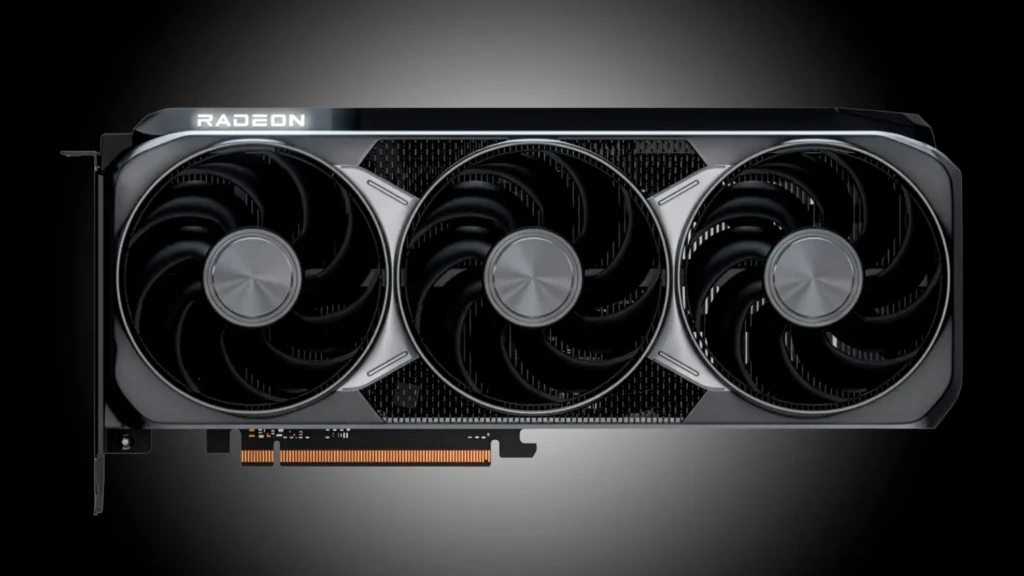
The arrival of the Radeon RX 9070 XT on March 6th, 2025, marks a pivotal shift in AMD’s strategy, moving away from the chiplet complexities of RDNA 3 toward the refined, monolithic Navi 48 silicon of RDNA 4. This isn’t just a technical refresh; it is a calculated strike at the performance segment. Leading the charge is the ASRock ‘Monster Hunter Wilds’ Edition, a $650 limited-run powerhouse that arrives precisely when the community needs it most. With the Monster Hunter franchise carrying immense emotional weight and Capcom’s latest epic pushing PC hardware to its absolute limits, this card is positioned as the definitive solution for hunters tired of stuttering through the Forbidden Lands.
Key Takeaways
The RX 9070 XT delivers a massive 40% performance leap over RDNA 3 predecessors at a $650 price point that includes a $40 Monster Hunter Wilds game key. Equipped with 16GB of GDDR6 memory and the debut of ML-powered FSR 4, this card is specifically engineered to overcome the CPU and GPU optimization hurdles that have plagued the game’s launch.
Architectural Analysis: RDNA 4 and the Navi 48 Die
| Feature | RX 9070 XT Specification |
|---|---|
| Architecture | RDNA 4 (4nm EUV) |
| Compute Units | 64 |
| Stream Processors | 4,096 |
| Game/Boost Clock | 2,400 MHz / 2,970 MHz |
| Memory | 16GB GDDR6 (20 Gbps) |
| Memory Interface | 256-bit |
| TBP | 304W |
| Interface | PCI-Express Gen 5 |
The Fandom Pulse: Why Optimization Matters
“Hardest Boss is getting the DEVS to actually optimize this game.”
— Community Sentiment (Steam Reviews)
Monster Hunter Wilds launched to critical acclaim for its combat but faced a ‘Mixed’ reception on Steam due to punishing performance requirements. The RX 9070 XT addresses this ‘performance anxiety’ head-on. By utilizing 128 dedicated AI accelerators and the new FSR 4 ML-powered upscaling, the card provides the temporal stability and frame-gen muscle required to navigate the CPU-heavy Windward Plains and the GPU-taxing Scarlet Forest. While Capcom works on software-side fixes, RDNA 4 offers the brute architectural force necessary to maintain high frame rates where older cards falter.
Performance Benchmarks: Taming the Beast
1440p Rasterization Performance (FPS)
The Hunter’s Toolkit: Optimization Guide for Wilds
Steps to Optimize Monster Hunter Wilds on RDNA 4
- Enable FSR 4: Utilize the ML-powered upscaling for superior temporal stability and reduced ghosting compared to FSR 3.
- Adjust CPU Settings: Navigate to the new ‘CPU’ tab introduced in Title Update 4 and lower ‘Endemic Life Display Count’ to stabilize frame times.
- LOD Management: Set ‘Foliage Density’ to Medium to significantly alleviate GPU load in the lush Scarlet Forest environment.
- Driver Update: Ensure AMD Adrenalin version 25.3.1 or later is installed to unlock specific Navi 48 optimizations for Capcom’s RE Engine.
Final Verdict: Should You Buy the Wilds Edition?
Pros
- Stunning Arkveld-themed aesthetic with ARGB synchronization.
- Included Monster Hunter Wilds game key ($40 value).
- Significant Ray Tracing and AI throughput improvements over RDNA 3.
- PCIe 5.0 support for future-proofing.
Cons
- $50 premium over the standard Steel Legend model.
- 304W TBP requires a robust 800W+ PSU.
- Lacks DLSS support for users tied to Nvidia ecosystems.
The ASRock RX 9070 XT Monster Hunter Wilds Edition is more than a collector’s item; it’s a strategic upgrade for fans frustrated by current-gen performance. While the $650 price tag is steep, the combination of a $40 game bundle and the architectural muscle of RDNA 4 makes it the definitive way to experience Capcom’s latest epic.
Frequently Asked Questions
Is there a 32GB version of the RX 9070 XT?
No. AMD Chief Architect Frank Azor has confirmed that 16GB is the standard for this generation, as most games are currently optimized for this capacity.
Does this card support FSR 4?
Yes, FSR 4 is a headline feature of the RX 9000 series, utilizing RDNA 4’s new AI accelerators for improved image quality.
What power supply do I need?
ASRock recommends a minimum of an 800W PSU, utilizing two 8-pin power connectors.