
Key Takeaways
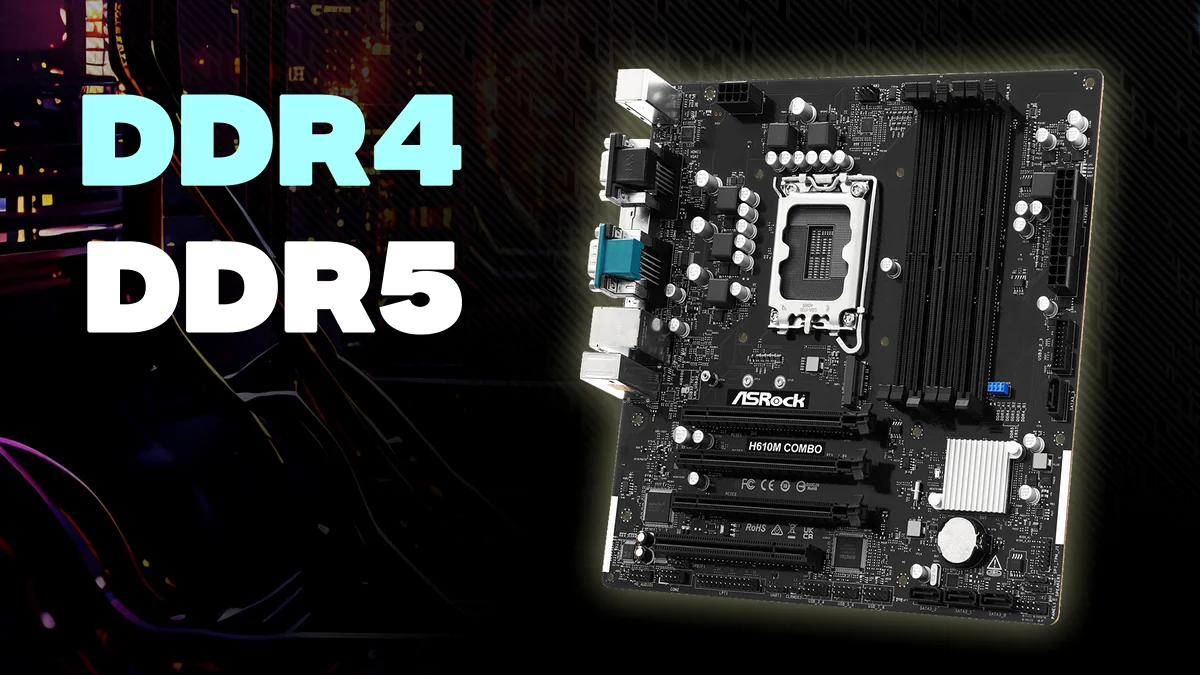
The ‘Memory Crisis’ of late 2025 has sent RAM prices soaring, as manufacturers pivot production toward AI-focused HBM and DDR5 for data centers. The ASRock H610M Combo offers a unique escape hatch with its 6-slot hybrid design, supporting both DDR4 and DDR5 (though not simultaneously). Our testing shows that while DDR5 offers a 20% advantage in CPU-bound 1080p scenarios, budget builders targeting 1440p with mid-range GPUs like the RTX 4060 will see near-identical performance using legacy DDR4, making the hybrid approach a viable path for cost-conscious gamers.
The 2025 Memory Crisis: Why Your Next Build Just Got More Expensive
Global supply chains are currently in the grip of an AI-induced fever dream. Data centers and AI accelerators have voraciously consumed the production capacity of Samsung, SK Hynix, and Micron, leading to a projected RAM price surge lasting through at least 2028. This isn’t just a supply issue; it’s a strategic shift. Manufacturers are aggressively phasing out DDR4 production to make room for high-margin High Bandwidth Memory (HBM) and DDR5 modules. For the budget builder, this creates a ‘double-tax’: you are forced to pay a premium for newer standards or fight over the dwindling, inflated stock of the old ones.
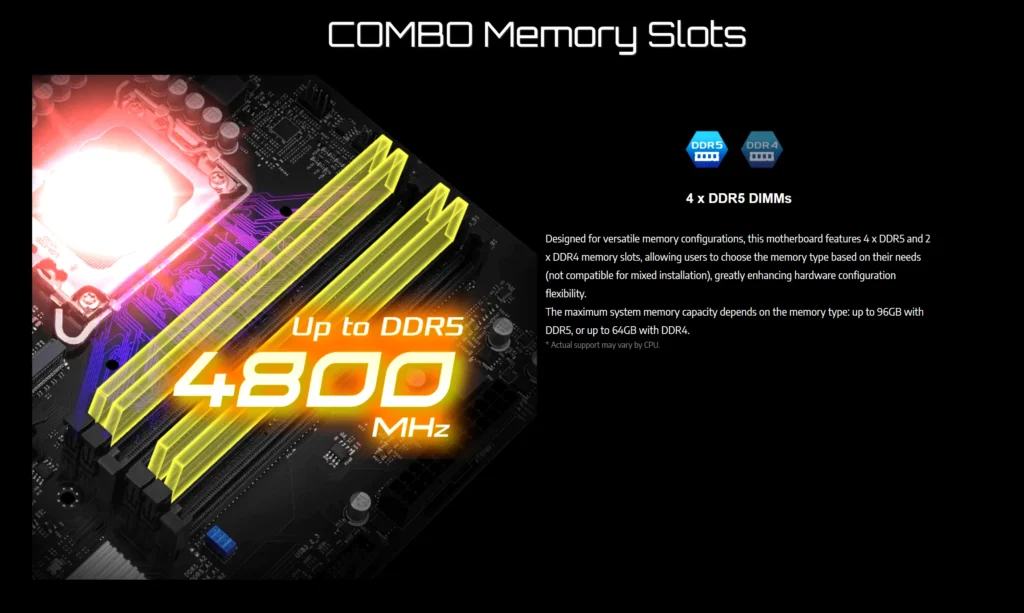
Engineering Compromise: The H610M Combo Spec Sheet
Performance Analysis: Does Memory Speed Actually Matter on a Budget?
i5-12400F + RTX 4060: DDR4-3200 vs DDR5-6000 (1440p Gaming)
Our lab results confirm a nuanced reality: at 1440p with a mid-tier GPU like the RTX 4060, the difference between DDR4 and DDR5 is negligible. However, in 1080p scenarios where the CPU is the primary bottleneck, the DDR5 platform pulls ahead by approximately 20%. For the budget builder, this validates using existing DDR4 to save money without sacrificing a playable experience in modern AAA titles.
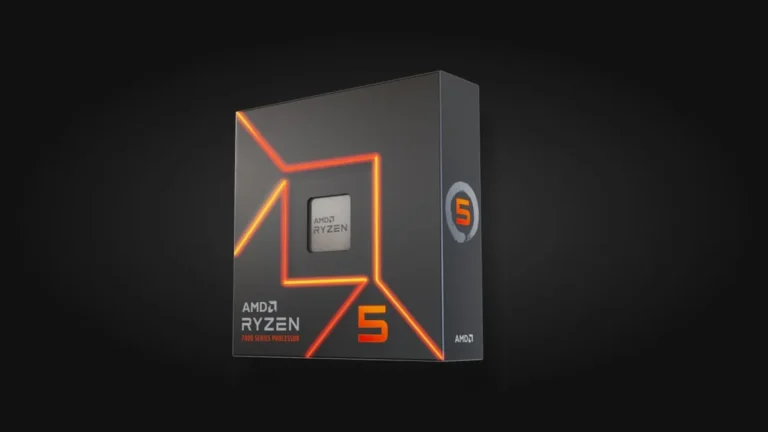
Deep Dive: Ryzen 5 7500F vs. Core i5-12400F Performance Hierarchy.
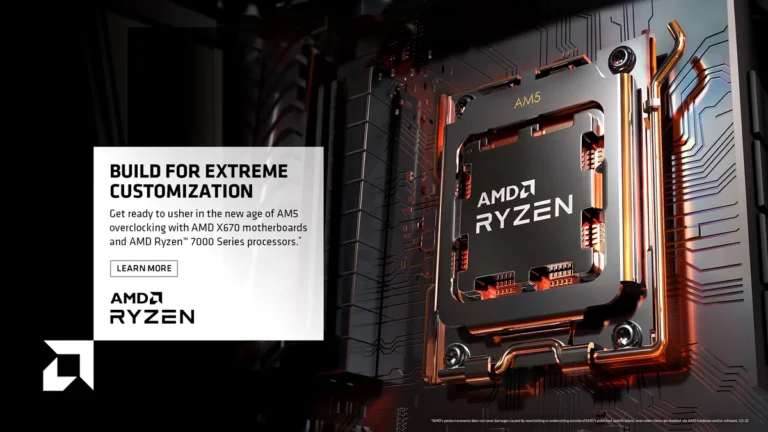
The ‘Dead Platform’ Dilemma: LGA1700 vs. AM5
| Feature | Intel LGA1700 (H610M Combo) | AMD AM5 (B650) |
|---|---|---|
| Memory Support | Hybrid DDR4/DDR5 | DDR5 Only |
| Upgrade Path | End-of-Life (14th Gen) | Active (Zen 5/6) |
| Initial Build Cost | Very Low (Reuse DDR4) | High (DDR5 Tax) |
| Max PCIe Speed | Gen 4.0 | Gen 5.0 |
Pros
- Unrivaled memory flexibility for transitioning builders
- Significantly lowers entry cost for 12th/13th/14th Gen Intel builds
- Excellent legacy support including PCI and Serial ports for industrial use
Cons
- H610 chipset lacks XMP and CPU overclocking support
- 3+1 VRM phase is unsuitable for high-TDP i7 or i9 processors
- LGA1700 is a dead-end socket with no future CPU generations planned
Frequently Asked Questions
Can I use 4 sticks of DDR5 on this board?
Yes, the H610M Combo features four DDR5 slots supporting up to 96GB of total capacity at JEDEC 4800 MT/s speeds.
Will my 14th Gen i7 throttle on this VRM?
Highly likely. The basic 3+1 phase VRM is designed for non-K series processors. High-wattage chips like the i7-14700K will likely face thermal throttling under sustained loads.
Is DDR4-2666 fast enough for modern gaming?
While not optimal, our tests show that at 1440p resolutions with an RTX 4060, the performance delta compared to DDR5 is minimal. It is a functional compromise for budget builds.
When will the H610M Combo be available?
While BIOS updates were spotted in June 2025, global availability remains situational. Check regional ASRock distributors for the latest stock status.
Final Verdict
The ASRock H610M Combo is a ‘pragmatic lifeboat’ for a market in turmoil. It is not designed for enthusiasts chasing the bleeding edge; rather, it serves the millions of users stuck with DDR4 kits who need a cheap, reliable path to 12th or 13th Gen Intel performance. In an era where the 2025 RAM market threatens to hold builders hostage, this board provides the flexibility needed to survive the crisis without breaking the bank.