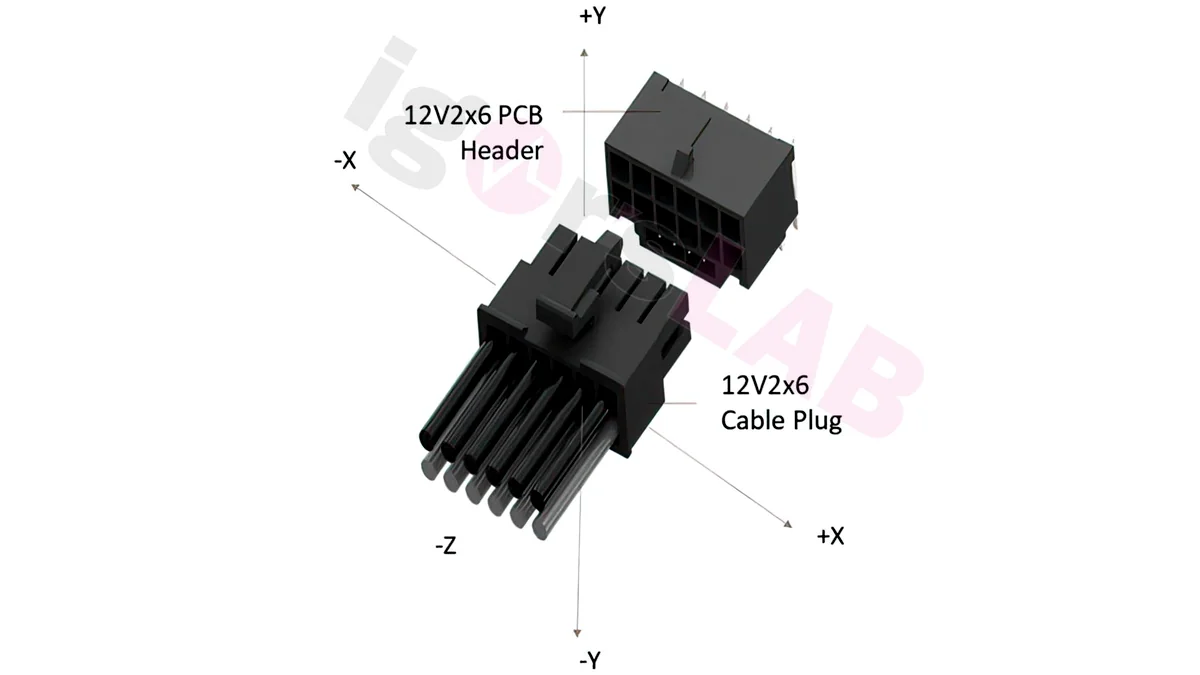

The transition from the legacy 12VHPWR connector to the refined 12V-2×6 (H++) standard marks a pivotal shift in PC power delivery. By implementing recessed sense pins and extended power terminals, the new standard effectively eliminates the ‘user error’ risks associated with poor seating. Furthermore, manufacturers like Segotep are pushing beyond the PCI-SIG minimums, over-provisioning pins to handle up to 14A to ensure the upcoming RTX 5090 operates with a massive thermal safety margin.
The Ghost in the Machine: Why the 12VHPWR Legacy Still Haunts Gamers
The introduction of the 12VHPWR connector with the RTX 40 series was intended to be a masterstroke of cable management, consolidating massive power draw into a single, sleek interface. Instead, it birthed a period of ‘thermal trauma’ for the enthusiast community. As reports of melted connectors on flagship RTX 4090s surfaced, the initial industry response leaned heavily on ‘user error’—citing improper insertion or excessive cable bends. However, for builders investing thousands into a high-end rig, this defense felt hollow. The resulting skepticism remains a significant hurdle; the fear that a single loose millimeter could lead to a catastrophic hardware failure has created a lingering anxiety that the industry must now exorcise through transparent engineering.
“If a better GPU that fits this case ever becomes available, then it would be good to see a revision that can handle playable 1440p/4k gaming without melting.”
Engineering the H++ Standard: What Makes 12V-2×6 Different?
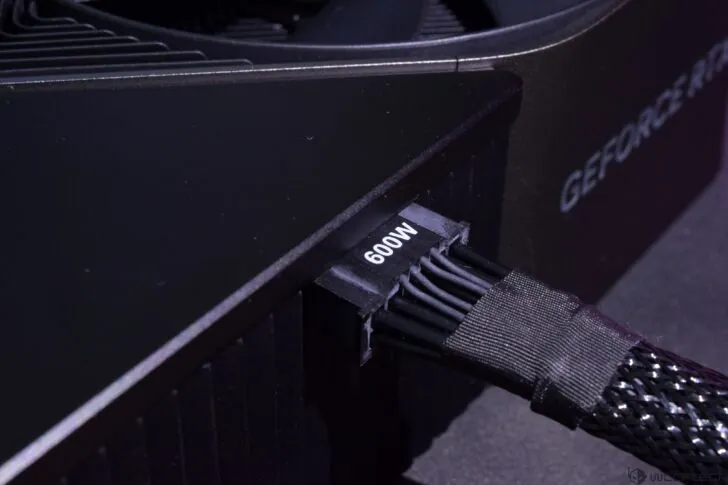
The 12V-2×6 standard, identified by the ‘H++’ marking, is a direct mechanical response to the failures of the ‘H+’ 12VHPWR design. Engineers have implemented two critical physical changes: first, the power terminals have been lengthened by 0.15mm to increase the contact area and reduce resistance. Second, and more importantly, the four sense pins have been recessed further into the header. This creates a physical safety interlock; if the connector is not fully seated, the sense pins will fail to make contact, preventing the GPU from requesting high-power states. It effectively moves the burden of safety from the user’s manual dexterity to the hardware’s internal logic.
Connector Evolution: 12VHPWR vs. 12V-2×6
| Feature | 12VHPWR (Legacy) | 12V-2×6 (New Standard) |
|---|---|---|
| Marking | H+ | H++ |
| Sense Pins | Standard Depth | Recessed (Safety Interlock) |
| Min. Current per Pin | 9.2A | 9.2A (Strictly Enforced) |
| Max Power Delivery | 600W | 600W + 75W (PCIe Slot) |
| Safety Mechanism | Friction Fit | Seating-Dependent Power Modes |
Over-Provisioning for Peace of Mind: The 14A Pin Revolution
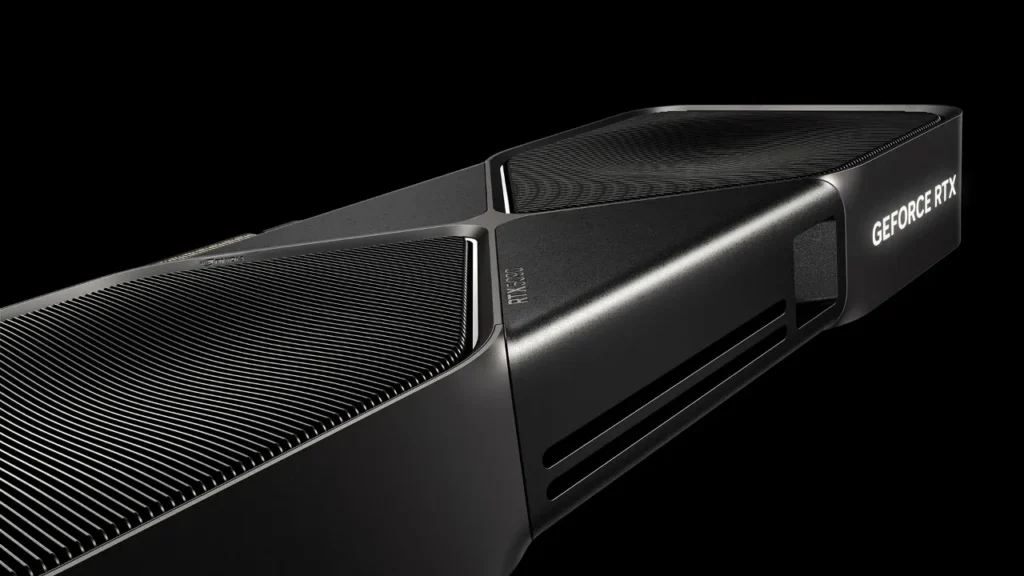
With the transition to the NVIDIA Blackwell architecture, the power requirements of the RTX 50-series make these connector improvements non-negotiable. The RTX 5090, equipped with 32GB of ultra-fast GDDR7 memory and advanced neural shader capabilities, is a dense concentration of compute power. To sustain the performance levels required for DLSS 4 and massive AI workloads, the power delivery system must be beyond reproach. By utilizing the 12V-2×6 standard, NVIDIA and its partners are ensuring that the Blackwell era is defined by its transformative performance rather than its thermal limitations.