
Intel APO’s Latest Update: Key Takeaways for Gamers
- Intel APO expands support to 15 new games, including major titles like God of War and EA Sports FC 24.
- Significant performance boosts observed: up to 14% higher FPS and 21% better 1% lows in select games, crucial for a smoother experience.
- Crucial for Intel’s hybrid CPUs (Arrow Lake, 14th Gen) to optimize P-core/E-core thread scheduling and mitigate CPU bottlenecks.
- Requires Intel Dynamic Tuning Technology (DTT) driver, a recent motherboard BIOS, and Windows 11 for full functionality.
- APO is central to Intel’s strategy for improving gaming performance on its latest processors, directly addressing past performance challenges with Arrow Lake.
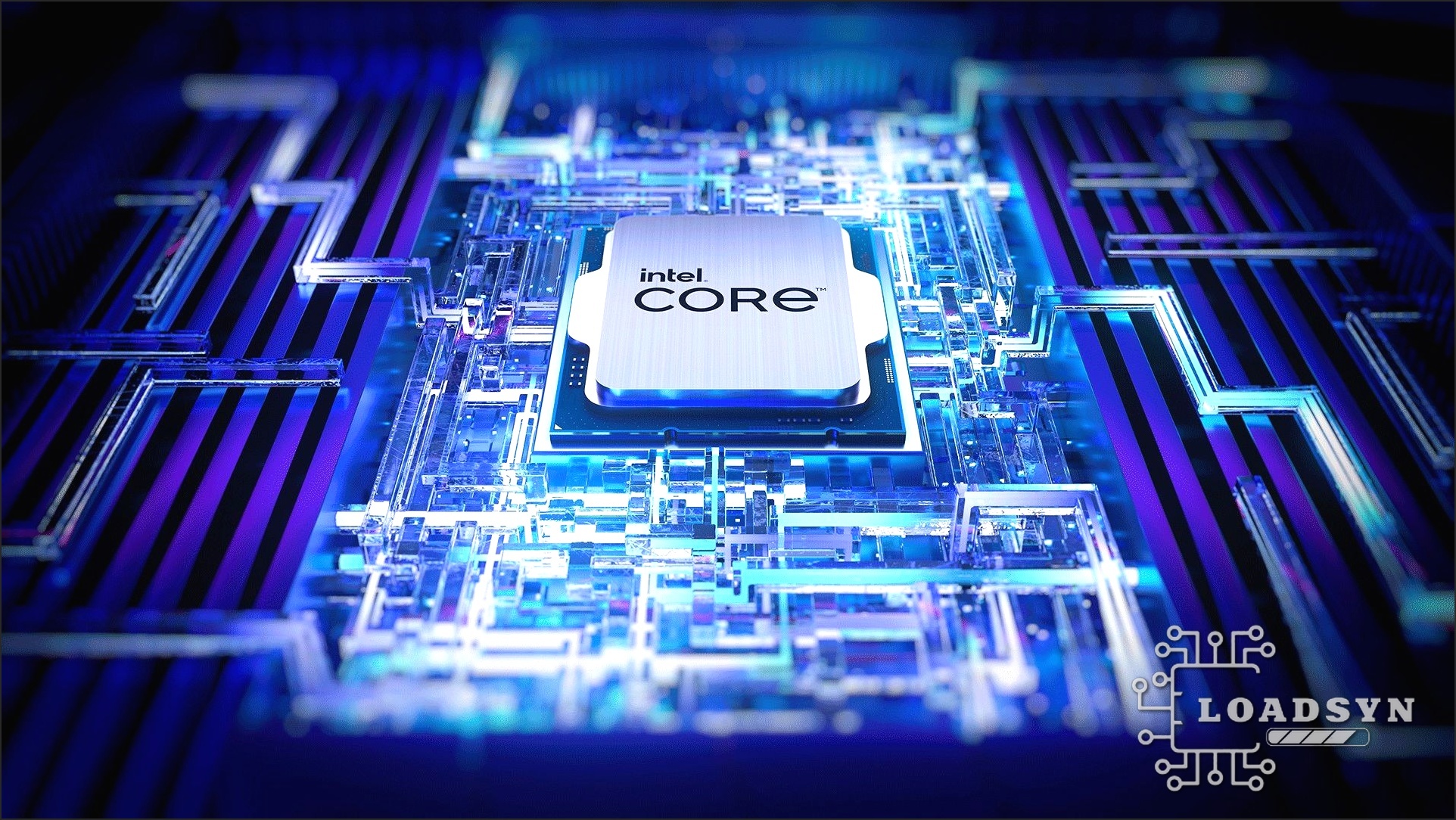
In the ever-evolving landscape of PC gaming, where every frame counts and smooth frame-time consistency dictates the true competitive edge, Intel’s Application Optimization (APO) has emerged as a critical software solution. Designed to intelligently squeeze every last drop of performance from its hybrid architecture CPUs, APO directly tackles the nuanced challenges of CPU bottlenecking and core-to-core utilization. Today, LoadSyn brings you an exclusive look at Intel’s latest and most significant APO update yet, rolling out with support for 15 new game titles and promising substantial performance uplifts, particularly for the Core Ultra 200S ‘Arrow Lake’ series. This isn’t just a routine software patch; it’s a strategic move that directly addresses past performance hurdles and solidifies APO’s indispensable role in Intel’s gaming future.
What is Intel Application Optimization (APO)?
At its core, Intel Application Optimization (APO) is a sophisticated policy embedded within Intel Dynamic Tuning Technology (DTT), meticulously designed to intelligently manage thread scheduling on Intel’s hybrid CPUs. Modern Intel processors, like the Arrow Lake and 14th Gen series, ingeniously feature a mix of high-performance P-cores and energy-efficient E-cores. APO’s critical role is to ensure that game threads are dynamically assigned to the most appropriate cores in real-time, effectively reducing contention and latency in CPU-bound scenarios. This advanced optimization goes far beyond simply disabling E-cores; it leverages uniquely tuned game profiles to maximize CPU gaming frame rates and, crucially, improve 1% lows – those momentary dips in frame rate that often cause perceived stutter and disrupt the immersive gaming experience. By meticulously managing these lowest frame rates, APO ensures a more reliable and consistent frame delivery.
The Game Changer: 15 New Titles Join the APO Roster
The latest APO update marks a significant expansion of its reach, adding 15 new game profiles to its growing library. This brings the total number of officially supported titles to over twenty, ensuring a broader range of gamers can now benefit from Intel’s specialized optimizations. The newly added games span a diverse array of genres, from popular AAA titles that push hardware limits to intricate simulators, clearly reflecting Intel’s commitment to wider compatibility. This strategic expansion is a direct response to community feedback and a tangible indication of Intel’s ongoing investment in refining and evolving this critical performance technology.
- 7 Days to Die
- Assetto Corsa
- Cities: Skylines
- Delta Force: Black Hawk Down
- Deus Ex: Mankind Divided
- Dyson Sphere Program
- EA Sports FC 24
- God of War
- Kerbal Space Program 2
- Like a Dragon: Infinite Wealth
- Metro Exodus Enhanced Edition
- The Callisto Protocol
- Wolfenstein Youngblood
- World of Warships
- 蜀山初章 (Shushan: The First Chapter)
Performance Unleashed: Benchmarks That Matter
Our rigorous analysis of Intel’s internal testing, conducted with a formidable Core Ultra 9 285K processor and an RTX 5090 at 1920×1080 resolution on Windows 11 Pro, showcases compelling performance gains. While average FPS improvements are certainly noteworthy, our focus at LoadSyn consistently gravitates towards the most impactful boosts: those seen in 1% lows. This metric truly defines a smooth gaming experience by quantifying the consistency of frame delivery, directly correlating to perceived stutter. These improvements, even in demanding titles, translate directly into less stuttering, more reliable frame pacing, and ultimately, a more fluid and enjoyable gaming session.
Intel APO Performance Gains (Core Ultra 9 285K @ 1080p)
| Game Title | Average FPS Improvement | 1% Lows Improvement |
|---|---|---|
| Metro Exodus Enhanced Edition | Up to 14% | N/A |
| Dyson Sphere Program | Up to 11% | Up to 21% |
| Cities: Skylines | Up to 9% | Up to 5% |
| The Callisto Protocol | Up to 4% | N/A |
| Wolfenstein: Youngblood | Up to 4% | N/A |
| World of Warships | Up to 3% | Up to 9% |
Beyond the Numbers: APO and Arrow Lake’s Redemption Arc
The significance of APO’s continued development cannot be overstated, especially when viewed through the lens of the Core Ultra 200S ‘Arrow Lake’ series’ initial launch. Arrow Lake processors, while innovative with their tiled design, faced considerable criticism for underperforming against expectations and even against previous-generation Raptor Lake chips in gaming. Intel openly acknowledged these challenges, citing critical issues like a missing Power Profile Management (PPM) package and inconsistent motherboard BIOS settings as significant contributors to performance anomalies. APO, fundamentally designed to leverage the hybrid architecture effectively by managing thread scheduling, was unfortunately hampered by these underlying systemic issues, preventing it from delivering its intended boosts and exacerbating the initial performance woes.
An Intel engineer, Aaron_McG_Official, affirmed the company’s full commitment, stating they are ‘100% vested in APO and in growing the capabilities of the technology.’
– Aaron_McG_Official, Intel Engineer
This latest APO update, alongside ongoing BIOS and driver refinements, is a clear testament to Intel’s proactive efforts to address these crucial performance regressions. By continuously refining APO and ensuring its proper integration, Intel aims to unlock the full gaming potential of its current and upcoming hardware generations. This commitment ensures that its hybrid CPUs can finally deliver the smooth, high-frame-rate experiences and the critical frame-time consistency that discerning gamers expect from a top-tier platform.
Ready to Optimize? Your APO Checklist
To fully leverage the benefits of Intel APO and ensure a smoother, more responsive gaming experience, users need to ensure their system meets specific, yet straightforward, requirements. The process primarily involves a few key driver installations and an optional user interface for granular control over individual game profiles.
- Compatible CPU: A ‘K’ or ‘HX’ series processor from Intel’s 14th-generation Core or Core Ultra 200 (Arrow Lake) series is required for full support. Limited ‘Advanced Mode’ support is available for other 12th/13th/14th Gen CPUs with six or more P-cores.
- Latest BIOS: An up-to-date motherboard BIOS from your vendor is essential, ensuring that critical settings, including power management and core ratios, are correctly applied.
- Intel DTT Driver: Install the Intel Dynamic Tuning Technology (DTT) driver, typically found on your motherboard’s support page. APO automatically activates and receives updates once DTT is installed.
- Windows 11: APO is specifically designed and optimized for the Windows 11 operating system.
- Intel APO UI (Optional): For game-specific toggling and management, download the Intel APO UI from the Microsoft Store. This allows for fine-tuned control over APO’s application.
Decoding Compatibility: Is Your CPU APO-Ready?
APO offers native, validated support for Intel’s latest and most powerful gaming processors, ensuring optimal performance out of the box. This includes the new K-series Arrow Lake-S CPUs (e.g., Core Ultra 9 285K to Core Ultra 5 245KF) and 14th Gen K-series parts (e.g., Core i9-14900KS to Core i5-14600KF). Mobile users with Core Ultra 200S series HX processors (like the Core Ultra 9 285HX) and 14th Gen HX mobile CPUs (such as the Core i9-14900HX) also benefit from full support. For a wider range of older CPUs, including 12th, 13th, and 14th Gen non-K parts with six or more P-cores, ‘Advanced Mode’ offers limited functionality. This mode allows manual addition of unvalidated games, though performance gains here are not guaranteed and, critically, require manual benchmarking to assess any actual improvement or potential regression in frame-time consistency.
Intel APO: The Pros and Cons
Pros
- Significant FPS and 1% Lows improvements in supported games, leading to smoother gameplay.
- Leverages hybrid CPU architecture for optimal thread scheduling and reduced CPU bottlenecks.
- Automatic updates via DTT driver for seamless expansion of game support.
- Provides a crucial performance uplift for Arrow Lake CPUs, addressing initial launch concerns.
- User-friendly UI for game-specific control and fine-tuning.
Cons
- Limited list of natively supported games, though actively expanding.
- Performance is configuration-dependent; results and frame-time consistency can vary significantly.
- Requires specific Intel CPUs (K/HX series from 14th Gen/Arrow Lake for full, validated support).
- Advanced Mode for older CPUs offers unvalidated gains, potentially risking performance regressions or inconsistent frame times.
A Crucial Step Forward for Intel Gaming
Intel’s latest Application Optimization update is far more than just a list of new games; it’s a definitive statement of intent. By delivering tangible performance gains, particularly in critical 1% lows, and significantly expanding its game library, APO is solidifying its role as a vital component of Intel’s gaming strategy. For owners of Arrow Lake and 14th Gen K/HX processors, this update is a must-have, offering a noticeably smoother, faster, and more consistent gaming experience. While the list of supported games is still growing, Intel’s unwavering commitment, coupled with the impressive benchmarks, paints a promising picture for the future of gaming on Intel’s hybrid CPUs. This is a crucial step in ensuring Intel’s hardware truly shines in the competitive gaming arena, providing the rigorous performance and frame-time consistency that LoadSyn readers demand.
Frequently Asked Questions About Intel APO
What is Intel APO?
Intel Application Optimization (APO) is a software solution within Intel Dynamic Tuning Technology (DTT) that optimizes game performance on Intel’s hybrid CPUs. It intelligently assigns game threads to P-cores and E-cores for better average frame rates and, crucially, improved 1% lows, leading to a smoother gaming experience.
Which CPUs support Intel APO?
Full Advanced Mode support is available for Intel Core Ultra 9, 7, 5 Desktop and Mobile Processors (Series 2 – Arrow Lake) and Intel Core i9, i7, i5 Desktop and Mobile Processors (14th Gen). Limited Advanced Mode support extends to other 12th, 13th, and 14th Gen Intel Core Desktop and Mobile Processors with six or more P-cores.
How do I enable Intel APO?
First, install the Intel Dynamic Tuning Technology (DTT) driver from your motherboard’s support page. APO will then automatically activate. For game-specific control and management, you can download the Intel APO UI from the Microsoft Store.
Will Intel APO improve performance in all my games?
APO provides validated performance gains in its list of officially supported games. For unlisted games, you can try ‘Advanced Mode’ on compatible CPUs, but performance improvements are not guaranteed and should be manually benchmarked to confirm any benefits or potential regressions in frame-time consistency.