

Quick Overview: Valve’s Game-Changing Move for the Steam Controller
- Valve has released official CAD files for the new Steam Controller, opening the door to extensive 3D printing customization, a significant step in hardware modding.
- These files are under a Creative Commons license (CC BY-NC-SA 4.0), permitting non-commercial use and sharing, with a noteworthy addendum explicitly addressing commercial interest.
- This strategic move aligns with Valve’s established history of fostering a vibrant modding community and actively supports hardware longevity through enhanced repairability.
- Community excitement is palpable for personalized shells and functional mods, yet it’s tempered by past frustrations regarding Valve’s hardware availability and distribution.
- The Steam Controller’s advanced technical specifications, including TMR sticks and HD haptics, position it as an ideal candidate for enthusiast-driven, deep-level customization.
The Unveiling: Valve Opens the Steam Controller Blueprint
Valve, a company consistently at the forefront of PC gaming hardware innovation, has once again executed a pivotal maneuver poised to redefine controller customization. With the recent launch of the new Steam Controller on May 4, 2026, the company has delivered more than just a refined gamepad; it has strategically released the official CAD (Computer-Aided Design) files, effectively transferring the device’s intricate blueprints directly to its community. This unprecedented step unequivocally empowers gamers, dedicated modders, and 3D printing enthusiasts to not only design and print but also to deeply personalize their Steam Controller shells and accessories. It stands as a profound testament to Valve’s unique philosophy, fostering a culture of open hardware and community-driven innovation that promises to extend the operational life and intrinsic appeal of their devices far beyond their initial, stock configuration.
Beyond the Box: Understanding Valve’s Open Source Philosophy
The release of the Steam Controller’s CAD files transcends a mere generous gesture; it represents a calculated strategic move, deeply rooted in Valve’s long-standing, often permissive, approach to intellectual property. These detailed files are disseminated under a Creative Commons Attribution-NonCommercial-ShareAlike 4.0 International license (CC BY-NC-SA 4.0). This framework explicitly permits users to share and adapt the material for non-commercial endeavors, provided appropriate credit is consistently given, and any derivative creations are subsequently shared under the identical license. Crucially, an explicit addendum within the licensing terms directly addresses commercial interest, subtly signaling Valve’s openness to the potential for fan-made products to eventually penetrate the market, echoing successful collaborations seen with entities like Dbrand offering custom skins. This policy stands in stark contrast to the proprietary, often restrictive, practices of numerous hardware manufacturers, unequivocally positioning Valve as a pioneering champion of user-driven design and the burgeoning movement towards enhanced repairability.
From Companion Cubes to Custom Grips: The Modding Frontier
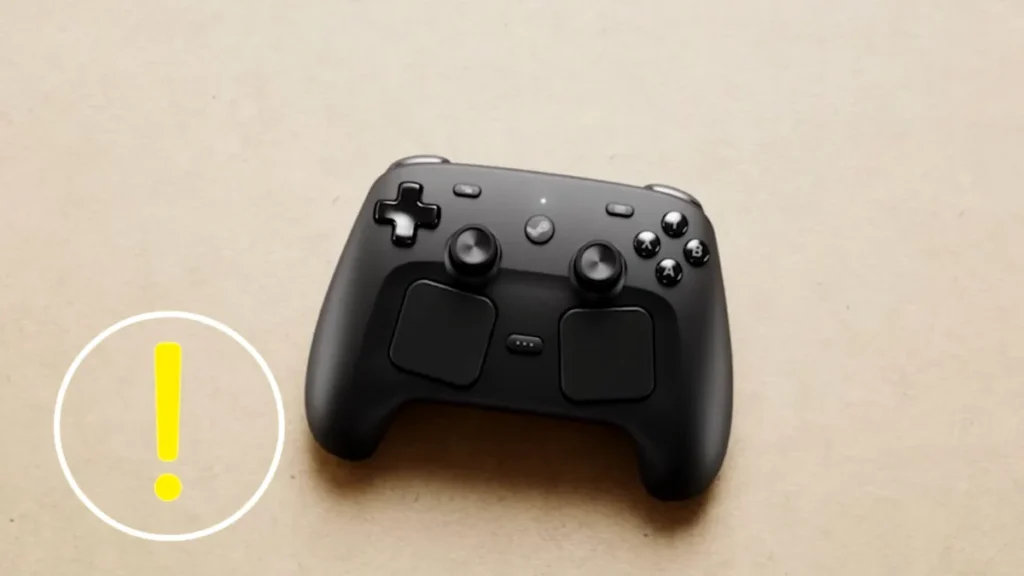
With the official CAD files now readily accessible, the modding community is already a hive of fervent ideation. Envision a Steam Controller shell meticulously themed after a beloved Companion Cube, or precision-engineered grips ergonomically tailored to a player’s unique hand size, extending even to innovative, accessible concepts like the Fisher-Price toy controller. Platforms such as GitLab and Shapeways are poised to rapidly evolve into central hubs for the collaborative sharing and professional production of these custom creations. This initiative unlocks possibilities that extend far beyond mere aesthetic customization, enabling genuine functional improvements. Players can now proactively address specific comfort issues, integrate unique button layouts, or even significantly enhance accessibility for individuals with physical disabilities, fundamentally transforming a mass-produced device into a truly personal and optimized gaming instrument.
“I really think this might help me overcome some of my physical disability limitations to once again enjoy PC gaming 🙏”
— Steam Community Member
Inside the Shell: The Tech That Invites Tinkering
Steam Controller (2nd Generation) Key Specifications
| Trackpads | 2 x 34.5 mm square trackpads with haptic feedback, pressure-sensitive click strength |
| Thumbsticks | 2 x Full-size Magnetic Thumbsticks (TMR) w/ Capacitive Touch (drift-resistant) |
| Haptics | 4 x LRA Haptic Motors (2 in trackpads, 2 in grips for HD rumble) |
| Gyro | 6-Axis IMU for motion controls |
| Grip Sense | 2 x Capacitive areas along back of handles |
| Connectivity | Steam Controller Puck (2.4 GHz wireless, ~8ms latency), Bluetooth 4.2+, USB-C |
| Battery Life | 35+ Hours (8.39 Wh Li-ion, easily replaceable) |
| Repairability | Highly repairable with non-security Torx screws; Valve working with iFixit for parts. |
The new Steam Controller itself represents a formidable feat of engineering, integrating cutting-edge components designed for both performance and longevity. At its core are Tunneling Magnetoresistance (TMR) analog sticks, providing superior durability and precision compared to traditional potentiometers by eliminating physical contact points and thus greatly reducing the risk of stick drift. This non-contact operation, while functionally similar to Hall effect sensors, offers a refined balance of power, cost, and consistent performance. Complementing these are advanced haptic feedback motors that meticulously simulate a genuine click sensation from the trackpads, enhancing immersion. These innovations, coupled with a responsive 6-axis gyroscope and intuitive capacitive grip sensors, deliver a highly configurable and deeply immersive user experience. What makes this hardware exceptionally conducive to modding, however, is Valve’s foundational design philosophy, which places a strong emphasis on repairability. The controller is assembled using non-security Torx screws, making disassembly notably straightforward for enthusiasts. Furthermore, Valve has explicitly confirmed its intent to collaborate with iFixit to provide official replacement parts post-launch. This robust commitment to open design inherently extends to physical customization, empowering users not only to alter the device’s aesthetic but also to potentially upgrade or repair critical components using readily available 3D printed parts, thereby significantly extending the controller’s serviceable lifespan.
Valve’s Unspoken Promise: Longevity Through Openness
By releasing comprehensive CAD files and unequivocally emphasizing repairability, Valve implicitly promises a significantly longer, more adaptable operational life for the Steam Controller. This forward-thinking approach directly counters the pervasive trend of ‘planned obsolescence’ prevalent in modern consumer electronics, instead fostering a vibrant community capable of sustaining and evolving the hardware itself. This strategic openness cultivates a unique symbiosis between manufacturer and user, ensuring that innovation is not solely dictated by product cycles but is continuously driven by collective creativity.
The Fandom Paradox: High Hopes, Lingering Doubts
While the tantalizing prospect of 3D printing custom Steam Controller shells has undeniably ignited considerable excitement across the global PC gaming community, a familiar undercurrent of skepticism and frustration regrettably persists. Past experiences with Valve’s hardware launches, particularly concerning inconsistent stock availability and often restrictive regional distribution, have rendered many enthusiasts justifiably wary. Our ‘Fandom Pulse’ analysis reveals a bittersweet anticipation, where the profound enthusiasm for unprecedented customization is frequently tempered by the very real fear of being unable to acquire the fundamental base hardware itself. This enduring paradox of hope juxtaposed with disappointment is a recurring thematic challenge for Valve, demanding that the company effectively addresses and consistently meets the considerable demand it so expertly stimulates and creates.
“Speaking as an Australian, I can’t wait to not be able to buy this for 4 years…”
— Steam Community Member
LoadSyn’s Take: Forging a Path to a Personalized Future
Pros
- Unprecedented Customization: Enables truly personalized aesthetics and ergonomics.
- Enhanced Accessibility: Bespoke solutions for specific physical needs.
- Increased Longevity: Promotes repairability and community-driven upgrades.
- Fosters Innovation: Drives continuous improvement via 3rd-party mods.
- Strengthens Fandom: Empowers users as co-creators.
Cons
- Potential for Subpar Mods: Variable quality in user-made prints.
- Technical Barrier: Requires 3D printing equipment and skills.
- Warranty Concerns: Modifying may void standard coverage.
- Hardware Availability: Stock issues create a bottleneck for modders.
The Controller Canvas: A Bold Leap for PC Gaming
Valve’s decision to release the Steam Controller’s CAD files is far more than a mere acknowledgement of the fervent modding community; it is a bold, declarative statement about the future trajectory of hardware. By empowering users to transition from consumers to active co-creators, Valve not only intrinsically ensures the longevity and profound adaptability of their devices but also ingeniously taps into the boundless wellspring of creativity within the PC gaming fandom. While the perennial challenges of consistent hardware availability and broad mass adoption regrettably persist, this pioneering open-source approach establishes a critical precedent, fundamentally transforming the Steam Controller into a dynamic, customizable canvas. For LoadSyn, this signals a pivotal moment where gaming technology truly becomes personal, organically shaped by the very hands that wield it. The Steam Controller, in this new paradigm, transcends its role as a mere peripheral; it emerges as a robust platform for endless, user-driven innovation.
Frequently Asked Questions
What exactly are CAD files, and why is their release significant?
CAD (Computer-Aided Design) files are highly detailed digital blueprints utilized by engineers to design and model physical objects with extreme precision. Their official release by Valve signifies that anyone with access to CAD software and a 3D printer can now create exact replicas or develop custom modifications for the Steam Controller’s external shell and various components, fostering unprecedented personalization.
Can I sell 3D printed Steam Controller accessories?
The CAD files are released under a Creative Commons BY-NC-SA 4.0 license, which typically restricts commercial use by default. However, Valve has included an explicit addendum specifically for commercial interest. This suggests the company is open to discussions or formal arrangements for the sale of fan-made products. For any commercial ventures, it is highly advisable to thoroughly review the specific terms of the license and potentially contact Valve directly for clarity and formal approval.
Where can I find the official Steam Controller CAD files?
Valve generally makes such critical files available through its official channels, which typically include Steam’s dedicated developer documentation portals or specific hardware product pages. Additionally, community-driven platforms like GitLab or Shapeways are expected to become prominent repositories for user-adapted versions once they are widely disseminated and modified by the community.
Does 3D printing a new shell void my Steam Controller’s warranty?
Modifying hardware components can frequently void manufacturer warranties. While Valve is recognized for its repair-friendly stance and is actively collaborating with iFixit to facilitate parts availability, it is always prudent to consult the official warranty terms provided with your Steam Controller or contact Steam Support directly before undertaking any significant physical modifications to the device.