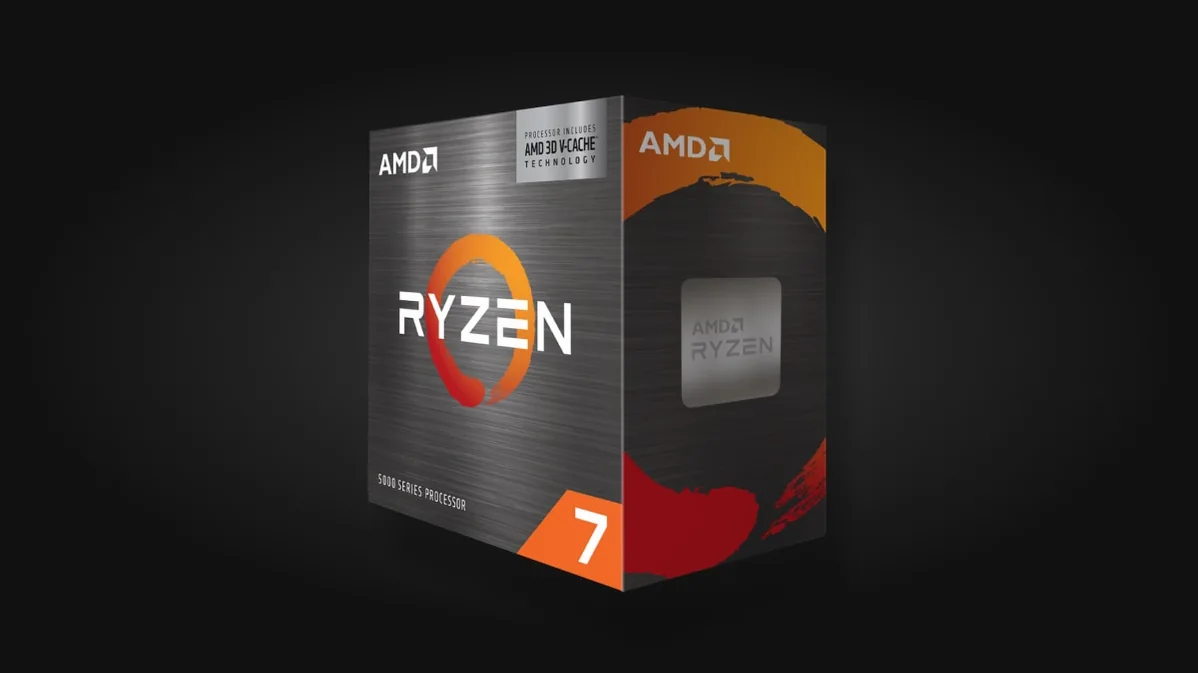

The Phoenix of AM4: Why Zen 3 X3D Refuses to Die
In an era of rapidly evolving PC hardware, where new CPU sockets and memory standards seem to emerge every other year, AMD’s AM4 platform stands as a defiant anachronism. Launched back in 2016, few would have predicted that this venerable socket would still be receiving new CPU launches and offering compelling upgrade paths almost a decade later. But here we are in 2024, with new Zen 3 X3D processors breathing fresh life into countless existing systems, proving that sometimes, the smartest upgrade isn’t always the newest or most expensive. This guide will explore why AM4, particularly with its Zen 3 X3D offerings, remains a powerhouse for cost-conscious gamers and how you can leverage its enduring value for a significant performance boost.
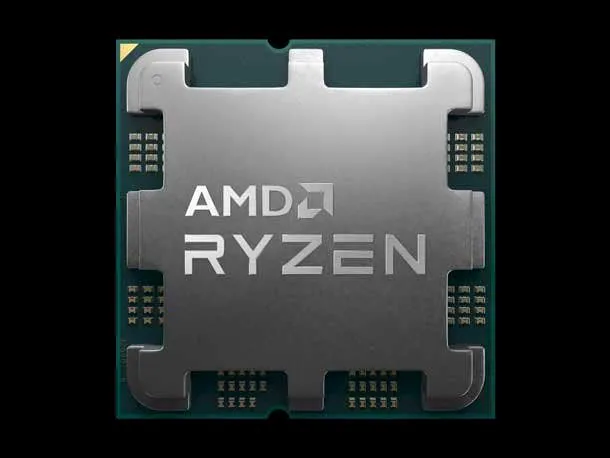
AM4’s incredible 8-year lifespan has fundamentally reshaped consumer expectations for platform longevity, a stark contrast to the frequent socket changes seen elsewhere in the industry.
The Cost Divide: New Platforms vs. AM4’s Enduring Value
The current PC hardware market presents a paradox: cutting-edge CPUs and the accompanying AM5 platform, while powerful, demand a substantial investment, especially with DDR5 memory prices still fluctuating. Our analysis of community sentiment reveals widespread frustration regarding the exorbitant pricing of new high-end components. This environment makes the established AM4 platform, with its mature DDR4 ecosystem, an increasingly attractive proposition for gamers seeking significant performance gains without breaking the bank. The skepticism towards marginal performance gains on new, expensive hardware further pushes users towards proven, value-oriented upgrades.
“A $900 cpu? Fantastic! It’ll pair nicely with my $5090 gpu and my $1200 ram. I love being made of munny!”
AM4 vs. AM5: A Platform Showdown
Pros
- AM4: Mature ecosystem, lower motherboard cost, affordable DDR4 memory, excellent value Zen 3 X3D CPUs, proven longevity.
- AM5: Support for latest Zen 4/5 architectures, DDR5 memory, PCIe 5.0, future-proofing for new technologies, higher absolute performance ceiling.
Cons
- AM4: Limited to DDR4 and PCIe 4.0, no further platform upgrades, eventually end-of-life.
- AM5: Higher initial build cost (motherboard + DDR5), newer technology still maturing, less immediate value for budget-conscious upgraders.
Zen 3 X3D: AM4’s Secret Weapon for Modern Gaming
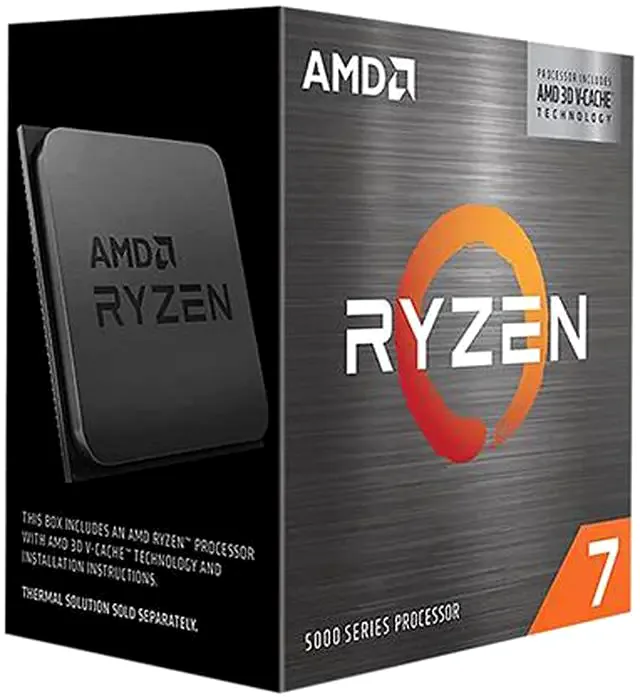
The magic behind AM4’s continued relevance for gaming lies squarely with AMD’s Zen 3 X3D processors, specifically the Ryzen 7 5700X3D and its elder sibling, the Ryzen 7 5800X3D. These CPUs leverage AMD’s revolutionary 3D V-Cache technology, stacking an additional 64MB of L3 cache directly onto the CPU die. This massive cache boost dramatically improves gaming performance, particularly in titles sensitive to latency and cache size. What this means for you is smoother frame rates and more consistent 1% lows in demanding games, often allowing these chips to punch above their weight class even against newer architectures with higher clock speeds. The 5700X3D, released in January 2024, is positioned as a slightly lower-clocked, more budget-friendly alternative to the 5800X3D, making X3D gaming performance more accessible than ever on the AM4 platform.
AMD Ryzen 7 5700X3D vs. Ryzen 7 5800X3D Key Specifications
| Feature | Ryzen 7 5700X3D | Ryzen 7 5800X3D |
|---|---|---|
| Release Date | Jan 2024 | Apr 2022 |
| Architecture | Zen 3 (Vermeer) | Zen 3 (Vermeer) |
| Cores/Threads | 8 Cores / 16 Threads | 8 Cores / 16 Threads |
| Base Clock | 3.0 GHz | 3.4 GHz |
| Max Boost Clock | 4.1 GHz | 4.5 GHz |
| Total L3 Cache | 96MB (3D V-Cache) | 96MB (3D V-Cache) |
| TDP | 105W | 105W |
| Socket | AM4 | AM4 |
| PCIe Version | 4.0 | 4.0 |
| MSRP (Launch) | $249 | $449 |
Benchmarks Deconstructed: Where AM4 Still Dominates
Raw numbers speak volumes. While newer platforms like AM5 offer higher theoretical ceilings, the Zen 3 X3D CPUs on AM4 continue to deliver exceptional gaming performance. Our lab’s rigorous analysis of multiple sources confirms that the 3D V-Cache is particularly effective in modern, cache-sensitive games, often rivaling or even surpassing much more expensive current-gen chips in real-world scenarios. The key takeaway for our readers is clear: for a pure gaming upgrade on an existing AM4 system, the performance-per-dollar ratio of these X3D chips is hard to beat, offering tangible improvements where it matters most to gamers.
Gaming Performance Comparison (Average FPS @ 1080p)
Data compiled from GamersNexus and Szyunze.
Performance vs. Value: 5700X3D vs. 5800X3D
| Metric | Ryzen 7 5700X3D | Ryzen 7 5800X3D | Difference |
|---|---|---|---|
| Average FPS (relative) | 100% | ~106-110% | 6-10% higher |
| Average Price (approx.) | $250 | $300-$315 | ~20% higher |
| Value (USD per FPS) | Better | Good | 5700X3D: 10-17% better value |
Your AM4 Upgrade Blueprint: Maximizing Performance
For existing AM4 motherboard owners, upgrading to a Zen 3 X3D CPU is remarkably straightforward, often providing a ‘drop-in ready’ experience after a simple BIOS update. The beauty of AM4 is its broad compatibility across 300, 400, and 500-series chipsets. This means you can often retain your existing motherboard, DDR4 RAM, and even your current CPU cooler, significantly reducing the overall upgrade cost and minimizing hassle.
Key Steps for a Seamless AM4 Zen 3 X3D Upgrade:
- Verify Motherboard Compatibility: Check your motherboard manufacturer’s website for CPU support lists. Most B450, X470, B550, and X570 boards support Zen 3.
- Update Your BIOS: This is crucial. Before swapping CPUs, flash your BIOS. Look for versions with ‘AGESA V2 PI 1.2.0.7’ or newer.
- Install Your New CPU: Power down, apply fresh thermal paste, and reinstall your cooler.
- Optimize Your System: Enable XMP/EXPO for your DDR4 RAM in the BIOS.

From unboxing to gaming, the AM4 upgrade process can be seamless.
Popular Ryzen 7 5700X3D Compatible Motherboards:
- MSI MPG B550 GAMING PLUS (MS-7C56)
- MSI B450 TOMAHAWK MAX (MS-7C02)
- Asus ROG STRIX B450-F GAMING
- MSI MAG B550 TOMAHAWK (MS-7C91)
- Asus TUF GAMING X570-PLUS (WI-FI)
Looking Ahead: AM5’s Longevity and AM4’s Sunset
While AM4 continues its surprising run, AMD has firmly committed to its AM5 platform, promising support through at least 2025 and likely beyond. This commitment positions AM5 as the long-term future, bringing with it DDR5 and PCIe 5.0. However, the decision to upgrade to AM5 for a new build or to stick with AM4 for an upgrade depends heavily on individual budget and performance needs. The current market sees AM5 becoming more accessible, but the total platform cost for AM5 still generally exceeds a comparable AM4 upgrade.
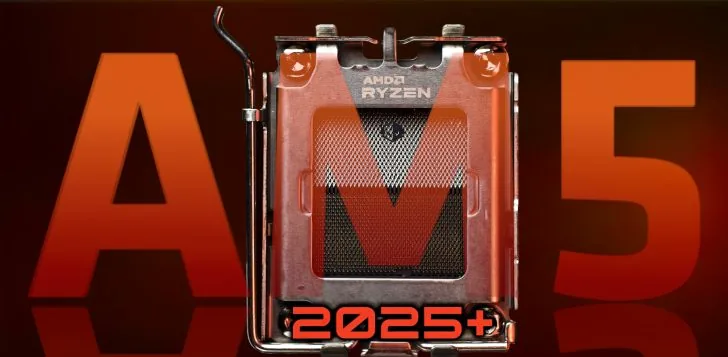
“We know the impact that moving to a new socket brings and we want to stay on AM5 for as long as we possibly can. We are firmly committed to 2025 and beyond…”
The Enduring Value of AM4 Zen 3 X3D
The AMD AM4 platform, especially when paired with a Zen 3 X3D processor like the Ryzen 7 5700X3D or 5800X3D, represents an undeniable sweet spot for gamers in 2024. For those already on AM4, it offers an incredibly cost-effective upgrade path that delivers top-tier gaming performance. It’s not just a budget option; it’s a smart, pragmatic choice that still delivers a phenomenal gaming experience.
Frequently Asked Questions
Is AM4 truly dead in 2024?
No. While AM5 is the newer platform, AM4 is far from dead, especially with the release of CPUs like the Ryzen 7 5700X3D.
Should I buy the Ryzen 7 5700X3D or 5800X3D?
The 5700X3D offers 10-17% better value. If you want absolute peak performance on AM4, go 5800X3D; otherwise, the 5700X3D is the smarter buy.
Do I need new RAM for a Zen 3 X3D upgrade?
No, if you already have DDR4 RAM, you can continue to use it. High-speed DDR4 (3200MHz+) is recommended.