
The RAMageddon & The Budget Gamer’s Dilemma
The year 2026 has ushered in a new era of PC gaming, marked by both exciting hardware advancements and unprecedented market volatility. The ‘RAMageddon’ – a global memory shortage driven by insatiable AI data center demand – has sent component prices soaring, making the once-straightforward task of building a budget gaming PC a true dilemma. Suddenly, pre-built systems, often viewed with skepticism, are emerging as surprisingly viable options. But can they truly deliver value? This definitive guide cuts through the noise, combining rigorous performance analysis with market insights to help you navigate the memory crisis and identify the budget battle station that won’t leave you stranded.
Your Essential Blueprint for Budget Gaming in 2026
- The global ‘RAMageddon’ memory shortage significantly impacts GPU VRAM and system RAM prices, making pre-builts more competitive.
- NVIDIA’s RTX 5060 Ti (and the more budget-friendly 5060) offer compelling 1080p performance, but 8GB VRAM demands careful system RAM pairing.
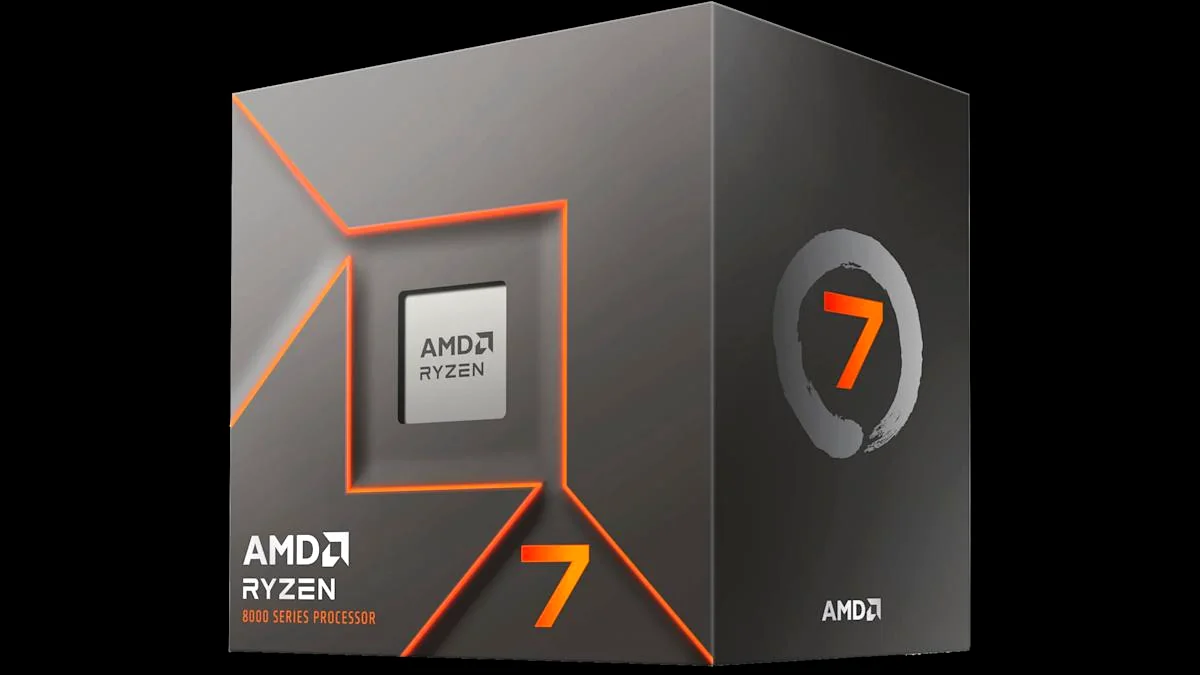
- AMD’s new Ryzen 8000F series CPUs (8700F, 8400F) provide strong, cost-effective processing power for discrete GPU builds.
- 32GB of fast DDR5 system RAM is crucial for mitigating 8GB VRAM limitations and ensuring future-proofed gaming performance.
- Pre-built systems can offer exceptional value, but vigilance is required to identify potential cost-cutting in motherboards, PSUs, and single-channel RAM configurations.
I Bought Walmart’s RTX 5060 PC… and Finally Found the Catch
Meet Your Mid-Range Arsenal: NVIDIA’s RTX 5060 Ti and AMD’s Ryzen 8000F Series
The current market landscape makes specific hardware choices more critical than ever. For budget-conscious gamers, two new product lines stand out: NVIDIA’s latest RTX 5060 Ti and AMD’s recently launched Ryzen 8000F series processors. These components form the backbone of many competitive sub-$1000 to $1500 pre-built systems, offering a blend of performance and efficiency that targets the sweet spot for 1080p and even some 1440p gaming. Understanding their capabilities and limitations is your first step to making an informed purchase.
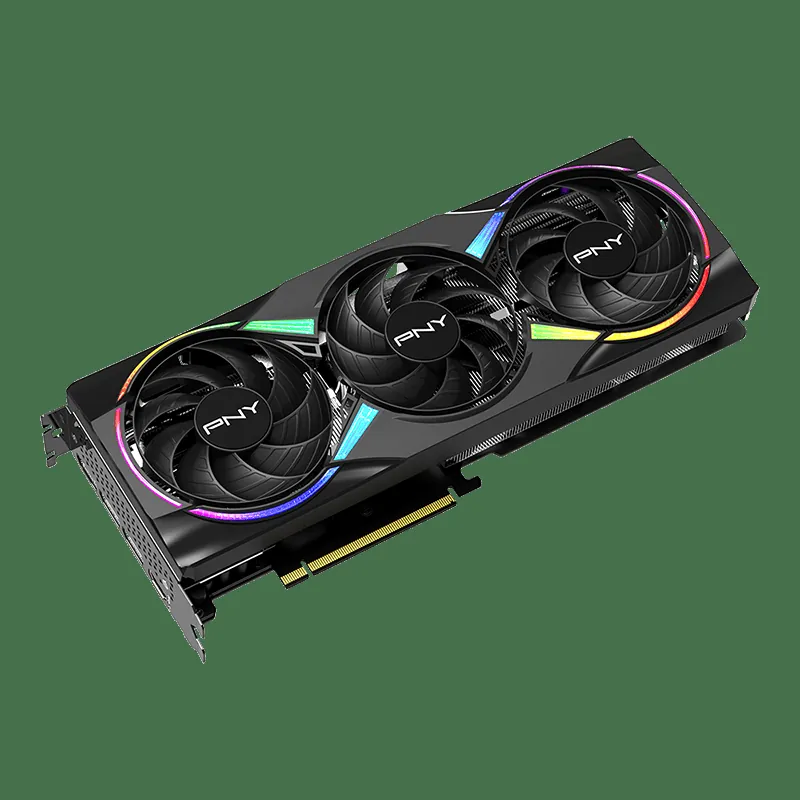
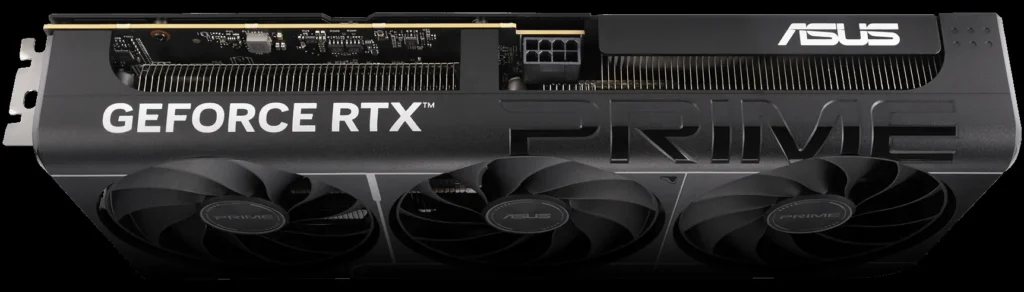
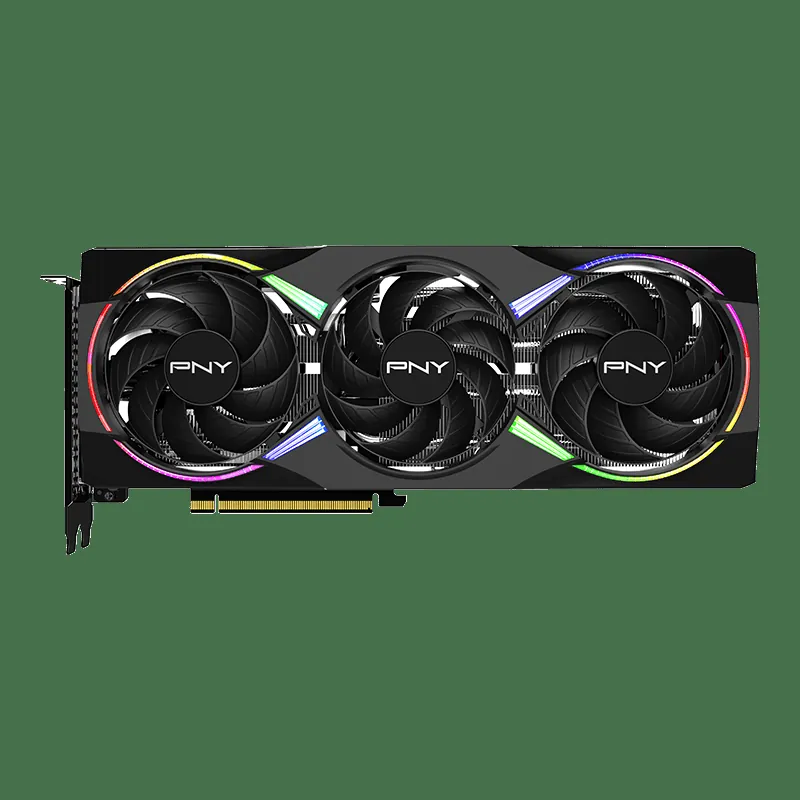
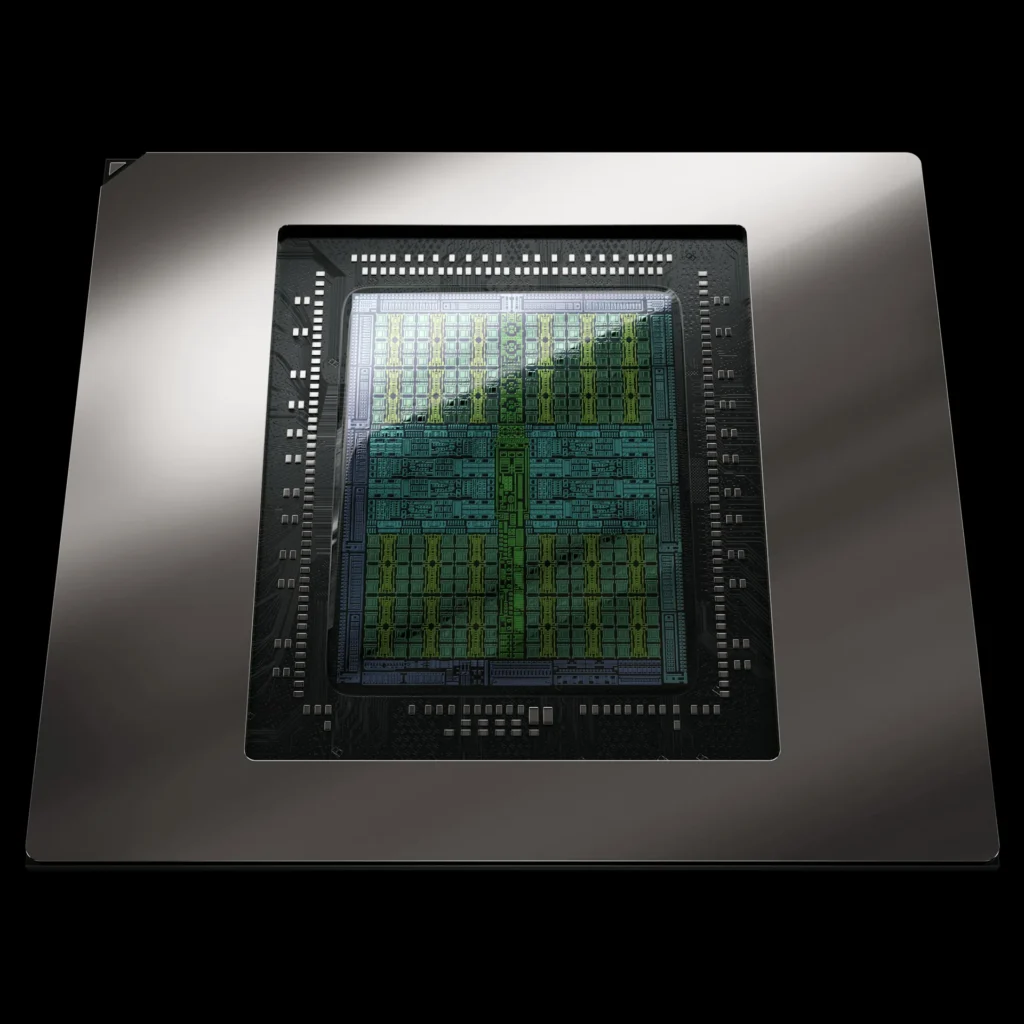
NVIDIA GeForce RTX 5060 Ti (8GB GDDR7) – Key Specifications
AMD Ryzen 7 8700F & Ryzen 5 8400F – Key Specifications
| Processor | Cores/Threads | Base/Boost Clock | Total Cache | TDP | NPU | PCIe Version |
|---|---|---|---|---|---|---|
| Ryzen 7 8700F | 8C/16T | 4.1GHz / 5.0GHz | 24MB | 65W | Yes (16 TOPS) | Gen 4.0 |
| Ryzen 5 8400F | 6C/12T | 4.2GHz / 4.7GHz | 22MB | 65W | No | Gen 4.0 |
Ryzen 8000F Series vs. Intel ‘F’ Processors: Gaming Value Showdown
| Feature | Ryzen 7 8700F | Intel Core i5-14400F | Ryzen 5 8400F | Intel Core i5-13400F |
|---|---|---|---|---|
| Cores/Threads | 8C/16T | 10C/16T | 6C/12T | 10C/16T |
| Boost Clock | 5.0 GHz | 4.7 GHz | 4.7 GHz | 4.6 GHz |
| L3 Cache | 16 MB | 20 MB | 16 MB | 20 MB |
| TDP | 65W | 65W | 65W | 65W |
| NPU for AI | Yes (16 TOPS) | No | No | No |
| Gaming Perf. | Up to 24% faster | Baseline | Up to 14% faster | Baseline |
| Approx. Price | $269 – $299 | $199 | $169 – $189 | $185 |
Beyond VRAM: The Critical Role of 32GB DDR5 in 2026 Budget Builds
The ‘RAMageddon’ isn’t just a catchy headline; it’s a fundamental shift in the computing landscape. Driven by the immense memory demands of AI data center demand, the supply of GDDR video memory for GPUs and system DDR5 RAM has tightened dramatically. This has led to two critical consequences for budget gamers: escalating prices for GPUs with higher VRAM capacities and a renewed appreciation for ample system RAM. While 8GB of VRAM on cards like the RTX 5060 might seem limiting, pairing it with a robust 32GB of fast DDR5 system memory can significantly mitigate potential bottlenecks and future-proof your investment.
“Current fluctuations in supply for both products [RTX 5070 Ti and RTX 5060 Ti 16 GB] are primarily due to memory supply constraints, which have temporarily affected production output and restocking cycles.”
How Much RAM Do Gamers Need, 2×8 16GB vs. 2×16 32GB vs. 2×32 64GB
Pro-Tip: Single vs. Dual Channel RAM in Pre-Builts
Many budget pre-builts cut costs by including a single stick of RAM (e.g., 1x16GB). This immediately halves your memory bandwidth, leading to significant performance drops in games sensitive to CPU bottlenecks. ALWAYS prioritize a dual-channel configuration (two or four sticks) for optimal performance.
The Pre-Built Paradox: Unmasking Value Amidst Community Skepticism
For years, the DIY mantra reigned supreme: ‘Build it yourself for better value and quality.’ While still true in principle, the current market climate has blurred these lines. Escalating component prices, coupled with aggressive pricing and exclusive OEM deals on new hardware like the Ryzen 8000F series, mean pre-built gaming PCs can no longer be dismissed out of hand.
Pre-Built vs. DIY in the RAMageddon Era
Pros
- Convenience: Ready to play out of the box.
- Potential Value: OEM deals can undercut DIY costs.
- Warranty: Single point of contact for issues.
- Immediate Access: Avoids component sourcing headaches.
- Exclusive Hardware: Access to CPUs like Ryzen 8000F.
Cons
- Hidden Cost-Cutting: Cheaper motherboards and PSUs.
- Limited Upgradeability: Proprietary components.
- Bloatware: Pre-installed software impacts performance.
- Variable Quality: Cooling and motherboard quality difficult to verify.
“Not trying to be that guy but after reading some comments i just want people to really do a deeper dive on prebuilts vs DIY… I’m sure you would find the walmart board is a lot closer to a $70 maybe even less.”
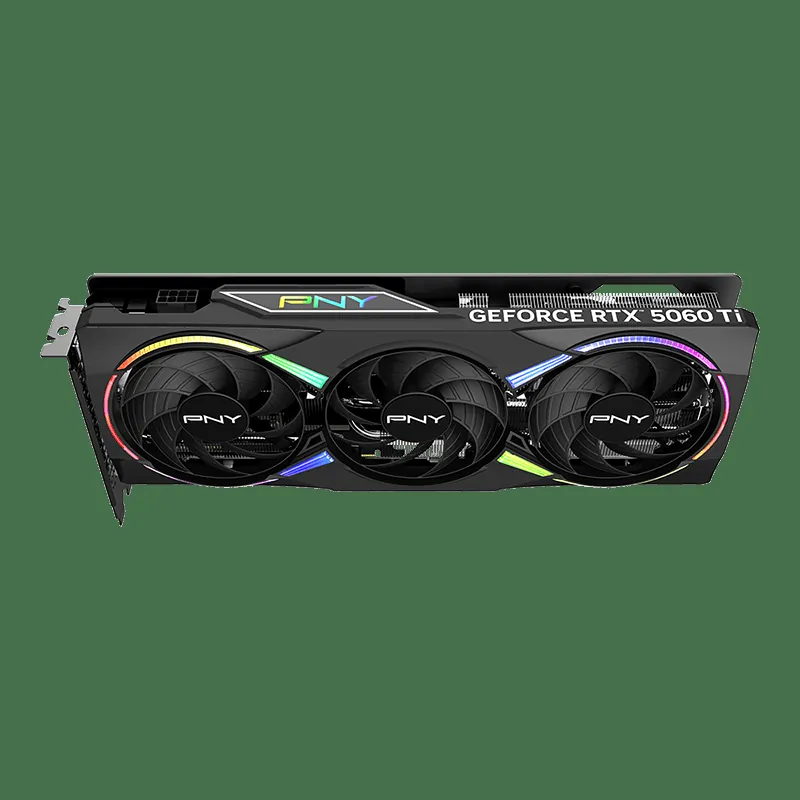
The example of the HP Victus 15L perfectly illustrates this point. While functional, these OEM boards typically offer minimal VRM phases and limited BIOS options. Similarly, generic power supply units (PSUs) are a common target for cost-cutting, potentially impacting stability and future upgrade paths.
The RTX 5060 (8GB) Under the Microscope: 1080p & 1440p Gaming Realities
While the RTX 5060 Ti offers a compelling performance leap, its non-Ti sibling, the RTX 5060 (8GB), is more commonly found in sub-$1000 pre-builts. Our analysis reveals a GPU capable of solid 1080p performance, but its 8GB VRAM configuration presents a significant bottleneck for demanding 1440p scenarios.
RTX 5060 (8GB) Gaming Performance (Avg FPS)
Average Frames Per Second (FPS) in demanding titles. RTX 5060 offers solid 1080p performance but struggles at 1440p.
As the benchmarks illustrate, the RTX 5060 offers a noticeable uplift over its predecessor. However, the 8GB VRAM consistently proves to be a limiting factor when pushing resolutions to 1440p or enabling ray tracing without DLSS 4.
GamersNexus’ Verdict on RTX 5060 (8GB)
Independent testing from GamersNexus advised against buying the RTX 5060 (8GB) at launch, citing its 8GB VRAM as a critical limitation. They argued that NVIDIA’s pricing strategy is damaging the hobby, encouraging consumers to consider alternatives with more VRAM.
The Sentinel’s Checklist: Securing Your Value-Packed Budget PC
Your Step-by-Step Guide to a Smart Pre-Built Purchase:
- Prioritize 32GB DDR5 RAM (Dual Channel): Non-negotiable for future-proofing.
- Target RTX 5060 Ti or AMD RX 9060 XT: For balanced 1080p/1440p performance.
- Look for Ryzen 7 8700F or Ryzen 5 8400F: Excellent gaming performance for the price.
- Research Motherboard Details: Avoid overly proprietary designs.
- Verify PSU Wattage & Brand: Aim for at least 600W 80+ Bronze.
- Check SSD Storage: Minimum 1TB NVMe Gen4 SSD.
- Review Cooling Solutions: Ensure it’s not a barebones stock cooler.
- Examine Warranty: Robust system-wide protection is vital.
Remember, the current market demands a strategic approach. While the ‘RAMageddon’ presents challenges, it also opens new avenues for value. By focusing on smart component synergy, you can still secure a powerful and future-ready budget gaming PC.
Unlocking Value in a Volatile Market
The budget pre-built gaming PC market in 2026 is a complex beast. The RTX 5060 Ti and Ryzen 8000F series offer fantastic mid-range performance, but the ongoing memory crisis elevates the importance of system RAM. Our analysis confirms that a strategic pre-built purchase – one that prioritizes 32GB DDR5 RAM and scrutinizes less obvious components – can indeed offer exceptional value. It’s no longer a compromise; it’s a calculated victory in the RAMageddon era.
Your Top Questions Answered
Is the RTX 5060 Ti (8GB) enough for 1440p gaming?
For many current titles at medium-to-high settings with DLSS 4, it delivers playable framerates. However, demanding titles will push its 8GB VRAM limit. 32GB of fast system RAM can help mitigate this bottleneck.
Should I wait for new GPUs in 2027?
Waiting is personal, but memory constraints may continue into 2027 due to AI demand. If you need a system now, focusing on value-oriented builds with 32GB RAM is a solid foundation.
How important is 32GB DDR5 RAM for a budget build?
Extremely important. It prevents system RAM from becoming a bottleneck, improves 1% lows, and provides a significant buffer for modern games pairing with 8GB VRAM GPUs.
Are pre-builts from major retailers reliable?
Reliability varies. They often use lower-tier components (PSUs, single-channel RAM) to hit price points. Research specific models and component lists before buying.
What about the Ryzen 8000F series vs. Intel’s F-series?
The Ryzen 8000F series offers excellent multi-core performance and strong gaming capabilities, often outperforming comparable Intel ‘F’ series CPUs in gaming workloads.