
Key Takeaways
- DOS Zone achieved a remarkable technical feat by making Grand Theft Auto: Vice City playable directly in web browsers, briefly offering unprecedented accessibility.
- Take-Two Interactive swiftly issued a DMCA takedown notice, asserting intellectual property infringement and forcing the project’s initial removal.
- The DOS.Zone team relaunched the initiative as reVCDos, implementing a new model where users must upload their own legitimate game files to mitigate legal risks.
- The browser version notably reduced system requirements and introduced versatile input options, including controller and touch support, surpassing even the ‘Definitive Edition’ in accessibility.
- This incident vividly illustrates the persistent conflict between community-driven game preservation efforts and rigorous corporate intellectual property enforcement.
The Unlikely Return to Vice City: A Browser Odyssey
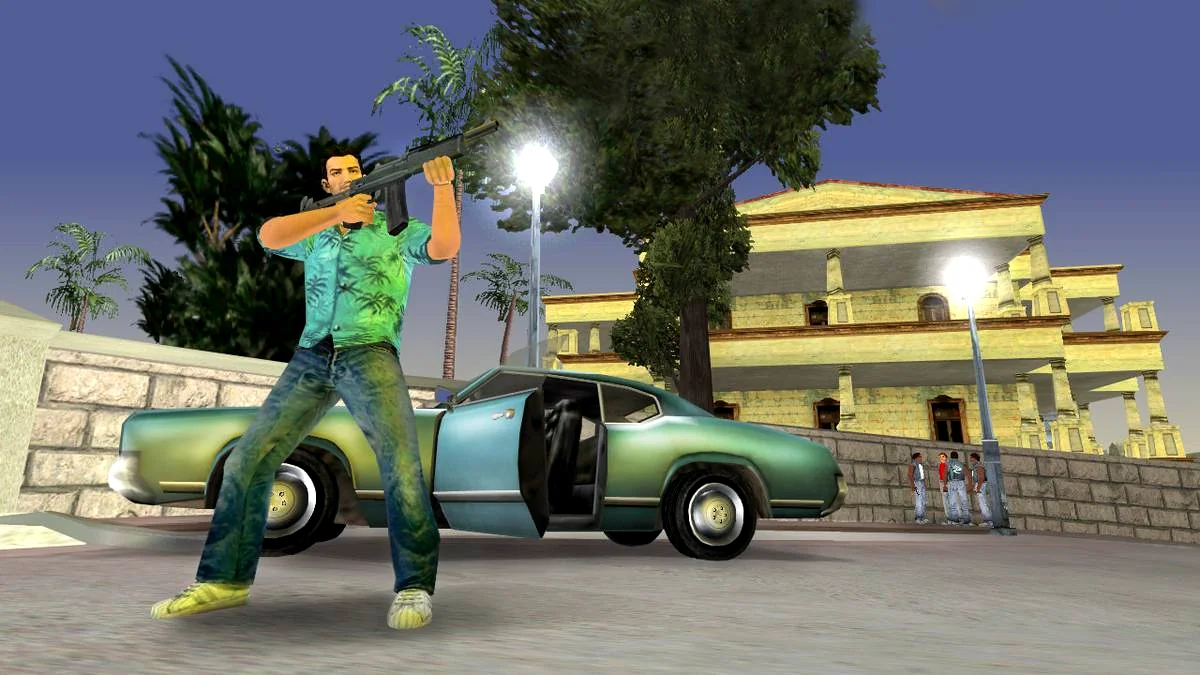
For many seasoned gamers, the notion of experiencing Grand Theft Auto: Vice City directly within a web browser felt like a distant, almost impossible dream, especially considering the game’s original hardware demands. Yet, DOS Zone, a platform celebrated for its prowess in migrating classic PC titles to modern browsers, recently turned this fantasy into reality. They successfully ported the entire neon-soaked expanse of GTA: Vice City, enabling players to dive back into the 80s-themed metropolis from virtually any internet-connected device. This technical marvel immediately captivated the gaming community, eliciting a potent mix of excitement and genuine disbelief at the smooth, browser-based performance.
How DOS Zone Made the Impossible Possible (and Portable)
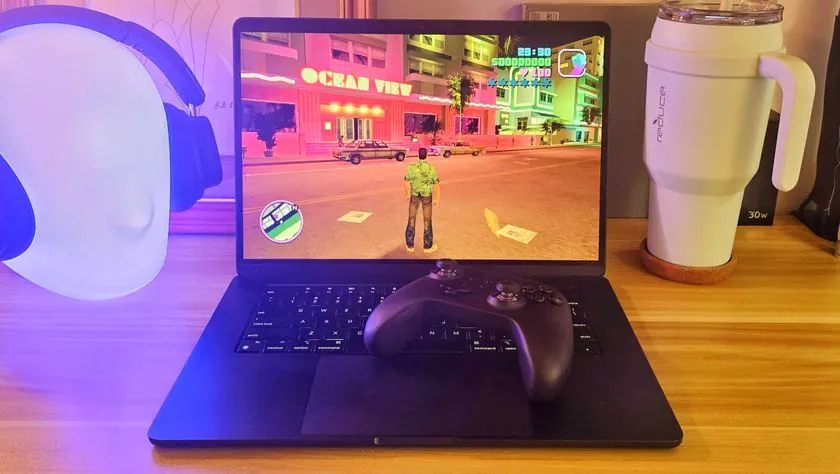
The browser port wasn’t merely a layer of emulation; it represented a fundamental re-engineering of the game’s core engine. By ingeniously leveraging WebAssembly and cutting-edge browser APIs, the DOS Zone team meticulously redesigned low-level systems—including rendering, input handling, audio, and file access—to operate with remarkable efficiency without requiring any native installation. This innovative methodology drastically reduced the game’s system requirements, making the 2002 classic playable on hardware significantly less powerful than its initial demands, and in many ways, even outperforming the surprisingly resource-intensive ‘Definitive Edition’ remasters in terms of sheer accessibility and minimal hardware footprint. Furthermore, the port seamlessly integrated support for both game controllers and touch input, ensuring versatile playability across a wide array of devices.
GTA: Vice City System Requirements Comparison
| Criteria | Original (2002) | Definitive Edition (2021) | DOS Zone Browser Port |
|---|---|---|---|
| CPU | Intel Pentium III / AMD Athlon | Intel Core i7-2700K / AMD Ryzen 5 2600 | Modern web browser (significantly lower) |
| RAM | 128 MB | 8 GB | Browser dependent (minimal) |
| Storage | 915 MB | 45 GB (Trilogy) | N/A (user-supplied files) |
| GPU | 32 MB DirectX 9.0c compatible | NVIDIA GeForce GTX 760 / AMD Radeon R9 280 | Browser-compatible GPU (minimal) |
The Inevitable Takedown: Take-Two’s Copyright Hammer Falls
The initial euphoria surrounding the browser port, however, proved to be fleeting. Take-Two Interactive, the formidable parent company of Rockstar Games and the unequivocal owner of the Grand Theft Auto franchise, wasted no time in issuing a Digital Millennium Copyright Act (DMCA) takedown notice against DOS Zone. Despite the platform’s diligent disclaimers and an innovative system that required users to upload their own original game files, Take-Two unequivocally declared the project an infringement of their intellectual property rights. This decisive legal action forced DOS Zone to remove the game, extinguishing the community’s excitement and leading to widespread disappointment.
“It has come to our attention that your website is hosting and promoting a browser-based project that uses that name ‘Grand Theft Auto: Vice City.’ Your website further invites users to input data and keys from original game copies to access or unlock functionality. This activity facilitates unauthorized use of copyrighted game content and may constitute circumvention of technological protection measures, in violation of applicable copyright law, including the DMCA. Despite the disclaimers published on your site, your project is not authorized, licensed, endorsed, or approved by Take-Two or Rockstar Games. The use of our client’s trademarks, copyrighted materials, and game-related references in this manner is misleading to users and constitutes infringement of Take-Two’s intellectual property rights.”
The Legal Landscape: Why Rights Holders Act
Take-Two Interactive maintains a well-established and assertive history of protecting its intellectual property. For ‘work-for-hire’ titles such as GTA: Vice City, video game copyrights typically endure for an extensive period: 95 years from publication or 120 years from creation, whichever is shorter. Given the game’s 2002 release, this means it will not enter the public domain until approximately 2097. This extended copyright duration, combined with the fact that Take-Two actively continues to sell new copies of GTA: Vice City across a multitude of platforms, provides them with robust legal grounds to pursue unauthorized ports and fan projects, even those that incorporate disclaimers or mandate user ownership of the original game.
reVCDos Rises: A New Hope for Browser Preservation?
Undeterred by the takedown, the resilient DOS Zone team relaunched their browser port on December 30, 2025, under the new moniker reVCDos. This revamped project introduced a critical strategic shift: it no longer hosts any Rockstar or Take-Two game assets on its servers. Instead, players are now explicitly required to provide their own original Vice City game files—obtained through personal purchase or backup—and upload them directly into the browser interface. This innovative compromise aims to safeguard browser-based access while substantially reducing the legal exposure for DOS Zone by shifting the burden of copyrighted content distribution entirely to the user.
reVCDos: The New Browser Play Model
Pros
- Significantly reduces DOS.Zone’s legal risk by not hosting copyrighted assets.
- Preserves the technical achievement and accessibility of browser play.
- Cloud-save functionality remains intact, maintaining user convenience.
- Promotes legitimate ownership by requiring original game files.
Cons
- Adds an extra step for users, requiring them to locate and upload game files.
- Does not alter the underlying copyright status of the game files themselves.
- May still face scrutiny if rights holders argue it ‘facilitates’ infringement.
- Relies on users having accessible, un-DRM’d original game files.
The Broader Implications: Fan Projects and the Future of Classics
The compelling saga of GTA: Vice City in the browser serves as a powerful microcosm of a much larger, enduring struggle within the gaming industry: the inherent tension between passionate fan communities dedicated to game preservation and innovative development, and powerful rights holders fiercely committed to protecting their intellectual property. While companies like Take-Two are entirely within their rights to defend their assets, incidents such as this frequently ignite critical debates about the long-term accessibility of classic games, particularly when original versions are no longer officially available for purchase (a situation that affected the original Vice City before the ‘Definitive Edition’ release). The reVCDos model, while imperfect, represents a creative and pragmatic middle ground, yet the fundamental questions surrounding digital ownership, the legitimacy of fan-made ports, and the ultimate longevity of gaming history continue to resonate.
Key Questions for the Future of Game Preservation
- How can rights holders and fan communities collaborate for mutual benefit?
- What role should digital storefronts play in preserving access to classic game versions?
- Will browser-based ports become a more common, legally viable method for accessing retro titles?
- How will the balance of IP protection versus public access evolve in the digital age?
Frequently Asked Questions About GTA: Vice City in Browser
Is GTA: Vice City still playable in a web browser?
Yes, but not in its original form. DOS Zone relaunched the project as reVCDos, requiring users to upload their own legitimate game files to enable play.
Why was the original browser version taken down?
Take-Two Interactive issued a DMCA (Digital Millennium Copyright Act) takedown notice, citing infringement of their intellectual property rights, even with disclaimers about ownership.
Do I need to own the original game to play reVCDos?
Yes. The reVCDos platform requires you to provide your own original game files (e.g., from a CD-ROM or legitimate digital purchase) which are then uploaded to run the game in your browser.
Is reVCDos affiliated with Rockstar Games or Take-Two?
No, the reVCDos project is an independent, fan-made effort and is not authorized, licensed, endorsed, or approved by Take-Two or Rockstar Games.