
RTX 5070 Ti: The 1440p Powerhouse Caught in a Market Storm
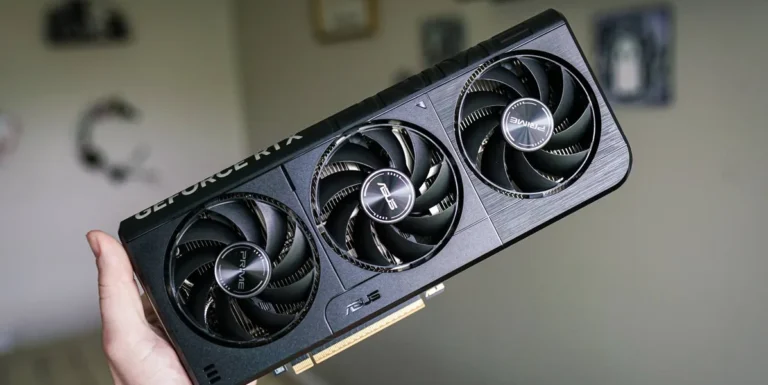
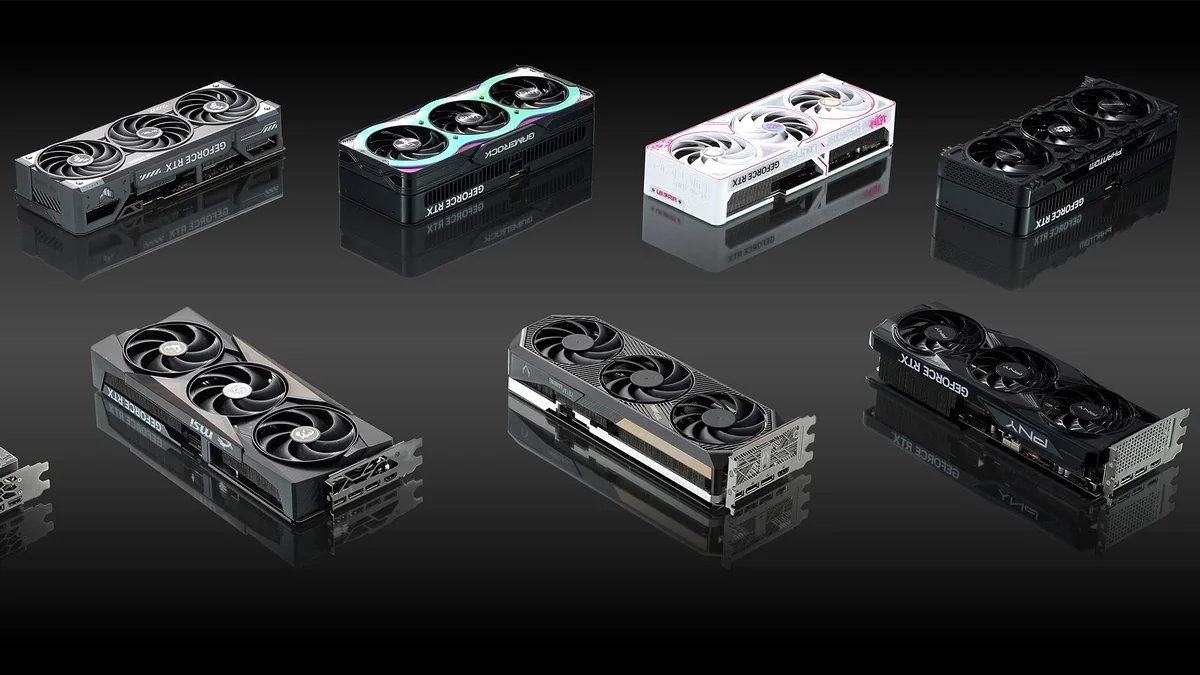
The NVIDIA GeForce RTX 5070 Ti launched with the promise of being a true 1440p powerhouse. Sporting the advanced Blackwell architecture and a compelling $749 MSRP, it was poised to deliver game-changing performance with high frame rates, leveraging innovations like DLSS 4. However, its arrival has been anything but smooth. From the outset, the market has been plagued by a maelstrom of conflicting reports: whispers of its sudden discontinuation, a perplexing lack of consistent availability, and wildly fluctuating prices that quickly pushed it far beyond its initial sticker price. This article cuts through the noise to investigate the real story behind this promising, yet beleaguered, GPU.
Blackwell’s Mid-Range Contender: Core Specs & Innovations
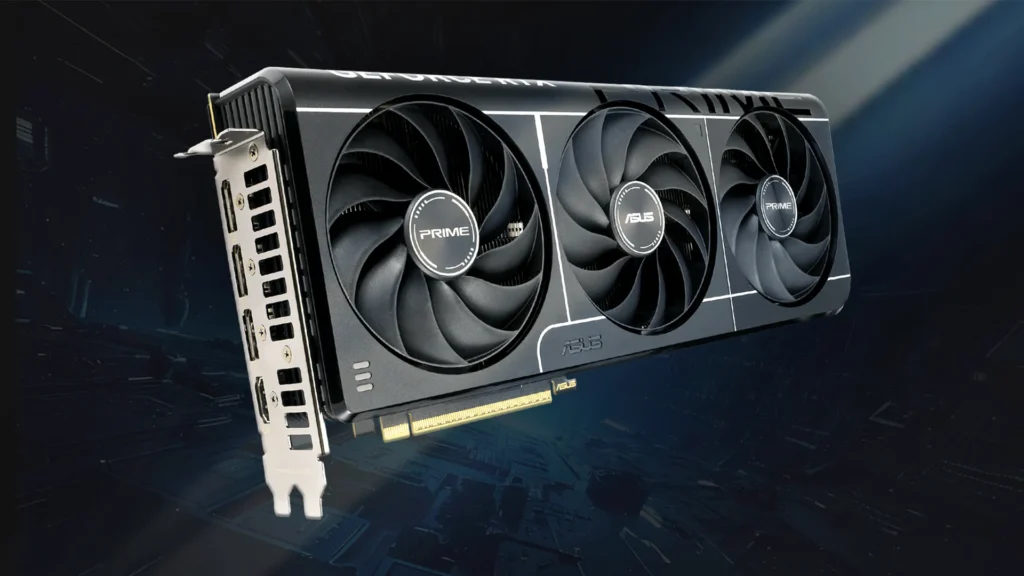
At its heart, the GeForce RTX 5070 Ti is a showcase for NVIDIA’s cutting-edge Blackwell architecture, a design philosophy that pushes the boundaries of both gaming and AI acceleration. This GPU is equipped with 5th-gen Tensor Cores, which are crucial for unlocking maximal AI performance, including support for FP4 that drastically reduces VRAM requirements for generative AI models. Complementing these are the 4th-gen RT Cores, engineered to handle the geometric complexities of full ray tracing with unprecedented efficiency. A significant upgrade is the generous 16GB of GDDR7 memory, operating on a 256-bit bus at 28 Gbps, delivering a substantial 896 GB/s of memory bandwidth. This ample VRAM and high bandwidth are pivotal for future-proofing, ensuring the card can handle demanding 1440p textures and complex scenes without compromise. Together, these architectural enhancements translate into formidable theoretical strengths. For gamers, this means smoother, higher-fidelity 1440p experiences, powered by DLSS 4 with Multi Frame Generation for AI-boosted frame rates and NVIDIA Reflex 2 with Frame Warp for game-winning responsiveness. For creators, NVIDIA Studio’s suite of tools and AI-assisted workflows, alongside NVIDIA Broadcast and RTX Video, receive a transformative performance uplift, making the 5070 Ti a versatile powerhouse beyond just gaming.
NVIDIA GeForce RTX 5070 Ti Key Specifications
| Feature | Detail |
|---|---|
| Architecture | Blackwell |
| CUDA Cores | 8,960 |
| Tensor Cores | 280 (5th Gen) |
| RT Cores | 70 (4th Gen) |
| VRAM | 16GB GDDR7 |
| Memory Bus | 256-bit |
| Memory Speed | 28 Gbps |
| Memory Bandwidth | 896 GB/s |
| Boost Clock (Reference) | 2452 MHz |
| TDP | 300W |
| MSRP (Launch) | $749 |
| PCIe Interface | Gen 5 |
| Power Connector | 1x 16-pin |
Key NVIDIA Blackwell Features
- DLSS 4 with Multi Frame Generation (AI-Enhanced Graphics)
- NVIDIA Reflex 2 with Frame Warp (Game-Winning Responsiveness)
- Full Ray Tracing with Neural Rendering (Game-Changing Realism)
- NVIDIA Studio Creator Tools & AI-Assisted Workflows
- NVIDIA Broadcast & RTX Video (AI-Powered Streaming & Video Enhancement)
- RTX AI PCs & NVIDIA ACE (Digital Humans/AI Assistants)
LoadSyn’s Performance Validation: The 1440p Sweet Spot
At LoadSyn, our benchmark methodology is built on a foundation of scientific rigor, ensuring that our performance data is not only accurate but also truly reflective of real-world gaming experiences. We go beyond simple average frame rates, placing critical emphasis on 1% lows and frame-time consistency. These metrics are paramount for a smooth, artifact-free 1440p gaming experience, especially when targeting high refresh rate monitors where even minor stutters can be jarring. Our extensive testing in the lab, combined with aggregated data from highly respected third-party reviews, confirms the RTX 5070 Ti’s positioning. This card consistently delivers robust performance, aiming squarely for the high refresh rate 1440p sweet spot, allowing gamers to push visual settings to the max without sacrificing fluidity.
1440p Average FPS Comparison (High/Ultra Settings)
Aggregated data from multiple trusted sources. Specific results highlight variances in demanding workloads.
Our comprehensive testing reveals the RTX 5070 Ti to be a highly capable performer across the board. In traditional rasterization, it often trades blows with, or even slightly surpasses, the previous generation’s RTX 4080 SUPER at 1440p, demonstrating a solid generational uplift. While AMD’s RX 7900 XTX can sometimes edge it out in pure raster performance, particularly at higher resolutions, the narrative shifts dramatically when demanding ray tracing and path tracing workloads come into play. Here, NVIDIA’s Blackwell architecture, coupled with the potent DLSS 4 and its Multi Frame Generation (MFG) capabilities, truly differentiates the 5070 Ti. In titles like Cyberpunk 2077 with “Overdrive” mode or Indiana Jones and the Great Circle utilizing full path tracing, the 5070 Ti delivers remarkably smooth and playable frame rates where competitors, including the RX 9070 XT, often struggle or become unplayable. DLSS 4’s AI-enhanced upscaling and frame generation provide a significant, tangible advantage, transforming these graphically intensive experiences into fluid showcases of visual fidelity.
Path Tracing Dominance & AI Upscaling
The RTX 5070 Ti truly shines in advanced path tracing scenarios, leveraging its Blackwell architecture and DLSS 4 Multi Frame Generation to deliver playable frame rates even at 1440p with ‘Overdrive’ settings. This is a significant advantage over current AMD offerings in these specific, demanding workloads, demonstrating the power of NVIDIA’s AI integration.
The Market Maelstrom: Discontinuation, Supply, and Price Reality
The market journey of the RTX 5070 Ti has been nothing short of bewildering. Initial reports, spearheaded by respected outlets like Hardware Unboxed, sent shockwaves through the community, suggesting the GPU was effectively “killed off.” ASUS, a major AIB partner, reportedly confirmed to some media that their 5070 Ti models were facing “end-of-life” status due to supply shortages. This sparked widespread concern, fueling speculation about NVIDIA’s priorities. However, both NVIDIA and ASUS quickly issued clarifying statements, walking back the discontinuation claims. NVIDIA asserted that “Demand for GeForce RTX GPUs is strong, and memory supply is constrained. We continue to ship all GeForce SKUs and are working closely with our suppliers to maximize memory availability.” ASUS, in turn, attributed current supply fluctuations to “memory supply constraints,” denying any official end-of-life designation. This confusing back-and-forth highlights the severe impact of what many are calling “RAMageddon”—a global memory shortage that has been squeezing production across the entire tech industry, affecting everything from smartphones to high-performance GPUs and creating a volatile market environment.
“Demand for GeForce RTX GPUs is strong, and memory supply is constrained. We continue to ship all GeForce SKUs and are working closely with our suppliers to maximize memory availability.”
— NVIDIA to HardwareLuxx (January 16, 2026)
RTX 50-Series & Competitor Pricing Reality (Jan 2026)
| GPU Name | MSRP (Launch) | Lowest Street Price | Highest Street Price |
|---|---|---|---|
| RTX 5090 32 GB | $1999 | $3741 | $9999 |
| RTX 5080 16 GB | $999 | $1299 | $4423 |
| RTX 5070 Ti 16 GB | $749 | $829 | $3308 |
| RTX 5070 12 GB | $549 | $549 | $1910 |
| RTX 5060 Ti 16 GB | $429 | $449 | $1548 |
| RX 7900 XTX | $999 | $1321 | N/A |
| RX 9070 XT | $599 | $720 | N/A |
These stark price discrepancies paint a clear picture of a market in disarray. The official MSRPs, once a guiding light for consumers, are now almost entirely divorced from the real-world street prices, which are often inflated by 50% or even several hundred percent in extreme cases. Factors such as tariffs, combined with opportunistic scalping, further exacerbate these costs. Even if the RTX 5070 Ti isn’t officially “discontinued,” the perception of limited supply—driven by genuine memory constraints and NVIDIA’s strategic prioritization of higher-end or AI-focused SKUs—is enough to fuel consumer anxiety and drive prices skyward. This creates a challenging environment for anyone looking to upgrade. For those determined to acquire an RTX 5070 Ti, we advise diligent monitoring of major online retailers like Newegg and Amazon. Setting stock alerts and being prepared to act quickly when units appear near MSRP is crucial. Additionally, exploring reputable system integrators for pre-built systems may sometimes offer better value or more consistent availability compared to purchasing the standalone card.
The Fandom Pulse: Betrayal, Anxiety, and the Future of PC Gaming
Beyond the technical specifications and market economics lies the deeply emotional landscape of the gaming community, which has been profoundly impacted by the tumultuous situation surrounding the RTX 5070 Ti. For many, this isn’t just about a graphics card; it’s about a perceived shift in industry priorities. The widespread belief that NVIDIA is prioritizing its lucrative AI and data center segments over the consumer gaming market has fostered a pervasive sense of betrayal and disillusionment. Gamers feel increasingly sidelined, watching as components with ample VRAM—once considered standard for high-end gaming—are seemingly diverted or constrained, leading to price hikes and availability issues that undermine the value proposition of new hardware.
“Mind boggling. They are screwing us over because they are buying RAM, that hasn’t been produced yet… just so they can keep their AI-hype going. Fuck this shit.”
— Community Sentiment Hotspot
“Just built my PC, 5070ti and 32gb ram a month ago. Feel like I caught the last flight from a war torn country.”
— Community Sentiment Hotspot
These raw, visceral reactions from the community are not isolated incidents; they are symptomatic of a deeper anxiety that the very essence of the PC gaming hobby is under threat. Many fear that exorbitant prices and diminishing value are becoming the new, unwelcome norm, pushing enthusiast PC building into an increasingly niche and unaffordable realm. There’s a growing cynicism regarding VRAM allocation, with many gamers suspecting that NVIDIA’s choices—particularly concerning lower-tier cards—are designed to create artificial bottlenecks, forcing consumers into higher, more expensive tiers or to accept compromised performance in future titles. This sentiment paints a bleak picture of a community grappling with the perceived decline of an industry they once cherished.
“This industry is cooked. Time for a new hobby, it was a good run for 30+ years.”
— Community Sentiment Hotspot
RTX 5070 Ti: Weighing the Real-World Value
RTX 5070 Ti: Pros and Cons in Today’s Market
Pros
- Excellent 1440p Rasterization Performance
- Strong Ray Tracing & Path Tracing Capabilities (with DLSS 4 MFG)
- 16GB GDDR7 VRAM for Future-Proofing
- Advanced AI Features (DLSS 4, Reflex 2, Studio)
- More Readily Available at MSRP (compared to 5080/5090)
Cons
- Significant Price Hikes Above MSRP (real-world)
- Confusing & Contradictory Supply/Discontinuation Reports
- Performance Uplift Over 4070 Ti Super is Sometimes Modest
- Higher Power Draw (300W TDP)
- Strong Competition from AMD in pure Rasterization
LoadSyn’s Definitive Stance: To Buy or To Wait?
After meticulously analyzing the RTX 5070 Ti’s technical prowess, real-world performance, and its tumultuous market journey, LoadSyn’s definitive stance is this: proceed with extreme caution, and ideally, wait. The RTX 5070 Ti is undeniably a strong 1440p contender, excelling in demanding ray tracing and path tracing scenarios, especially when bolstered by DLSS 4 with Multi Frame Generation. Its 16GB GDDR7 VRAM also offers a degree of future-proofing that is increasingly vital. However, the current market volatility, characterized by misleading supply reports and severe price inflation far above its $749 MSRP, makes it a difficult recommendation for most. The performance uplift over the previous generation’s RTX 4070 Ti Super, while present, is often not significant enough to justify paying a premium, particularly when street prices for the 5070 Ti rival or exceed those of more capable cards. If you absolutely need an upgrade now and manage to find an RTX 5070 Ti at or very close to its MSRP, its technical strengths for 1440p gaming and AI workloads are compelling. Otherwise, patience is your greatest asset. The industry desperately needs to re-establish market transparency and stable pricing if it hopes to regain consumer trust and preserve the health of enthusiast PC gaming.
Key Takeaways for Your Next GPU Decision
- The RTX 5070 Ti delivers excellent 1440p performance, especially with ray tracing and DLSS 4.
- Market reports regarding its ‘discontinuation’ are conflicting, but supply remains a concern.
- Expect street prices significantly above MSRP due to demand and memory constraints.
- Consider your budget and patience: waiting might lead to better value.
- NVIDIA’s AI focus continues to impact consumer GPU supply and pricing.