
Key Takeaways
- The RTX 50 SUPER Series refresh is now officially delayed, targeting an announcement at CES 2026 (Q1) or potentially later (Q3 2026 retail) due to critical GDDR7 supply constraints.
- The delay is driven by NVIDIA prioritizing high-margin AI chips (Blackwell GB200) and a global surge in 3GB GDDR7 memory costs, leading to an ‘AI Tax’ on consumer GPUs.
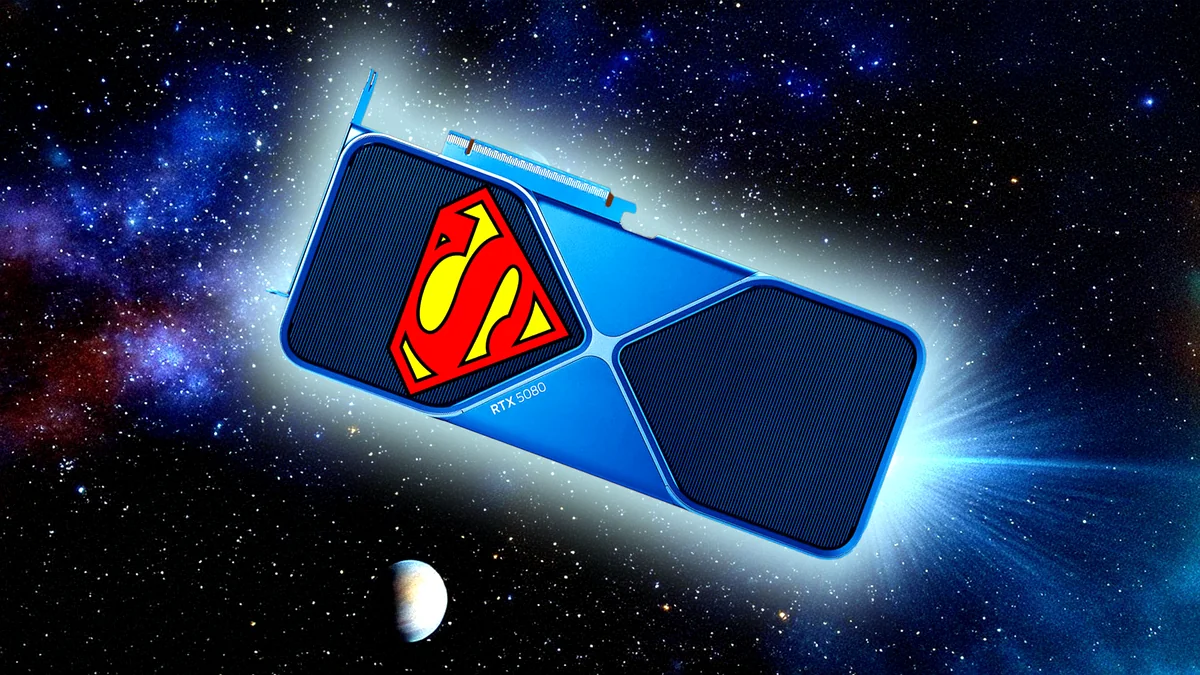
- The RTX 5080 SUPER is rumored to retain the same 10,752 CUDA cores as the vanilla 5080 but will feature a 24GB VRAM upgrade, leading to widespread skepticism over its ‘SUPER’ designation as a performance upgrade.
- Estimated pricing for the 5080 SUPER is highly volatile ($1,100-$1,300 USD, potentially $1,400+ for AIBs), with current RTX 5080 street prices already hitting $1,600+.
- Widespread thermal hotspots (80-107°C) have been identified in RTX 50-series GPUs, raising serious longevity concerns due to dense VRM placement and potentially flawed NVIDIA Thermal Design Guides.
- NVIDIA has reportedly canceled its MSRP incentive program for AIBs, signaling an end to predictable retail pricing and potential 30%+ price hikes for current-gen cards by 2026.
The highly anticipated mid-cycle refresh of the NVIDIA GeForce RTX 50 series, typically dubbed ‘SUPER,’ has hit a major roadblock—one forged in the fires of the AI boom. While industry watchers optimistically expected these enhanced GPUs to land in late 2025, new reports from reliable hardware leakers suggest the timeline has been pushed back significantly, potentially into the latter half of 2026. This delay is far more than a simple scheduling adjustment; it signals a fundamental, structural shift in NVIDIA’s market priorities, driven by unprecedented demand in the high-margin AI sector and a volatile global memory supply chain. For gamers waiting for a performance and VRAM correction to the initial RTX 50 launch, the wait just got a lot longer—and critically, a lot more expensive, thanks to the undeniable ‘AI Tax’ that prioritizes enterprise silicon over the needs of the desktop enthusiast.
The New Timeline: CES 2026 and the Technical Roadmap
Initial leaks suggested a late 2025 holiday launch, but sources now confirm the RTX 50 SUPER series is targeting an announcement at CES 2026, with retail availability potentially stretching into Q3 2026. This delay of several months is critical, pushing the refresh dangerously close to the projected launch window of the next-generation Rubin (RTX 60) architecture. This postponement is reportedly influenced by NVIDIA’s assessment of a lack of compelling competition from AMD within 2026, removing immediate pressure for a rapid refresh. The core technical strategy for the SUPER variants remains focused on addressing one of the biggest criticisms of the initial 50-series launch: insufficient VRAM for high-resolution, ray-traced gaming. Specifically, the entire strategy hinges on the mass availability of new 3GB GDDR7 modules to enable high-density memory configurations, which has become the primary bottleneck in the consumer supply chain.
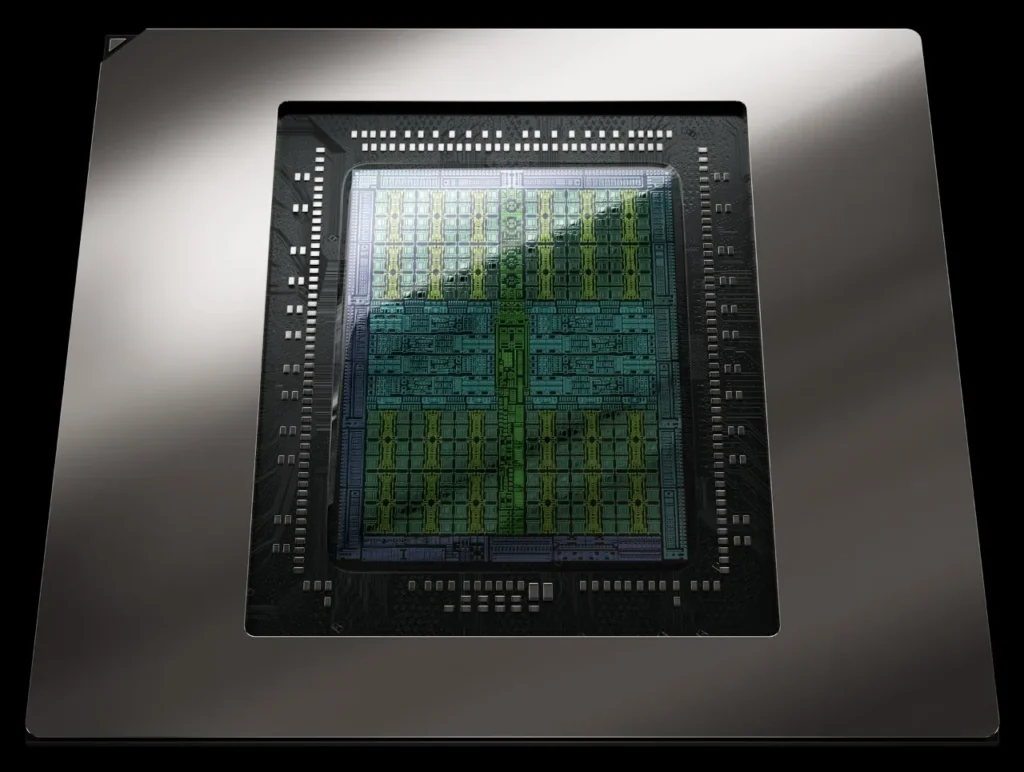
The Blackwell architecture, originally designed for the RTX 50 series, will underpin the delayed SUPER variants, focusing on enhanced Tensor Core performance and GDDR7 integration.
Anticipated RTX 50 SUPER & Baseline 5080 Specifications (Leak)
| SKU | CUDA Cores (Approx.) | VRAM | Memory Bus Width | GDDR7 Speed | Estimated TBP |
|---|---|---|---|---|---|
| RTX 5080 (Vanilla) | 10,752 (Full GB203) | 16 GB | 256-bit | 30 Gbps | 360W |
| RTX 5080 SUPER | 10,752 (Full GB203) | 24 GB | 256-bit | 32-36 Gbps | 400-415W |
| RTX 5070 Ti SUPER | 8,960 (GB203-350) | 24 GB | 256-bit | 28 Gbps | ~340W |
| RTX 5070 SUPER | 6,400 (GB205-400) | 18 GB | 192-bit | 28 Gbps | ~300W |
The ‘SUPER’ Deception: VRAM Patch, Not a Core Upgrade
The most controversial leak surrounding the RTX 5080 SUPER is the rumored core configuration. While the card is expected to utilize the full GB203 die, delivering 10,752 CUDA cores, this is the exact same core count as the vanilla RTX 5080. This lack of a core bump immediately fuels skepticism, suggesting that the ‘SUPER’ designation primarily hinges on the massive VRAM upgrade from 16GB to 24GB and the accompanying bandwidth boost from faster 32-36 Gbps GDDR7 modules (potentially achieving 1.15 TB/s). Performance projections are fiercely contested: some analysts suggest the 5080 SUPER will be only 5% to 8% faster than the standard 5080 in raw rasterization. Conversely, optimistic forecasts believe the 24GB VRAM buffer and DLSS 4 optimizations will push it up to 15% faster, potentially allowing it to surpass the RTX 4090 in specific, highly memory-intensive ray-traced scenarios. Ultimately, without a core count increase, the 5080 SUPER risks being perceived as a mere VRAM patch rather than a true generational performance upgrade, making its projected $1,100+ price tag a difficult pill to swallow for enthusiasts who demand silicon-level advancement.
Performance Outlook: RTX 5080 SUPER vs. Predecessors & Flagship
| GPU Model | CUDA Cores | VRAM | Memory Bus | TBP (Approx.) | Raster Perf. vs. 4080S | Raster Perf. vs. 5090 |
|---|---|---|---|---|---|---|
| RTX 4080 SUPER | 10,240 | 16 GB GDDR6X | 256-bit | 320W | Baseline | ~30-40% Slower |
| RTX 5080 (Vanilla) | 10,752 | 16 GB GDDR7 | 256-bit | 360W | ~5-8% Faster | ~30-45% Slower |
| RTX 5080 SUPER (Rumored) | 10,752 | 24 GB GDDR7 | 256-bit | 400-415W | ~10-15% Faster | ~25-40% Slower |
| RTX 5090 (Desktop) | 21,760 | 32 GB GDDR7 | 512-bit | 575W | ~30-60% Faster | Baseline |
The AI Tax: Why Enterprise Prioritization Is Hurting Gamers
The primary force driving the SUPER delay and the impending price shock is purely financial: NVIDIA’s overwhelming commitment to the data center market. The company is currently engaged in massive infrastructure investments, prioritizing high-margin AI chips like the Blackwell GB200 Superchips. This monumental shift has caused the entire memory supply chain to pivot aggressively away from consumer products. For instance, Micron recently confirmed it is winding down its long-standing Crucial consumer business entirely to focus on High-Bandwidth Memory (HBM) and high-margin LPDDR5X used in AI platforms. When a major manufacturer abandons the consumer market to serve hyperscalers, the GeForce line is inevitably starved of necessary components, especially the high-density 3GB GDDR7 modules needed for the 50 SUPER refresh. Adding to this, industry insiders report NVIDIA has quietly terminated its ‘OPP’ (Open Price Program) that incentivized AIB partners to sell GPUs at MSRP, effectively ending any pretense of predictable retail pricing and opening the door to even steeper price hikes for the end-user.
The GDDR7 Memory Crisis: Prices Soar, Supply Dwindles
The plan to hit 18GB and 24GB VRAM targets relied on the mass availability of new 3GB GDDR7 modules. However, DRAM contract prices have surged over 170% year-over-year. Memory manufacturers are reallocating capacity away from consumer GDDR7 toward the much higher-margin HBM used in AI servers, starving the GeForce line of the necessary high-density modules. This crisis is already leading to projected price hikes of 30% for GDDR6 by year-end, which will inevitably be passed on to the consumer in the form of higher GPU MSRPs for the 50 SUPER series. In response, NVIDIA is reportedly shifting its production focus towards more cost-effective 8GB RTX 5060 and 5060 Ti models, drastically cutting supply of higher-end 16GB+ variants like the 5070 Ti and 5080, making them significantly scarcer and more expensive.
“I hope Mr Jensen Huang understands that it’s better to sell gpu’s to gamers ie:board partners pay in cash at the very moment, rather than prioritizing it to AI data centres for Credit without knowing will they even be able to pay them back in future.”
— Fandom Pulse Emotional Hotspot (Disappointment/Worry)
Pricing Reality: The ‘AI Tax’ Hits Your Wallet
Historically, the ‘SUPER’ refresh either replaces the original card at the same MSRP (like the 4070 SUPER) or lowers the price of the high-end card (like the 4080 SUPER dropping to $999). However, the 50 SUPER refresh is operating under completely punitive market conditions. Due to GDDR7 scarcity and component cost inflation, analysts project the RTX 5080 SUPER will launch with a significant premium over the $999 baseline, with estimates ranging from $1,100 to $1,300 USD. This is compounded by Add-in Board (AIB) partners. Leaks from European retailers like Proshop confirm that custom boards will add substantial premiums; custom boards like the Gigabyte Gaming OC and Aorus Xtreme are already listed at 15% to 35% above the baseline price, meaning the real-world price for a non-reference 5080 SUPER could easily exceed $1,400. This isn’t theoretical; current street prices for the vanilla RTX 5080 are already reaching $1,599 at major retailers like Best Buy, significantly above its launch MSRP. Regional pricing variance is also severe, with European markets seeing 15-20% price hikes on 16GB or more VRAM RTX 50 series models.
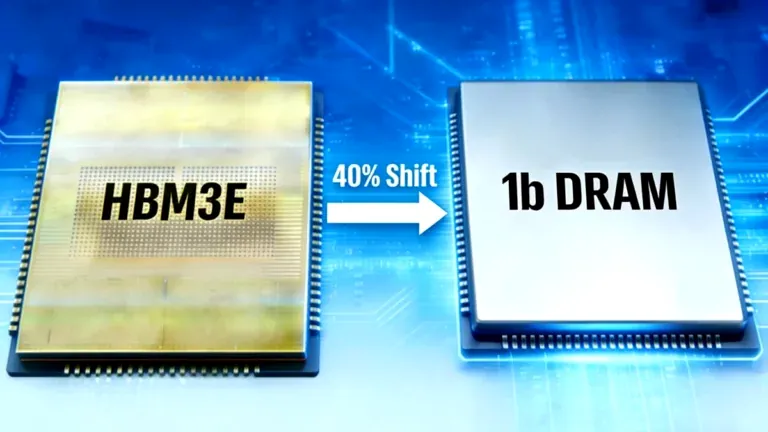
The ‘AI Tax’ is real: soaring memory costs and enterprise prioritization are fundamentally reshaping consumer GPU pricing and availability.
The Historical Role of the SUPER Refresh
The ‘SUPER’ brand was established as a crucial mid-cycle correction mechanism. It was designed to fix missteps in the initial launch—specifically, poor price-to-performance ratios and VRAM shortages—before the next major architectural leap. The RTX 2070 SUPER and the RTX 4080 SUPER are prime examples of this strategy, offering better specs (like the 4080 SUPER dropping the MSRP to $999) and more VRAM (like the 2060 SUPER moving to 8GB). The severe delay and high projected cost of the 50 SUPER suggest that NVIDIA is currently unable or unwilling to execute this corrective strategy due to the overwhelming financial pressures of the AI market.
RTX 50 SUPER Series: The Market Trade-Offs
Pros
- Massive VRAM Correction (24GB on 5080 SUPER) for high-resolution gaming.
- Faster 32-36 Gbps GDDR7 modules for increased memory bandwidth (up to 1.15 TB/s).
- Potential 7-15% performance uplift in VRAM-intensive workloads (4K/8K, path tracing).
- Full utilization of DLSS 4 and Multi Frame Generation (MFG).
Cons
- Severe launch delay (CES 2026 or later) due to GDDR7 shortage and AI prioritization.
- High risk of price shock ($1,100 – $1,300+ MSRP) driven by the AI Tax and MSRP program cancellation.
- No core count increase for the RTX 5080 SUPER (same 10,752 cores as vanilla 5080).
- Widespread thermal hotspots (80-107°C) identified in RTX 50-series GPUs.
- RTX 5080 vanilla shows marginal performance uplift (~8%) over predecessor.
- Accelerated component price increases for current-gen cards throughout 2026.
Under the Hood: Widespread Thermal Hotspots Raise Longevity Concerns
Beyond pricing and availability, a more insidious issue has surfaced with the initial RTX 50-series cards: widespread thermal hotspots that could compromise long-term longevity. Veritable tech demigod Igor Wallossek of Igor’s Lab has discovered concerning hotspots on many RTX 50-series AIB partner cards, including the RTX 5080 and RTX 5070. These hotspots are primarily caused by excessively dense placement of power delivery components (VRMs) on the PCBs, connected via too few traces, leading to a critical lack of vertical heat dissipation. The problem is exacerbated where vias pass through copper power planes, concentrating heat in a small area. Igor’s testing revealed temperatures exceeding 80°C in the VRM hotspot on an RTX 5080 and a staggering 107°C on an RTX 5070, while the GPU core itself ran much cooler. A key part of the problem appears to stem from NVIDIA’s ‘Thermal Design Guide,’ which Igor describes as ‘far too imprecise and incomplete,’ especially regarding these critical areas. These temperatures, while not immediately causing instability, are dangerously close to the limits where long-term electromigration and ‘ageing effects’ can occur, potentially shortening the operational lifespan of these expensive GPUs to just a few years of heavy use. This design oversight, compounded by AIBs often omitting crucial thermal pads to backplates in these areas, underscores a systemic issue that impacts the very foundation of these cards.
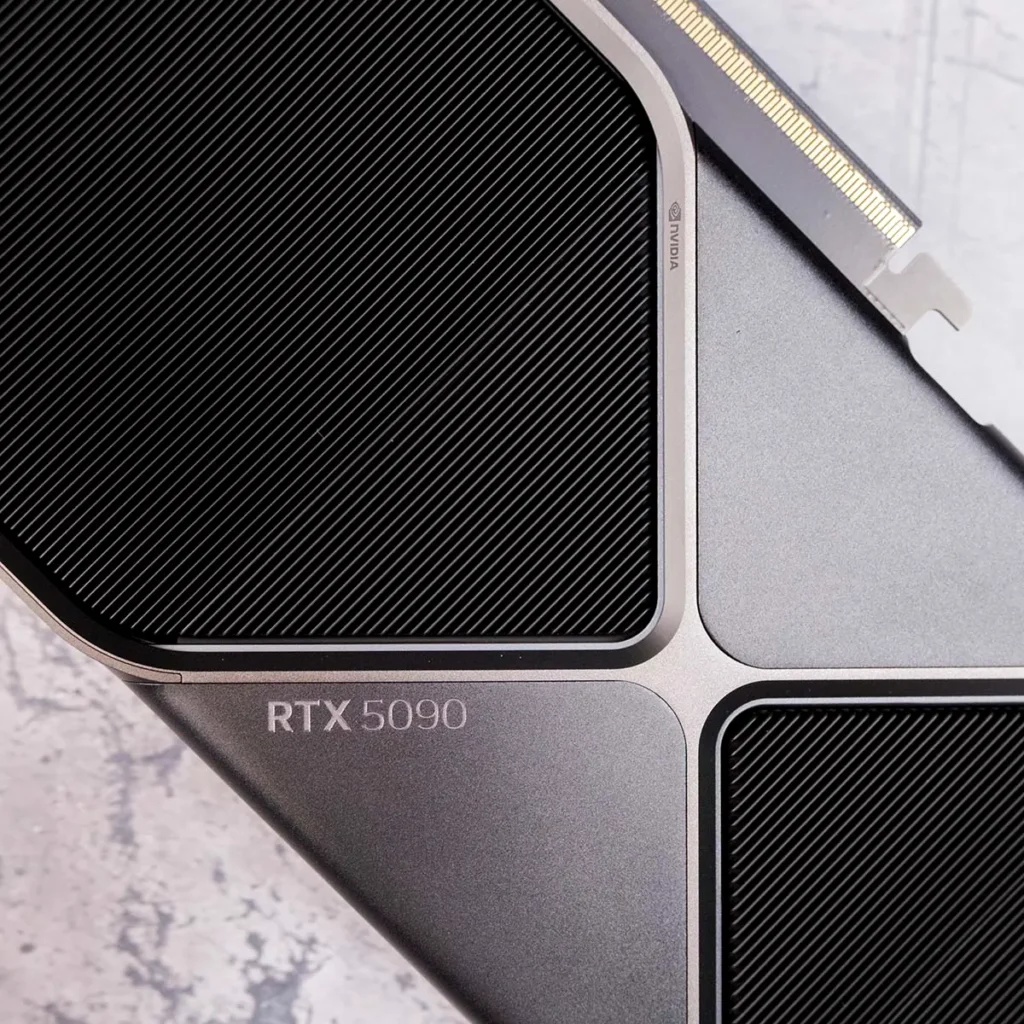
The dense packing of power delivery components on RTX 50-series PCBs, visible here on a 5090, contributes to identified thermal hotspot issues.
The Cornerstone Verdict: Stop Waiting, Buy Now
The RTX 50 SUPER delay is not a simple production hiccup; it is the inevitable, structural consequence of NVIDIA’s shift from a gaming company to an AI infrastructure giant. The convergence of soaring GDDR7 costs, the overwhelming demand for Blackwell chips, and now the concerning widespread thermal hotspots means the consumer market will continue to experience volatility, delayed releases, and potentially compromised hardware longevity. We advise gamers to stop being a ‘waiting victim’ for the SUPER correction. Instead, focus on the value proposition of existing, well-priced cards like the RTX 5080 or the RTX 4090 (if found at a reasonable price), ensuring any purchase has at least 16GB of VRAM. Decisive purchasing now is the only way to safeguard against the inevitable component price increases and supply shortages expected throughout 2026.
Frequently Asked Questions
When is the RTX 50 SUPER series now expected to launch?
The most recent leaks point toward an announcement at CES 2026 (January), with retail availability potentially delayed until Q3 2026 due to GDDR7 supply constraints and NVIDIA’s production shifts toward compute-heavy Blackwell lines.
How much will the RTX 5080 SUPER cost?
Pricing is highly volatile, but estimates place the MSRP between $1,100 and $1,300 USD. Furthermore, AIB custom models are expected to add 15% to 35% premiums, potentially pushing real-world prices above $1,400. Current vanilla RTX 5080 street prices are already hovering around $1,599.
Does the 5080 SUPER have more CUDA cores than the standard 5080?
No, rumors suggest the RTX 5080 SUPER will retain the same 10,752 CUDA cores as the vanilla 5080. The performance uplift comes primarily from the massive 24GB VRAM increase and faster 32-36 Gbps GDDR7 memory, leading to skepticism about its ‘SUPER’ designation as a core performance upgrade.
What are the reported thermal hotspot issues with RTX 50-series GPUs?
Igor’s Lab has identified widespread thermal hotspots (80-107°C in VRM areas) on many RTX 50-series AIB cards, including the 5080 and 5070. These are attributed to dense component placement and inadequate cooling routes, potentially compromising the graphics card’s long-term longevity under heavy use.
Is the RTX 5080 still a good buy despite the delay and issues?
Yes. Given the high price risk, delay of the SUPER, and new thermal concerns, the existing RTX 5080 (or even a well-priced RTX 4090) remains a strong, practical choice for 4K gaming, provided it has at least 16GB VRAM. Buying now avoids the potential 30%+ component price increases expected throughout 2026.