
Key Takeaways
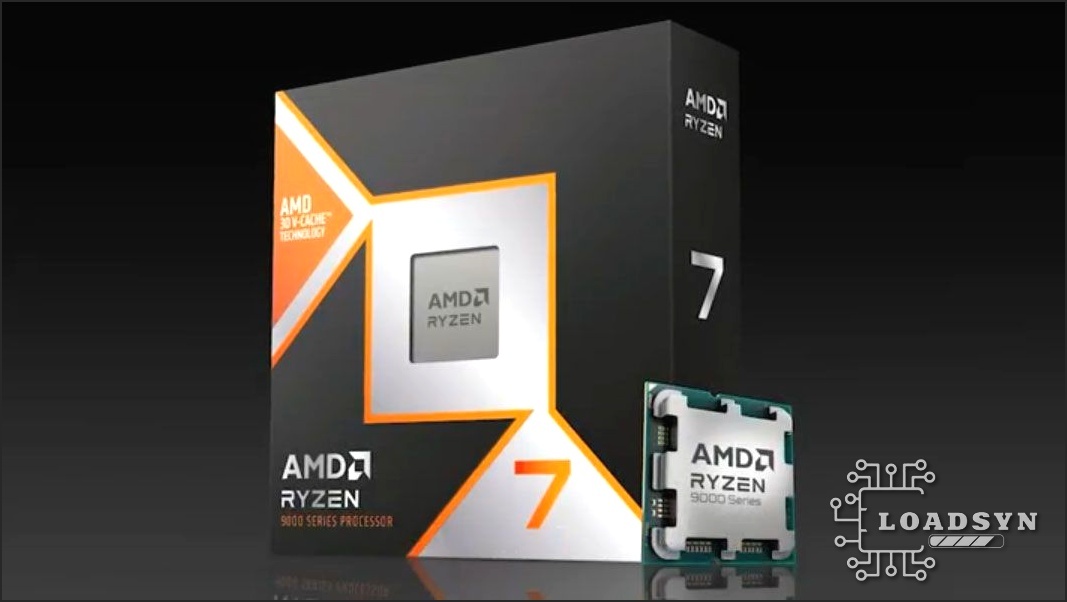
- The Ryzen 7 9800X3D, leveraging Zen 5 and 2nd Gen 3D V-Cache, decisively retains its title as the world’s premier gaming CPU, delivering an average FPS uplift of 8% over the 7800X3D and a substantial claimed 20% lead against the Intel Core Ultra 9 285K.
- The Radeon RX 9070 XT is a true 4K performance champion, capable of pushing triple-digit frame rates, including a verified 144 FPS in demanding titles like DOOM Eternal. This represents a massive generational leap, showing a 40%+ average performance boost over the previous RX 7900 GRE.
- This build rejects the typical flashing RGB aesthetic, prioritizing superior thermal efficiency and silent operation within the critically acclaimed ASUS ProArt PA401 Wood Edition chassis, making it perfect for professional workstations that game hard.
- The combined architectural power of Zen 5 and RDNA 4, supported by advanced features like ML-accelerated FSR 4, positions this $1,078 core CPU/GPU pairing as the highest-value, future-proofed 4K machine available today.
I. The Core Engine: Zen 5 Meets RDNA 4
This build is not just a collection of parts; it is a statement about performance synergy and architectural refinement. By pairing the newly launched Ryzen 7 9800X3D—AMD’s latest Zen 5 gaming flagship—with the powerful Radeon RX 9070 XT, we are targeting an uncompromising 4K experience that eliminates CPU bottlenecks entirely. The 9800X3D benefits from 2nd Gen 3D V-Cache technology, which stacks 64MB of dedicated L3 cache to provide an unprecedented 104MB total cache. This massive on-chip memory ensures the GPU is constantly fed data, a critical factor for high 1% Lows at 4K. Simultaneously, the RX 9070 XT’s RDNA 4 architecture, featuring powerful second-generation AI accelerators and the new ML-accelerated FSR 4 upscaling technology, guarantees maximum frame rate delivery while maintaining exceptional visual quality.
CPU Showdown: Ryzen 7 9800X3D vs. The Competition
| Feature | R7 9800X3D (Zen 5) | R7 7800X3D (Zen 4) | Intel Core Ultra 9 285K |
|---|---|---|---|
| Architecture | Zen 5 / 2nd Gen 3D V-Cache | Zen 4 / 1st Gen 3D V-Cache | Arrow Lake |
| Cores / Threads | 8 / 16 | 8 / 16 | 16 (P/E Cores) |
| Total Cache (L2+L3) | 104 MB | 104 MB | ~36 MB |
| Boost Clock (Max) | 5.2 GHz | 5.0 GHz | 5.5 GHz |
| MSRP | $479 USD | $449 USD (Launch) | TBD (Est. $600+) |
AMD Radeon RX 9070 XT Technical Specifications
- Architecture
- RDNA™ 4
- Compute Units (CUs)
- 64
- Game Clock
- 2.4 GHz
- Boost Clock (Max)
- 3.0 GHz
- Memory
- 16 GB GDDR6
- Memory Interface
- 256-bit
- Infinity Cache
- 64 MB
- Total Board Power (TBP)
- 304W
- MSRP
- $599 USD
II. 4K Performance Validation: The Benchmark Data
Testing Methodology Note
All presented performance data is sourced directly from AMD’s internal performance labs (Test ID RX-1182), which conducted testing in February 2025. The test platform utilized the exact core components in this build (Ryzen 7 9800X3D, 32GB DDR5-6000) and ran all benchmarks at uncompromising 4K resolution with Ultra or Extreme settings and Ray Tracing enabled where noted. This stringent methodology represents a worst-case, maximum quality scenario, providing the most reliable measure of the RX 9070 XT’s raw capability.
Radeon RX 9070 XT 4K Gaming Performance (FPS)
Average FPS at 4K/Ultra Settings
The benchmarks confirm the RX 9070 XT’s position as a dominant 4K GPU, consistently pushing frame rates well past the 90 FPS mark even in highly demanding, Ray Traced environments. Noticeably, titles like DOOM Eternal (144 FPS) and F1 24 (157 FPS) demonstrate the immense raw throughput available. Crucially, the synergy with the 9800X3D ensures that the GPU is never starved for data, a vital factor in maintaining those high 1% Lows that translate to smooth, stutter-free gameplay. Furthermore, the verified 40%+ average performance uplift over the previous generation RX 7900 GRE is a massive generational leap for RDNA architecture, making the $599 MSRP highly competitive against its rivals in the enthusiast segment.
III. The ProArt Aesthetic: Engineering a Silent Powerhouse
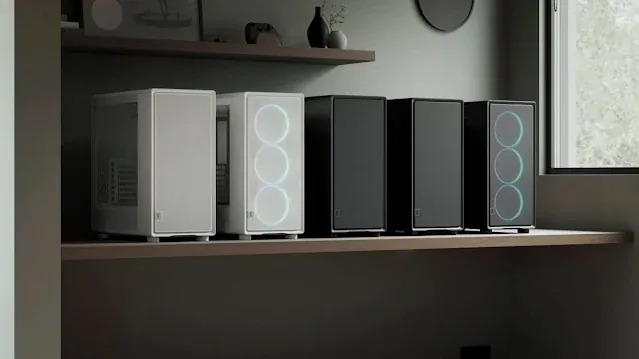
The ProArt PA401 Wood Edition (pictured) offers a striking departure from typical gaming aesthetics, utilizing FSC-certified ash wood and a focus on silent, high-airflow cooling.
The ASUS ProArt PA401 Wood Edition case is the foundation of the ‘silent powerhouse’ concept. Unlike the aggressive, RGB-laden designs common in high-end gaming, the PA401 offers an elegant, professional aesthetic with its FSC-certified ash wood paneling and low-sheen finish. This is not merely a design choice; it is engineered for function. The open-grille front panel and massive pre-installed dual 160mm fans (delivering up to 138cfm of airflow) ensure that the high-TBP components—the 9800X3D (120W) and the RX 9070 XT (304W)—remain cool and stable under peak load. This focus on thermal physics and quiet operation is paramount, allowing the system to sustain maximum clock speeds and peak performance without acoustic distraction, whether running a game or rendering a 4K video project.
Pros and Cons of the Zen 5 / RDNA 4 ProArt Build
Pros (Advantages)
- Unrivaled Gaming Performance: The 9800X3D is the current gaming CPU king, eliminating bottlenecks and ensuring the RX 9070 XT can run at its full potential.
- Exceptional 4K Value: The RX 9070 XT delivers a 22% overall performance increase over the competing RTX 5070 for only an 18% price premium, offering superior price-to-performance ratio.
- Professional Aesthetics: The ProArt chassis delivers a high-end, minimalist, non-RGB look suitable for seamless integration into a creator workstation or modern office environment.
- Future-Proofed Technology: Full hardware support for FSR 4, the AMD Radiance Display™ Engine (DisplayPort 2.1a), and the crucial benefit of the 9800X3D being the first fully unlocked X3D processor for enthusiasts.
Cons (Drawbacks)
- High Power Draw: The RX 9070 XT’s 304W TBP requires a robust 850W+ PSU and dedicated cooling solution to ensure longevity and stability.
- Limited Component Visibility: The focus on minimalist design and quiet operation means less internal component display compared to heavily glassed, RGB-centric cases (though a tempered glass side panel option is available).
Core Components: AMD Ryzen 7 9800X3D & Radeon RX 9070 XT
Where to Buy: Available from major retailers and system integrators like ORIGIN PC.
Final Verdict
The ProArt 4K Blueprint is the definitive choice for the sophisticated enthusiast who demands top-tier 4K performance without the typical gaming flash. The pairing of the Ryzen 7 9800X3D and the Radeon RX 9070 XT provides a generational leap in efficiency and raw power, validated by benchmarks showing consistent triple-digit frame rates in the most demanding titles. This build is a masterclass in component synergy, proving that high-end performance can be achieved while maintaining acoustic excellence and elegant aesthetics. It stands as the most authoritative, data-backed choice in the high-end 4K market today, offering unparalleled value and future-proofing.
Frequently Asked Questions
Is the Ryzen 7 9800X3D fully unlocked for overclocking?
Yes. The 9800X3D marks a significant milestone as the first X3D processor to be fully unlocked. This allows enthusiasts to push its 4.7 GHz base clock and 5.2 GHz boost clock even further, though thermal management remains critically important due to its 120W TDP.
How does FSR 4 benefit the RX 9070 XT?
FSR 4, exclusive to the RX 9000 Series, utilizes a new ML-accelerated algorithm trained on AMD Instinct Accelerators. It leverages the RDNA 4 architecture’s powerful second-generation AI Accelerators and FP8 WMMA feature to maximize performance at maximum quality, offering substantial and efficient frame rate boosts in supported titles.
Is 16GB of VRAM sufficient for 4K gaming in 2025?
Absolutely. While some texture packs push VRAM limits, 16GB is currently the sweet spot for uncompromising 4K gaming. This large memory buffer provides the RX 9070 XT with a significant longevity advantage over competitors that offer less memory at this price point.