
Remember those days when DDR3 was the cutting edge, powering your most intense gaming sessions? You might have thought its glory days were long past, a relic of a bygone era in PC hardware. But hold onto your hats, because in a surprising twist of market fate, DDR3 is not just relevant in 2026 – it’s making a dramatic comeback. With current-generation DDR4 and DDR5 memory prices soaring to unprecedented heights, a forgotten hero is rising from the ashes: your old, reliable DDR3 system. This isn’t just about nostalgia; it’s about pragmatic necessity, as gamers worldwide rediscover the surprising viability of older hardware as a powerful, budget-friendly alternative.
Key Takeaways
- DDR3 motherboard sales have tripled in the Chinese DIY market due to exorbitant DDR4 and DDR5 prices.
- Older Intel 6th-9th Gen CPUs (like the i7-4790K/i5-6600K) paired with DDR3 can still run many modern games at playable frame rates with a decent GPU.
- Memory price hikes are driven by AI industry demand, supply chain issues, and extended Lunar New Year holidays, delaying DDR4 discontinuation.
- The community sentiment is a mix of nostalgia, frustration over current prices, and validation for holding onto older hardware.
- Building a budget-friendly DDR3 system in 2026 is a surprisingly viable strategy, but beware of potential scalping as demand rises.
The Memory Market Meltdown: Why DDR4 & DDR5 Prices Are Skyrocketing
The year 2026 has brought an unprecedented challenge to PC builders and gamers: memory prices have gone absolutely wild. Both DDR4 and DDR5 modules, once steadily priced, have seen significant, even ‘crazy,’ increases. TrendForce reports moderate increases for DDR5, with pressures like US tariffs pushing server DRAM even higher. But the real shocker is DDR4, which was on a path to obsolescence. Initial discontinuation plans from giants like Micron, Samsung, and SK Hynix for DDR4/LPDDR4X were well underway, with final order deadlines set for early June. However, renewed market interest and booming demand have forced a pause, with some manufacturers extending supply into late 2025 or even Q1 2026. This unexpected extension of DDR4’s lifespan, originally projected at only 11 years compared to DDR3’s 15-16, highlights the profound market instability.
- AI Industry Demand: The insatiable appetite of the AI sector for high-bandwidth memory (HBM) has shifted manufacturing focus, drawing resources away from consumer-grade DDR products.
- Supply Chain Disruptions: Inventory management issues and the impact of Lunar New Year holidays have further tightened supply, exacerbating price volatility.
- DDR4 Discontinuation Halt: Plans to phase out DDR4 were paused due to its sudden surge in demand, creating an unusual ‘price inversion’ where DDR4 can be more expensive than DDR5 for some parts.
- Shortening Product Cycles: Compared to DDR2’s 18-year and DDR3’s 15-16 year cycles, DDR4 is facing a much shorter 11-year lifespan, accelerating market instability.
The DDR3 Comeback: A Phoenix from the Ashes of Obsolete Tech
In a market turned upside down, budget-conscious gamers and builders are looking for any advantage they can find. And they’ve found it in the most unlikely of places: older DDR3 platforms. Reports indicate that sales of DDR3 motherboards have tripled in the Chinese DIY market, a clear signal of a global trend. Users are rediscovering that their ‘legacy’ DDR3 systems, often built around 6th to 9th generation Intel CPUs, still possess enough horsepower to run many modern titles at perfectly playable frame rates, especially when paired with a contemporary graphics card. This isn’t just a niche phenomenon; it’s a testament to the enduring value of hardware that was once considered well past its prime.
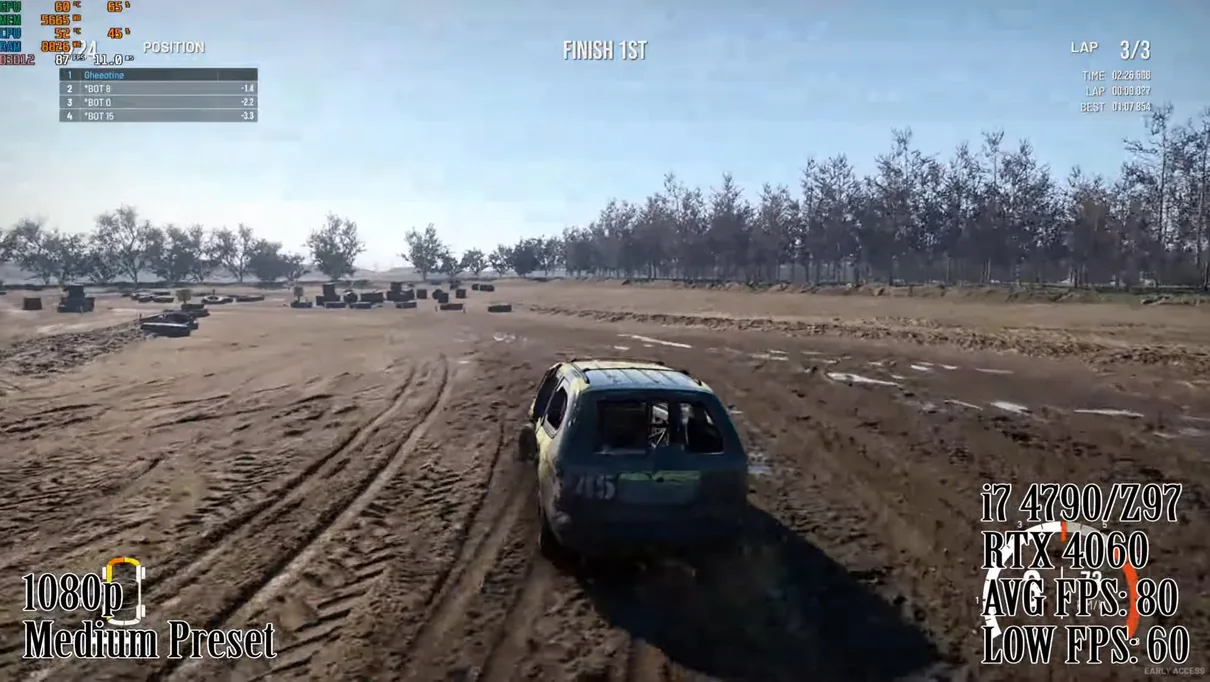
This video from ‘Gheeotine’ directly demonstrates the surprising viability of DDR3 for modern gaming, even putting a five-year-old title like Crysis Remastered through its paces at playable frame rates. It encapsulates the sentiment and practical demonstration of DDR3’s unexpected return to gaming relevance.
The Workhorse CPUs: 6th-9th Gen Intel and Their DDR3 Compatibility
While DDR4 and DDR5 dominate new builds, many Intel CPUs from the 6th to 9th generations, notably those built on the Skylake, Kaby Lake, and Coffee Lake architectures, retained compatibility with DDR3L (low voltage DDR3) or even standard DDR3 on specific motherboards. The Core i5-6600K, introduced in August 2015 with the Skylake architecture, famously supported both DDR4-2133 and DDR3L-1600. Similarly, the i7-4790K (Haswell Refresh, 2014) was a powerhouse that natively supported DDR3-1600. These processors, though years old, were powerhouses in their prime. Their integrated memory controllers often supported both DDR3 and DDR4, making them transitionary chips that now offer a unique advantage. These processors, once considered obsolete for high-end gaming, are proving surprisingly capable when paired with a modern GPU, easily meeting the minimum requirements for a host of new titles.
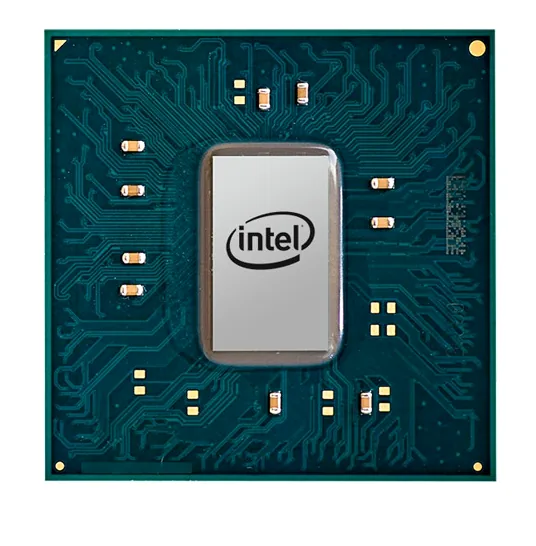
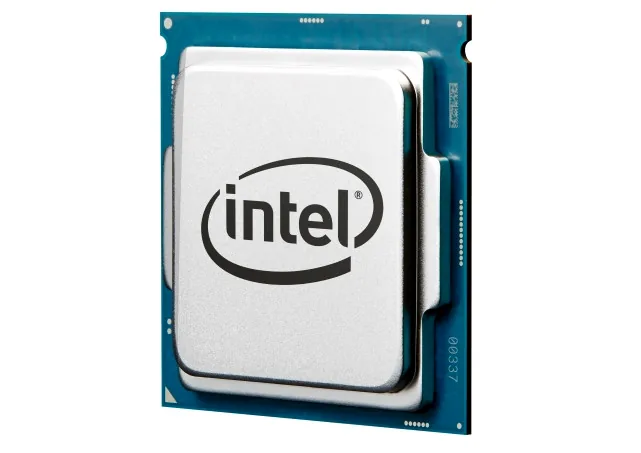
Key Specifications: Intel Core i7-4790K (Haswell Refresh)
Performance Reality: Gaming on DDR3 in 2026
Skeptics might scoff at the idea of gaming on hardware nearly a decade old, but real-world tests tell a different story. While you won’t be pushing 4K resolution at 144 FPS in the latest AAA titles, many modern games, even demanding ones like Crysis Remastered (a five-year-old title notorious for its high demands), are surprisingly playable at 1080p, often hitting frame rates in the 30s or higher. The key is a balanced system, where a solid, modern-ish GPU (like an RX 6600 XT or an RTX 4060 as seen in some budget builds) can compensate for the CPU’s age. The limiting factor for many older CPUs, however, can be instruction sets like AVX2, which first appeared with the Haswell microarchitecture (Intel 4th Gen). This means opting for a Z97 chipset motherboard with an i7-4790K or similar is generally preferable over older X79 boards for broader game compatibility.
| Feature | Intel Core i7-4790K | AMD Ryzen 5 3600 |
|---|---|---|
| Launch Year | 2014 | 2019 |
| Cores / Threads | 4 Cores / 8 Threads | 6 Cores / 12 Threads |
| Base Clock / Boost | 4.0 GHz / 4.4 GHz | 3.6 GHz / 4.2 GHz |
| Socket | LGA 1150 | AM4 |
| Supported Memory | DDR3 | DDR4 |
| L3 Cache | 8 MB | 32 MB |
| TDP | 88W | 65W |
| PassMark CPU Mark | 8,063 | 17,671 |
| Geekbench 5 Multi-Core | 4,414 | 6,890 |
The Fandom Pulse: Nostalgia, Frustration, and the Hunt for DDR3
The resurgence of DDR3 isn’t just a technical phenomenon; it’s a cultural one. The PC gaming community is reacting with a complex mix of emotions. There’s a strong wave of nostalgia, with many gamers fondly remembering and dusting off their old rigs. This is coupled with a pragmatic acceptance – and often frustration – that older hardware is now a necessary budget solution. The prevailing sentiment can be summed up as a resigned ‘we’re so down bad we’re going back 2 gens,’ mixed with validation for those who never fully upgraded.
“I have a whole ddr3 system already just sitting there. Just bought a 1080 gpu and will be rebuilding it soon! All I need now is a pc case and psu.” – Anonymous Gamer
“Bro we so down bad we going back 2 gens😂🤦♂️😂” – Anonymous Gamer
“I’ve played on an i7 4th gen with ddr3, its not a viable option I would never suggest anyone go through the pain I had to go through, its a cool concept, but living with such a system is a nightmare.” – Anonymous Gamer
Buyer Beware: The Scalper Shadow
As interest in older DDR3 components surges, a significant concern among the community is the potential for price gouging and scalping. Users fear that the affordability advantage of these components will be quickly eroded by opportunistic sellers. If you’re looking to build or upgrade a DDR3 system, act quickly and be vigilant for inflated prices, especially on older, sought-after CPUs and motherboards.
Building a Budget-Friendly DDR3 Rig in 2026: Your Essential Guide
If the current market has you considering a DDR3-based system, careful planning is essential. This isn’t just about throwing old parts together; it’s about strategic component selection to maximize performance and longevity. Here’s how to navigate building a surprisingly capable budget gaming PC:
- Motherboard & CPU Compatibility: Aim for Intel LGA 1150 (Z97/H97 chipsets) or LGA 1151 (Z170/H170/B150 chipsets supporting DDR3L). The Intel Core i7-4790K (LGA 1150) or i5-6600K (LGA 1151, supporting DDR3L) are excellent choices due to their strong single-core performance and AVX2 instruction set support, crucial for many modern games.
- Maximize Your RAM: DDR3 is cheap, so fill those slots. While 32GB is the practical maximum for many platforms, even 16GB of fast DDR3 (1600MHz to 2133MHz) will be sufficient for most gaming scenarios. Look for modules with lower CAS Latency (CL) where possible.
- The GPU is King: This is where you should invest the most. A modern mid-range GPU (e.g., NVIDIA RTX 3050/4060 or AMD RX 6600/7600 series) will unlock the gaming potential of your older CPU.
- Fast Storage is Non-Negotiable: Even with older platforms, a SATA SSD (or NVMe via a PCIe adapter on compatible boards) is critical for system responsiveness. Don’t bottleneck your system with an old HDD.
- Power Supply (PSU): Ensure your PSU has enough wattage and reliable 80 PLUS certification. Older components can sometimes be less power-efficient than their modern counterparts.
This video provides a practical, real-world example of building a budget gaming PC in the current market, validating the feasibility of cost-optimized builds.
The Future Outlook: How Long Will DDR3’s Reign Last?
While DDR3’s unexpected revival is a welcome reprieve for many, it’s crucial to consider its long-term viability. Memory manufacturers are pushing aggressively towards DDR5, driven by its superior performance, capacity, and energy efficiency, particularly for AI and demanding professional workloads. Although DDR4 discontinuation plans were temporarily halted, the overall trend is clear: DDR5 is the future, and its production capacity will only increase, eventually driving down prices.
| Feature | DDR3 (Legacy) | DDR4 (Mainstream) | DDR5 (Future-Proof) |
|---|---|---|---|
| Launch Year | 2007 | 2014 | 2020 |
| Transfer Rates (MT/s) | 800-2133 | 1600-5100 | 4800-8400+ |
| Operating Voltage | 1.5V / 1.35V | 1.2V | 1.1V |
| Max Module Capacity | 16GB | 64GB | 128GB+ |
| ECC Support | No | No (Desktop) | Yes (On-die ECC) |
| Cost (2026) | Very Low | High (Current Market) | Higher (Dropping) |
The ‘protracted war’ around memory prices will test not only technological iteration speed but also industrial chain resilience. Domestic CPUs, for instance, are facing challenges due to their lagging DDR5 adoption, which could hinder their competitiveness. While the price surge for DDR4 is expected to stabilize and eventually decline as DDR5 production ramps up, TrendForce predicts a moderate price increase for DDR5 itself in Q3 2026. This indicates that price sensitivity in the memory market is far from over, meaning budget-conscious strategies like the DDR3 revival might remain relevant longer than initially expected.
The Phoenix Rises: DDR3’s Unlikely Triumph
In a gaming landscape increasingly defined by escalating hardware costs, the unexpected resurgence of DDR3 stands as a testament to ingenuity and necessity. While it’s not a solution for everyone, particularly those chasing ultra-high refresh rates or future-proof performance, for budget gamers in 2026, a well-configured DDR3 system offers a surprisingly viable and cost-effective pathway to modern gaming. It’s a pragmatic embrace of the past to conquer the present, reminding us that true gaming spirit often thrives on resourcefulness rather than raw spending power. Embrace the retro, master the market, and keep on gaming.