
Key Takeaways
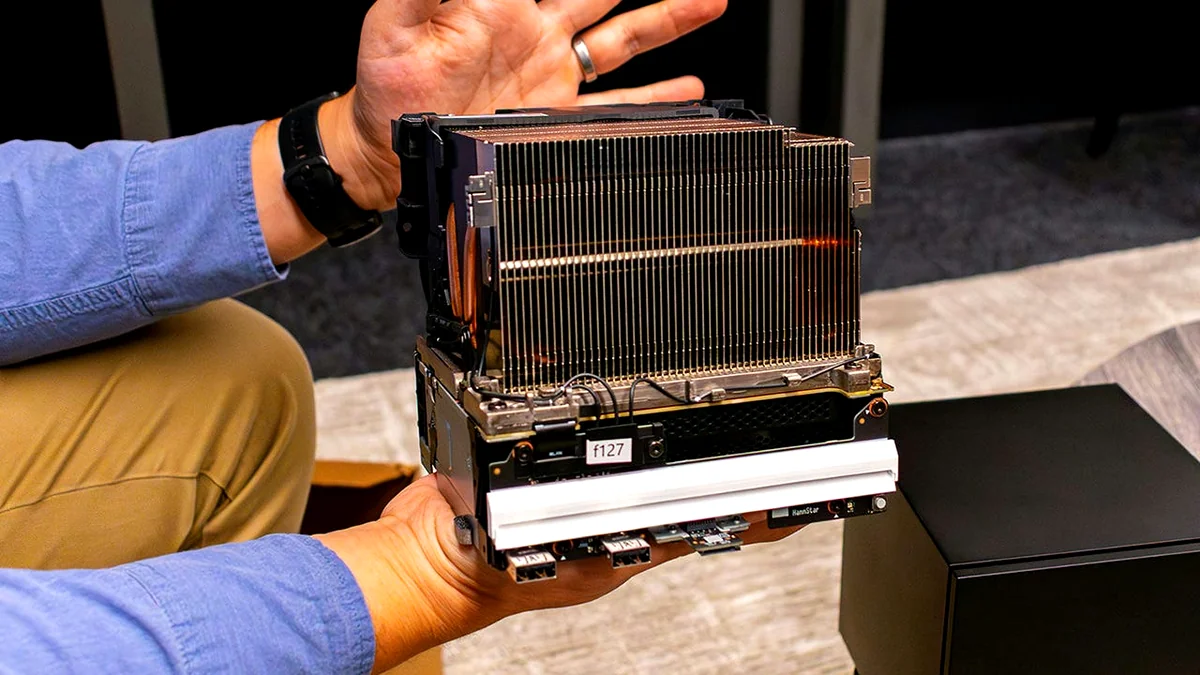
- Valve has officially revealed the second-generation Steam Machine, codenamed ‘Fremont.’ This compact PC is six times more powerful than the Steam Deck, aiming for a 4K/60 FPS experience largely achievable through AMD’s FSR upscaling technology.
- The hardware features a custom AMD Zen 4 CPU and RDNA 3 GPU (comparable to the mobile RX 7600M) running the Linux-based SteamOS 3 and the critical Proton compatibility layer.
- The central market conflict is price viability: analysts estimate Valve needs to hit a competitive $400–$500 range, but the exact cost and the firm Q1 2026 release date remain unconfirmed.
- The player community is deeply polarized, split between enthusiasm for the unparalleled freedom of the open PC ecosystem and anxiety over the machine’s 8GB VRAM limitation compared to existing console memory pools.
The Second Chance: A Decade of Lessons Learned
Valve’s history with living room PCs is complicated, defined by the commercial failure of the first Steam Machine in 2015. That initial attempt was plagued by an immature SteamOS, widespread vendor confusion regarding hardware standards, and the stiff, unexpected competition from the rollout of Windows 10. Valve’s subsequent, monumental success with the Steam Deck, however, provided two crucial breakthroughs. First, the Proton compatibility layer effectively solved the critical game availability problem. Second, it established a clear, internally controlled design philosophy. The new ‘Fremont’ Steam Machine is Valve’s attempt to leverage these hard-won lessons, bringing the full power of a desktop PC, not just a handheld, to the TV stand, backed by a functioning software ecosystem.
Steam Machine Generations: 2015 vs. Steam Deck vs. 2026
| Feature | Steam Machine (2015) | Steam Deck (2022) | Steam Machine (2026) |
|---|---|---|---|
| Form Factor | Varied (Desktop/Mini-PC) | Handheld Console | Compact Cube (‘GabeCube’) |
| Software/OS | SteamOS 1/2 (Linux) | SteamOS 3 (Arch Linux) | SteamOS 3 (Arch Linux) |
| Game Library | Limited Native Linux Titles | Proton Compatibility Layer | Proton Compatibility Layer |
| CPU/GPU | Varied (i3/i5/i7, GTX) | Custom AMD Zen 2/RDNA 2 | Custom AMD Zen 4/RDNA 3 |
| Target Market | PC Users in the Living Room | Portable Gaming Enthusiasts | Console Competitor/Living Room PC |
Deconstructed: The ‘GabeCube’ Specs and Performance Ceiling
Valve Steam Machine (Fremont) Preliminary Specifications
- CPU
- Custom AMD Zen 4 (6 Cores/12 Threads, 30W TDP)
- GPU
- Custom AMD RDNA 3 (28 CUs, 8GB GDDR6 VRAM, 110W TDP)
- Memory
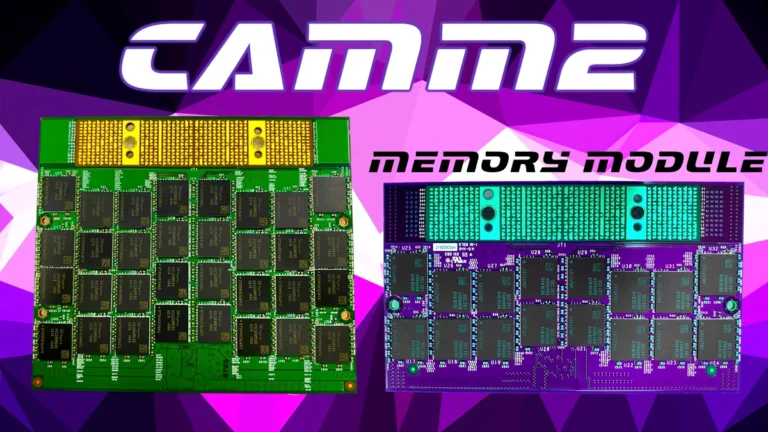
- 16GB DDR5 SODIMM (Upgradeable)
- Storage
- 512GB or 2TB NVMe SSD (Upgradeable + MicroSD slot)
- Cooling
- 120mm Axial Fan, Low Noise Design
- Connectivity
- Wi-Fi 6E, BT 5.3, Gigabit Ethernet, DP 1.4, HDMI 2.0
The 8GB VRAM Bottleneck: The 4K Question
Valve claims the Steam Machine is capable of 4K/60 FPS gaming, but this target is heavily reliant on AMD’s FSR 3 upscaling technology. Crucially, analysts suggest the 8GB of GDDR6 VRAM—a limitation compared to the 16GB unified memory pools found in the PS5 and Xbox Series X—will severely restrict the use of high-resolution textures in modern AAA titles. This memory constraint places its true raw performance closer to the Xbox Series S than the Series X in demanding scenarios. This VRAM limitation is the single biggest technical question mark hanging over Valve’s aggressive 4K aspirations.
Steam Machine vs. Console Rivals (Estimated Power)
| Device | Architecture | Target Resolution | Memory (VRAM) | Ecosystem |
|---|---|---|---|---|
| Steam Machine (2026) | Zen 4/RDNA 3 | 4K (via FSR) | 8GB GDDR6 | Open PC (SteamOS) |
| PlayStation 5 | Zen 2/RDNA 2 | 4K (Native/Upscaled) | 16GB GDDR6 (Unified) | Closed Console |
| Xbox Series X | Zen 2/RDNA 2 | 4K (Native/Upscaled) | 16GB GDDR6 (Unified) | Closed Console |
The Price Conundrum: Market Reality vs. Fan Desire
While Valve has targeted a Q1 2026 launch, two major hurdles loom large. First, the company’s own history with the Steam Deck suggests delays are likely; the Deck slipped significantly from its Holiday 2021 reveal to a February 2022 launch, with many immediate preorders waiting nearly a year to receive their units. Second, external market conditions could exacerbate both pricing pressure and component availability. The PC market is currently experiencing a massive shortage of NAND memory chips, essential for RAM and SSDs. Valve’s official line is that the price will be “in-line with the current PC market,” aiming to be competitive with a similarly powerful self-built PC. This has led analysts to predict a precarious $400–$500 window—a price that is competitive enough to disrupt the console space, but far from guaranteed given the current inflationary hardware climate.
The Steam Machine’s Competitive Edge
Pros
- Unprecedented PC freedom (modding, multiple launchers).
- Access to massive Steam backlog and Linux ecosystem.
- Six times the power of the successful Steam Deck.
- Compact, low-noise design perfect for living rooms.
Cons
- 8GB VRAM is a major limitation for true 4K resolution.
- Price is still unknown (potential high-cost anxiety).
- Valve has a history of launch delays and supply issues.
- Competition from free Windows 10/11 is still a factor.
The Fandom: Why the Community is Already Modding the Machine
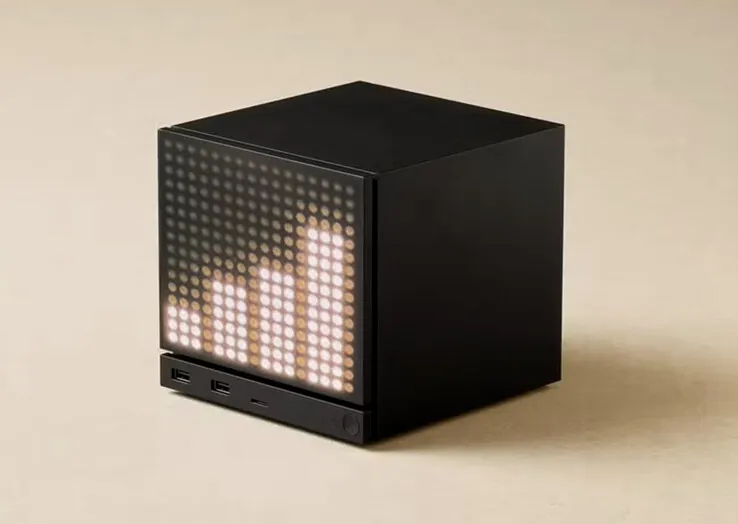
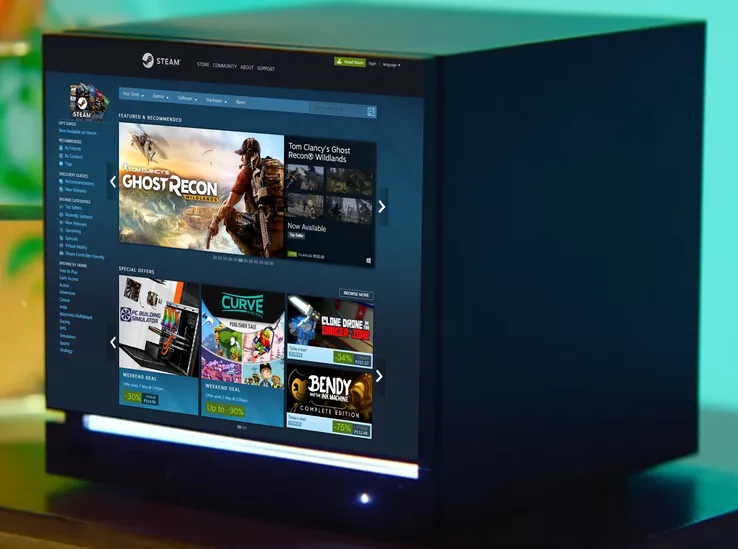
Perhaps the most exciting element of the new Steam Machine is its physical design—a compact, flat-faced metal cube built explicitly for customization. While Valve only teased an internal e-ink test panel (confirming it won’t be commercial), the community immediately understood the potential for modularity. Fans, modders, and artists have flooded forums like Reddit with concept renders that transform the machine into everything from a retro console homage (like the ‘GabeCube’ GameCube skin) to a dynamic visualizer. This immediate, creative response highlights the core appeal Valve is banking on: that the sheer freedom of the PC platform, combined with an open hardware template, is its own killer feature.
Community Concepts: The Best Fan-Made Steam Machine Skins


“I am disappointed I wanted it to be better to give at least some rivaling to PS6 but this is more like PS5 rival. That said, absolutely no other company is giving people that freedom.”
Final Verdict
The new Steam Machine is a fascinating gamble. Valve has correctly identified the two fatal flaws of the 2015 model—lack of games and fragmented hardware—and mitigated them with the Proton layer and a singular, internally-developed design. The technical specs are robust, but the 8GB VRAM ceiling and reliance on FSR means it will not dethrone the PS5 or Xbox Series X in raw, native 4K fidelity. Its success will therefore be a purely economic and cultural victory. If Valve can deliver the device at the predicted $400–$500 price point, its open ecosystem, modding potential, and guaranteed access to a massive Steam backlog will make it the most compelling living room PC ever built. If the price creeps higher, however, the ‘GabeCube’ risks becoming another expensive footnote in Valve’s complicated hardware history.