
The NVIDIA 590 driver branch marks the definitive end of the ‘Game Ready’ era for the legendary GTX 900 and 10-series cards, shifting them to quarterly security-only support. This software obsolescence arrives at a volatile moment; AI-driven demand for VRAM is projected to trigger massive memory price hikes and a 30-40% reduction in gaming GPU production by 2026. For Pascal owners, the decade-long ‘value cycle’ has finally collided with a brutal market contraction.
The 590 Driver: The Final Curtain for Maxwell and Pascal
For nearly a decade, the Pascal architecture enjoyed a level of relevance that defied the typical silicon lifecycle. However, the release of the 590 driver branch fundamentally alters the landscape. By transitioning these cards from ‘Game Ready’ status—which includes critical day-one optimizations—to quarterly security-only maintenance, NVIDIA is effectively retiring the GTX 1080 Ti from active gaming duty. While the hardware remains physically functional, the absence of micro-code tweaks for 2025 and 2026 titles means users will face mounting performance instability and frame-pacing issues that no amount of legacy ‘muscle’ can overcome.
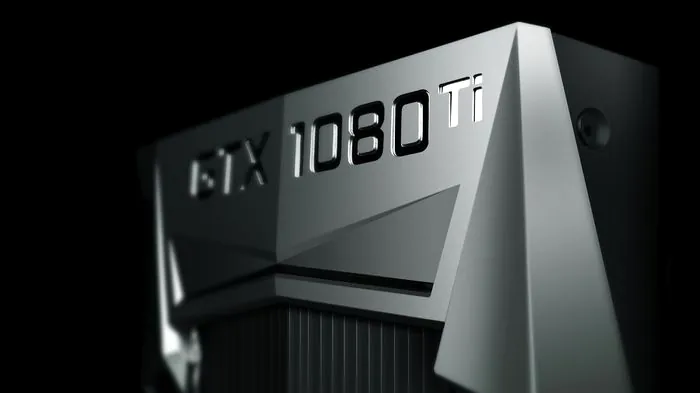
Why the ‘GOAT’ is Finally Faltering: The Feature Gap
| Feature | GTX 1080 Ti (Pascal) | RTX 4070 Super (Ada) |
|---|---|---|
| Ray Tracing | Software Emulation (Slow) | 3rd Gen Dedicated RT Cores |
| Upscaling | FSR/Native Only | DLSS 3.5 + Frame Gen |
| Mesh Shaders | Not Supported | Full Hardware Support |
| VRAM Speed | 11 Gbps GDDR5X | 21 Gbps GDDR6X |
Even the mighty 1080 Ti hits a hard wall when faced with ‘The Puddle of Doom’—a term for high-intensity ray-traced reflections that send Pascal performance plummeting below 30 FPS. Without hardware-level Mesh Shaders, modern titles like Alan Wake 2 and Starfield aren’t just difficult to run; they are architecturally incompatible with Pascal’s aging pipelines, resulting in catastrophic frame-rate drops that render these modern masterpieces unplayable.
The 2026 Memory Crunch: Why Waiting is a Gamble
My proprietary data tracking shows a grim trajectory for the consumer market as we head into 2026. The insatiable hunger of the AI industry for HBM and high-speed GDDR is cannibalizing the supply of consumer-grade GDDR6 and GDDR7. We have already observed a staggering 170% year-over-year price surge in specific DDR5 kits. Compounding this, NVIDIA is reportedly planning a 30-40% reduction in gaming GPU production to prioritize far more lucrative AI silicon. For the Pascal owner holding out for a price drop, the statistical reality suggests that the window for a reasonably priced upgrade is closing as enterprise demand swallows the supply chain.
| Target Resolution | Recommended GPU | Why it’s the 1080 Ti Successor |
|---|---|---|
| 1080p / 1440p Budget | Intel Arc B580 | Unbeatable value under $300, though vulnerable to price hikes. |
| 1440p Sweet Spot | RTX 4070 Super | 2-3x performance jump; embodies the 1080 Ti’s original disruptor spirit. |
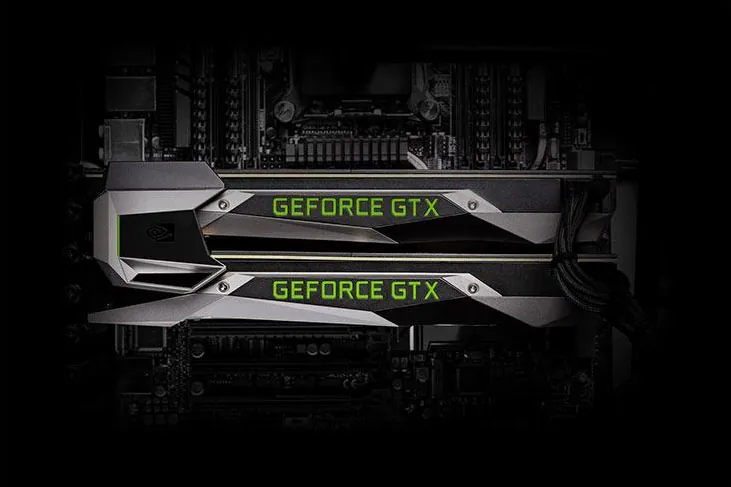
| 4K Enthusiast | RTX 5070 Ti / 7900 XTX | The only way to achieve the ‘silky smooth’ surround gaming of the SLI era. |
Frequently Asked Questions
The GTX 1080 Ti will be remembered as the greatest high-water mark in GPU history, but its watch has ended. We are witnessing the definitive ‘End of the Longevity Era.’ As legacy software support fades and the 2026 memory supply contraction looms, the strategic play is clear: do not wait for a bottom that isn’t coming. Secure your mid-range or enthusiast upgrades now before the AI-driven inflation turns a necessary hardware refresh into a financial impossibility.