The Rise of the Dashboard PC: Why Every Component Now Has a Screen
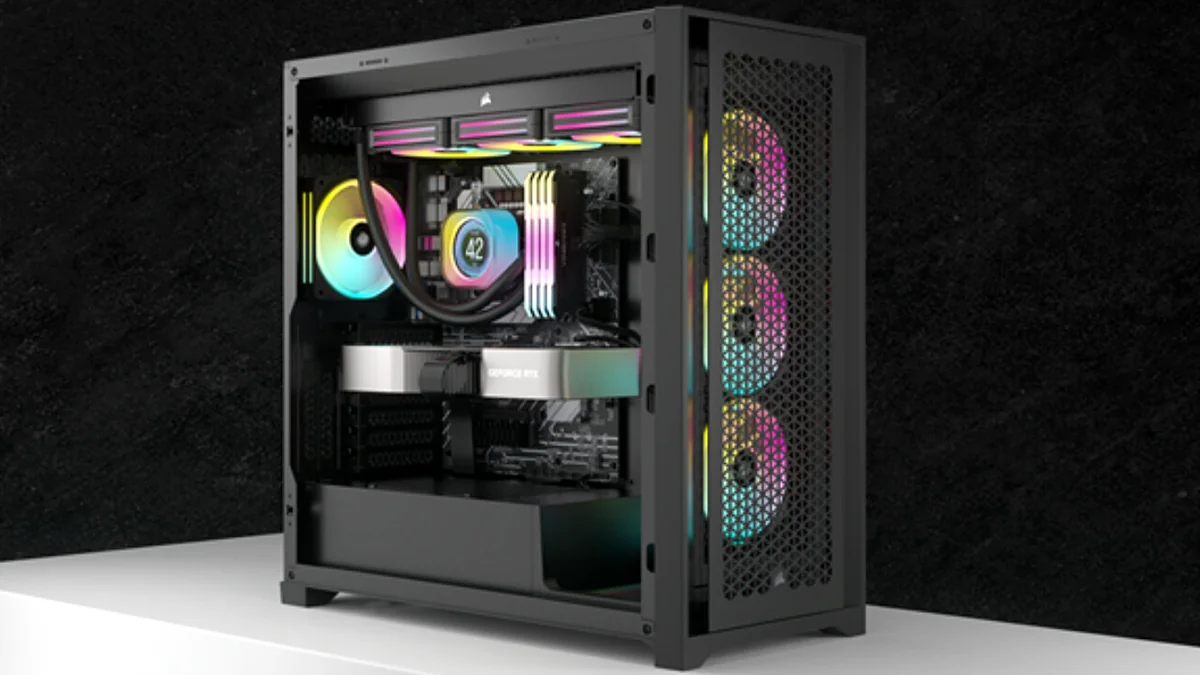
Enthusiast PC building has undergone a tectonic shift, moving well beyond the era of mere RGB strips and static tempered glass. Today, the ‘internal dashboard’ has transitioned from a niche mod—once the exclusive domain of builders brave enough to dismantle secondary HDMI displays—into the de facto flagship feature for industry titans like Corsair and Lian Li. We are witnessing an engineering pivot where the PC is no longer just a compute engine; it is a high-resolution telemetry hub. This ‘Aesthetic Arms Race’ has turned the internal chassis into a cockpit, providing real-time data visualization that bridges the gap between raw performance and personalized art.
Key Takeaways
- Integrated LCDs have transitioned from luxury extras to the new flagship standard for premium AIOs and fan ecosystems.
- Software fragmentation remains the primary hurdle for builders, who must often juggle resource-heavy apps like iCUE and L-Connect to maintain synchronization.
- Aesthetic gains frequently impose a ‘thermal tax,’ as the engineering focus on screen integration and cable management can sometimes lead to thinner radiator profiles or increased internal heat soak.
The Heavy Hitters: Corsair iCUE LINK vs. Lian Li Galahad II LCD
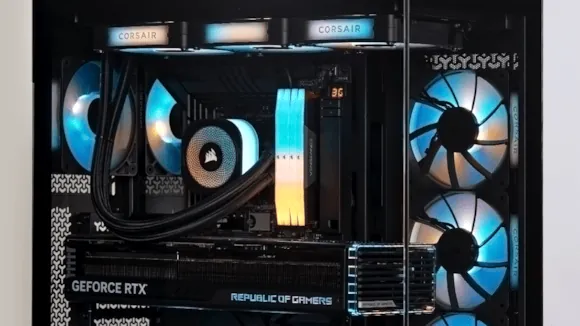
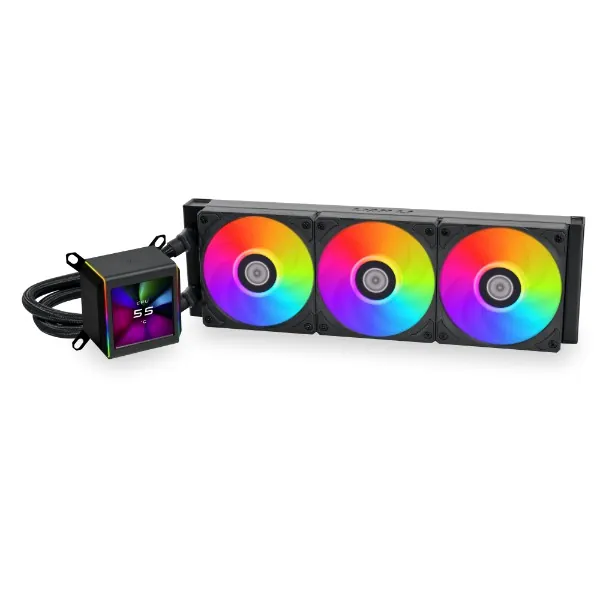
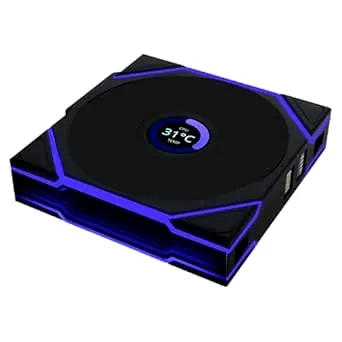
Hardware Showdown: Display Specs
Lian Li Galahad II LCD
- Panel: 2.88″ IPS
- Resolution: 480×480
- Brightness: 500 Nits
- Warranty: 6 Years
Corsair Elite LCD Lineup
- Panel: 2.1″ IPS
- Resolution: 480×480
- Brightness: 600 Nits
- Warranty: 5 Years
While Corsair offers a slightly more compact display, it pushes luminance to a superior 600 nits. The trade-off between Lian Li’s screen real estate and Corsair’s peak brightness remains a central point of contention for builders seeking the ultimate ‘internal dashboard’.
The Engineering Trade-off: Aesthetics vs. Physics
Surviving the Software Tax: iCUE, L-Connect, and the Bloatware Battle
Lian-Li L connect + Corsair iCUE + Asus Armory crate… If you also had anything needing MSI mystic light, that PC would be so perfectly f…
The Modular Path: LCD Upgrade Kits
- Corsair 4000D/5000D LCD Upgrade Kits: These allow builders to transform the front-facing aesthetics of existing cases with integrated panels without replacing the entire chassis.
- AIO Pump Head Swaps: Corsair provides a pathway for Elite Capellix owners to add digital dashboards via modular screen replacements, avoiding the cost of a full pump-block upgrade.
- Standalone ‘Sensor Panels’: For those who want maximum data density, using the XENEON EDGE 14.5″ as a dedicated Windows-recognized secondary display offers a comprehensive alternative to integrated pump screens.
Corsair Nautilus 360 RS LCD wiring and setup guide
Frequently Asked Questions
Do these screens cause burn-in?
While IPS panels are significantly less prone to burn-in than OLED alternatives, displaying static system telemetry for thousands of hours can still lead to image persistence. To mitigate this, we recommend utilizing ‘looping’ animations or setting aggressive screen-off timers within the control software.
Can I use these screens without the proprietary software?
In almost all cases, no. These displays rely on proprietary USB 2.0 header communication protocols. Without iCUE or L-Connect running in the background, the screens will typically default to a static manufacturer logo rather than displaying real-time hardware metrics.
Final Verdict
Integrated LCDs represent the ultimate expression of modern PC personalization, yet they arrive with a literal and figurative cost. For the ‘showpiece’ builder, these screens are an unrivaled way to make a system feel alive and technically advanced. However, the ‘software tax’—the resource overhead and potential instability of running multiple proprietary suites—remains a bitter pill to swallow. If you value a minimalist desktop and peak thermal efficiency, the current state of screen integration might feel like an unnecessary complication. But if you want your rig to stand out in the aesthetic arms race, there is simply no going back to static plastic.