
The RayNeo X3 Pro emerges as a fascinating paradox in the nascent AR market. It boasts genuinely groundbreaking AR and AI technology, pushing the boundaries of what smart glasses can achieve. However, this impressive vision is severely undermined by critical flaws, including an alarmingly short battery life, a polarizing design, and often cumbersome usability. Our verdict? The X3 Pro is a bold, yet ultimately premature, glimpse into the future, best approached with a “wait and see” mindset.
The RayNeo X3 Pro has arrived with significant fanfare, heralded as a device poised to redefine the next generation of smart glasses. This ambitious wearable seamlessly blends advanced augmented reality with integrated AI, promising a future where digital information enhances our real-world view. Indeed, its innovative approach earned it a prestigious spot on TIME Magazine’s “Best Inventions of 2025” list, signaling its high-profile status and the industry’s excitement for its potential. Yet, as with many pioneering technologies, early experiences with the X3 Pro reveal a product caught in a precarious balance—a bold, futuristic vision grappling with the frustrating realities of current-gen implementation.
The Vision: Cutting-Edge Displays & AI Brains on Your Face
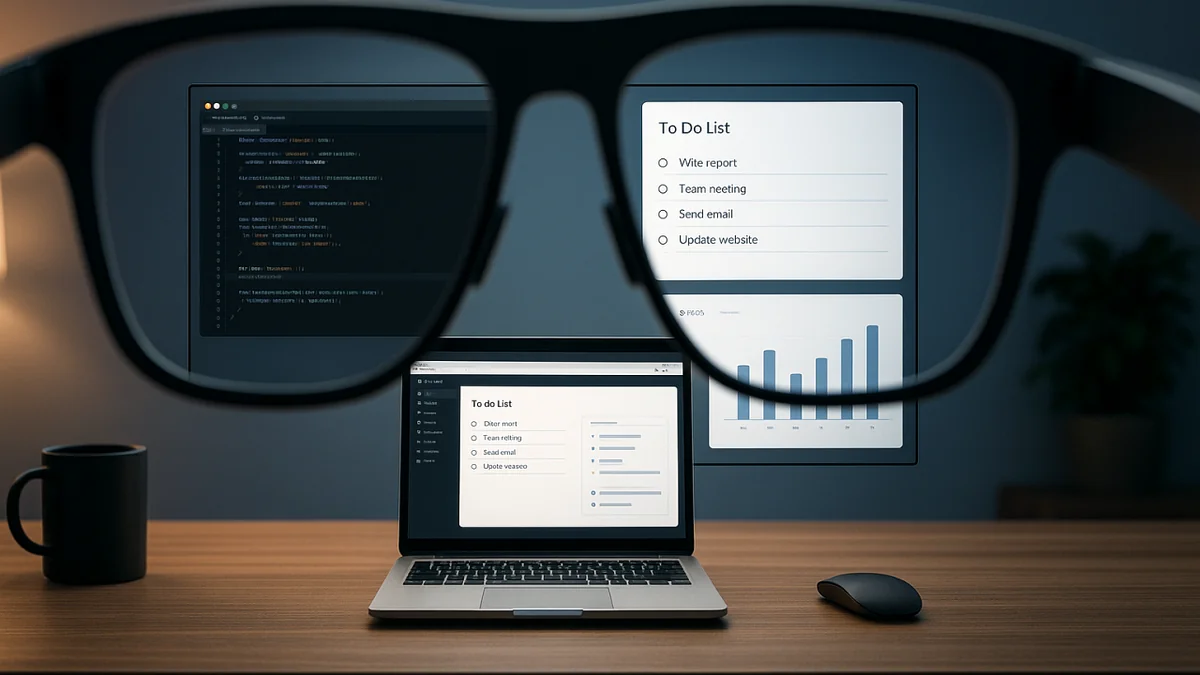
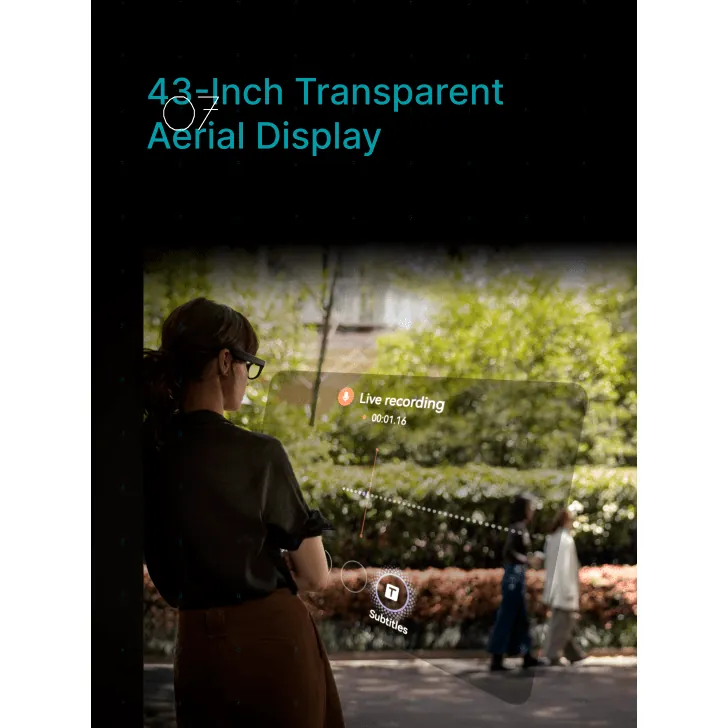
Beneath its polarizing exterior, the X3 Pro packs a formidable array of technical marvels designed to deliver a true AR experience. At its core are the micro-LED waveguide displays, capable of an astonishing 6,000 nits peak brightness. This ensures that virtual elements are not only vibrant and clear but also perfectly legible even in brightly lit outdoor environments—a critical factor for real-world usability. Driving these visuals and the device’s overall intelligence is the powerful Qualcomm Snapdragon AR1 Gen 1 SoC, a dedicated platform for AR applications. This robust chipset enables seamless integration with Google Gemini AI, unlocking advanced capabilities such as real-time language translation, context-aware assistance, and intuitive heads-up navigation. Furthermore, RayNeo’s commitment to an open Android ecosystem, complete with a “Creator Mode” supporting Unity and Android ARDK, positions the X3 Pro as a promising platform for developers looking to build the next generation of spatial computing applications, moving beyond mere media consumption to genuine AR utility.

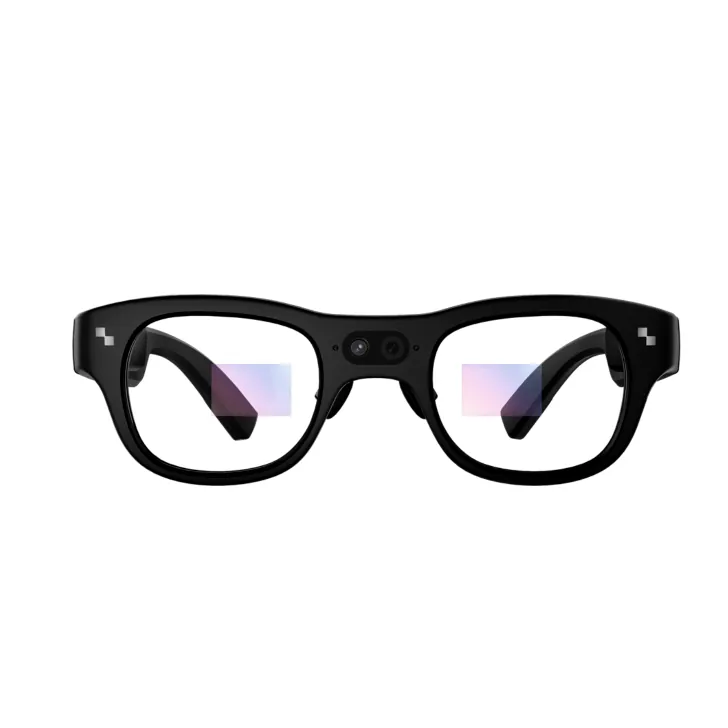
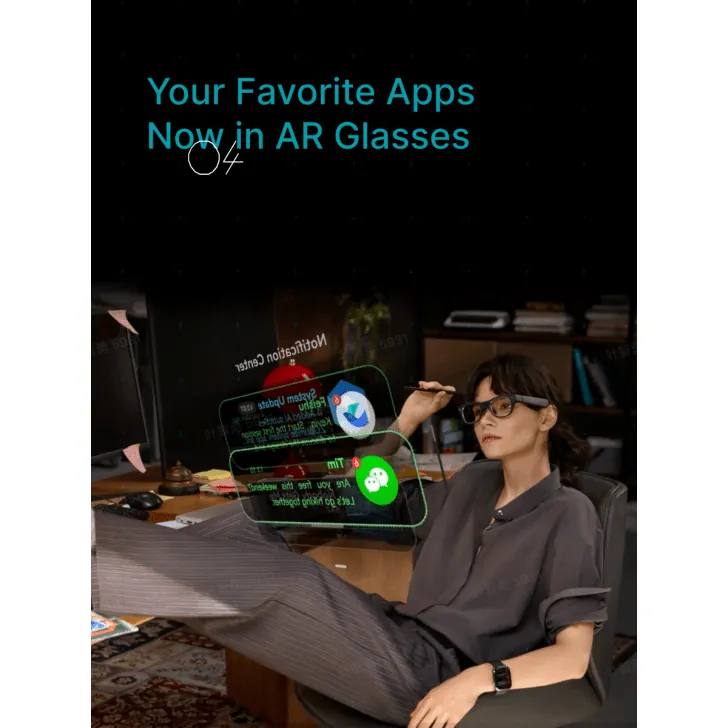

A closer look at the RayNeo X3 Pro’s design and display capabilities.
Key Strengths:
- Stunning Micro-LED waveguide displays offering vibrant, clear AR visuals.
- Powerful Qualcomm Snapdragon AR1 Gen 1 SoC for smooth performance.
- Deep integration with Google Gemini AI for real-time translation, navigation, and smart assistance.
- Open Android-based OS with a ‘Creator Mode’ for developers, supporting popular apps like TikTok and WhatsApp.
- Lightweight and comfortable form factor (76g) that resembles traditional sunglasses more than bulky headsets.
The Reality Check: ‘Glasshole’ Aesthetics & An Alarmingly Short Battery Life
Despite its undeniable technological prowess, the RayNeo X3 Pro faces significant hurdles that challenge its real-world adoption. Critics and the community have been vocal about several glaring issues, with the “shockingly poor battery life” topping the list. While RayNeo claims up to 5 hours of use, real-world testing consistently shows the battery draining drastically, often lasting barely an hour with active AR features like Google Maps or AI. This fundamentally limits its utility as a daily driver. Furthermore, the touch-sensitive controls, while attempting to be intuitive, are frequently described as “cumbersome,” creating friction in user interaction. However, perhaps the most contentious point, and one that sparks significant emotional response, is the device’s physical design itself.
“The creepy camera placement is a deal breaker. Whoever made that decision should be fired immediately” and “You look like a glasshole.”
The aesthetic, particularly the prominent central camera that stares out from the bridge of the glasses, has ignited widespread concerns about public perception. This design choice directly invokes the infamous “glasshole” effect, severely hindering its acceptance as a subtle, everyday wearable. Beyond the camera, the overall plastic construction, while contributing to its lightweight 76g frame, falls short of expectations for a device retailing at $1,399. For a premium product, the material quality feels more akin to a “nifty tech demo” than a polished consumer-ready offering, further solidifying its perception as a prototype rather than a prime-time contender.
RayNeo X3 Pro Key Specifications (The Good & The Bad)
| Price (MSRP/Early Bird) | $1,399 / $1,099 |
| Optical Engine | Binocular Diffractive Waveguide MicroLED Display |
| Peak Brightness | 6,000 nits |
| Resolution | 640 x 480 per eye |
| Field of View (FOV) | 30 degrees |
| SoC | Qualcomm Snapdragon AR1 Gen 1 |
| RAM/Storage | 4GB RAM / 32GB ROM |
| Battery Capacity | 245 mAh |
| Claimed Battery Life | Up to 5 hours (real-world often < 1 hour) |
| Weight | 76g (2.68 ounces) |
| Motion Tracking | 6-DoF |
A Developer’s Hope: An Open Ecosystem in a Confusing Market
Despite its current consumer-facing flaws, the RayNeo X3 Pro occupies a uniquely promising position for developers. Its robust true AR capabilities, featuring 6DoF tracking and an on-device Android-based AR OS, offer a compelling foundation. The explicit “Creator Mode,” with support for Unity and Android ARDK, transforms the X3 Pro into a potent platform for building innovative spatial computing applications. This open and developer-friendly approach stands in stark contrast to the more closed ecosystems prevalent in the market, suggesting a long-term vision where its foundational strengths could eventually overcome its present limitations, fostering a new wave of AR innovation.
RayNeo X3 Pro vs. Key Competitors: A Developer’s Snapshot
| Feature | RayNeo X3 Pro | Meta Ray-Ban Display | Xreal Air 2 Ultra |
|---|---|---|---|
| Primary Focus | AI + AR (Standalone) | AI HUD (Phone-tethered) | AR (Developer-centric, host-tethered) |
| 6DoF Tracking | Yes | No | Yes |
| Open Ecosystem/SDK | Yes (Unity/Android ARDK) | No (Closed Meta Apps) | Yes (Nebula/SDK) |
| Standalone Compute | Yes (Snapdragon AR1 Gen 1) | No (Phone-dependent) | No (Host-dependent) |
| Consumer Readiness | Prototype-level | High (HUD/AI) | Developer Kit |
The augmented reality glasses market remains a fragmented and often confusing “jungle” for consumers. With a diverse array of options offering varying capabilities and price points, collective sentiment towards devices like the X3 Pro is one of “skepticism” tempered with “hope.” While the X3 Pro undeniably pushes technological boundaries, the consensus suggests that “waiting is still the best deal” as this nascent technology continues to mature. It’s a significant step, but clearly not the final destination for mainstream AR.
Your Burning Questions Answered
A Glimpse of the Future, But Not Yet the Present
The RayNeo X3 Pro is a fascinating, yet frustrating, device. It offers a tantalizing look at what augmented reality glasses could be: a powerful, AI-driven assistant with impressive displays that blend digital information seamlessly with the real world. However, its current iteration is severely hampered by a critically short battery life, cumbersome controls, and a design that struggles to integrate into everyday aesthetics. For now, the X3 Pro remains a brilliant, unfinished symphony—a testament to innovation that needs several more iterations to truly hit its stride.