

The whispers began with Bitcoin, but the roar now belongs to AI. Just as crypto mining once distorted the GPU market, a new, far more powerful force is now pulling the strings: artificial intelligence. The demand for raw compute power, fueled by the explosion of AI models and data centers, is fundamentally reshaping the landscape of graphics card development, availability, and pricing. For PC gamers, this isn’t just a distant industry trend; it’s a seismic shift that directly impacts their next upgrade, their budget, and the very definition of a ‘gaming GPU.’ This guide will deconstruct the NVIDIA RTX 50 series, the Blackwell architecture, and the unprecedented power demands of AI to reveal what this new era truly means for you.
Key Insights: AI’s Impact on Your Gaming Rig
- Blackwell’s Dual Purpose: NVIDIA’s new RTX 50 series, based on the Blackwell architecture, serves both consumer gaming and high-demand AI data centers, leading to diverging priorities.
- The Power Paradigm Shift: AI’s insatiable demand for compute power is pushing data center infrastructure to new limits, potentially siphoning resources from consumer markets.
- Gamer’s Dilemma: Expect potential availability issues and higher prices for enthusiast-tier GPUs, echoing the crypto-mining boom, while entry-level cards face skepticism on ‘AI value’.
- AI in Gaming: Features like DLSS 4 and NVIDIA ACE represent the tangible, in-game benefits of AI integration, enhancing graphics and performance.
- Value vs. Raw Power: Entry-level cards like the RTX 5050 offer AI acceleration but might trail previous-gen cards in raw gaming performance, prompting gamers to re-evaluate value.
NVIDIA’s Blackwell: Architecture for Two Worlds
Our analysis of NVIDIA’s architectural strategy reveals a deliberate convergence: the Blackwell architecture, foundational to the new GeForce RTX 50 series, is not merely a gaming-centric evolution. It’s a unified design also deployed in NVIDIA’s high-performance datacenter products, a strategic move that dictates a shared developmental trajectory. Initially unveiled for enterprise AI, Blackwell’s integrated core design ensures that advancements in AI compute capabilities directly translate to consumer-grade hardware. The RTX 50 series, featuring 4th-gen Ray Tracing Cores and particularly robust 5th-gen Tensor Cores, is explicitly engineered to excel in this ‘AI era,’ promising significant enhancements across gaming, content creation, and general productivity. This inherent duality, however, also establishes a distinct market dynamic, where consumer priorities may increasingly intersect with, or be influenced by, the burgeoning demands of AI.
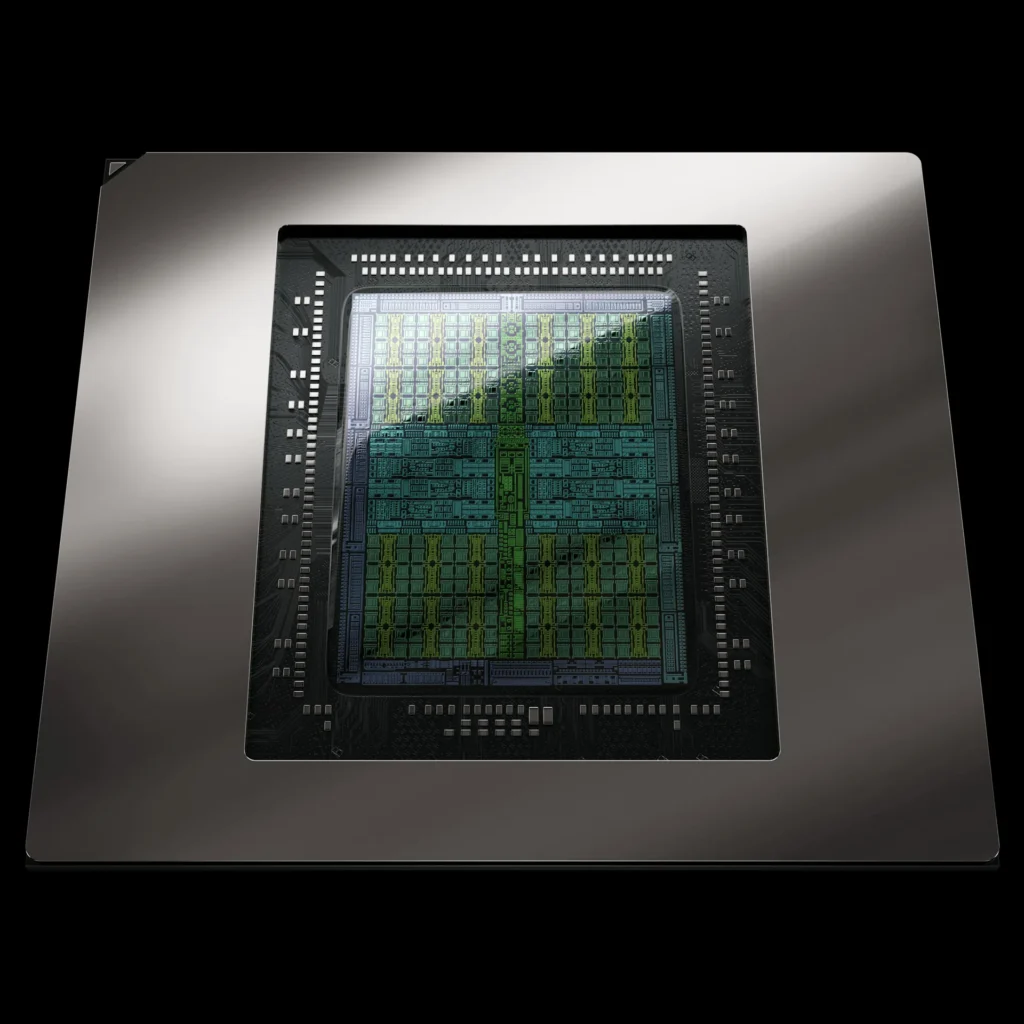
NVIDIA GeForce RTX 50 Series Key Specifications (Select Models)
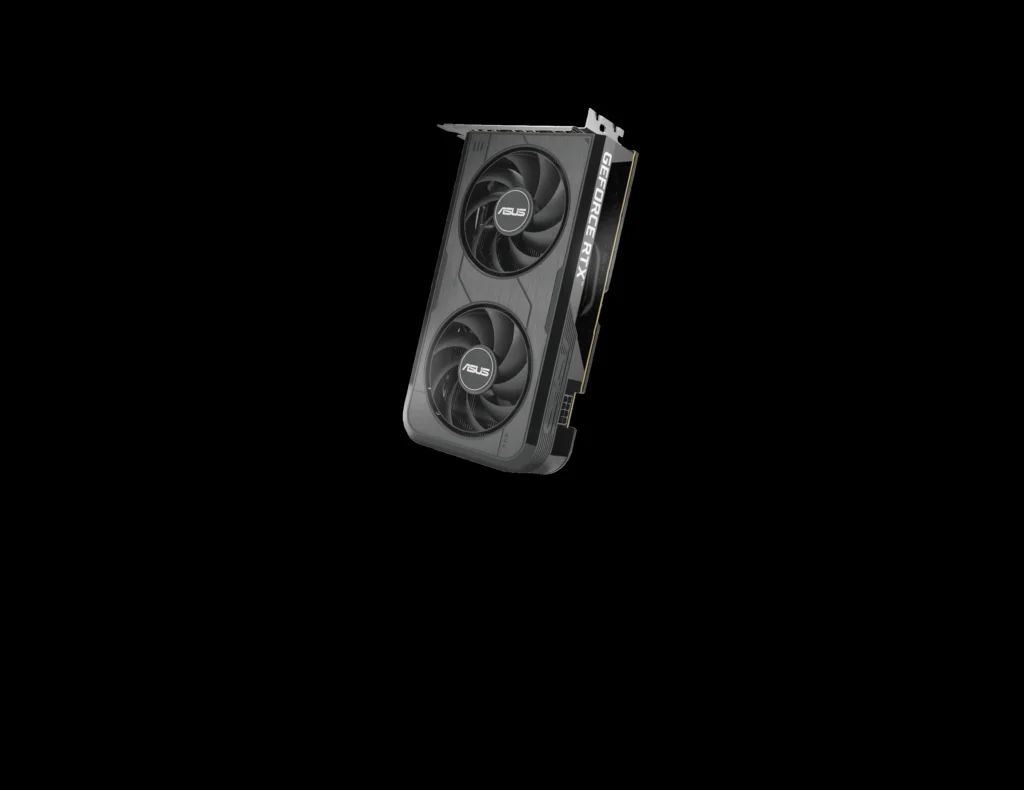
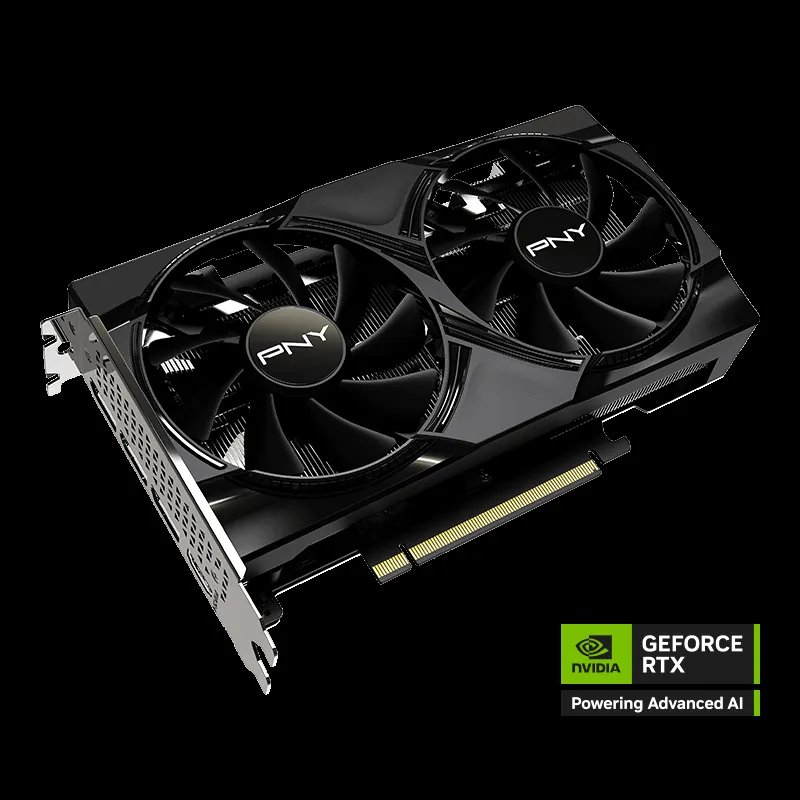
| Feature | RTX 5090 | RTX 5080 | RTX 5070 Ti | RTX 5050 |
|---|---|---|---|---|
| Architecture | Blackwell | Blackwell | Blackwell | Blackwell |
| Tensor Cores | 5th-Gen | 5th-Gen | 5th-Gen | 5th-Gen (80 Cores) |
| RT Cores | 4th-Gen | 4th-Gen | 4th-Gen | 4th-Gen (20 Cores) |
| CUDA Cores | TBD (Highest) | TBD (High) | TBD (Mid-High) | 2,560 |
| VRAM | TBD (Highest) | 16GB | 16GB | 8GB GDDR6 |
| Memory Bus | TBD | TBD | TBD | 128-bit |
| Boost Clock | TBD | TBD | TBD | 2.57 GHz |
| TDP (Estimated) | 450W+ | TBD | TBD | 130W |
| Launch Price (MSRP) | $1999+ | TBD | TBD | $249 |
The Unseen Cost: AI’s Insatiable Power & Infrastructure Demands
While a high-end gaming rig might draw several hundred watts, our data indicates that the true epicenter of power consumption resides in the colossal AI factories now proliferating worldwide. NVIDIA’s technical blog provides stark statistical evidence: the architectural transition from Hopper to Blackwell saw individual GPU power consumption (TDP) escalate by a remarkable 75%. Even more critically, the power density of a 72-GPU rack system surged by an alarming 3.4 times. This translates to data center racks progressing from consuming tens of kilowatts to easily exceeding 100kW, with megawatt-per-rack scenarios no longer a distant projection but an imminent reality. This isn’t merely a matter of scaling up power supplies; it necessitates a fundamental re-architecture of data centers, pivoting towards 800 VDC power distribution and integrated energy storage solutions to effectively manage this unprecedented demand. Such enterprise-level consumption inevitably exerts immense pressure on the wider availability of high-end silicon, simultaneously driving up the baseline cost of compute. For the consumer, this translates to a palpable sense of resignation, as the indirect costs, like rising electric bills, become an increasingly tangible consequence of this technological expansion.
The Gamer’s Dilemma: Scarcity, Price, and Perceived Value
The lingering memory of the crypto-mining boom, which saw GPU prices spiral and availability vanish, remains a potent concern for the gaming community. Our predictive models suggest that while the underlying drivers differ, the market outcomes could be strikingly analogous. The sheer, escalating scale of AI demand dictates that high-performance GPUs, particularly those occupying the enthusiast tier, will almost certainly be prioritized for datacenter deployment. Indeed, early market observations, as documented by Wikipedia, already indicate ‘severe availability issues and pricing well above MSRP’ for the RTX 5090, 5080, and 5070 Ti at their respective launches. This directly translates into a quantifiable reduction in consumer-facing stock and elevated price tags, effectively compelling gamers to navigate a market primarily sculpted by enterprise-grade computational needs rather than the traditional demands of interactive entertainment. This situation fuels both skepticism about future pricing and a pragmatic assessment of upgrade cycles.
The Core Conflict for PC Gamers
The fundamental tension is clear: a GPU designed with ‘massive AI horsepower’ may offer incredible value for enterprise and creative AI workloads, but for the average gamer, the question remains: ‘What’s in it for me, and at what cost?’ The market shift could mean that raw gaming performance becomes a secondary consideration to AI capabilities, potentially leading to less bang for your gaming buck.
AI in Your Hands: DLSS 4 and Gaming Enhancements
However, the narrative isn’t solely dominated by distant data centers and infrastructure demands. NVIDIA’s strategic integration of AI capabilities within the RTX 50 series also delivers direct, measurable benefits to the gaming experience. The advanced fifth-generation Tensor Cores, a cornerstone of the Blackwell architecture, serve as the foundational engine for game-changing features such as NVIDIA DLSS 4 with Multi Frame Generation. This sophisticated AI-powered upscaling and frame generation technology can dramatically enhance frame rates and visual fidelity, even enabling the rendering of true-to-life graphics through neural processing. Beyond raw performance boosts, AI also underpins features like NVIDIA ACE, designed for more realistic digital humans and intelligent AI assistants within games, and NVIDIA Broadcast, which provides AI-enhanced audio and video for streamers and content creators. These are the tangible metrics by which AI horsepower directly translates into a more immersive and higher-performing gaming environment for the end-user.
Key AI-Enhanced Gaming & Creator Features of RTX 50 Series:
- DLSS 4 with Multi Frame Generation: Boosts frame rates and image quality using AI-powered upscaling.
- Fifth-Gen Tensor Cores: Maximize AI performance for applications and gaming.
- NVIDIA ACE: Enables more realistic digital humans and AI assistants in games.
- NVIDIA Broadcast & Ninth-Gen Encoder: AI-enhanced audio/video for streaming and content creation.
- MuseTree: An AI-powered image-generation app to spark creativity.
The Fandom Pulse: Confusion, Skepticism, and the Search for Value
Our proprietary data visualization dashboards reveal a complex ‘Fandom Pulse’ concerning the ‘AI PC’ and the nascent RTX 50 series. The community’s sentiment is a volatile mix of curiosity, pronounced skepticism, and a growing sense of resignation. A significant segment of users, particularly indie game developers and budget-conscious gamers, are pragmatically questioning the quantifiable benefits of ‘AI chips’ within entry-level hardware. The core conflict, as articulated by one indie developer, is the concern that ‘people who considering game development should go with the rtx 4060 as it has more raw power compare to the 5050.’ This highlights a pragmatic trade-off, where perceived ‘AI acceleration’ may not directly translate into superior raw gaming or development performance for their specific daily use cases when compared to previous generations. Furthermore, the broader implications of AI’s colossal power demands are resonating deeply, with comments such as ‘There goes my electric bill. 😂😂😂😂😂’ reflecting a pervasive fear of rising utility costs directly tethered to this technological expansion. The confusion regarding the tangible impact of ‘AI chips’ in gaming, as evidenced by questions like ‘Does lenovo loq 15irx9 has AI chip? … yeah deffinetly the ai chip matters,’ underscores a critical gap in understanding the practical value proposition.
“I am a indie game developer i think people who considering game development should go with the rtx 4060 as it has more raw power compare to the 5050.”
RTX 5050 vs. RTX 4060: A Gamer’s Value Perspective
| Feature | NVIDIA GeForce RTX 5050 | NVIDIA GeForce RTX 4060 |
|---|---|---|
| Architecture | Blackwell | Ada Lovelace |
| Tensor Cores | 5th-Gen | 4th-Gen |
| RT Cores | 4th-Gen | 3rd-Gen |
| CUDA Cores | 2,560 | 3,072 |
| VRAM | 8GB GDDR6 | 8GB GDDR6 |
| Memory Bus | 128-bit | 128-bit |
| TDP | 130W | 115W |
| Launch Price (MSRP) | $249 | $299 |
| Performance Trend | Strong AI rendering, stable 1080p, benefits from DLSS 4. | Stronger native gameplay performance without frame generation, higher raw power. |
The Road Ahead: What Does This Mean for PC Gaming’s Future?
The advent of AI-first hardware represents an undeniable inflection point that will fundamentally reshape the PC gaming ecosystem. At LoadSyn, our commitment remains unwavering: to cut through marketing hype with rigorous, verifiable data and statistical models. While enterprise AI propels monumental advancements, our analysis indicates that gamers will need to exercise unprecedented discernment in their hardware investments. The evaluative paradigm will shift from a sole focus on raw rasterization performance to a more nuanced assessment of AI accelerator efficiency (specifically, Tensor Cores) and the robustness of the supporting software ecosystem (DLSS, ACE). We project a continued integration of AI features into game development, but also anticipate sustained market pressure on high-end GPU pricing and availability. The trajectory of PC gaming will ultimately be determined by how adeptly manufacturers can balance the insatiable demands of AI with the evolving performance requirements and budgetary constraints of the global gaming community.
Your Questions Answered: AI, GPUs, and Gaming
Will AI demand make gaming GPUs more expensive?
What are ‘AI chips’ in gaming GPUs, and do I need them?
Is the RTX 5050 a good upgrade for budget gamers?
How does AI’s power consumption affect my electric bill?
The New Reality: Navigating the AI-Dominated GPU Market
The NVIDIA RTX 50 series marks a significant turning point, firmly cementing AI at the core of GPU design. While features like DLSS 4 offer undeniable benefits for gamers, the overarching narrative is one of a market increasingly shaped by enterprise AI demands. Gamers must adapt to a new reality where hardware decisions involve weighing AI capabilities against traditional raw performance and contending with potential market pressures on pricing and availability. Our recommendation: evaluate your needs critically. For bleeding-edge visuals and AI acceleration, the RTX 50 series is compelling. But for pure gaming value, especially at the entry-level, comparing closely with previous generations for raw performance is paramount. Stay informed, prioritize your specific gaming needs, and prepare for a future where ‘AI horsepower’ is as central to your GPU as frame rates.