
Blackwell’s Architectural Brilliance vs. Market Skepticism: Navigating the 50-Series Launch
Key Takeaways
The RTX 50-series introduces the Blackwell architecture, headlined by DLSS 4 and Multi-Frame Generation capable of generating three frames for every one rendered. However, the data reveals a significant friction point: the 12GB VRAM buffer on mid-range models like the RTX 5070 and aggressive ‘MSRP-as-discount’ pricing tactics are fueling widespread consumer hesitation.
In the current market, we are witnessing a phenomenon I call ‘Calculated Hesitation.’ Our sentiment analysis shows that gamers aren’t just waiting; they are actively deciphering retail signals. The Fandom Pulse indicates a sharp rise in cynicism as retailers attempt to rebrand standard MSRPs as ‘Black Friday deals.’ For a community that tracks cost-per-frame with precision, seeing a $549 launch price presented as a limited-time discount feels less like a bargain and more like a psychological play to clear shelf space before the ‘Super’ variants inevitably arrive.
Technical Deep Dive: DLSS 4 and the Power of Neural Shading.
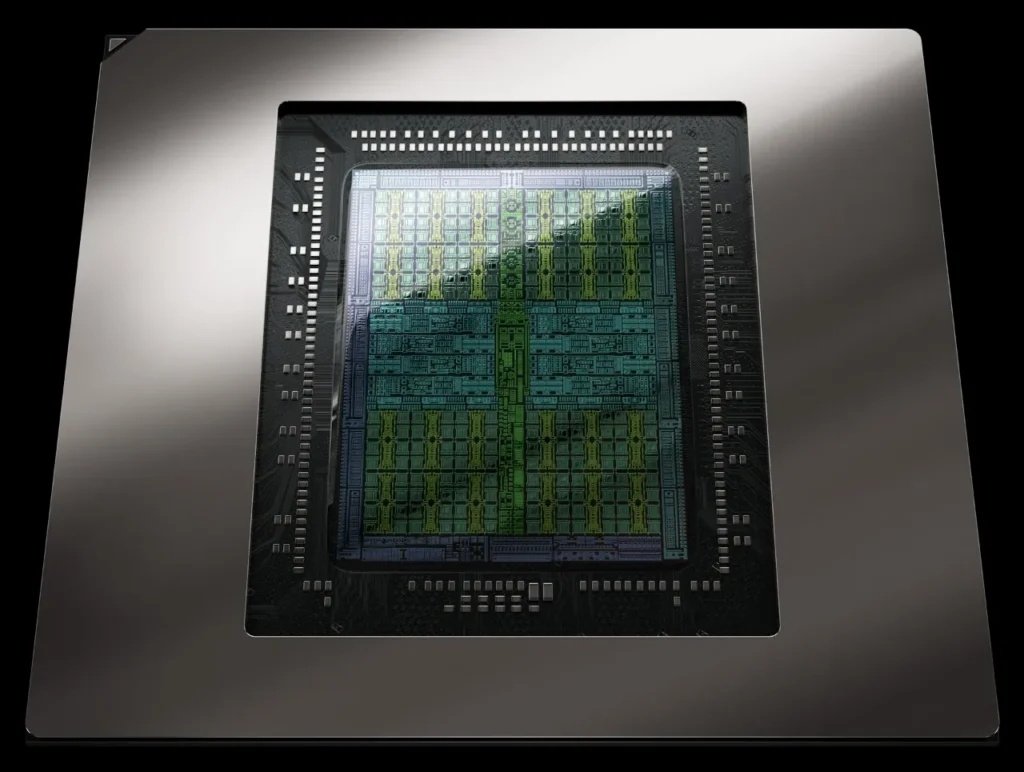
DLSS 4 represents a paradigm shift from simple upscaling to full neural rendering. By utilizing 5th Gen Tensor Cores and a transformer-based model, Multi-Frame Generation can generate three AI frames for every one rendered, effectively quadrupling the perceived output compared to traditional methods. This is a significant evolution over the 40-series’ dual-frame approach. When paired with Blackwell’s ‘Mega Geometry’ pipeline, which handles 100x more ray-traced triangles, the architecture moves us closer to film-quality path tracing in real-time.
| Model | VRAM | Bus Width | Launch Price |
|---|---|---|---|
| RTX 5070 | 12GB GDDR7 | 192-bit | $549 |
| RTX 5070 Ti | 16GB GDDR7 | 256-bit | $749 |
| RTX 5080 | 16GB GDDR7 | 256-bit | $999 |
“If hitting MSRP is called a discount, oh brother I’ll wait forever. You can’t market availability as a sale and expect us not to notice the data doesn’t add up.”
The SFF-Ready Revolution: ASUS and Gainward’s Compact Ambitions.
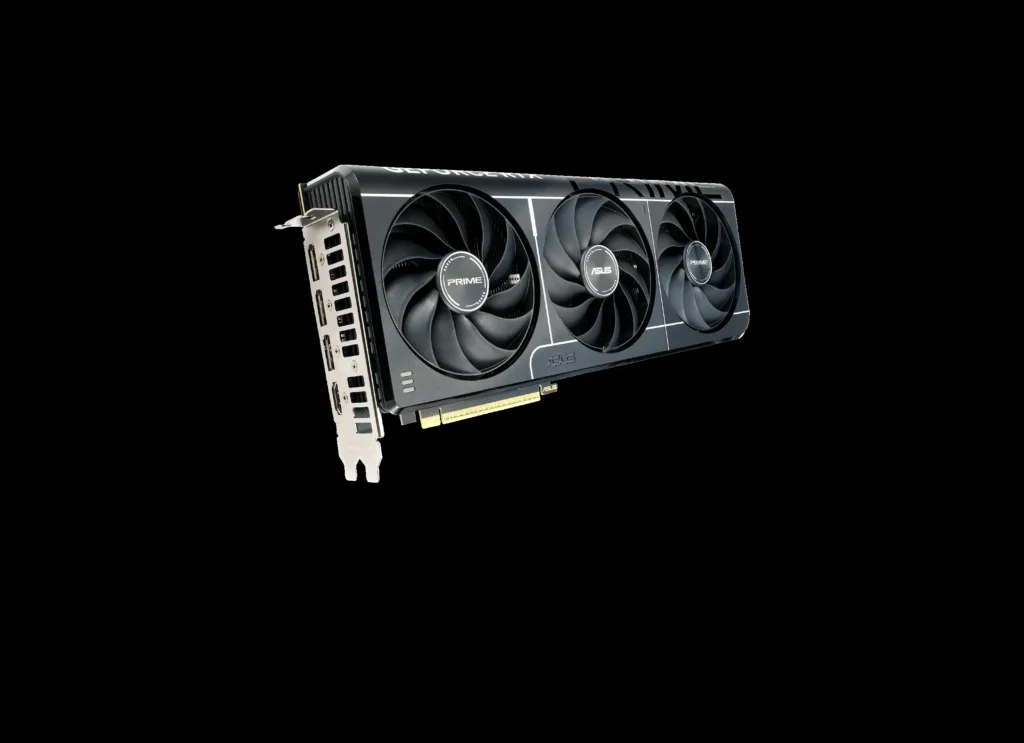
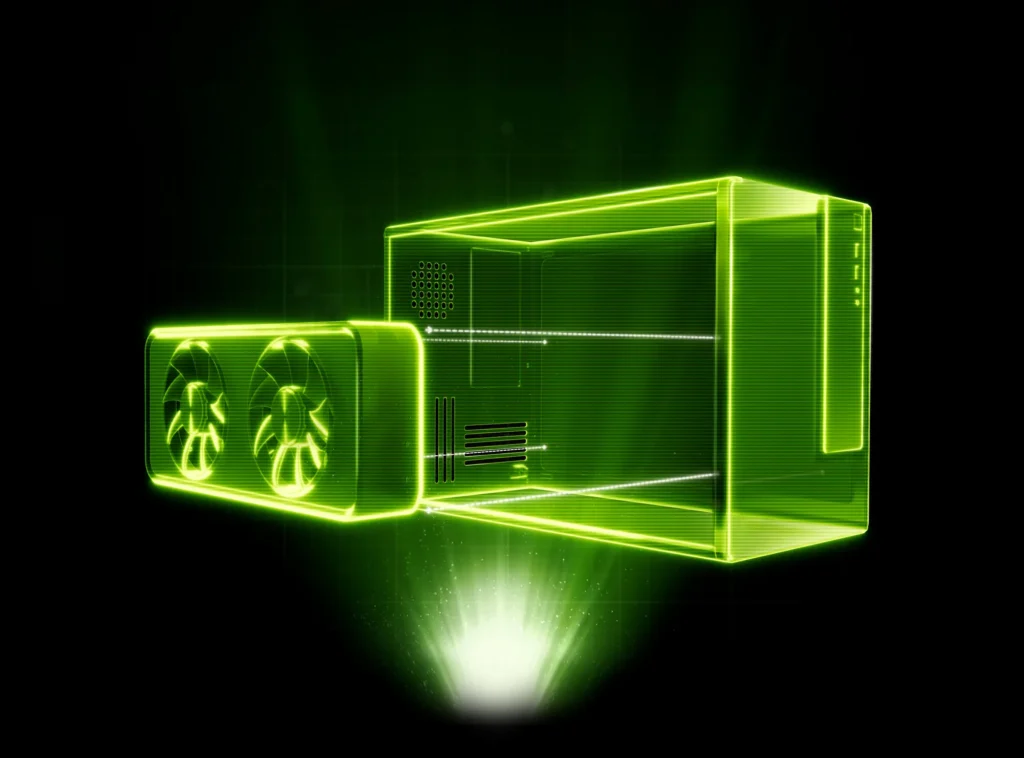
The transition toward SFF-ready designs is a centerpiece of the 50-series partner ecosystem. ASUS and Gainward are leading the charge with triple-fan configurations like the Prime and Python III series that maintain a strict 2.5-slot profile, ensuring that even the power-dense 5070 Ti can fit into compact enthusiast chassis without compromising thermal headroom.
The 12GB VRAM Warning: The RTX 5070’s 12GB buffer is the primary catalyst for consumer anxiety. With modern titles increasingly pushing beyond 10GB at 1440p, many enthusiasts are already predicting a ‘Super’ refresh with 16GB, leading to a ‘wait-and-see’ approach that could dampen initial launch momentum.
Final Verdict
The RTX 50-series is an architectural triumph, but its market positioning is fraught with tactical pitfalls. If you require an SFF-compatible 16GB powerhouse, the 5070 Ti is a justifiable investment. However, for those looking at the 12GB tier, my recommendation is to maintain your ‘calculated hesitation.’ The data suggests that waiting for the inevitable mid-cycle refresh or genuine price corrections is the most efficient play for your gaming capital.