Core Engineering Insights
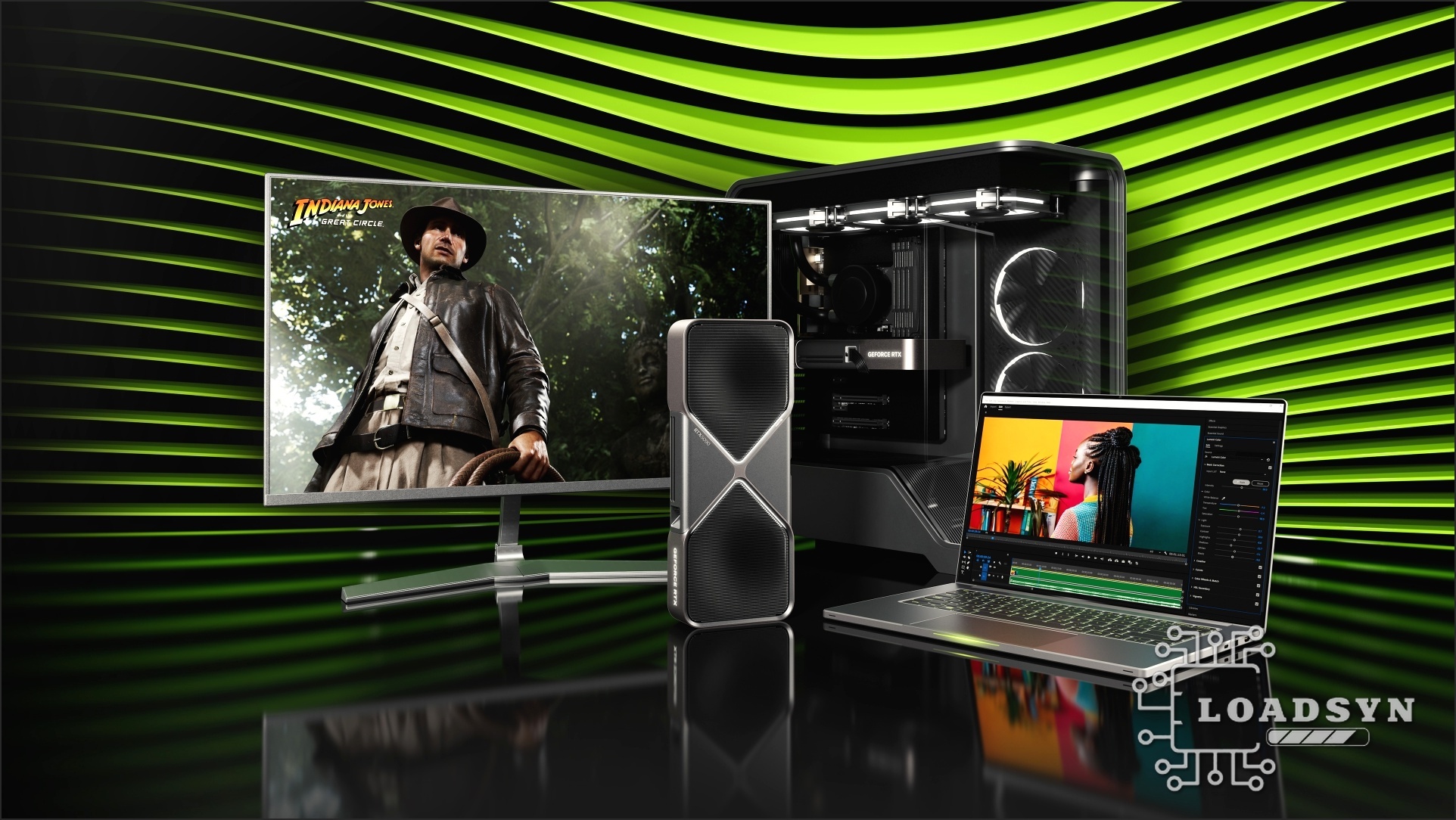
- The Blackwell architecture, powering the RTX 50 Series, fundamentally redefines rendering by fusing AI and graphics. Central to this is DLSS 4, which debuts Multi Frame Generation (MFG), an advanced transformer model claiming performance boosts up to 8x over traditional rendering methods.
- NVIDIA’s engineering team achieved a feat previously deemed ‘impossible,’ successfully fitting the massive GB202 GPU into a compact, two-slot Founders Edition (FE) by employing a multi-layer PCB, glass-fiber substrates, and a liquid metal thermal interface.
- However, this technological triumph has been overshadowed by a deeply troubled launch, marked by severe global stock shortages, isolated but concerning reports of melted 12V-2×6 power connectors, and a confirmed, albeit small-scale, ‘missing ROPs’ hardware defect impacting early 5090 units.
The Blackwell Architecture: A Generational Leap Powered by AI
NVIDIA CEO Jensen Huang positioned the Blackwell architecture as the most profound computer graphics innovation since the advent of programmable shading 25 years ago. The technical bedrock of the RTX 50 series is the deep, synergistic fusion of AI processing and traditional rendering pipelines. This is achieved through the integration of cutting-edge fifth-generation Tensor Cores and fourth-generation RT Cores. The objective is not merely to increase raw shader throughput but to enable neural rendering. This paradigm shift promises film-quality materials and lighting delivered in real-time, a concept exemplified by groundbreaking features like RTX Neural Faces, which uses generative AI for highly stable digital faces, and the RTX Mega Geometry engine, which dramatically enhances scene complexity by supporting up to 100x more ray-traced triangles.
RTX 5090 vs. RTX 5080: Core Specifications Snapshot
| Feature | RTX 5090 (Flagship) | RTX 5080 (High-End) |
|---|---|---|
| CUDA Cores | 21,760 | 10,752 |
| Memory | 32GB GDDR7 | 16GB GDDR7 |
| Memory Interface | 512-bit | 256-bit |
| Memory Bandwidth | 1,792 GB/s | 960 GB/s |
| Total Graphics Power (TGP) | 575W | 360W |
| MSRP (Launch) | $1,999 | $999 |
DLSS 4 represents a profound leap in AI upscaling and generation. Its signature feature, Multi Frame Generation (MFG), is engineered exclusively for the Blackwell architecture. MFG is the graphics industry’s first successful real-time implementation of the transformer model architecture, a complex neural network previously confined to large language models. This allows DLSS 4 to generate up to three synthetic frames for every single frame rendered conventionally, enabling NVIDIA’s claim of an average 4X performance multiplication when gaming at 4K resolution on the RTX 50 Series.
Deconstructing the ‘Impossible’: The Two-Slot Founders Edition
The physical realization of the RTX 5090 Founders Edition is arguably a greater engineering triumph than the silicon itself. NVIDIA engineers openly discussed how the mandate to fit the powerful GB202 GPU into a compact, two-slot FE design was initially met with skepticism—it was deemed ‘impossible.’ Achieving this aggressive size reduction required abandoning the bulky, four-slot cooling solutions of the past. The solution lay in radical PCB miniaturization: the main board was segmented into a multi-layer, modular design, comprising the core main board, the I/O daughter board, and the PCIe connector board. To maintain signal integrity across these disconnected layers, the team had to employ specialized substrates utilizing glass fibers to bridge the complex internal connections. This aggressive, non-standard approach was a direct response to the industry’s push for SFF (Small Form Factor) readiness.
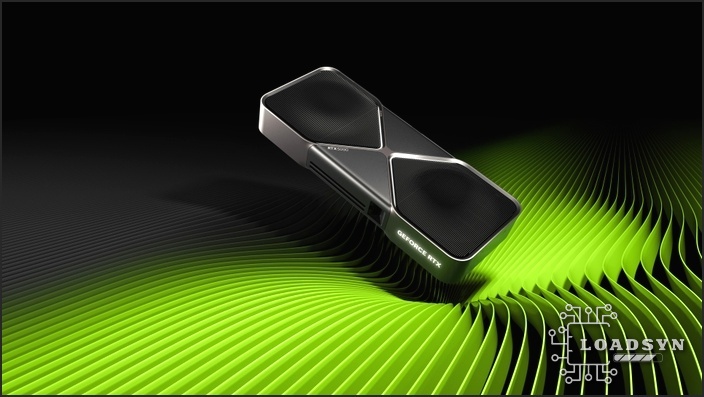
NVIDIA RTX 5090 Founders Edition Detailed Specifications
- GPU
- GB202 (Blackwell)
- CUDA Cores
- 21,760
- Base / Boost Clock
- 2,017 MHz / 2,407 MHz
- Memory Type
- 32GB GDDR7 @ 28Gbps
- Memory Bandwidth
- 1,792 GB/s
- TGP / PSU Recommendation
- 575W / 1000W
- Power Connector
- 12V-2×6 (PCIe Gen 5)
- Cooling System
- 3D Vapor Chamber, Liquid Metal Interface
The Launch Reality: Defects, Delays, and Pricing Extremes
Pros: Unmatched Performance
- DLSS 4 Multi Frame Generation delivers massive, verifiable performance gains (up to 8x).
- Flagship RTX 5090 Founders Edition is SFF-ready due to the two-slot, compact design.
- Blackwell architecture introduces groundbreaking AI features (Neural Shaders, Neural Faces) for future game development.
Cons: Launch Controversies
- Severe stock shortages and shipping delays (up to 16 weeks) due to high demand and AI repurposing.
- Reports of melted 12V-2×6 power connectors on the new FE model, despite design updates.
- A ‘missing ROPs’ hardware defect affected a small percentage of early 5090 and 5070 Ti units, causing a performance drop.
While the hardware itself is revolutionary, the market rollout of the RTX 5090 has been deeply problematic. Stock shortages were instantaneous and severe, driven not only by high consumer demand but also by the geopolitical reality of gaming GPUs being repurposed for large AI models in regions like China, bypassing export restrictions. Crucially, two significant hardware controversies have emerged. First, reports of melted power connectors on the Founders Edition have resurfaced, despite NVIDIA upgrading to the revised 12V-2×6 connector, which was specifically designed with shorter sensing pins to ensure a more secure, full connection than the previous standard. Second, NVIDIA confirmed a production anomaly: the “missing ROPs” defect. A small percentage of early 5090 and 5070 Ti units shipped with fewer than the standard 176 Render Output Units, leading to a measurable 4% performance deficit in rasterization tasks. NVIDIA has committed to free replacements for affected customers, who can utilize tools like GPU-Z to verify their card’s specification.
The Most Advanced GPU Launch, But Not the Smoothest
The NVIDIA RTX 5090 is an undeniable technical marvel. The engineering team successfully delivered an ‘impossible’ compact flagship, and DLSS 4’s Multi Frame Generation is a true game-changer, setting a new bar for performance scaling. However, the launch execution has been deeply disappointing. Between the severe stock issues, the lingering power connector concerns, and the confirmed ROP defect, consumers are paying a premium for a product that carries significant early adoption risk. The 5090 is the future of PC gaming, but only for those willing to navigate the current chaos of its present.
Frequently Asked Questions
What is Multi Frame Generation (MFG) and how is it different from DLSS 3 Frame Generation?
DLSS 4’s MFG is an AI technique exclusive to the Blackwell architecture that generates up to three frames for every one rendered frame, compared to DLSS 3’s one generated frame. It utilizes new transformer AI models, resulting in higher performance multiplication (up to 8x) and enhanced image quality.
How can I check if my RTX 5090 has the ‘missing ROPs’ defect?
NVIDIA has stated that affected cards can be verified using diagnostic tools like GPU-Z. If confirmed, NVIDIA is offering free replacement units. The defect primarily affects a small percentage of early 5090, 5090D, and 5070 Ti units.
Which AIB partners launched RTX 50 Series cards alongside the Founders Edition?
Major partners like ASUS (ROG Astral, TUF Gaming, Prime) and PNY (VERTO series) announced extensive lineups featuring custom cooling solutions, factory overclocks, and adherence to the SFF-Ready Enthusiast GeForce Card guidelines.