
🔑 Key Takeaways
- The era of the cheap, racing-style gaming chair is definitively over; discerning gamers now prioritize long-term ergonomic health and proven durability over superficial aesthetics.
- A true investment is defined by frame warranty (aim for 5+ years, ideally 10-12 years), the inclusion of full 4D armrests, and dynamic, adjustable lumbar support that adapts to movement.
- The absolute best ergonomic chair for gaming may not be labeled ‘gaming’ at all (e.g., the Herman Miller Embody), though specialized brands like Secretlab and Razer are rapidly closing the gap using advanced mesh and cold-cure foam technologies.
- Modern ergonomics rejects the static 90-degree posture myth. Quality seating supports constant, healthy movement to prevent soft tissue stress buildup and maintain circulation.
The Great Gaming Chair Rejection: Why the Racing Seat Aesthetic Failed
For years, the gaming chair market was dominated by the bucket seat aesthetic, trading true ergonomic support for aggressive branding and low manufacturing costs. This focus on form over function came at a steep price for users’ bodies. A 2019 study published in BMJ Open Sport and Exercise Medicine found that a staggering 42% of collegiate esports players reported experiencing neck and back pain. The community is finally demanding more than just cheap steel and hard foam. Our analysis shows a decisive pivot: gamers are now willing to make significant financial sacrifices for proven, long-term orthopedic durability. This pivot is driven by the sheer frustration of cheap hydraulic lifts failing and low-density foam flattening after just a year, pushing the market decisively toward medically informed designs that guarantee longevity.
Back pain gone ✅ Left Kidney gone ✅. But seriously, this format of chair should be fashionable. Not a piece from a race car! A race car chair is not about comfort, it’s about money!
The Ergonomic Truth: Why Static Posture is a Myth
Secretlab, citing the work of Professor Stuart McGill, challenges the outdated 90-degree sitting rule. True ergonomic seating is not about forcing a rigid, static position; it is designed to accommodate constant, natural movement. Forcing a static posture for extended periods causes significant stress buildup in soft tissues. When evaluating a chair, look for dynamic lumbar support and flexible seat bases that actively encourage shifting and micro-movements, rather than rigid containment. This dynamic support is the hallmark of health-positive seating.
The 5 Non-Negotiable Engineering Principles of a 10-Year Chair
- The Warranty Period: This is the single best indicator of a manufacturer’s confidence in their product quality. A minimum of 5 years is required for the frame and mechanisms; 10 to 12 years (like Herman Miller) signals a true investment and superior materials construction.
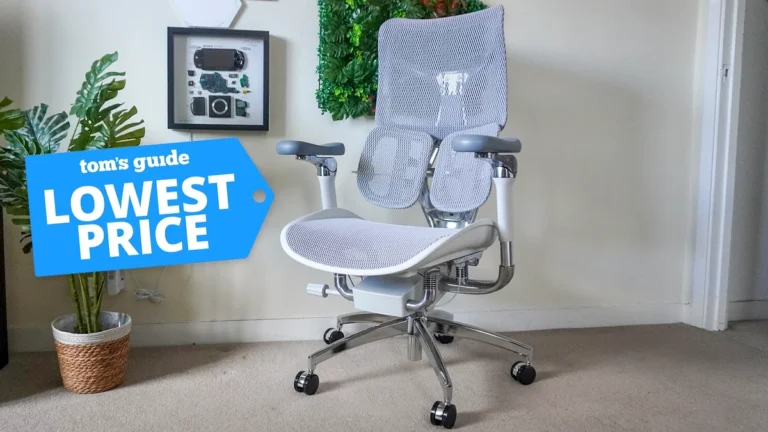
- Frame Material: The structure must be heavy-duty steel or ultra-strong aluminum alloy (like the Razer Fujin Pro). Avoid nylon frames entirely, as they are a major point of failure for long-term durability and weight capacity.
- Lumbar Support: Must be fully adjustable (Height and Depth, or 4-way L-ADAPT). Fixed support or a simple, loose pillow is insufficient for long-term spinal health because it cannot adapt to your unique curvature or movement.
- Armrests: Demand 4D adjustability (height, width, depth, pivot). This level of customization is crucial for maintaining proper elbow and wrist alignment, preventing shoulder tension, and optimizing mouse/keyboard positioning.
- Seat Material: Must prioritize breathability (performance mesh, like the Embody or Fujin Pro) or proprietary high-density, cold-cure foam (like Secretlab NanoFoam) formulated specifically for sag resistance and sustained pressure relief.
Head-to-Head: The Three Titans of Premium Seating
Premium Gaming Chair Investment Comparison
| Criteria | Herman Miller Embody | Secretlab TITAN Evo (NanoGen) | Razer Fujin Pro |
|---|---|---|---|
| Investment Tier | Ultra-Premium ($1,500+) | Premium ($500-$1,000) | High-End Mesh ($800+) |
| Frame/Mechanism Warranty | 12-Year Conditional | 5-Year (Extended) | 5-Year (Frame/Mechanisms) |
| Lumbar System | Backfit™ Spine Alignment + Pixelated Support | 4-Way L-ADAPT™ (Internal, Dynamic Flex) | 2D Adjustable (Height & Depth) |
| Primary Material | Four-Layer Breathable Support | NanoGen Hybrid Leatherette / SoftWeave Plus | Ultra-Breathable Mesh |
Herman Miller Embody: The Medically Engineered Benchmark
Herman Miller Embody Key Specifications
- Design Philosophy
- Developed with 20+ physicians and PhDs specializing in biomechanics and physical therapy; marketed as ‘Health Positive’ seating.
- Core Technology
- Pixelated Support (dynamic matrix conforming to micro-movements), Backfit™ Adjustment (aligns backrest to spinal curve).
- Durability & Recyclability
- Up to 93% recyclable materials, incorporating 36% recycled content. Built with a durable die-cast aluminum frame.
- Weight Capacity
- 300 lbs
- Logistics Note
- Typically delivered fully assembled, but high demand often results in backorder fulfillment times of 3–5 weeks.
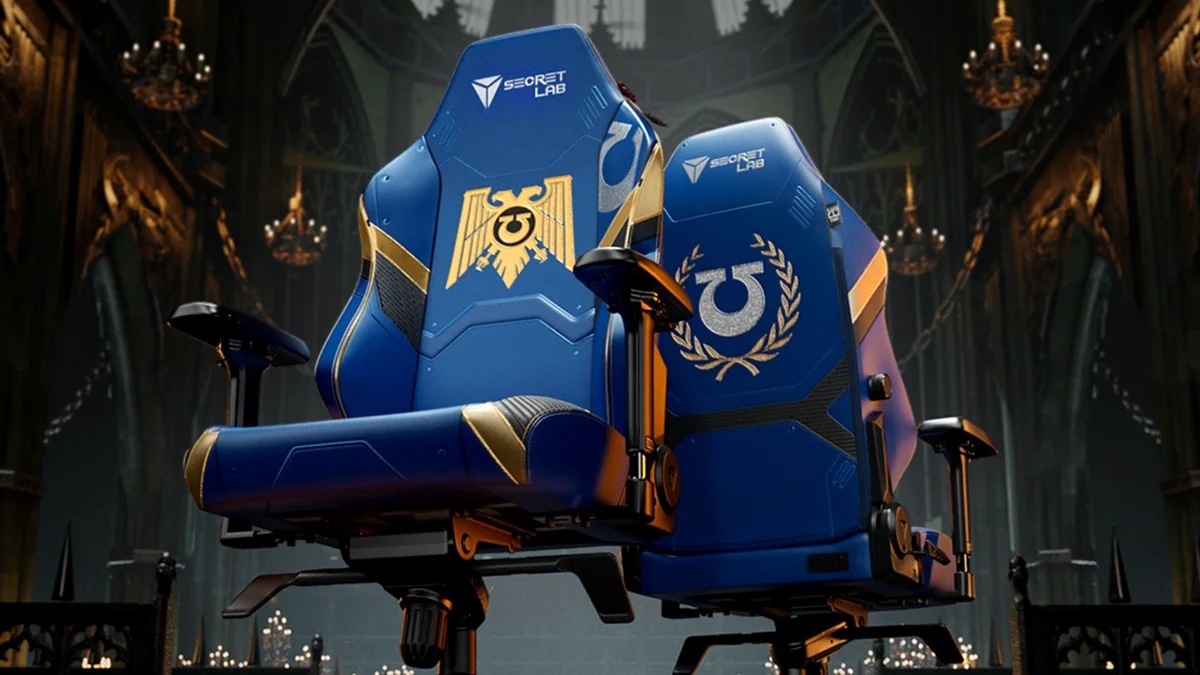
Secretlab TITAN Evo: The Gaming Ergonomics Pioneer
4-way internal support system with living hinges that flex with the spine, tucking into the natural 20–45° curve of the lower back.
A next-generation material boasting 14x the durability of standard PU leather, engineered for superior resilience against wear, stains, and UV damage.
Proprietary medium-firm foam formulation, cured at lower temperatures to create a denser cell structure that resists sagging and provides sustained pressure relief on the pelvis.
Razer Fujin Pro: The Mesh Challenger
✅ Pros (Strengths)
- Ultra-breathable mesh fabric is ideal for hot climates and long sessions, maximizing airflow and reducing sweat buildup.
- Ultra-strong Aluminum Alloy Frame (a significant upgrade over the standard Fujin’s nylon frame) guarantees structural integrity up to 300 lbs.
- Advanced 2D lumbar support (Height and Depth adjustment) provides precise, customizable spinal support without the need for a separate cushion.
- Synchro-tilt Technology allows for smooth, balanced reclining that maintains ergonomic alignment.
❌ Cons (Risks)
- The 5-year frame warranty is shorter than the 12-year standard set by high-end office competitors (Herman Miller), introducing a long-term material risk.
- Mesh backing and seat pan are only covered for 1 year, raising concerns about the longevity of the primary material.
- High price point places it in direct competition with established office ergonomic leaders that offer longer comprehensive warranties.
Maximizing Your ROI: Longevity and Maintenance Science
- Avoid Misuse: Rough handling, excessive rocking, or overloading the chair puts undue stress on the frame and gas lift. Always adhere to the chair’s specified weight capacity to prevent premature structural failure.
- Regular Cleaning: Vacuum upholstery regularly to remove abrasive particles. Wipe down mesh or leatherette surfaces with a damp cloth and mild detergent to prevent dust and grime buildup that degrades material integrity.
- Lubricate Moving Parts: Apply lubricant to the swivel base and reclining mechanisms annually. This ensures smooth operation and prevents component strain that leads to squeaking and eventual mechanical failure.
- Environmental Control: Protect chairs from direct sunlight and extreme humidity. UV exposure severely degrades leatherette and fabric, while humidity can compromise foam integrity and metal components.
- Monitor for Failure: Watch for structural instability (creaking noises), noticeable loss of foam resilience (sagging), or faulty adjustable features (height/tilt slippage), which are clear signals that replacement or component repair is imminent.
The Ultimate Investment Decision
The market has matured: you no longer have to choose between aggressive aesthetics and orthopedic health. For the reader seeking the absolute, scientifically validated benchmark with the longest warranty (12 years), the Herman Miller Embody remains the safest long-term investment, offering ‘health positive’ seating developed with input from over 20 physicians and PhDs. For the dedicated gamer who requires thematic design and advanced, proprietary durability engineering (NanoGen, L-ADAPT), the Secretlab TITAN Evo is the best blend of performance, customization, and longevity at the premium tier. The Razer Fujin Pro is a strong challenger, offering a superior aluminum alloy frame and ultra-breathable mesh design for those prioritizing cooling, but its shorter warranty period (1 year for the mesh) introduces a slightly higher long-term risk compared to the established industry leaders.
Frequently Asked Questions
Is mesh truly better than high-density foam for gaming?
For breathability and heat dispersion during long, intense sessions, performance mesh (like the Fujin Pro or Embody) is generally superior. However, high-quality cold-cure foam (like Secretlab’s NanoFoam) offers greater pressure distribution and precise contouring. The choice ultimately depends on your climate and personal preference for firmness versus cooling.
Why is the warranty period so important for a chair?
A long warranty (5+ years) is the manufacturer’s guarantee against the premature failure of critical components—specifically the gas lift, frame, and internal mechanisms. These are the parts that fail fastest on cheap chairs. A 12-year warranty essentially guarantees the chair’s structural integrity and functionality for over a decade, justifying the high upfront cost.
What is the minimum weight capacity I should look for?
While 250 lbs is often standard, chairs truly built for longevity (like the Fujin Pro or Embody, both rated at 300 lbs) use stronger, heavier-duty components. Always choose a chair rated significantly above your actual weight to minimize component stress, ensure stability, and prevent premature wear and tear on the lift and frame.