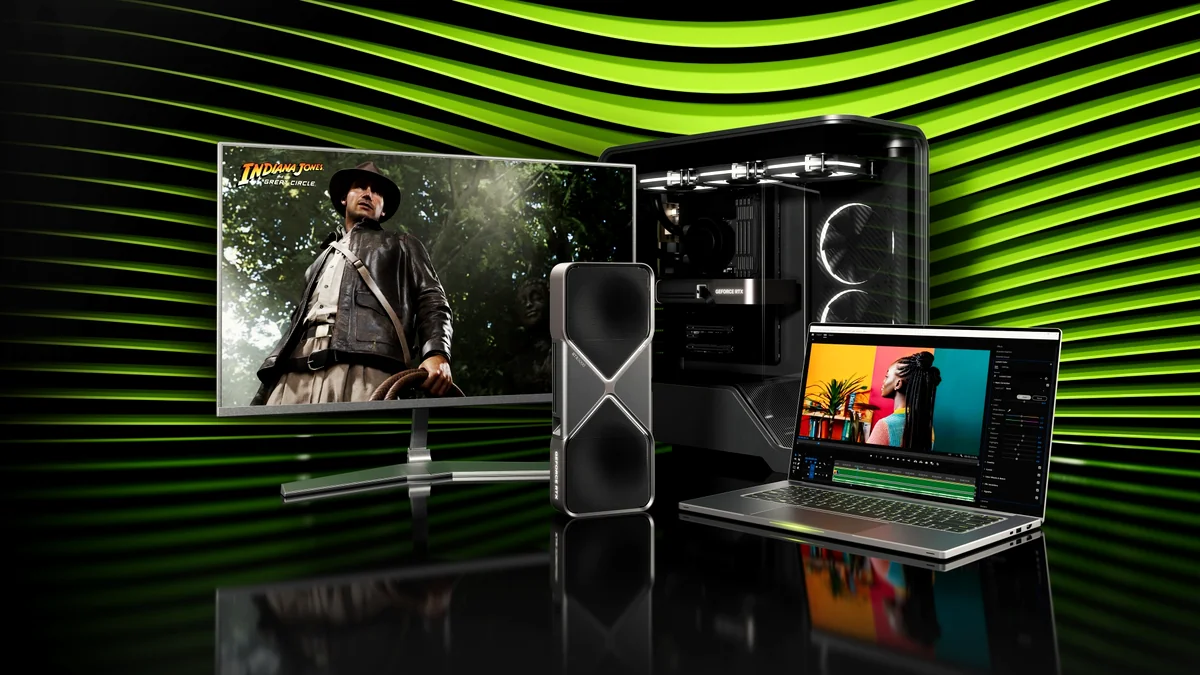

The gaming world stands on the precipice of a new era, heralded by the highly anticipated NVIDIA GeForce RTX 5070. As LoadSyn, a trusted voice in gaming technology, we’re dissecting whether this latest Blackwell-powered GPU delivers the generational leap that warrants an upgrade from an RTX 4070 or older cards. With its scheduled launch on March 5th, 2025, the RTX 5070 is positioned to ignite the mainstream market, promising a significant performance uplift driven by NVIDIA’s groundbreaking Blackwell architecture. This isn’t just about faster frame rates; it’s about the dawn of AI-powered graphics, fundamentally reshaping how games are rendered, experienced, and even created. The critical question for gamers and creators alike remains: is the RTX 5070 the definitive upgrade you need, or is the current-gen RTX 4070 still a prudent choice in today’s evolving market?
The Blackwell Revolution: A New Era of AI Graphics
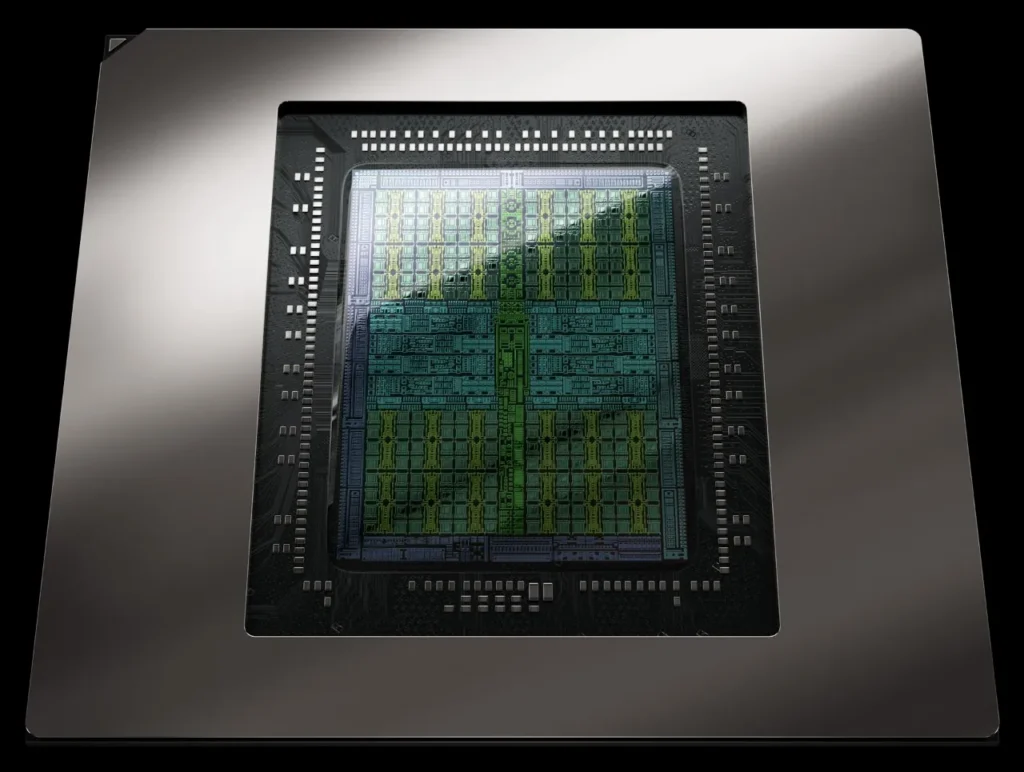
At the core of the NVIDIA GeForce RTX 50 Series lies the revolutionary Blackwell architecture, hailed by NVIDIA CEO Jensen Huang as the most significant computer graphics innovation in a quarter-century. This isn’t mere iterative improvement; Blackwell is specifically engineered for an era where AI is intrinsically woven into graphics. Its foundational tenets include profound optimizations for neural shaders and Mega Geometry, designed to unlock the full, immersive potential of path tracing in real-time. The architecture integrates cutting-edge fourth-generation RT Cores, purpose-built for unprecedented ray tracing performance, and fifth-generation Tensor Cores, delivering a massive boost in advanced AI capabilities. These hardware advancements enable cinematic-quality visuals at speeds previously unattainable, pushing the boundaries of realism in gaming. Beyond just frames, Blackwell positions the RTX 50 Series as the ultimate platform for creative acceleration via NVIDIA Studio, transforming workflows in 3D rendering, video editing, and graphic design, while simultaneously enhancing gaming through intelligent AI-driven technologies.
DLSS 4: The AI Supercharger
Driving the RTX 50 Series’ performance leap is the revolutionary DLSS 4 suite, a true AI supercharger for your graphics pipeline. This latest iteration, powered by the 50 Series’ fifth-generation Tensor Cores, introduces groundbreaking Multi Frame Generation, capable of generating up to three frames for every one rendered, delivering an astounding 8x performance increase over traditional rendering methods. But DLSS 4 isn’t just about raw frame rates; it’s also about unparalleled image quality and responsiveness. It features enhanced Ray Reconstruction and Super Resolution capabilities, leveraging an industry-first transformer model architecture. This advanced model utilizes four times more compute and double the parameters compared to previous generations, resulting in superior anti-aliasing, greater temporal stability, and finer detail retention. Furthermore, with support for FP4 precision, DLSS 4 significantly boosts AI image generation performance, allowing complex models to run locally with a smaller memory footprint. This comprehensive suite ensures that even with the most demanding path tracing effects enabled, gamers can experience incredibly high frame rates without sacrificing visual fidelity or critical low-latency responsiveness, thanks to its deep integration with NVIDIA Reflex.
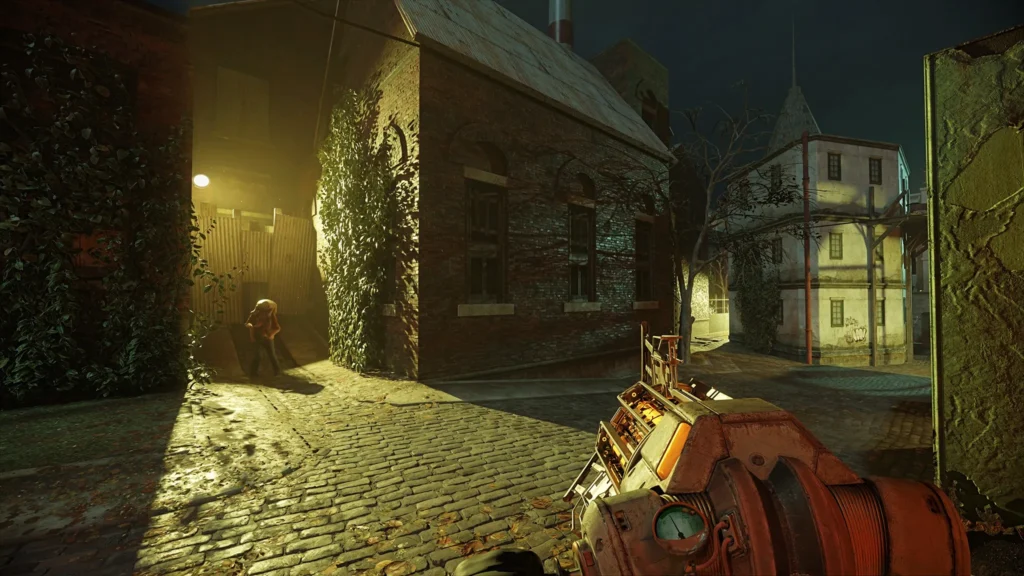
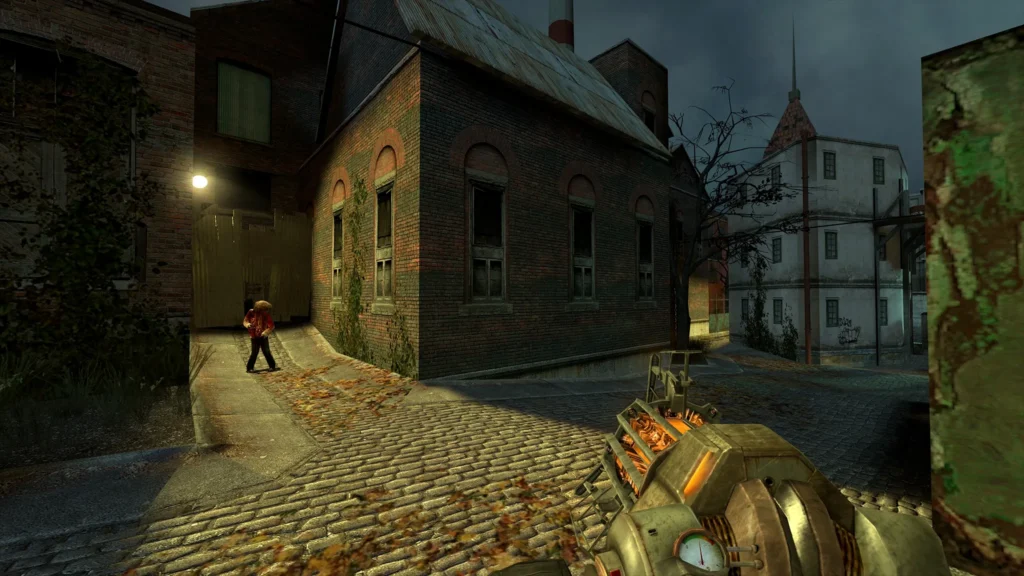
Beyond Frames: Latency, Creativity & The AI Ecosystem
- NVIDIA Reflex 2 with Frame Warp: For competitive gamers, milliseconds matter. NVIDIA Reflex 2 takes responsiveness to an entirely new level, meticulously optimizing the entire graphics pipeline to minimize system latency. Its upcoming Frame Warp technique is particularly revolutionary, promising to reduce latency by up to 75% by dynamically updating frames based on the latest mouse input just before display. This means faster target acquisition and quicker reaction times, providing a tangible competitive advantage.
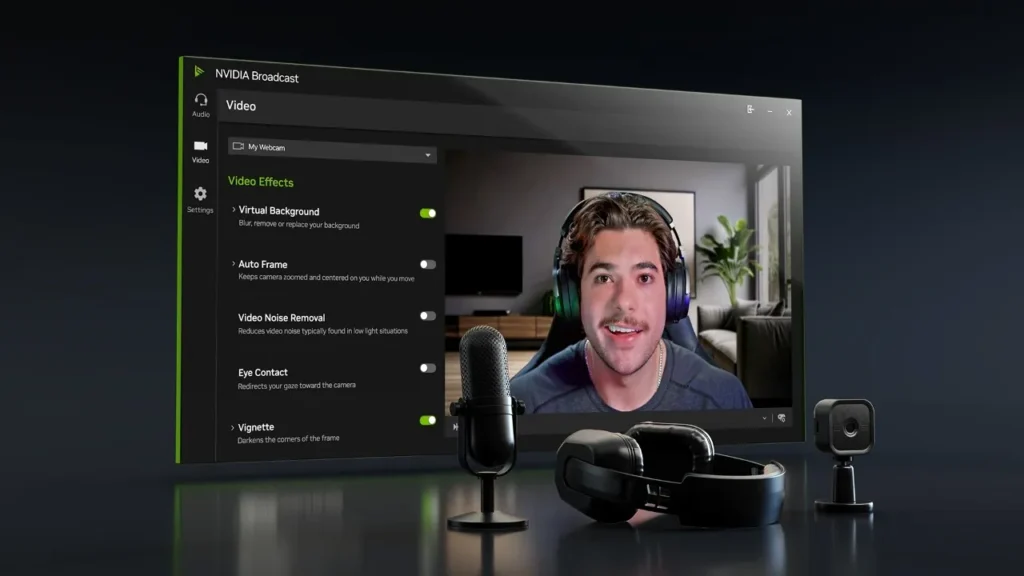
- NVIDIA Studio & Creative Acceleration: Beyond gaming, the Blackwell architecture dramatically accelerates creative workflows. NVIDIA Studio leverages RTX hardware to deliver transformative performance in demanding applications like 3D rendering, video editing, and graphic design. Creators benefit from world-class, regularly updated Studio Drivers and exclusive AI-assisted workflow tools, enhancing everything from complex simulations to real-time content creation. This ensures that the RTX 5070 isn’t just a gaming powerhouse, but a robust platform for digital artistry.
- NVIDIA ACE & Interactive AI: The RTX 50 Series pushes the boundaries of interactive experiences with NVIDIA ACE (Avatar Cloud Engine) technologies. ACE enables autonomous game characters to perceive, plan, and act with human-like intelligence, adapting tactics and engaging dynamically with players. Integrations are already planned for titles such as PUBG: BATTLEGROUNDS, InZOI, and MIR5, where characters will range from strategic survival companions to LLM-driven raid bosses, fundamentally enhancing immersion and gameplay depth.
- NVIDIA NIM for Local AI Tasks: Embracing the future of AI at the edge, the Blackwell platform supports the deployment of NVIDIA Inference Microservices (NIM) from major developers like Meta and Mistral. This allows a wide array of AI tasks to run locally on RTX AI PCs, bypassing cloud reliance for improved speed and privacy. Project R2X, a vision-enabled PC avatar assistant, serves as a compelling example of how NIM can bring sophisticated AI capabilities directly to your desktop, ushering in a new era of personal AI computing.
The RTX 5070: Specs, Price, and Positioning
NVIDIA GeForce RTX 5070 Key Specifications
| Feature | Value |
|---|---|
| Architecture | NVIDIA Blackwell (GB205 Die) |
| CUDA Cores | 6,144 |
| VRAM | 12GB GDDR7 |
| AI Performance (Tensor Cores) | 988 TOPS (FP4) |
| DLSS Version | DLSS 4 (Multi Frame Generation) |
| TDP (Power Draw) | 250W |
| Minimum PSU Requirement | 650W |
| Launch Price | $549 |
| Anticipated Launch Date | March 5th, 2025 |
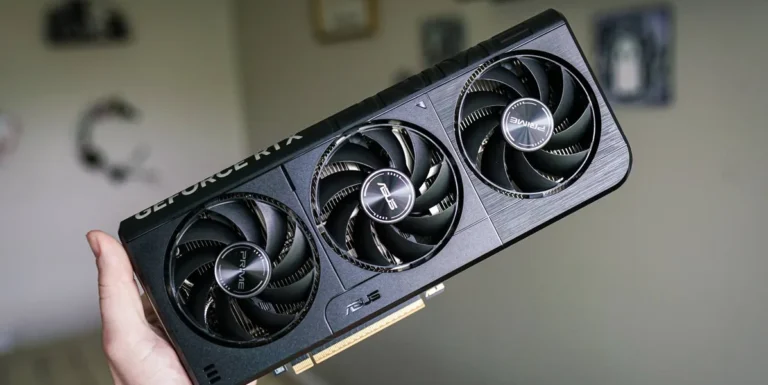
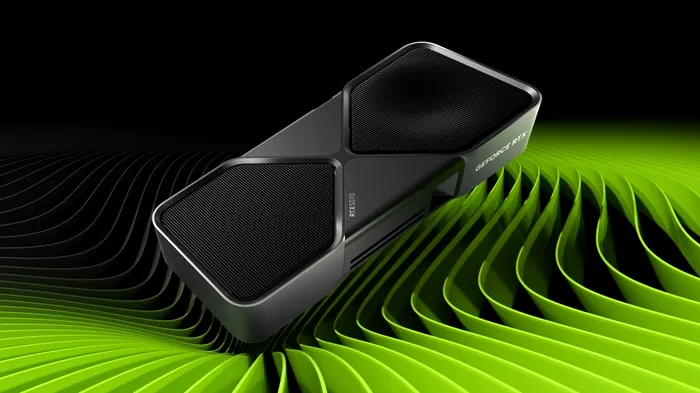
The NVIDIA GeForce RTX 5070 arrives as the most accessible entry point into the new 50 Series, strategically priced at $549. This positions it as a compelling upgrade for mainstream gamers, content creators, and PC enthusiasts looking to leap from older generations, particularly those on RTX 30-series cards. Built on the cutting-edge Blackwell architecture, the RTX 5070 is engineered to redefine expectations for its segment. With 6,144 CUDA cores and a robust 12GB of GDDR7 memory, it aims to deliver fluid, high refresh-rate 1440p gaming and even provide a solid entry-level experience at 4K. The integration of fifth-generation Tensor Cores, boasting 988 TOPS of AI performance, alongside DLSS 4 and AI-Enhanced Ray Tracing, ensures that this card not only boosts frame rates but also elevates visual realism. The RTX 5070 is designed to offer performance comparable to last generation’s higher-end offerings, all while remaining at a compelling mainstream price point, making its value proposition particularly strong for those seeking substantial performance gains.
The Upgrade Dilemma: 5070 vs. 4070 (and the Market Realities)
The central question for many discerning buyers revolves around the upgrade calculus: should you opt for the new RTX 5070, or is the RTX 4070 still a smart investment? While comprehensive, direct benchmark comparisons between these two specific cards are still emerging and awaiting official release, a clear generational leap from Ada Lovelace (40-series) to Blackwell (50-series) is undeniable from an architectural standpoint. The RTX 5070’s foundation on Blackwell, with its dedicated neural shaders, Mega Geometry, enhanced fourth-generation RT Cores, and particularly the revolutionary DLSS 4 with Multi Frame Generation, inherently positions it as a significant upgrade. These advancements promise not just higher frame rates but a fundamentally more advanced rendering pipeline, especially in AI-driven and ray-traced titles. Crucially, the RTX 5070’s launch price of $549 directly matches the original MSRP of the RTX 4070. This aggressive pricing strategy makes the 5070 a compelling value proposition, offering next-generation features and expected performance gains without an increased initial cost, fundamentally shifting the upgrade calculus in its favor for those seeking the latest in AI-powered graphics.
Should You Upgrade to the RTX 5070?
Pros
- Revolutionary Blackwell Architecture with dedicated neural shaders and Mega Geometry.
- Next-gen DLSS 4 with Multi Frame Generation for significant FPS boosts and improved image quality.
- Fifth-generation Tensor Cores offering substantial AI performance gains (988 TOPS).
- Enhanced Ray Tracing with Fourth-Gen RT Cores for more realistic visuals.
- NVIDIA Reflex 2 with Frame Warp for ultra-low latency gaming.
- Comprehensive NVIDIA Studio and AI ecosystem benefits for creators and developers.
- Positioned for high refresh-rate 1440p and entry-level 4K gaming at a mainstream price point ($549).
Cons
- Initial launch supply might be limited due to anticipated demand and potential production cuts.
- Performance benchmarks against RTX 4070 are still pending official release, requiring early adopters to trust architectural promises.
- Potential for future price increases and supply chain issues as hinted by industry reports.
- Requires a minimum 650W PSU, potentially necessitating an upgrade for some users.
Market Watch: Unconfirmed Production Cuts & Price Adjustments
Recent intelligence suggests NVIDIA may be planning a 30-40% reduction in RTX 50 Series GPU production for early 2026 due to memory shortages, potentially leading to upward price pressure. These reports are based on fragmented and unconfirmed sources (BoBantang via Videocardz and Benchlife) and should be viewed with caution, but highlight potential market volatility.
Blackwell’s Bold Entry: A Promising Future, But Patience May Pay Off
The NVIDIA GeForce RTX 5070, powered by the Blackwell architecture and DLSS 4, represents a significant technological leap, particularly in AI-driven rendering and overall efficiency. It’s poised to deliver compelling performance for 1440p and entry-level 4K gaming at a competitive price point, making it an attractive upgrade for those on older generations. While the full performance picture against the RTX 4070 is still developing, the architectural advancements alone suggest a powerful new contender. However, potential market volatility, including unconfirmed production cuts and price increases, might make waiting for initial reviews and stable supply a prudent strategy for some. For early adopters eager for the latest AI and graphical innovations, the RTX 5070 offers a tantalizing glimpse into the future of PC gaming.
Key Takeaways: Your Upgrade Decision at a Glance
- The RTX 5070 features NVIDIA’s new Blackwell architecture, bringing significant advancements in neural shaders, Mega Geometry, and path tracing.
- DLSS 4, powered by fifth-gen Tensor Cores, introduces Multi Frame Generation and an industry-first transformer model for superior upscaling and frame generation.
- Beyond gaming, the 5070 integrates into a broader AI ecosystem with NVIDIA Reflex 2, Studio, ACE, and NIM for creators and developers.
- Priced at $549, the RTX 5070 targets high refresh-rate 1440p and entry-level 4K gaming, aiming to surpass last-gen’s high-end performance.
- While a direct comparison to the RTX 4070 awaits full benchmarks, the 5070’s architectural leap and new features make it a compelling generational upgrade.
- Be aware of unconfirmed reports suggesting potential production cuts and price increases for the 50 Series in 2026.
Frequently Asked Questions About the RTX 5070
When is the NVIDIA GeForce RTX 5070 launching?
The NVIDIA GeForce RTX 5070 is scheduled for launch on March 5th, 2025, with Micro Center stores opening early to manage demand.
What is the price of the RTX 5070?
The RTX 5070 starts at a price of $549 USD.
What are the main improvements of the RTX 5070 over the RTX 4070?
The RTX 5070 features the new Blackwell architecture, including fifth-generation Tensor Cores (988 TOPS) for advanced AI, DLSS 4 with Multi Frame Generation and a transformer model, and enhanced fourth-generation RT Cores for superior ray tracing and neural rendering capabilities. While direct performance benchmarks against the 4070 are pending, these architectural shifts represent a significant generational leap.
Does the RTX 5070 support DLSS 4?
Yes, the RTX 5070 fully supports DLSS 4, including Multi Frame Generation, enhanced Ray Reconstruction, and Super Resolution.
What power supply (PSU) is recommended for the RTX 5070?
NVIDIA recommends a minimum 650W PSU for systems running the RTX 5070, which has a 250W TDP.