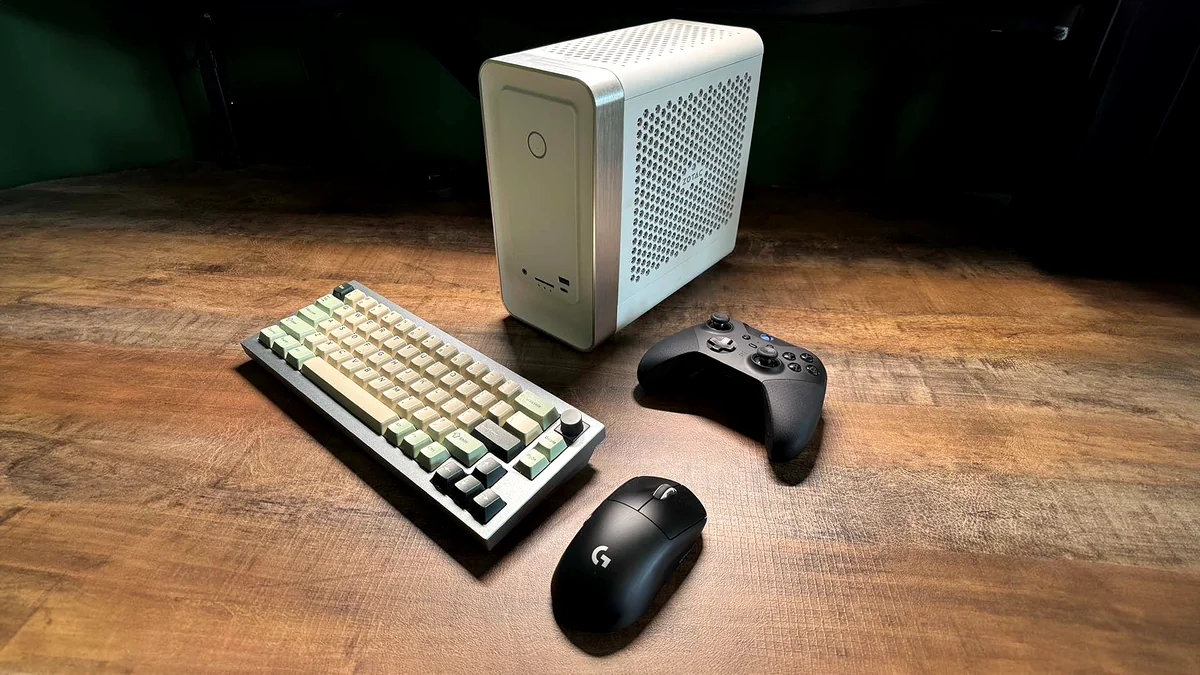

The 8.3-Liter Powerhouse: Zotac’s Magnus Evolution
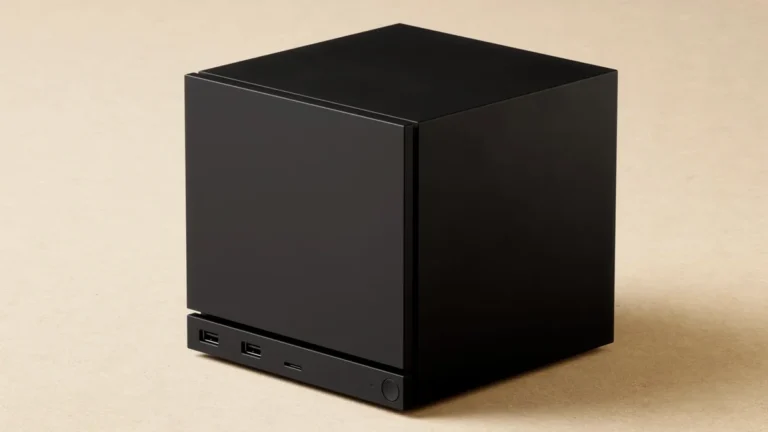
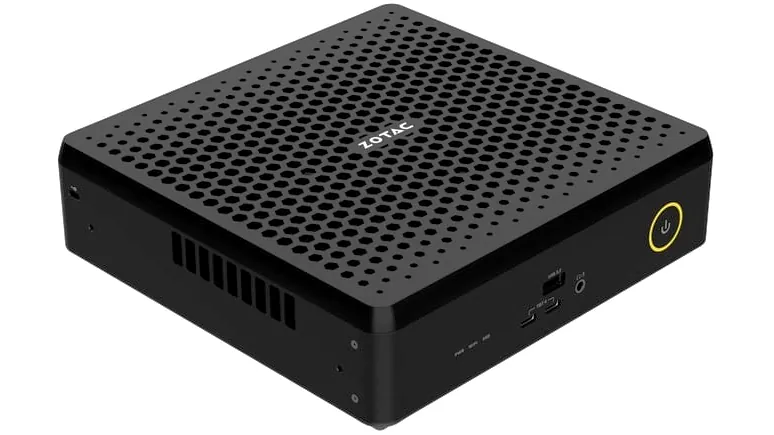
Zotac’s trajectory in the Small Form Factor (SFF) market is a masterclass in aggressive engineering. When we look back at the 2015-era ZBOX Magnus EN970, we see a machine that cautiously balanced an Intel Core i5-5200U and a GTX 960 within a modest footprint. Fast forward to the newly unveiled RTX 50-series integrations, and the shift in power density is staggering. Zotac has managed to maintain the iconic 8.3-liter chassis of the Magnus One while transitioning from low-voltage mobile chips to full-fat desktop-grade hardware. This evolution hasn’t been without its hurdles; as TDPs have climbed—peaking at 145W for the i7-13700 in recent iterations—the engineering team has had to innovate within the same physical constraints. The move to Intel Core Ultra 200S CPUs and NVIDIA’s Blackwell architecture represents the ultimate culmination of this ‘lunchbox’ philosophy, cramming workstation-class throughput into a volume that would barely fit a standard ATX power supply.
Key Takeaways
The next generation of Magnus hardware centers on three pillars: the leap to desktop-grade RTX 50-series GPUs (up to the 5070 Ti), the adoption of Intel’s efficient Core Ultra 200S ‘Arrow Lake’ architecture, and a continued engineering struggle to balance high-decibel acoustic output against the thermal demands of ultra-compact gaming.
The Thermal Tightrope: 145W CPUs in a Lunchbox
Our internal benchmarking confirms that the ‘boisterous’ acoustic profile of the Magnus One can be tamed. Capping the stock CPU and case fans at a fixed 50% RPM significantly reduces the high-pitched turbulence without triggering thermal shutdown. However, users should proceed with caution; the i7-13700 will hover around 91°C under these conditions, making high-quality thermal paste and a well-ventilated desk environment mandatory.
Magnus One (RTX 50-Series) vs. Magnus Mini (RTX 5060 Ti)
| Feature | Magnus One (Flagship) | Magnus Mini |
|---|---|---|
| CPU | Intel Core Ultra 200S | Intel Core Ultra 7 255H |
| GPU | RTX 5070 Ti / 5070 (Desktop) | RTX 5060 Ti (Desktop-grade) |
| Memory | Up to 96GB 6400 MT/s | Up to 96GB 6400 MT/s |
| Storage | Dual M.2 (Gen5+Gen4) | Dual M.2 (Gen4x4) |
Community Pulse: The Value Gap and the ‘Steam Machine’ Shadow
Pros
- Desktop-grade GPU performance in sub-10L chassis
- Extensive I/O including Thunderbolt 4 and Dual Ethernet
- Tool-less access for RAM and storage upgrades
Cons
- High acoustic output (noise) under heavy gaming loads
- Soldered mobile CPUs in smaller ‘Mini’ variants limit longevity
- Premium pricing compared to DIY SFF builds
Frequently Asked Questions
Can I upgrade the CPU in the Zotac Magnus?
In the Magnus One, the CPU is socketed and upgradeable (up to 65W TDP). However, the smaller Magnus EN/Mini series often uses soldered mobile HX or H-series processors which cannot be replaced.
Is the power supply reliable?
The Magnus One uses a 500W 80+ Platinum PSU. While high quality, the community remains skeptical of proprietary SFF power bricks; ensure you have adequate ventilation for the external adapters used in smaller models.
Final Verdict
The Zotac Magnus series remains the gold standard for ‘off-the-shelf’ SFF power, but it is a specialist’s tool. It requires a user willing to get their hands dirty with fan curves and undervolting to achieve a truly premium experience. With the RTX 50-series, Zotac is winning the specs war, but the battle for thermal silence and market value continues.