
The 2TB Threshold: Why Handheld Storage is the New Frontier
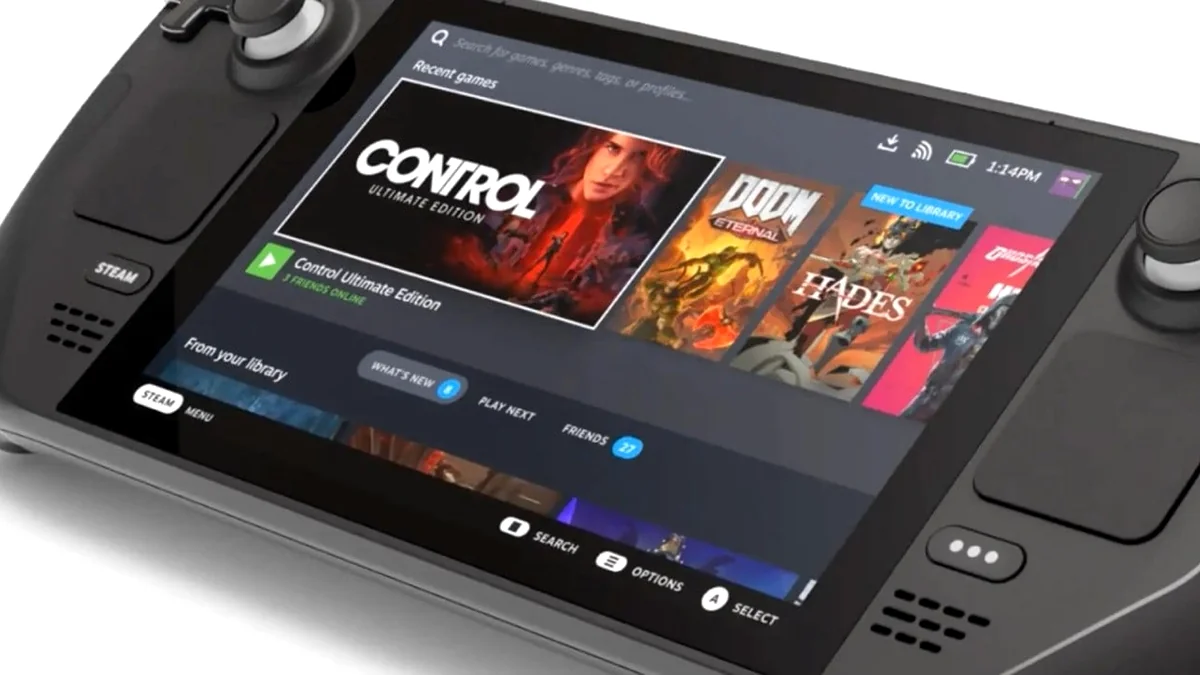
Since the launch of the Steam Deck in 2022, the handheld gaming PC market has shifted from a niche hobby to a mainstream phenomenon. But as game install sizes balloon, the factory-standard 512GB or even 1TB drives are no longer enough. The community has spoken: 2TB is the target. However, just as the demand for compact M.2 2230 NVMe drives peaks, a seismic shift in the semiconductor industry is threatening the supply chain that enthusiasts rely on. We are witnessing a collision between the golden age of handheld customization and a corporate exodus toward the AI gold rush.
Key Takeaways
- Handheld users are aggressively pivoting to 2TB internal SSD upgrades to handle modern AAA libraries.
- Micron is shuttering the iconic Crucial consumer brand by February 2026, marking the end of a 30-year retail legacy.
- Manufacturing capacity is being reallocated to high-margin AI data center memory (HBM) to meet hyperscaler demand.
- Valve remains committed to open-standard repairability, contrasting sharply with restrictive industry competitors.
The Micron Exodus: AI vs. The Consumer
In a move that stunned the PC building community, Micron Technology announced it will exit the Crucial consumer business by late February 2026. For nearly three decades, Crucial has been the gold standard for reliable, affordable RAM and SSDs. The reason for the exit? The insatiable demand for AI. Micron is reallocating its 3D NAND and DRAM production to serve hyperscale data centers and ‘neoclouds’ like Nscale, where margins on High Bandwidth Memory (HBM) far exceed those of consumer-grade M.2 drives. Every wafer dedicated to a consumer SSD is now seen as a lost opportunity to fulfill high-margin AI infrastructure orders.
The Hardware Hero: Micron 2400 NVMe SSD
| Feature | Specification |
|---|---|
| Interface | PCIe Gen4 x4, NVMe 1.4 |
| Capacity | Up to 2TB |
| Sequential Read | 4,500 MB/s |
| Sequential Write | 4,000 MB/s |
| Form Factor | M.2 22x30mm |
| Nand Technology | 176-layer QLC |
| Endurance (TBW) | 600TBW (2TB model) |
| Active Idle Power | <150 mW |
The Valve Philosophy: Open Standards in a Closed World
“Unlike Dell, Gabe lets repairs and upgrades like memory.”
— Community Sentiment (Fandom Pulse)
Valve’s approach with the Steam Deck has been a masterclass in community engagement. By utilizing the standard M.2 2230 socket, Valve empowered users to bypass expensive factory storage tiers. This openness is a direct result of lessons learned from the failed Steam Machines era—Valve realized that to win the handheld war, they had to own the platform but give the hardware back to the players. While competitors often lock down components, the Deck’s design encourages the very ‘tinkering’ that has led to the current 2TB upgrade craze.
The Future of Handheld Performance
What’s Next for the Steam Deck Ecosystem?
- Steam Deck 2 is years away; Valve is waiting for a ‘generational leap’ in efficiency.
- SteamOS 3 is being prepped for third-party handheld manufacturers.
- Potential revival of the Steam Controller to complement the handheld experience.
- Continued software optimization via Proton to bridge the Windows-Linux gap.
Frequently Asked Questions
Can I still get support for my Crucial SSD after 2026?
Yes. Micron has committed to honoring all existing warranty obligations and providing technical support even after the retail brand is discontinued.
Why are 2230 drives more expensive than standard 2280 drives?
The smaller form factor requires higher-density NAND and specialized controllers, and the market volume is significantly lower than standard desktop drives.
Will the Steam Deck OLED support faster SSDs?
The OLED model uses the same PCIe Gen3/Gen4 interface logic as the original; while you can install a Gen4 drive like the Micron 2400, it will be capped by the system’s interface speeds.
The Golden Age of Easy Upgrades is Facing a Corporate Reality Check.
The Steam Deck has proven that gamers want portable power and the freedom to tinker. While the industry’s pivot toward AI creates a challenging supply environment for high-capacity storage, the open-standard foundation of the handheld market ensures that as long as there is silicon, there will be a way to upgrade. The Micron 2400 remains a top-tier choice for those who can find it before the February 2026 cutoff. Secure your storage now, because the silicon landscape is shifting toward the data center, and the consumer is no longer the priority.