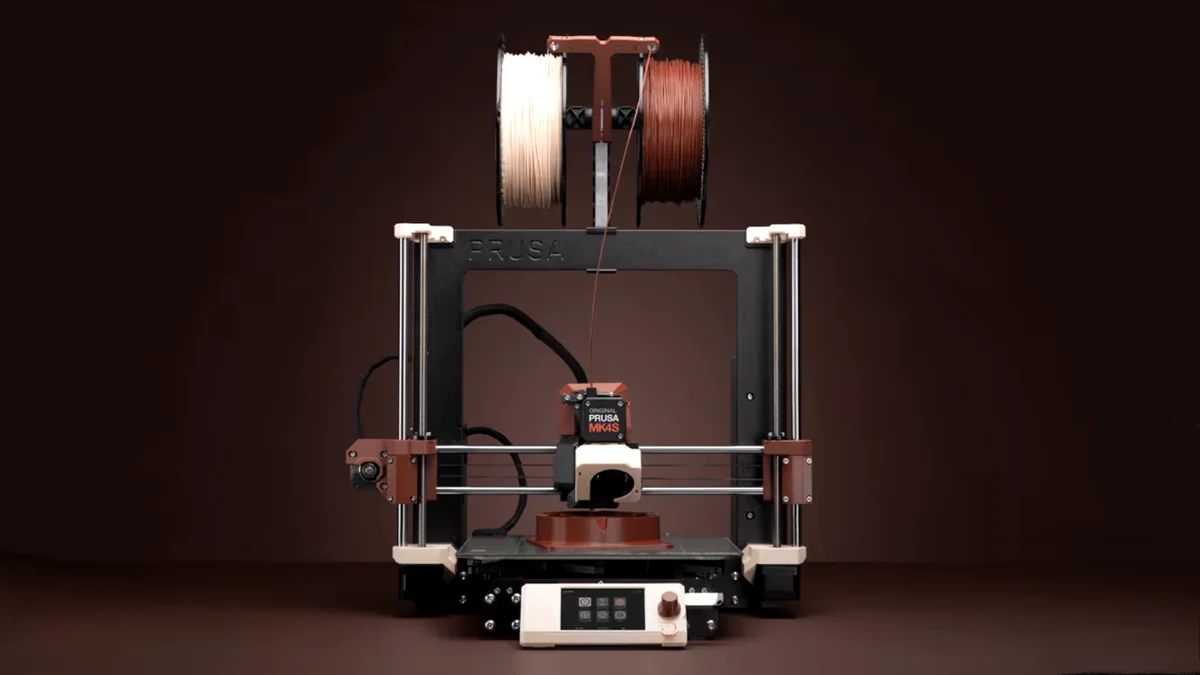

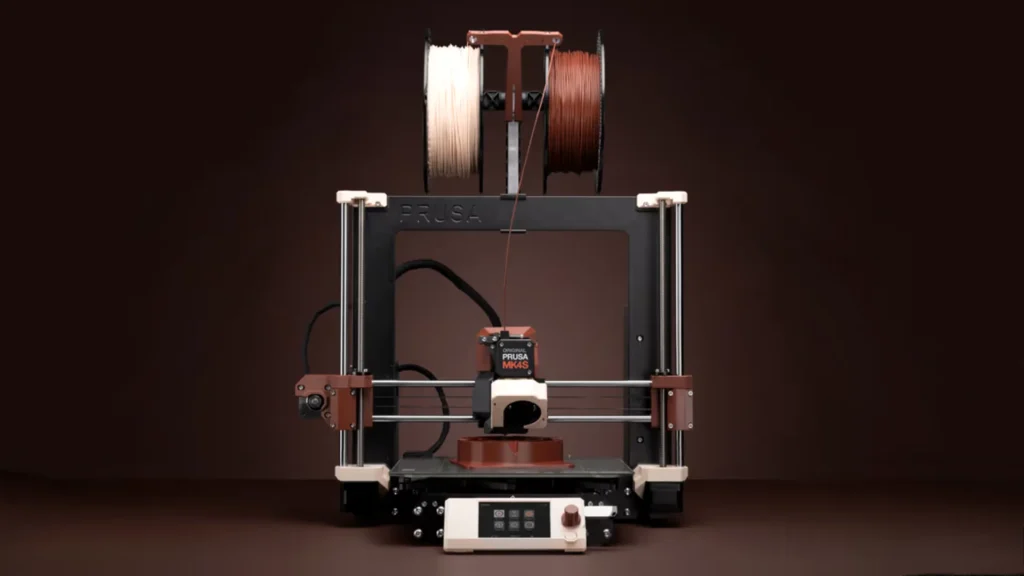
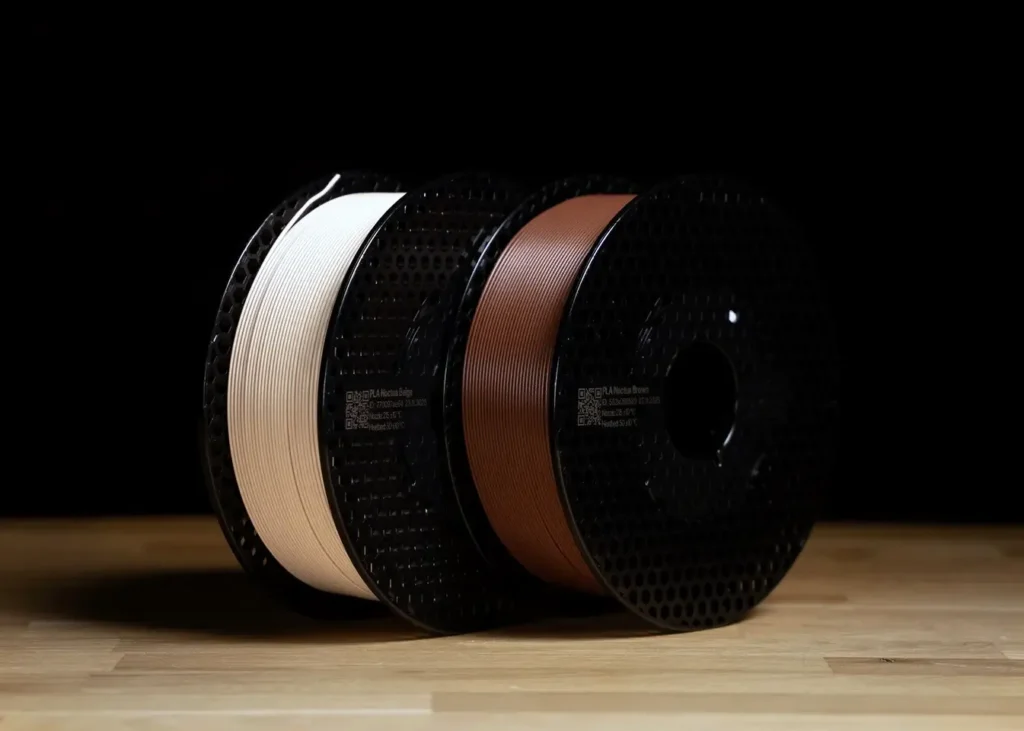
In a move poised to redefine aesthetic coherence in custom PC builds and DIY projects, Noctua, the renowned purveyor of silent, high-performance cooling solutions, has partnered with 3D printing titan Prusa Research. This groundbreaking collaboration introduces official Prusament PLA filaments in Noctua’s unmistakable Beige and Brown, directly addressing a long-standing desire within the enthusiast community for perfectly color-matched components. This alliance is not merely about new hues; it signifies a pivotal integration of physical hardware design with the expansive capabilities of additive manufacturing, setting a new benchmark for bespoke system aesthetics that we at LoadSyn are eager to deconstruct.
Key Takeaways
- Noctua and Prusa Research have launched official Prusament PLA filaments in signature Noctua Beige and Brown.
- This collaboration enables precise color-matching for custom 3D-printed PC components and DIY projects.
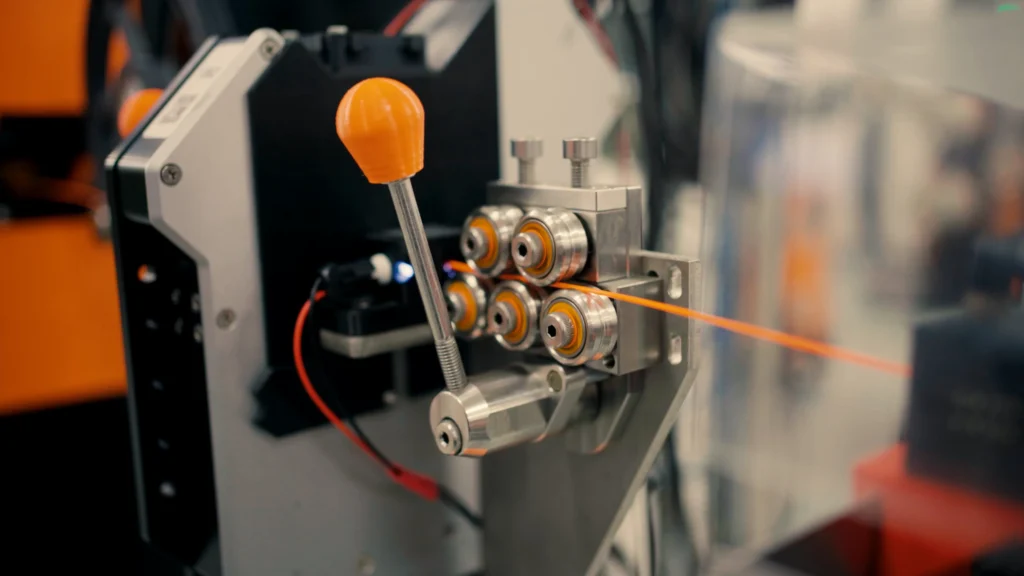
- Prusament PLA guarantees high manufacturing quality, consistent color accuracy, and tight tolerances (±0.02 mm).
- The filaments are ideal for aesthetic builds, offering a seamless visual integration with Noctua cooling hardware.
- Users should be mindful of PLA’s heat resistance limitations for parts in direct contact with hot PC components.
The Alliance of Icons: How Noctua and Prusa Bridged the Gap
This unique partnership emerged from the ‘Printables Brands initiative,’ a strategic endeavor by Prusa Research to seamlessly integrate commonplace physical products with the dynamic 3D printing maker community. Noctua, internationally recognized since 2005 for its engineering-centric approach to silent, high-performance cooling, found a natural counterpart in Prusa Research, a pioneer in accessible and reliable 3D printing technology. This collaboration represents a significant leap, moving beyond mere third-party attempts to precisely match colors, by offering officially sanctioned materials.
“We’ve always admired how the maker community utilises our fans and creates parts that enable new types of applications. Teaming up with Prusa Research to offer filaments in our signature colors to facilitate integrating our fans with 3D printed parts of any kind feels like a great way of giving back to the community.”
Roland Mossig, Noctua CEO
“Building your own PC has always been quite common here in the Czech Republic, and I remember using Noctua fans in my own builds back in the day. Since then, I’ve seen so many community projects trying to match Noctua’s iconic color scheme without ever finding a perfect fit. I’m really happy we got to team up with Noctua to bring these color-matched filaments to the market. It’s the perfect choice for any PC builder or modder, allowing them to build even better-looking computers with color-matched components and accessories.”
Josef Prusa, Founder and CEO of Prusa Research
The Noctua Aesthetic: A Deep Dive into Its Enduring Appeal
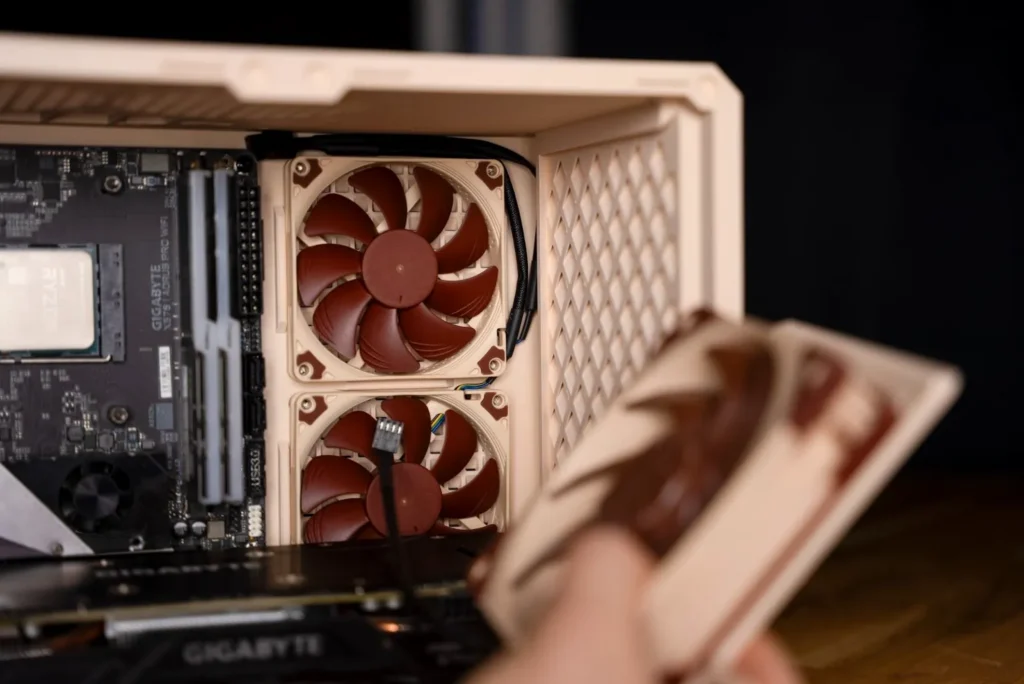
Noctua’s distinctive brown and beige color scheme, once a polarizing choice in an industry dominated by vibrant RGB and stark monochromes, has remarkably evolved into an iconic trend within PC building. This shift reflects a broader movement towards more minimalist, bespoke, and integrated aesthetics, where systems are designed to complement interior decor rather than merely stand out with flashy lighting. These muted tones resonate deeply with modern sensibilities, offering a sophisticated alternative to the often overwhelming visual noise of traditional gaming setups. For years, the PC building community has meticulously attempted to replicate Noctua’s signature palette through various means, often with inconsistent results, leading to a degree of skepticism among enthusiasts regarding true color accuracy across different brands.
Prusament PLA: Precision Engineering for Perfect Prints
The choice of Prusament PLA for this collaboration is a testament to its technical excellence and Prusa Research’s unwavering commitment to quality. Prusament PLA is widely acclaimed for its ease of printing, making it an accessible choice for both novices and seasoned users. Its inherent low shrinkage properties are critical for printing large, intricate objects like PC case components, ensuring minimal warping and dimensional stability. Furthermore, its consistent satin surface finish is highly valued, as it effectively conceals minor imperfections and lends a professional, high-grade appearance to finished prints.
Prusament PLA Noctua Beige & Brown Key Specifications
| Material Type | PLA (Polylactic Acid) |
| Colors Available | Noctua Beige, Noctua Brown |
| Filament Diameter | 1.75 mm |
| Diameter Tolerance | ±0.02 mm (±0.03 mm for blends) |
| Spool Weight | 1 kg |
| Recommended Nozzle Temp | 215 °C |
| Recommended Heatbed Temp | 50-60 °C |
| Recommended Build Plate | Smooth / Textured / Satin PEI Steel Sheet |
| Key Properties | Easy to print, low warping, hard, matte/satin finish, low heat resistance (55 °C) |
Beyond the Spool: Creative Applications and Community Showcase
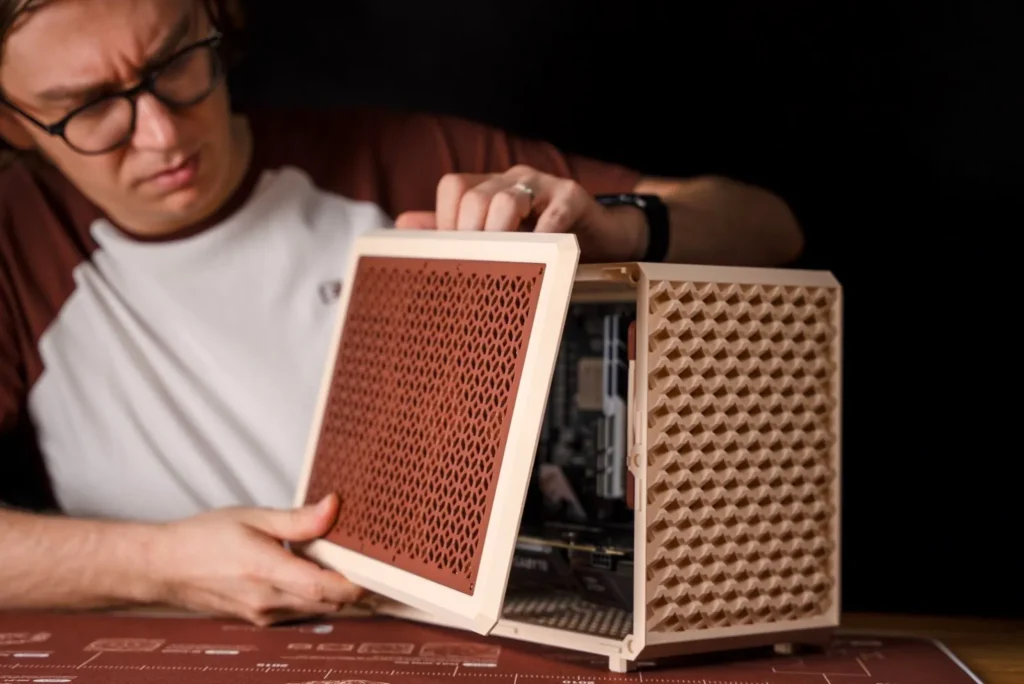
These new filaments unlock a vast spectrum of creative possibilities for PC builders and DIY enthusiasts, extending far beyond simple fan shrouds. The potential for aesthetic integration with existing Noctua hardware is immense. Imagine custom Mini ITX cases where every bracket and accent piece perfectly matches your Noctua fans, or personalized keyboard keycaps and mouse shells that echo the distinctive beige and brown. Noctua itself actively supports this maker ecosystem by providing a comprehensive range of official 3D models on Printables.com.
- Custom PC cases (e.g., Mini ITX designs)
- Keyboard keycaps and mouse shells
- Fan ducts, spacers, and mounting adapters
- High-efficiency fan grills and custom side panels
- Cable management accessories and decorative elements
- Functional upgrades for 3D printers (like the ‘Noctua Edition’ MK4S)
Navigating the Nuances: Practical Considerations and Community Feedback
The introduction of color-matched filaments, while met with considerable enthusiasm, has also garnered a degree of pragmatic skepticism regarding real-world color consistency. It is crucial, however, to address PLA’s inherent material limitations, particularly its low heat resistance, approximately 55 °C. This characteristic makes Prusament PLA Noctua filaments unsuitable for components in direct contact with hot PC hardware, such as CPU coolers, GPU shrouds, or VRMs.
Pros
- Perfect Color Matching: Official collaboration ensures exact match with Noctua hardware.
- High-Quality Manufacturing: Prusament’s tight tolerances (±0.02mm) and consistent color.
- Ease of Use: PLA is user-friendly for beginners and advanced users alike.
- Versatile Applications: Ideal for a wide range of aesthetic PC mods.
Cons
- Limited Heat Resistance: Not suitable for parts in direct contact with CPUs/GPUs (~55°C limit).
- Initial Material Choice: Currently only available in PLA.
- Cost: Potentially higher than generic PLA options ($32.99/kg).
While Prusament PLA Noctua filaments are excellent for aesthetic components, remember that PLA has a low heat resistance (~55°C). Avoid using these filaments for parts in direct contact with hot PC components (CPU coolers, GPU shrouds, VRMs) to prevent deformation. For high-temperature applications, consider Prusament PC Space Grade Black.
Final Thoughts: A New Era for PC Customization
The collaboration between Noctua and Prusa Research on color-matched Prusament PLA filaments is a triumph for aesthetic PC builders and DIY enthusiasts. By providing meticulously matched colors and Prusa’s renowned manufacturing quality, this initiative resolves a long-standing challenge in achieving truly seamless Noctua-themed builds. While PLA’s thermal limitations necessitate careful application, these filaments open up a new realm of creative possibilities, solidifying the bond between hardware manufacturers and the maker community.