
The Digital Deception Dossier: Navigating the Minefield of Online PC Hardware Scams
For years, the thrill of upgrading a PC began with the click of a ‘buy’ button. Today, that excitement is increasingly overshadowed by a gnawing anxiety. The digital marketplace, once a convenient portal to cutting-edge components, has transformed into a treacherous minefield, where sophisticated scams are eroding the very foundation of consumer trust. Nowhere is this more apparent than in the recent surge of return fraud, with high-value components like DDR5 RAM becoming prime targets. The PC building community, once vibrant with shared enthusiasm, now approaches every online purchase with a heightened sense of suspicion, forced into a vigilance that should never be necessary.
Video: ‘Beware, the RAM Scams are Here’
Key Takeaways
- Online PC hardware purchases are increasingly vulnerable to sophisticated return fraud, particularly with high-value components like DDR5 RAM and GPUs.
- Scammers exploit return policies by swapping genuine components for older, fake, or non-functional ones, then resealing packages.
- Major retailers like Amazon face scrutiny for inadequate inspection processes, fueling consumer distrust.
- Vigilance is paramount: recording unboxings, verifying technical specifications, and understanding market dynamics are crucial defense mechanisms.
Anatomy of a Fraud: The DDR5-Disguised-as-DDR2 Nightmare
The audacity of recent scams is alarming. Consider the case of a gamer who, after eagerly awaiting a new set of XPG Caster 32 GB DDR5-6000 CL40 modules from Amazon, instead found ancient DDR2 RAM inside a meticulously resealed package. This wasn’t a simple error; it was a deliberate act of fraud. Scammers had precisely swapped the high-performance DDR5 sticks for obsolete DDR2, then expertly re-sealed the original packaging. For the untrained eye, the deception could easily pass, yet careful inspection reveals the glaring technical inconsistencies. The physical dimensions, the location of the keying notch, and the pin count are fundamentally different between DDR2 and DDR5, offering crucial clues to the observant buyer.

“I happen to have a 32GB DDR5 ram kit sitting next to me that I just got a few days ago off Amazon. This made me open the kit and verify the correct sticks were actually in the box!”
Beyond RAM: A Spreading Epidemic of PC Component Deception
While the DDR5 swap has captured recent headlines, it’s crucial to understand that this deception is merely one facet of a broader, spreading epidemic. The PC hardware market is plagued by various forms of fraud that collectively shatter consumer confidence. We’ve seen countless reports of ‘GPU box stuffing,’ where eager buyers receive an empty box, a placeholder item like a bag of sand, or a non-functional, low-end card instead of their anticipated high-end graphics processor. Beyond direct component swaps, aggressive scalping tactics continue to exploit market shortages, inflating prices to exorbitant levels and making genuine components inaccessible. These diverse methods of deception foster a deep-seated distrust, forcing enthusiasts to question the legitimacy of every online listing and the integrity of every sealed package.
Video: ‘DDR5 Scam’
- GPU Box Stuffing: Receiving a placeholder item (like rocks or older GPUs) in a graphics card box.
- Scalping and Price Gouging: Exploiting market shortages to sell components at exorbitant prices.
- Used/Refurbished as New: Selling previously used or repaired components as brand new.
- Counterfeit Components: Selling non-genuine, low-quality parts under the guise of legitimate brands.
The Accountability Gap: Why Platforms Like Amazon Are Under Fire
The finger of blame often points directly at the colossal online retailers, and for good reason. Despite their immense resources and sophisticated logistics, platforms like Amazon appear to struggle significantly in stemming the tide of return fraud. The underlying issues are multifaceted: lenient return policies, designed for customer convenience, are ruthlessly exploited by bad actors. The sheer volume of daily transactions and returns makes it an almost insurmountable challenge to thoroughly inspect every single item, particularly specialized and often delicate PC hardware. This operational bottleneck creates a critical ‘accountability gap’ where fraudulent returns re-enter the supply chain undetected. The PC building community’s frustration, bordering on betrayal, stems from this perceived lack of rigorous oversight, leaving consumers feeling exposed and unprotected by the very platforms they trust with their significant investments.
“I used to work at Amazon returns. They don’t train us to properly inspect these things and we don’t get enough time to properly inspect things (they want us to do 80 returns an hour).”
Online Retailers: A Double-Edged Sword
Pros
- Convenience: Easy ordering and doorstep delivery.
- Competitive Pricing: Often offers better deals than brick-and-mortar stores.
- Wide Selection: Access to a vast inventory of components.
- Fast Shipping: Many offer expedited delivery options.
Cons
- High Fraud Risk: Susceptible to return fraud and component swaps.
- Inspection Gaps: Returns often not thoroughly checked, allowing scams to proliferate.
- Dispute Resolution: Can be a lengthy and frustrating process to resolve fraudulent orders.
- Impersonal Service: Lack of direct human oversight compared to specialized stores.
LoadSyn’s Essential Buyer’s Checklist: Arming Yourself Against Fraud
While the current landscape of online PC hardware purchasing presents undeniable challenges, consumers are far from powerless. At LoadSyn, we believe in empowering our readers with the knowledge and tools to navigate these treacherous waters. By adopting a proactive and meticulous approach, you can significantly minimize your risk and safeguard your hard-earned investments against the pervasive threat of fraud. Consider this your essential checklist, forged from the collective experience of the community and our own rigorous testing.
- Record Unboxings: Always video record the unboxing process for expensive hardware, showing the package’s condition, serial numbers, and the item itself. This is your strongest proof.
- Verify Serial Numbers: Cross-reference serial numbers on the product with those on the packaging and your invoice.
- Inspect Physical Condition: Check for signs of tampering, resealing, or mismatched components immediately upon receipt. Pay close attention to unique identifiers like RAM module notches or GPU connectors.
- Purchase from Authorized Sellers: Buy directly from the brand’s official store or reputable, authorized retailers. Avoid third-party sellers on marketplaces with poor ratings or no clear return policies.
- Check QVL Lists: For RAM, consult your motherboard’s Qualified Vendor List (QVL) to ensure compatibility and authenticity of the specific model.
- Understand Return Policies: Familiarize yourself with the seller’s return and dispute resolution policies BEFORE purchasing.
The Unstable Foundation: Market Dynamics Fueling Uncertainty
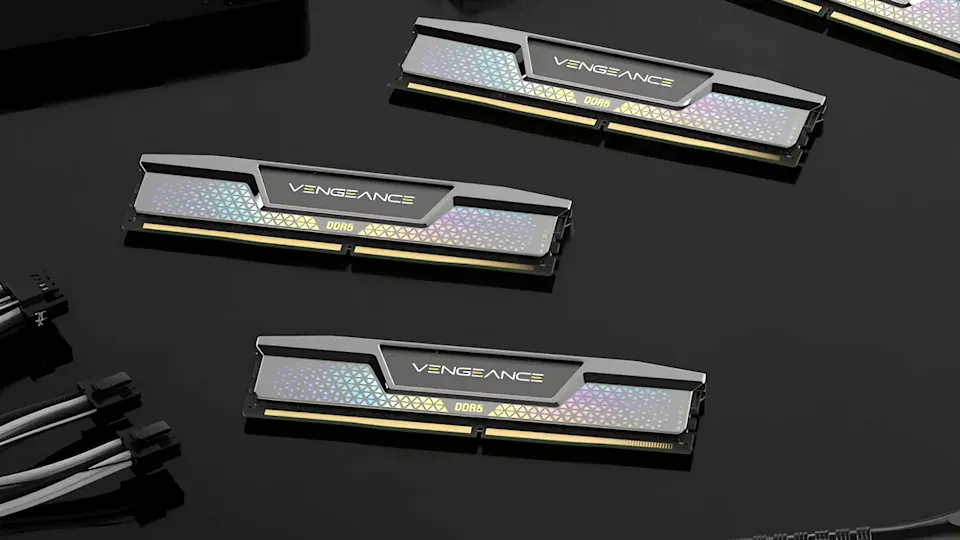
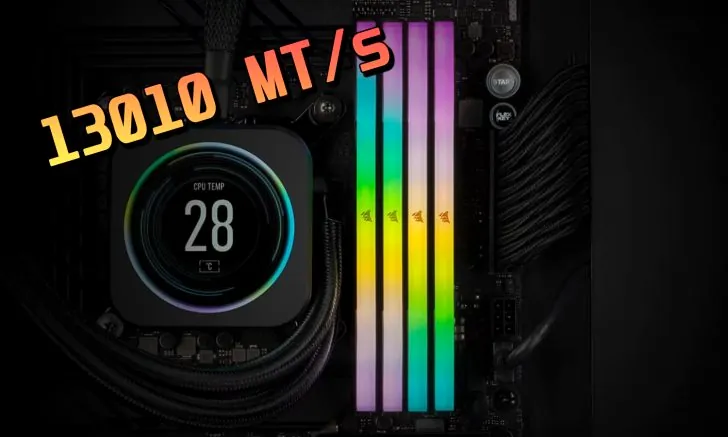
To fully grasp the current vulnerability of the PC hardware market, we must also consider the broader, often volatile, dynamics at play. The DDR5 landscape itself is in flux, exemplified by Micron’s recent decision to exit the Crucial consumer business by February 2026. This strategic shift, driven by a focus on enterprise AI, signals a changing ecosystem, potentially impacting availability and pricing. Simultaneously, the relentless pursuit of raw speed continues to push boundaries, with German overclocker ‘sergmann’ recently shattering the 13000 MT/s barrier for DDR5 memory using Corsair Vengeance modules. While an incredible feat of engineering, such extreme benchmarks, often achieved with liquid nitrogen and impractical timings, inadvertently inflate perceptions of ‘normal’ performance, driving up demand and perceived value for high-speed kits – making them even more attractive targets for component swaps. Further muddying the waters are complexities even from legitimate brands, as seen with the recent $5.5 million Corsair class-action lawsuit. This suit, settled without admission of guilt, highlighted the crucial distinction between JEDEC default speeds and advertised XMP/EXPO profiles, which require manual BIOS activation. Such nuances, though technical, contribute to a climate of potential consumer confusion, making it harder to discern genuine product claims from deceptive ones.
DDR5 Performance: JEDEC vs. XMP/EXPO
| Feature | JEDEC Standard (Default) | XMP/EXPO Profile (Advertised) |
|---|---|---|
| Base Speed (MT/s) | 4800 MT/s | Up to 8000+ MT/s (requires motherboard/CPU support) |
| Voltage | 1.1V | Often 1.35V – 1.45V |
| Latency | Higher (e.g., CL40) | Lower (e.g., CL30-CL36) |
| Activation | Automatic | Manual activation in BIOS required |
| Context | Guaranteed compatibility, lower performance | Higher performance, requires compatible hardware and ‘overclocking’ |
Your Definitive Defense Against Digital Deception
The digital marketplace for PC hardware, once a frontier of convenience, has undeniably evolved into a landscape where caution is no longer optional—it is an absolute imperative. The escalating crisis of consumer trust, driven by the rise of sophisticated return fraud, particularly with high-value components like DDR5 RAM, demands an unprecedented level of personal vigilance. At LoadSyn, we stand as your steadfast ally in navigating these treacherous waters. By understanding the intricate tactics employed by scammers, by holding platforms accountable for their role, and by diligently adopting rigorous personal safeguards, you can continue to pursue your passion for building and upgrading your dream rig without falling victim to deception. Stay informed, stay vigilant, and never, ever compromise on meticulously verifying your hardware.
Frequently Asked Questions
Check the module’s physical dimensions, notch position, and pin count (DDR5 has 288 pins, different notch from DDR4). Verify the serial number on the stick matches the packaging and invoice. Run memory diagnostic tools and check BIOS for advertised speeds (XMP/EXPO profiles).
The community sentiment suggests significant gaps in Amazon’s return inspection process, allowing fraudulent returns to re-enter circulation. While Amazon states efforts, the frequency of these incidents indicates more rigorous procedures are needed.
A continuous video recording of the package’s arrival, its untouched condition, the unboxing process, and a clear view of the component’s serial number and any discrepancies is the strongest evidence. Document all communications with the seller.
No, the lawsuit centers on how advertised speeds (XMP profiles) differ from JEDEC default speeds, requiring BIOS adjustments. It doesn’t imply poor quality, but highlights a need for clearer advertising around performance expectations that require user configuration.