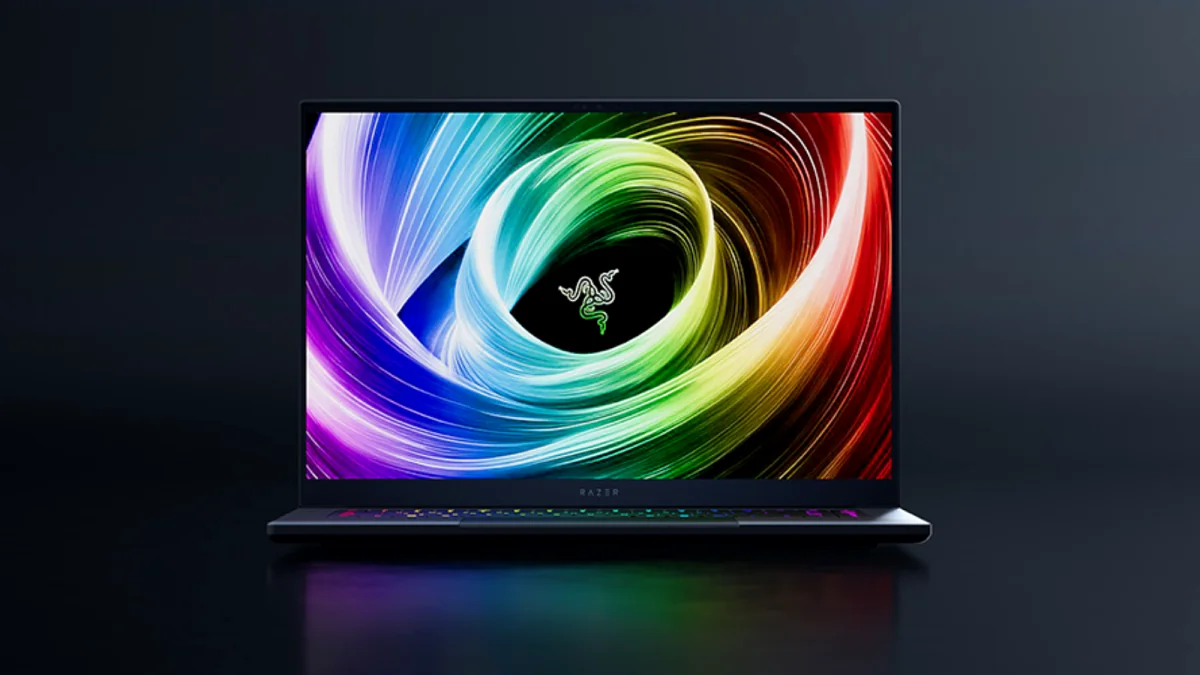

The gaming laptop landscape is undergoing a seismic shift in 2025-2026, driven by NVIDIA’s groundbreaking RTX 50-series GPUs and a pervasive wave of AI integration. From ultra-thin designs that defy expectations to desktop replacements boasting unprecedented power, manufacturers like Razer, MSI, and Lenovo are pushing the boundaries of mobile gaming. This definitive guide cuts through the marketing hype to deliver a comprehensive, data-backed analysis of what truly matters: performance, design, value, and the evolving role of artificial intelligence in your next gaming powerhouse. As the head of LoadSyn’s benchmark lab, I’m here to ensure your purchasing decisions are empirical. Prepare to dive deep into benchmarks, explore the nuances of new hardware, and arm yourself with the knowledge to make the most informed decision.
Key Takeaways
- NVIDIA’s RTX 50-series GPUs (Blackwell architecture) represent a significant generational leap, offering enhanced raw power and groundbreaking AI capabilities like DLSS 4 with Multi Frame Generation and neural rendering.
- While the RTX 5090 and 5080 laptop GPUs show impressive theoretical gains, real-world performance can be surprisingly close, with chassis design and thermal efficiency heavily influencing actual frame rates and overall output.
- Flagship models from industry leaders like Razer, MSI, and Lenovo are redefining mobile gaming, featuring thinner designs, innovative cooling solutions, and integrated AI processors (AMD Ryzen AI, Intel Core Ultra HX) to push performance and efficiency boundaries.
- AI integration is a dominant theme, with Razer’s CEO advocating for AI as an augmentation tool for game development. However, this vision faces community skepticism regarding ‘AI slop’ and concerns over rising hardware costs driven by AI infrastructure demands.
- Buyers in this evolving market must balance bleeding-edge performance, portability, and value. Factors like volatile RAM and GPU pricing, alongside the practical impact of AI features, necessitate careful consideration to make an informed purchasing decision.
The Powerhouse Under the Hood: NVIDIA RTX 50-Series Explained
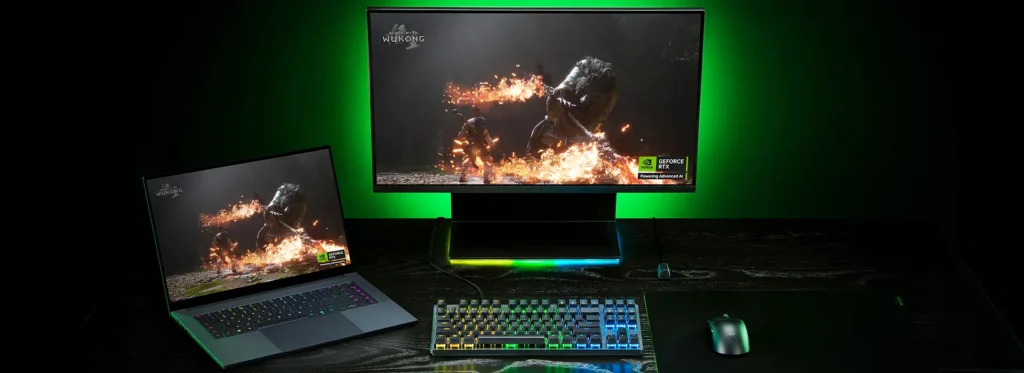
At the heart of the 2025-2026 gaming laptop revolution lies NVIDIA’s GeForce RTX 50-series Laptop GPUs, powered by the new Blackwell architecture. These chips promise ‘game-changing capabilities’ for both gamers and creators, leveraging a massive increase in AI horsepower. Key innovations include NVIDIA DLSS 4 with Multi Frame Generation, which intelligently generates additional frames, enhanced Ray Reconstruction for superior lighting effects, and NVIDIA Reflex 2 with Frame Warp, all meticulously designed to deliver supreme speed, incredibly superior visuals, and game-winning responsiveness. The Blackwell architecture is engineered from the ground up for maximum efficiency, pushing raw performance and extending battery life further than ever before, even in the most demanding thinner form factors.
NVIDIA GeForce RTX 50 Series Laptop GPU Specifications (Preliminary)
| GPU Model | AI TOPS | CUDA Cores | Boost Clock (MHz) | Memory | Memory Bandwidth |
|---|---|---|---|---|---|
| RTX 5090 Laptop GPU | 1824 | 10496 | 1597 – 2160 | 24 GB GDDR7 | 896 GB/s |
| RTX 5080 Laptop GPU | 1334 | 7680 | 1500 – 2287 | 16 GB GDDR7 | 896 GB/s |
| RTX 5070 Ti Laptop GPU | 992 | 5888 | 1447 – 2220 | 12 GB GDDR7 | 672 GB/s |
| RTX 5070 Laptop GPU | 798 | 4608 | 1425 – 2347 | 8 GB GDDR7 | 384 GB/s |
DLSS 4 & AI: The Game-Changer?
NVIDIA’s DLSS 4 introduces Multi Frame Generation and enhanced Ray Reconstruction, powered by fifth-generation Tensor Cores. This AI-driven upscaling is touted to deliver significant FPS boosts and superior visuals, fundamentally altering the performance landscape. However, as with any new technology, widespread adoption and consistent real-world visual fidelity across all titles remain key areas of ongoing evaluation that discerning gamers will monitor closely.
Beyond the Numbers: RTX 5090 vs. RTX 5080 Laptop Performance
While the raw specifications suggest a clear hierarchy, early benchmarks from our sister publication, Laptop Mag, reveal a more nuanced story for the RTX 50-series laptop GPUs. Their extensive tests pitted the RTX 5090 (24GB VRAM) in a Razer Blade 16 against the RTX 5080 (16GB VRAM) in a Gigabyte Aorus Master 16. The results were genuinely surprising: the RTX 5090, while taking overall victory, only outperformed the RTX 5080 in 22 out of 30 tests, with many of those victories being marginal. This highlights a critical, often overlooked, factor in laptop performance: chassis design and thermal efficiency. A thinner laptop, even equipped with a theoretically superior GPU, can be severely thermally limited, allowing a well-cooled, slightly ‘chonkier’ chassis with a lower-tier GPU to sometimes pull ahead and deliver better sustained frame rates.
RTX 5090 vs. RTX 5080 Laptop Gaming Benchmarks (Selected, 1080p Ultra)
| Game Benchmark | RTX 5080 (fps) | RTX 5090 (fps) | Winner |
|---|---|---|---|
| Assassin’s Creed: Mirage | 145 | 120 | RTX 5080 |
| Far Cry 6 | 120 | 97 | RTX 5080 |
| Grand Theft Auto V | 182 | 166 | RTX 5080 |
| Monster Hunter Wilds | 85.67 | 70.86 | RTX 5080 |
| Shadow of the Tomb Raider | 185 | 166 | RTX 5080 |
| Total War: Warhammer III | 186.7 | 186.2 | RTX 5080 |
| Cyberpunk 2077 | 61.52 | 65.83 | RTX 5090 |
| DiRT 5 | 176 | 177.3 | RTX 5090 |
| F1 23 | 89 | 106 | RTX 5090 |
| Metro Exodus Enhanced Edition | 80.43 | 90.47 | RTX 5090 |
| Red Dead Redemption II | 73.4 | 86.91 | RTX 5090 |
RTX 5080 vs. 5090 Performance Comparison (FPS)
“A bigger GPU is not always better. There are plenty of factors to consider when buying a new gaming laptop, especially if you want it to be one of the best gaming laptops. As we’ve seen here, size may be one of those factors.”
— Rami Tabari, Laptop Mag
RTX 5090 vs. RTX 5080 Laptop: Which to Buy?
RTX 5090 Advantages
- Highest overall performance potential in robust chassis.
- 24GB GDDR7 VRAM for future-proofing and high-res textures.
- Top-tier AI TOPS for massive DLSS 4 acceleration.
- The undisputed choice for desktop-replacement seekers.
RTX 5080 Advantages
- Potentially better price-to-performance ratio.
- Can outperform 5090 in thermally constrained thin designs.
- More accessible entry point into next-gen gaming.
- Excellent for immersive 1440p high-refresh gaming.
This video provides a quick overview of some of the best new gaming laptops showcased at CES 2026.
Flagship Contenders: A Look at Razer, MSI, and Lenovo’s 2025-2026 Lineup
Razer Blade 16 & 18 (2025): Slim Design, Max Power
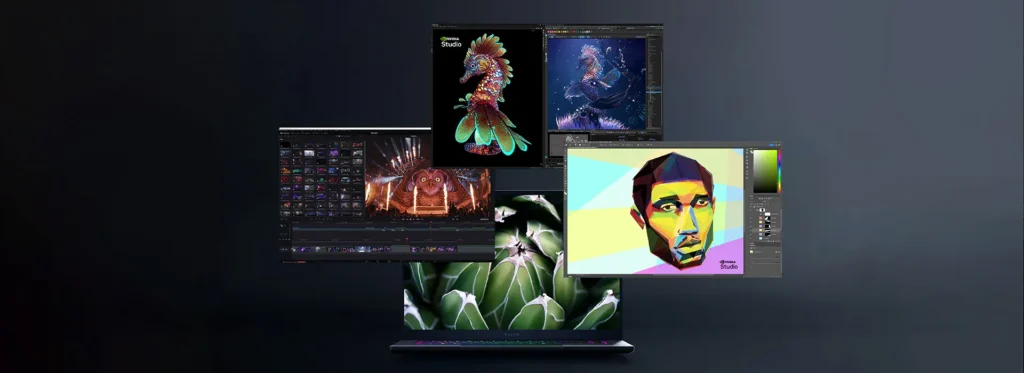
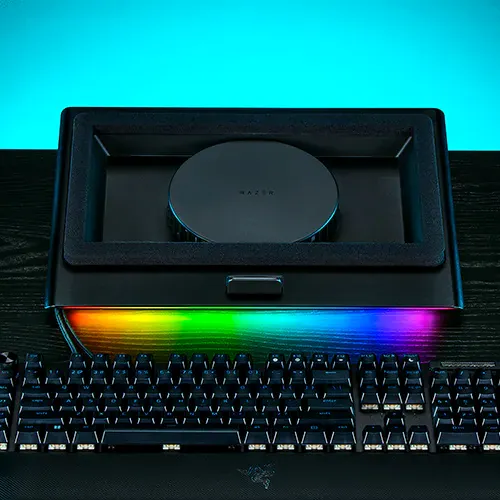
Razer continues its legacy of crafting sleek, powerful gaming laptops with the 2025 Razer Blade 16 and 18, pushing the boundaries of what’s possible in mobile form factors. The Blade 16 is touted as Razer’s ‘thinnest gaming laptop ever,’ meticulously designed for superior portability without compromising on raw power. It features up to NVIDIA GeForce RTX 50 Series Laptop GPUs, capable of pushing up to 160W TGP on the Blade 16 and an even more robust 175W on the Blade 18. For the first time, these models also integrate AMD Ryzen AI 9 HX 370 processors, offering a potent blend of raw gaming performance and dedicated AI acceleration. Key features include vibrant QHD+ 240 Hz OLED displays on the Blade 16 for stunning visuals, refined gaming keyboards with deeper key travel for improved responsiveness, redesigned cooling systems (featuring a new thermal hood and massive vapor chamber) to manage heat effectively, and robust connectivity options. The larger Blade 18, meanwhile, offers an expansive screen and even more power, truly positioning it as a formidable desktop replacement.

Razer Blade 16 (2025) Key Specifications
| Feature | Razer Blade 16 (2025) |
|---|---|
| GPU Options | Up to NVIDIA RTX 5090 (160 W TGP) |
| Processor Options | Up to AMD Ryzen AI 9 HX 370 |
| Display | QHD+ 240 Hz OLED (2560 x 1600) |
| Memory | Up to 64 GB LPDDR5X 8000 MHz (Fixed) |
| Cooling | Vapor Chamber, Thermal Hood, PTM7958 |
MSI’s AI-Ready Arsenal: Titan, Raider, Vector, Stealth
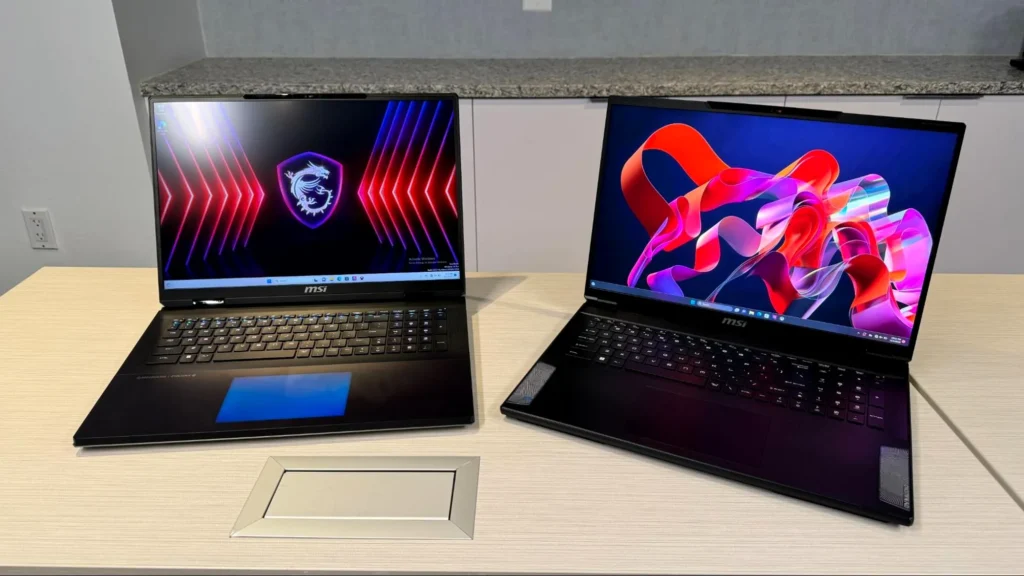
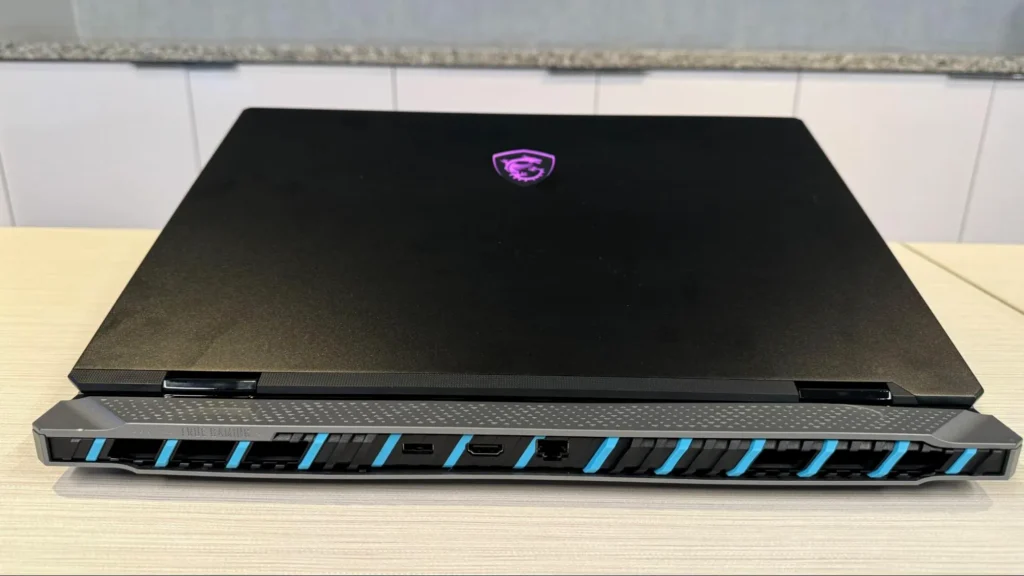
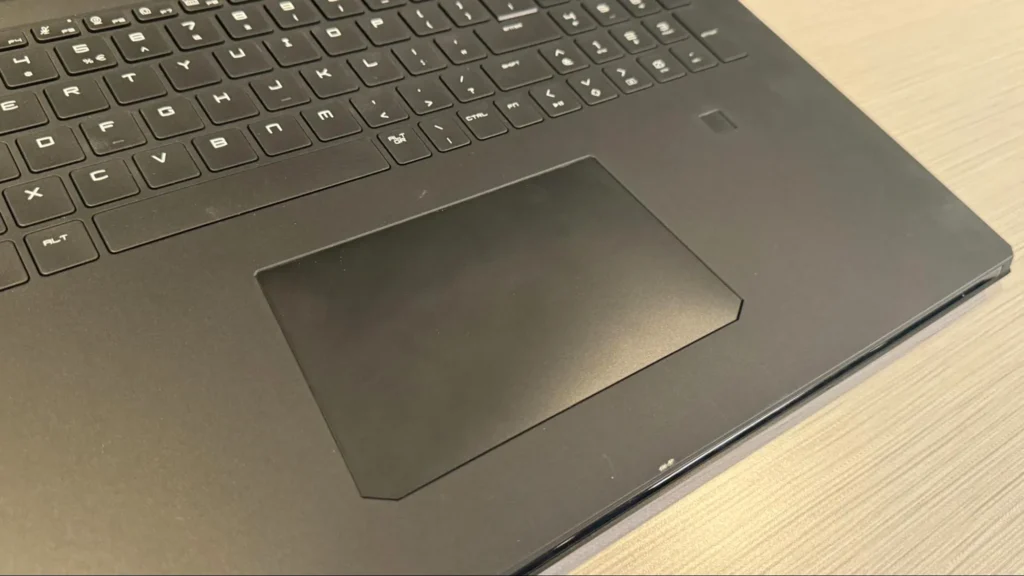
MSI has updated almost its entire laptop lineup for 2025-2026, with a strong emphasis on AI integration and the immersive experience of larger 18-inch displays. The flagship Titan 18 HX, Raider 18 HX, and Stealth 18 AI Studio all feature Intel’s latest 14th Gen HX-series processors or Intel Core Ultra processors with dedicated NPUs, paired with high-end NVIDIA GeForce RTX 40-series and 50-series GPUs. The Titan 18 HX, in particular, boasts a premium Cherry MX mechanical keyboard, a haptic RGB touchpad, and an impressive up to 270W of combined CPU/GPU power, making it a true performance beast. A standout feature across many new MSI models is MSI’s new AI Engine software, which intelligently optimizes laptop settings based on usage.
Lenovo Legion Pro 7i Gen 10: Redesigned for Cooling & Power
Lenovo’s Legion Pro 7i Gen 10 enters the 2025-2026 arena with a significant redesign focused squarely on enhanced cooling and raw power. This iteration features the cutting-edge Intel Core Ultra 9 275HX processors and NVIDIA GeForce RTX 50-series GPUs, configurable up to the formidable RTX 5090. The redesign conspicuously includes chunky rear exhaust vents, now accented with customizable RGB lighting, signaling a serious commitment to thermal management. This robust cooling solution is crucial for sustained high performance, ensuring that the powerful components can operate at their peak during extended gaming sessions without thermal throttling.
The redesigned Lenovo Legion Pro 7i Gen 10 focuses on robust cooling for its new RTX 50-series GPUs.
AI in Gaming: A Double-Edged Blade for 2026?
The integration of AI into gaming hardware and software is perhaps the most contentious, yet significant, trend of 2025-2026. Razer CEO Min-Liang Tan has been a vocal proponent, stating that ‘AI is the future of gaming’ and that gamers will ‘learn to love AI.’ However, he readily acknowledges the community’s strong pushback against ‘AI slop’—shoddily generated content—emphasizing that Razer’s substantial investment (a reported $600 million and 150 AI engineers) is meticulously focused on AI as an augmentation tool for game developers.
“I think we’re unhappy with generative AI slop, right? Just to put it out there. And that’s something that I’m unhappy with. Like any gamer, when I play a game, I want to be engaged, I wanna be immersed, I wanna be able to be competitive. I don’t want to be served character models with extra fingers and stuff like that… What we aren’t against, at least, from my perspective, are tools that help augment or support, and help game developers make great games.”
— Min-Liang Tan, Razer CEO
Despite this nuanced vision, the gaming community remains largely skeptical. Our ‘Fandom Pulse’ analysis confirms an underlying ‘Skepticism’ and a ‘Desire for Performance’ from gamers, who demand tangible benefits rather than abstract promises. Furthermore, the massive global demand for AI infrastructure is driving up the cost of critical components like GDDR7 VRAM and powerful GPUs. This directly impacts the affordability of next-gen gaming laptops, forcing manufacturers to grapple with volatile pricing.
Watch: Bloomberg Interview with Razer CEO
The RAM & GPU Price Hike
The burgeoning AI industry’s insatiable demand for high-bandwidth memory (HBM) and powerful GPUs is creating significant supply chain pressures. This translates directly to higher manufacturing costs for GDDR7 VRAM and NVIDIA’s latest chips, which will inevitably affect the final pricing of 2025-2026 gaming laptops.
Making Your Choice: Price, Portability, & Future-Proofing
Key Considerations for Your 2025-2026 Gaming Laptop
- Performance vs. Portability: Decide if you prioritize absolute top-tier FPS in a larger chassis designed for thermal headroom, or a balanced profile in a sleek thin-and-light design like the Blade 16.
- GPU Tier: The RTX 5080 often offers a compelling price-to-performance ratio. The RTX 5070 Ti is also noted for its strong value for 1440p gaming.
- AI Integration: Evaluate if DLSS 4 or NPU acceleration truly aligns with your use cases (competitive gaming vs. creative work).
- Cooling System: Research the effectiveness of vapor chambers and thermal materials to prevent throttling.
- Display Technology: Consider OLED for contrast and response times, or Mini-LED for peak brightness and HDR.
- RAM & Storage: Aim for at least 32GB high-speed RAM and ensure multiple M.2 slots for future expansion.
- Price-to-Value: Compare bundled offers and build quality beyond just raw benchmarks.
The 2025-2026 Gaming Laptop Outlook: Powerful, Smart, and Complex
The 2025-2026 generation of gaming laptops represents a significant leap in raw power and efficiency. However, the market demands a discerning eye: real-world performance is heavily influenced by thermal design, and the long-term value of AI features, alongside rising component costs, remains a dynamic factor. Careful, data-driven research into specific models and their thermal solutions will be key to finding the true ‘best’ gaming laptop for your individual needs.
Frequently Asked Questions
What is the biggest difference in the RTX 50-series GPUs?
The RTX 50-series (Blackwell) introduces significant improvements in raw power, increased GDDR7 VRAM, and DLSS 4 with Multi Frame Generation and neural rendering.
Does the RTX 5090 always outperform the RTX 5080?
Not necessarily. In thin-and-light laptops, a well-cooled RTX 5080 in a robust chassis can match or exceed a thermally constrained RTX 5090.
What role does AI play in these laptops?
AI is used for DLSS 4 performance boosts, offloading workloads to dedicated NPUs, and manufacturer-specific software for system optimization.
Can I upgrade the RAM in the Razer Blade 16 (2025)?
The Razer Blade 16 (2025) typically features fixed (soldered) LPDDR5X RAM, so choose your configuration carefully at purchase. Storage remains upgradeable via two M.2 slots.