
Key Takeaways
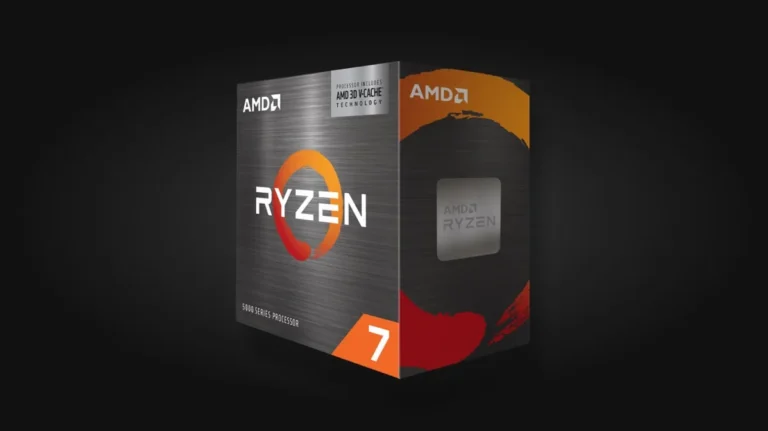
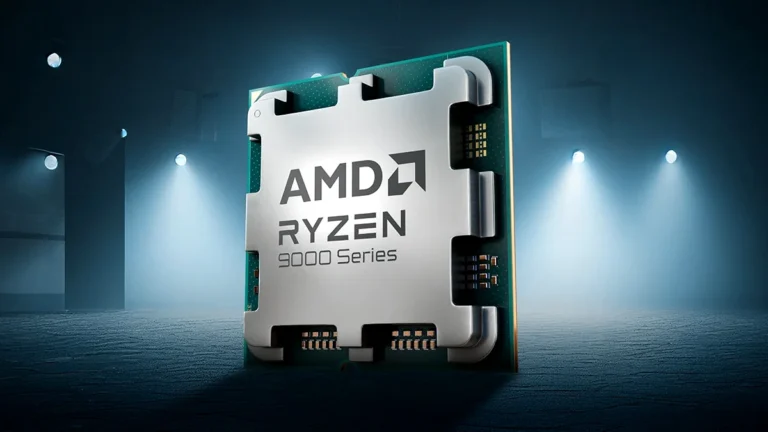
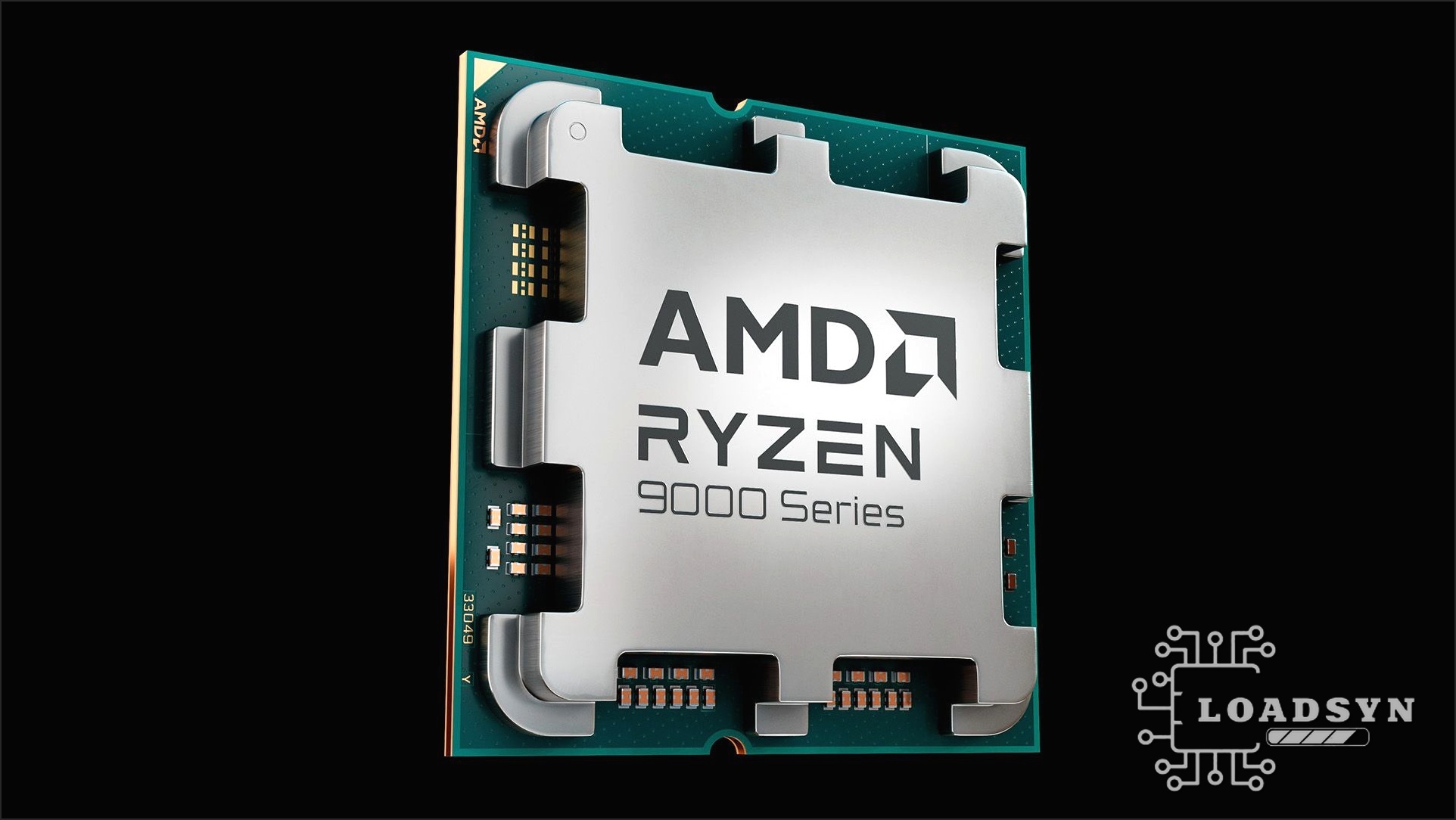
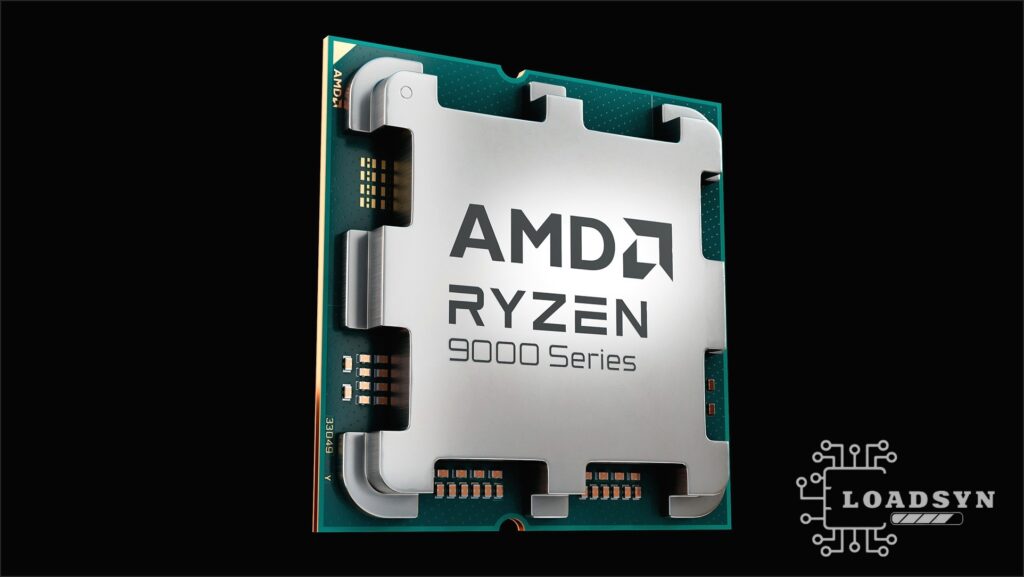
- AMD quietly launched four new, cut-down Ryzen CPUs: the Zen 5 Ryzen 7 9700F and Ryzen 5 9500F, the Zen 4 Ryzen 5 7400, and the Zen 3 Ryzen 5 5600F.
- The ‘F’ suffix indicates the lack of integrated graphics, requiring a discrete GPU.
- Availability is heavily restricted: the 9700F is locked to North America, and the 5600F is limited to APAC/Japan.
- The Ryzen 5 7400 is an unorthodox Zen 4 chip, featuring a significantly cut L3 cache (16MB vs. 32MB) compared to its ‘F’ counterpart.
- The Zen 3 Ryzen 5 5600F surprisingly retains the full 32MB L3 cache and PCIe 4.0 support, positioning it as a potentially superior budget option over the 5500.
The Zen 5 F-Series: Cut-Down Specs, Cut-Down Price?
AMD’s latest Zen 5 architecture is now being deployed in the value segment, spearheaded by the Ryzen 7 9700F and the Ryzen 5 9500F. These processors are defined by the ‘F’ suffix, which immediately signals the crucial omission of integrated graphics, necessitating a dedicated GPU for system operation. Both chips are designed around an efficient 65W Thermal Design Power (TDP). Intriguingly, the eight-core Ryzen 7 9700F is a masterful piece of silicon segmentation: it essentially mirrors the core, cache, and clock specifications of the high-end 9700X (3.8 GHz base, 5.5 GHz boost) but is binned for operation within a strict 65W power envelope. The six-core Ryzen 5 9500F, while retaining the full 32MB of L3 cache, sees a slight clock reduction compared to its faster 9600 counterpart, boosting only up to 5.0 GHz.
AMD’s New Budget Lineup: Specifications vs. Their Closest Counterparts
| Model | Architecture | Cores/Threads | L3 Cache (MB) | Max Boost Clock | iGPU | Primary Region |
|---|---|---|---|---|---|---|
| Ryzen 7 9700F | Zen 5 | 8/16 | 32MB | 5.5 GHz | No | North America |
| Ryzen 7 9700X | Zen 5 | 8/16 | 32MB | 5.5 GHz | Yes | Global |
| Ryzen 5 9500F | Zen 5 | 6/12 | 32MB | 5.0 GHz | No | Global |
| Ryzen 5 7400 | Zen 4 | 6/12 | 16MB (Apparent) | 4.3 GHz | Yes | OEM/SI |
| Ryzen 5 7400F | Zen 4 | 6/12 | 32MB | 4.7 GHz | No | APAC/China (OEM) |
| Ryzen 5 5600F | Zen 3 | 6/12 | 32MB | 4.0 GHz | No | APAC/Japan |
| Ryzen 5 5600 | Zen 3 | 6/12 | 32MB | 4.4 GHz | Yes | Global |
The Real Story: Why Segmentation is Causing Global Frustration
While the specifications of these new chips are compelling for a value build, the overarching narrative is one of strategic segmentation. AMD has made a deliberate, business-driven choice to heavily restrict the availability of these high-value processors to specific markets. For example, the powerful Ryzen 7 9700F is essentially locked to North America, while the budget-friendly Zen 3 Ryzen 5 5600F is confined to the Asia-Pacific and Japan regions. This strategy is not arbitrary; it allows AMD to engage in highly localized pricing battles and satisfy specific demands from Original Equipment Manufacturers (OEMs) and System Integrators (SIs) that require specialized, graphics-less parts. However, for the global enthusiast community—the core readership of LoadSyn—this approach intentionally limits retail access, transforming what should be an exciting global launch into a frustrating exercise in regional exclusivity.
“pero ni llega a mi pais eso xD”
Architectural Quirks: The Case of the Missing Cache
Beyond the regional lockouts, a deeper dive into the specifications reveals confusing architectural segmentation within the Zen 4 lineup. We must specifically scrutinize the new Ryzen 5 7400. While the existing, OEM-only Ryzen 5 7400F utilized the expected 32MB of L3 cache, the new 7400 appears to feature only 16MB of L3 cache. This is a severe and uncommon segmentation tactic for a desktop CPU, particularly when combined with an integrated GPU and lower clock speeds (4.3 GHz boost). In gaming performance, L3 cache size is paramount for maintaining low latency and ensuring frame-time consistency. Halving the cache capacity on the 7400 significantly reduces its effective gaming potential compared to the 7400F, making it a clear low-priority chip designed purely to hit a minimal price point rather than deliver competitive frame rates.
Amidst the confusion of cache cuts and segmentation, the Zen 3 Ryzen 5 5600F stands out as a surprising technical advantage for the APAC region. Unlike the globally available Ryzen 5 5500—which is based on the Cezanne (APU) architecture and thus limited to 16MB of L3 cache and PCIe 3.0—the new 5600F utilizes the full Vermeer desktop core. This core retains the crucial 32MB L3 cache capacity and full support for PCIe 4.0. For budget builders utilizing high-speed NVMe drives or discrete GPUs, this cache retention and platform support make the 5600F a vastly superior, performance-critical option compared to the existing Ryzen 5 5500, provided they can access it in their market.
The Verdict: A Masterclass in Market Fill, But a Missed Opportunity
AMD’s latest quiet launch is a textbook example of silicon market maximization. By deploying highly tailored, cut-down SKUs across three generations (Zen 5, Zen 4, and Zen 3), the company successfully fills every available niche, ensuring that every piece of viable silicon is monetized, whether through OEM deals or specific regional pricing battles. The technical execution is brilliant—particularly the power efficiency of the 9700F and the cache retention of the 5600F. However, this surgical segmentation ultimately dilutes global enthusiasm. These high-value chips, which could redefine the budget gaming landscape, are rendered irrelevant to the majority of our international readership due to geographic restrictions. For the enthusiast gamer seeking the best price-to-performance ratio, AMD’s strategy remains technically astute yet practically frustrating.