
- The AMD Ryzen 7 5700X3D remains the king of budget gaming CPUs, offering near-flagship performance on the aging AM4 platform, especially for 1440p gaming.
- The core conflict for new builders is no longer CPU performance vs. platform cost, but platform longevity vs. unprecedented component inflation and ‘AI-Tax’ pricing.
- The massive, AI-driven surge in DDR4/DDR5 RAM and NAND prices has critically eroded the primary cost advantage of the AM4 platform (the reliance on historically cheap DDR4), leading to an actual ‘price inversion’ where DDR4 can cost more than DDR5.
- Asus is strategically increasing production of B550/A520 DDR4 motherboards in Q1 2026, offering a potential (though limited) lifeline for AM4 builders.
- The total system cost gap between a budget AM4 build and a future-proof AM5 build has shrunk dramatically, rendering AM5 the superior long-term investment despite the immediate pain of high DDR5 prices.
- Expect RAM prices to remain aggressively elevated well into 2026, peaking around mid-year, with market normalization unlikely before late 2027 or 2028.
The Budget Gamer’s Dilemma: AM4 vs. The Future
For years, the AM4 socket represented the pinnacle of upgrade longevity and budget value. Now, as the platform officially reaches end-of-life, AMD has delivered its final, powerful budget champion: the Ryzen 7 5700X3D. This 8-core, 16-thread processor, officially available since late April 2024, is built on the proven Zen 3 architecture but leverages the potent 3D V-Cache technology, delivering a massive 96MB of total on-chip L3 cache. With an estimated base clock of 3.4 GHz and boost exceeding 4.4 GHz, the 5700X3D is designed for superior performance in both gaming and professional tasks, maintaining a 105W TDP. For 1440p gamers constrained by GPU budgets, the 5700X3D provides near-flagship gaming performance at a deeply discounted price point ($249 MSRP, with B2B wholesale prices seen as low as $210-$225/unit in Q2 2025), making the decision to stick with the older, cheaper platform incredibly tempting. However, this temptation must be weighed against the modern alternative, often represented by chips like the Intel Core i5-13400F, which offers a path to current-gen standards.
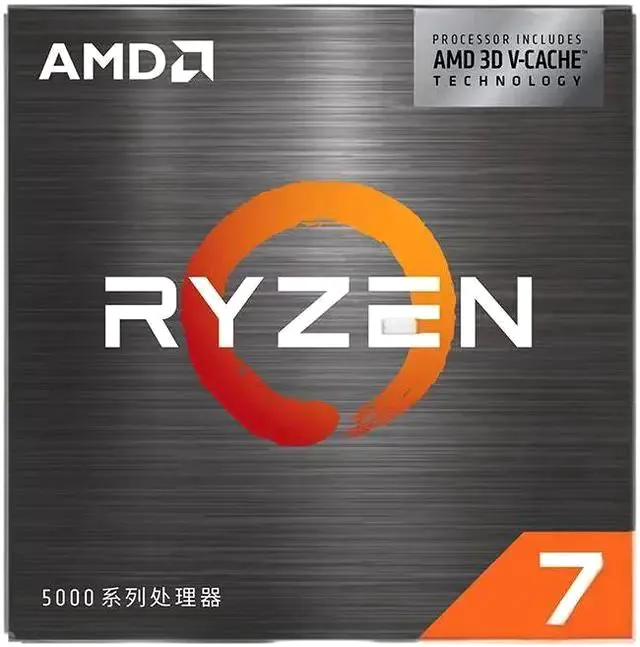
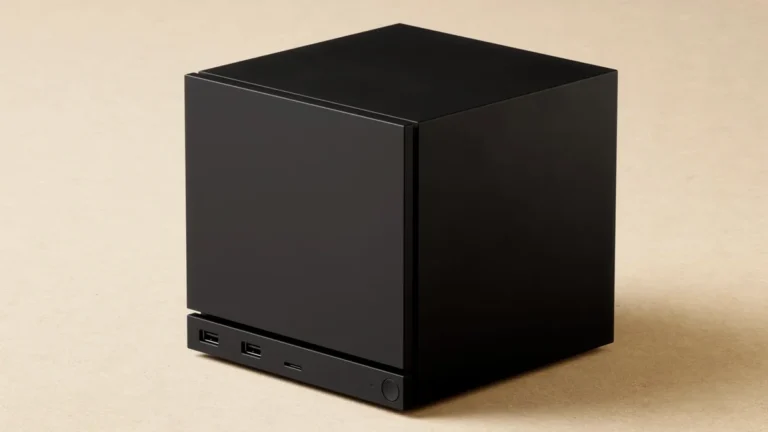
The AMD Ryzen 7 5700X3D: A technical teardown view of the final AM4 gaming titan.
AMD Ryzen 7 5700X3D vs. Intel Core i5-13400F: The Budget CPU Showdown
| Criteria | AMD Ryzen 7 5700X3D | Intel Core i5-13400F |
|---|---|---|
| MSRP (Launch) | $249 | $196 |
| Physical Cores/Threads | 8/16 | 10 (6 P-cores, 4 E-cores) / 16 |
| Platform/Socket | AM4 | LGA 1700 |
| Memory Support | DDR4 (Max) | DDR5/DDR4 |
| L3 Cache (Total) | 96 MB (V-Cache) | 20 MB |
| Base / Boost Clock | 3.4 GHz / >4.4 GHz | 2.5 GHz / 4.6 GHz |
| TDP | 105W | 65W |
| Aggregate Performance Score | 14.92 | 14.20 |
Gaming Performance vs. Productivity
While the raw aggregate performance score shows the 5700X3D maintaining a marginal lead (approximately 5% over the 13400F), this parity hides a crucial divergence in workload optimization. The 5700X3D’s massive 96MB of L3 V-Cache is a game-changer for latency-sensitive gaming titles, often pushing it well ahead of the 13400F in 1080p and 1440p scenarios. The 3D V-Cache significantly enhances cache hit rates and reduces latency, directly benefiting framerate consistency in games. However, the 13400F’s hybrid architecture (6 P-cores, 4 E-cores) and superior power efficiency (65W TDP vs. 105W TDP) give it a significant edge in multi-threaded productivity tasks and overall value for money, scoring 19% better on cost-effectiveness than the AMD chip.
The Unforeseen Crisis: How AI Demand Broke the Component Market
For years, the strategy for budget builders was simple: buy a cheap AM4 motherboard and leverage the low cost of DDR4 memory to offset the price of the CPU. This calculus allowed gamers to pour more money into the GPU, maximizing frames-per-dollar. That era is now definitively over. The market forces governing component pricing have fundamentally changed, driven not by consumer demand, but by the massive capital expenditure of cloud giants and the AI supercycle. This external crisis has rendered traditional budget planning obsolete, shifting the entire narrative away from a simple CPU comparison and toward a painful total platform cost evaluation.
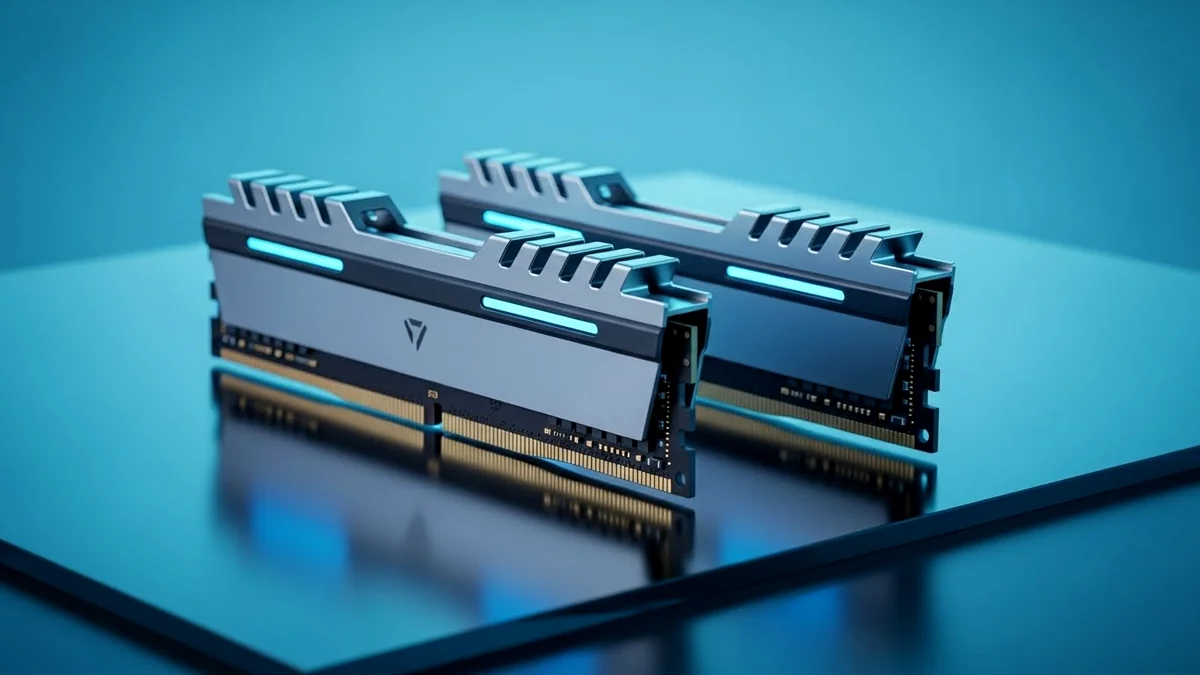
The current memory market is characterized by volatility and scarcity unseen in a decade. Data confirms that by Q4 2025, DRAM spot prices had nearly tripled year-over-year. A 16Gb DDR5 chip, priced at $6.84 on average in September 2025, surged to $27.20 by December 1, representing a ~298% increase in just three months. This means the memory alone for a 16GB module costs around $217.6. Consumer 32GB DDR5-6000 kits, which cost under $95 mid-2025, skyrocketed to over $400 in some regions by December. Crucially, older DDR4 kits have also more than doubled in price, reaching a point where DDR4 UDIMM 16GB spot prices ($84.667 on Dec 29, 2025) now nearly match or even exceed the cost of entry-level DDR5 UDIMM 16GB ($150 on Dec 29, 2025) in terms of relative increase.
Manufacturer Strategies & The HBM War
The underlying cause of this crisis is the industry-wide reallocation of manufacturing capacity towards High Bandwidth Memory (HBM). HBM is the specialized, high-density memory required by AI accelerators—the massive GPU clusters powering Nvidia’s Blackwell series (Rubin AI accelerators) and the custom silicon used by cloud giants like AWS, Google, and Microsoft. Manufacturing a single HBM chip requires roughly triple the wafer space of a standard DDR5 chip, and with current yields hovering between 50% and 60%, every AI-grade chip produced effectively ‘cannibalizes’ the production capacity of three to four standard PC memory chips.
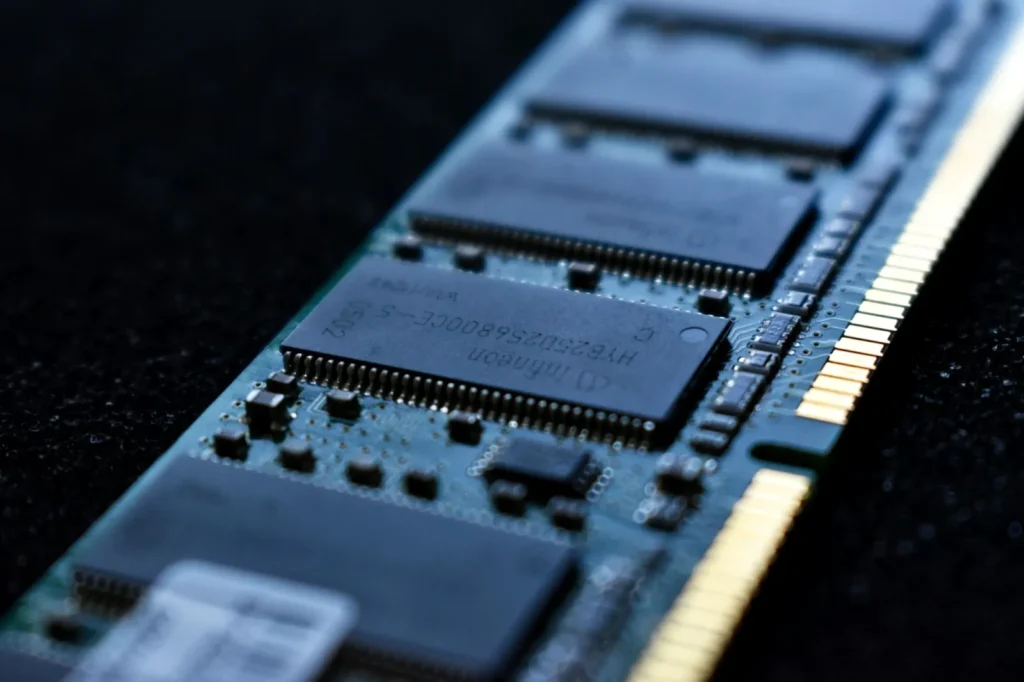
Furthermore, the dominant memory makers are strategically phasing out legacy DDR4 production. Following steep losses in previous downturns, they are maintaining strict supply discipline to maximize profits. By halting most DDR4 output in 2025, they are artificially tightening the supply of the very memory AM4 relies on. This move forces builders toward the DDR5 standard, freeing up fab lines for the high-growth HBM market, ensuring the shortage is structural and profit-driven.
Spot Price Reality Check: The Data Doesn’t Lie
To truly understand the ‘RAM Shock’ of 2026, we must look at the raw data. The volatility is not just anecdotal; it’s reflected in daily spot prices from leading market intelligence. As of early 2026, the cost per chip and per module demonstrates the dire situation for both DDR4 and DDR5.
DRAM & Module Spot Prices (Early 2026)
| Memory Component Type | Session Average Price (USD) | Last Market Update |
|---|---|---|
| DDR5 16Gb (2Gx8) 4800/5600 IC (Chip) | 31.781 | Jan 9, 2026 |
| DDR4 16Gb (2Gx8) 3200 IC (Chip) | 71.000 | Jan 9, 2026 |
| DDR5 UDIMM 16GB 4800/5600 (Module) | 150.000 | Dec 29, 2025 |
| DDR4 UDIMM 16GB 3200 (Module) | 84.667 | Dec 29, 2025 |
Analyzing these figures, we see that while DDR5 chips still command a higher per-gigabit price on the spot market, the module prices demonstrate a significant shift. A 16GB DDR4 UDIMM module averaged $84.667, while a 16GB DDR5 UDIMM averaged $150.000. Considering the massive percentage increases DDR4 has seen (doubling since May 2025), its historical budget advantage has evaporated.
The Memory Market Collapse Timeline (2023-2029)
“I just bought a Lexar Ares Gen 2 32GB DDR5 kit for $130 on Amazon last week and now is $170. That was before I even heard anything about RAM prices going up. Perfect timing.”
— Community sentiment on rapid price changes
The New Cost Calculus: AM4 vs. AM5 in an Inflated Market
The critical insight from this market analysis is that the historical advantage of the AM4 platform—the low cost of DDR4 memory—has been systematically destroyed by the AI supercycle. Today, with DDR4 prices matching or exceeding DDR5, the financial offset for choosing a dead socket has vanished.
AM4 (5700X3D) Pros
- Exceptional Gaming Performance (V-Cache).
- Resurgent Motherboard Supply (Asus Q1 2026).
- Low Motherboard Cost (B550/X570 mature).
- Proven Stability and Longevity.
AM4 (5700X3D) Cons
- DDR4 Memory Limit (Highly inflated).
- No Future CPU Upgrade Path (Dead Socket).
- Higher Power Consumption (105W TDP).
AM5 (Ryzen 7000/9000) Pros
- Guaranteed Future CPU Upgrade Path (2025+).
- Access to DDR5 Speeds and PCIe 5.0.
- Advanced Power Delivery (14+2+2 phases).
- Better Productivity Performance.
AM5 (Ryzen 7000/9000) Cons
- Higher Initial Motherboard Cost.
- DDR5 Memory Volatility (Rising through mid-2026).
- Requires a full platform swap.

The Final Verdict
The definitive verdict hinges entirely on your current state. For the vast majority of existing AM4 users, the Ryzen 7 5700X3D remains the single best drop-in upgrade available. However, for the new system builder, the calculus is clear: the disappearance of cheap DDR4 memory means AM4 no longer offers a sufficient cost offset. AM5 is the only rational investment for future-proofing. Do not anchor your budget build to a dying memory standard to save $50 on a motherboard; that saving will cost you hundreds in a mandatory platform replacement in just a few years.