
Key Takeaways: The 2025 GPU Market
- The Nvidia RTX 5090 is the undisputed performance king, leveraging the Blackwell architecture, 32GB GDDR7 memory, and the new, proprietary Multi Frame Generation (MFG 4X Mode).
- The AMD Radeon RX 9070 XT is the 1440p price-to-performance champion, utilizing RDNA 4’s 3rd generation RT Accelerators to significantly close the ray tracing gap with its rival.
- The market narrative has shifted: widespread frustration with Windows stability and bloat is driving a significant portion of the community toward Linux, where AMD and Intel’s open-source drivers hold a distinct advantage over Nvidia’s proprietary solution.
- VRAM is critical: 16 GB is now the essential minimum for future-proofing performance, even when targeting high-refresh rate 1440p gaming.
Part I: The Raw Power Play—NVIDIA’s RTX 50-Series and the AI Advantage
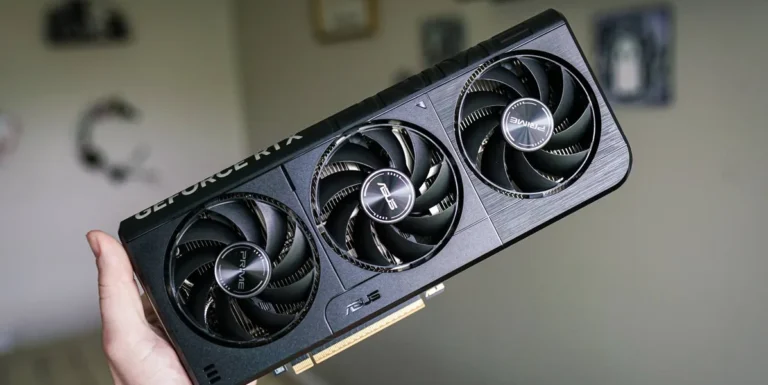
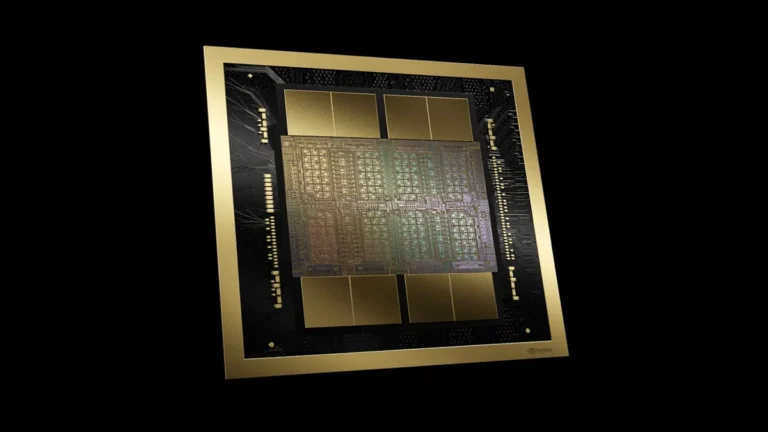
The launch of the NVIDIA GeForce RTX 5090 confirmed its status as the most powerful GPU ever engineered. This performance is not accidental; it is fundamentally tied to the new Blackwell architecture, which is built from the ground up to handle advanced rendering tasks and neural shaders. The 5090 is armed with a colossal 32 GB of high-speed GDDR7 memory, ensuring that even the most demanding 4K and 8K texture packs are handled without breaking a sweat. NVIDIA’s core philosophy remains rooted in neural rendering. The 5090’s performance edge is inextricably linked to its proprietary AI suite, particularly DLSS 4. This latest iteration utilizes the 5th Generation Tensor Cores (with FP4 Max AI) to introduce the game-changing Multi Frame Generation (MFG 4X Mode). This new MFG offers a fourfold uplift in frame generation capabilities, making it demonstrably superior and distinct from the Frame Generation available on the previous 40-Series Ada Lovelace GPUs. If your goal is the highest raw frame rate possible, regardless of cost or platform, the 5090’s proprietary AI advantage makes it the only choice.
NVIDIA GeForce RTX 5090 (Blackwell) Key Specifications
- Architecture
- Blackwell (sm_120)
- Memory
- 32 GB GDDR7
- Key Feature
- DLSS 4 with Multi Frame Generation (MFG 4X Mode)
- RT Cores
- 4th Generation
- Tensor Cores
- 5th Generation (FP4 Max AI)
Part II: AMD’s RDNA 4—Closing the Gap with Value and Openness
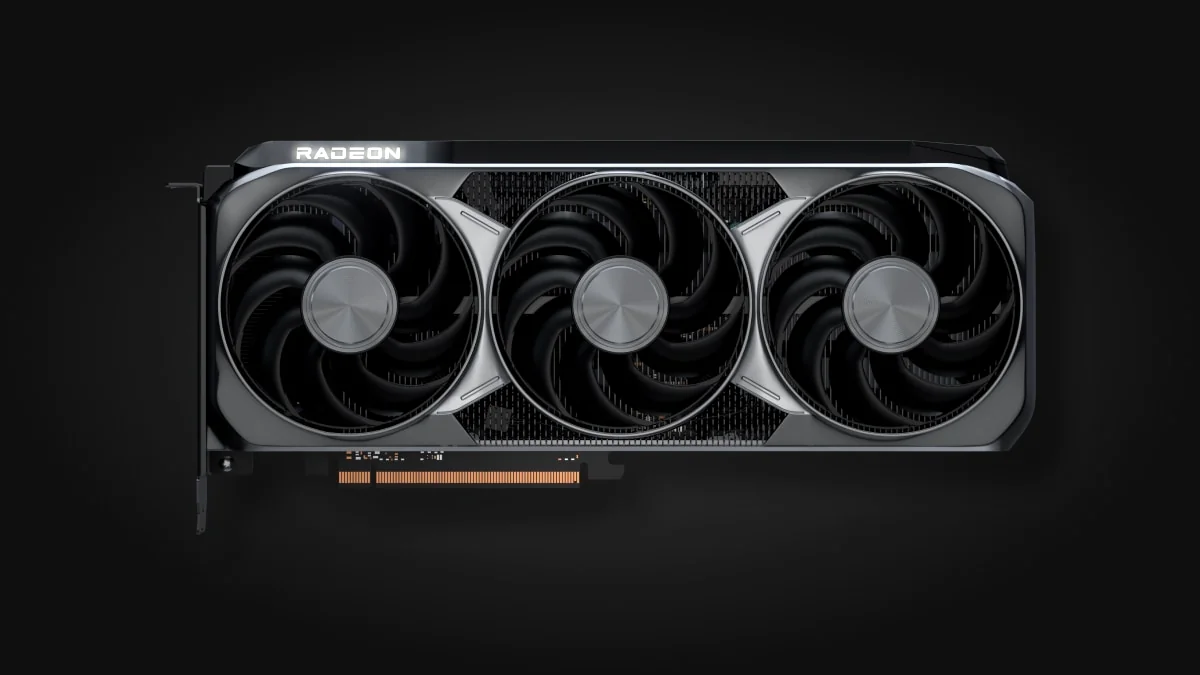
AMD has strategically positioned its new RDNA 4 architecture not as a raw performance challenger to the 5090, but as the undisputed value champion in the crucial 1440p segment. The launch of the AMD Radeon RX 9070 XT ($599) and the RX 9070 ($549) signals a major offensive on the mid-to-high range market. RDNA 4 brings key architectural improvements that directly address previous generation weaknesses. We now have 3rd generation Raytracing Accelerators offering over 2x the throughput per compute unit, effectively closing the performance gap in ray-traced titles. Furthermore, the 2nd generation AI Accelerators introduce FP8 support, critical for the new ML-powered FidelityFX Super Resolution 4 (FSR 4) upscaling algorithm. Crucially, the RX 9070 XT is the best overall price-to-performance card for high-refresh 1440p gaming, thanks to its competitive MSRP and the essential inclusion of 16GB of GDDR6 memory as a standard across the mid-range lineup. This 16GB VRAM commitment future-proofs the card better than any previous AMD generation.
Mid-Range Showdown: RTX 5070 Ti vs. RX 9070 XT
| Criterion | Nvidia RTX 5070 Ti | AMD Radeon RX 9070 XT |
|---|---|---|
| MSRP (Estimate) | $649 | $599 |
| VRAM | 16 GB GDDR7 | 16 GB GDDR6 |
| Target Resolution | 4K/High Refresh 1440p | High Refresh 1440p |
| Ray Tracing Performance | Excellent (DLSS 4/MFG) | Very Good (RDNA 4/FSR 4) |
| Power Draw (TBP) | Approx. 280W | 304W |
4K Gaming Benchmarks (Average FPS)
This chart compares the average 4K frame rates of the AMD Radeon RX 9070 XT against the previous generation (RX 7900 GRE) and the competitive Nvidia RTX 5070 Ti in demanding titles. The results clearly illustrate the 9070 XT’s substantial 40%+ performance increase over the 7900 GRE, solidifying its highly competitive position against the 5070 Ti in the critical 4K entry segment.
Source: AMD Performance Labs (RX-1182) and LoadSyn Estimates
The Platform Paradox: Why Gamers Are Choosing Freedom Over Frames
Windows 11 has been the best possible advertisement for Linux to ever exist.
Our latest Fandom Pulse data reveals a crucial shift in consumer priorities: raw frames per second is no longer the sole purchasing driver. A groundswell of ‘Frustration/Spite’ toward the current state of the Windows ecosystem is reshaping brand loyalty. Gamers are tired of corporate overreach, mandatory updates that break stability, and the general bloat associated with Windows 11. This collective frustration has reached a major inflection point, driving users toward Linux distributions like Bazzite, which offer a cleaner, more controlled gaming environment.
This platform migration fundamentally alters our GPU recommendations. In the past, we could isolate performance entirely from the operating system, but now, the quality and openness of a company’s driver support on Linux are paramount. The choice of GPU is increasingly becoming a choice of platform freedom, complicating the simple ‘Nvidia wins on speed’ narrative we are used to covering.
The Driver Divide: Why Open Source Wins the Platform War
Nvidia vs. AMD/Intel: The Open-Source Driver Conflict on Linux
✓ AMD/Intel (Open Source)
- Seamless integration and stability with routine kernel and distribution updates, minimizing user effort.
- Community-driven improvements and transparency, fostering strong ‘Appreciation/Preference’ from Linux enthusiasts.
- AMD’s corporate commitment to open-source development, including hiring key community talent and releasing register-level documentation.
✗ Nvidia (Proprietary)
- Performance bottlenecks and necessary manual troubleshooting (e.g., DKMS issues) after kernel updates.
- Perceived indifference toward the Linux community, leading to ‘Resentment/Criticism’ among platform enthusiasts.
- Reliance on proprietary binaries that often lag behind the Windows Game Ready release cycle.
Final Verdict: Power vs. Peace of Mind
The 2025 GPU market forces users into a fundamental choice. If you are an absolute performance chaser running Windows 11, and you need the highest possible frame rates alongside the best proprietary AI upscaling feature set—specifically DLSS 4 with MFG 4X Mode—the RTX 5090 is your undisputed, albeit expensive, choice. It dominates in raw speed.
However, if you prioritize platform stability, value long-term open-source driver support, and are seriously considering the pivot to Linux to escape Windows instability, the AMD RX 9070 XT offers a superior experience and a better long-term investment in platform freedom. The 9070 XT delivers excellent 1440p performance without the proprietary lock-in. Ultimately, the decision comes down to whether you value pure power and proprietary AI features, or peace of mind and platform control.