

Key Takeaways
- The new AMD Ryzen Z2 Extreme, leveraging the Zen 5 architecture and paired with a massive 32GB of LPDDR5x-8000 RAM, delivers a verifiable 30% performance uplift over the previous generation’s Z1 Extreme.
- Its 8.8-inch, 1200p OLED display is unmatched in the market, featuring 144Hz Variable Refresh Rate (VRR) and 1,100 nits peak HDR brightness, crucial for visual fidelity and tear-free gaming.
- Efficiency has improved significantly, with the large 74Wh battery lasting over 10 hours in low-power productivity tasks, though demanding AAA gaming still yields a typical run time of just 2–3 hours.
- The core weakness remains the operating system: Windows 11’s poor handheld optimization leads to system instability, unacceptable sleep drain issues, and performance penalties compared to Linux-based rivals like SteamOS.
- Verdict: While the hardware is best-in-class at $1,349, we advise waiting for the crucial ‘Full Screen Experience’ (FSE) software update, which is scheduled for release in early 2026, to unlock the device’s full potential.
The Hardware King: Design, Pricing, and Core Specifications
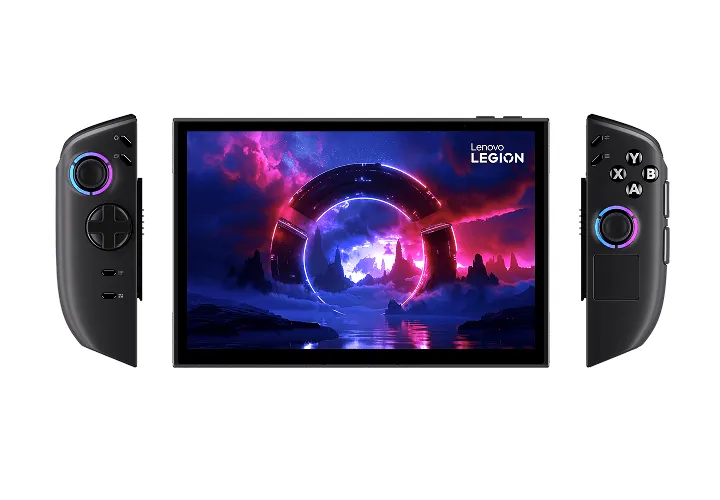
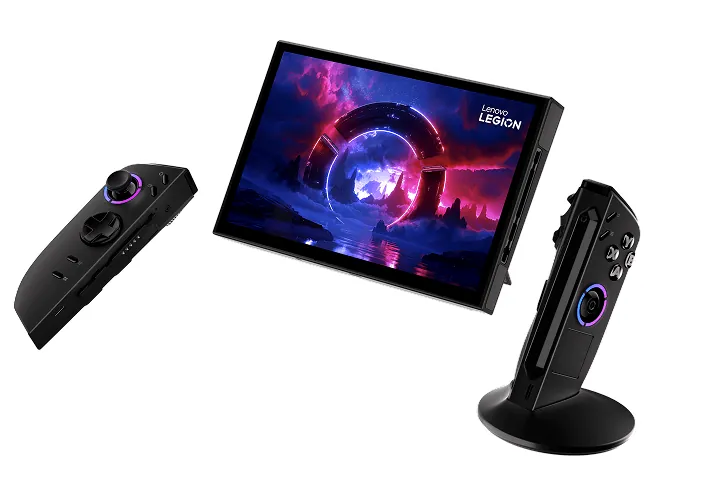
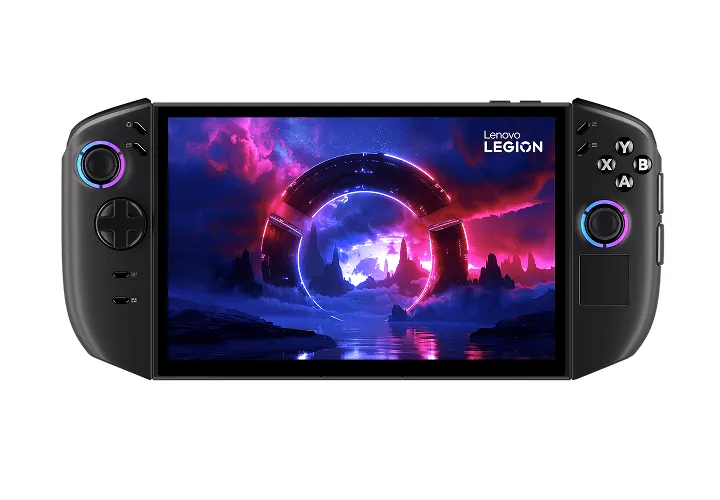
Lenovo Legion Go 2 (Z2 Extreme) Technical Specifications
- Processor
- AMD Ryzen Z2 Extreme (Zen 5/Zen 5c, 8C/16T, 15-35W TDP)
- Graphics
- AMD Radeon RDNA 3.5 Graphics (16 CU)
- RAM
- 32GB LPDDR5x-8000 (Soldered)
- Display
- 8.8-inch OLED, 1920 x 1200 (1200p), 144Hz VRR (30-144Hz), HDR TrueBlack 1000
- Battery
- 74 WHr
- Storage
- 1TB or 2TB M.2 2242/2280 SSD (User Upgradable)
- Connectivity
- Dual USB4 Type-C (40Gbps), Wi-Fi 6E, BT 5.3
- Weight
- 2.03 lbs (920g)
- Starting Price (Z2 Extreme)
- $1,349.99
The Z2 Extreme Advantage: Zen 5 Architecture and 32GB of RAM
The Legion Go 2’s performance advantage over competitors like the ROG Ally X is not just marginal; it stems from fundamental architectural shifts. The AMD Ryzen Z2 Extreme is built on a Zen 5 hybrid core design, which offers superior efficiency at lower TDPs and higher raw throughput when pushed to the maximum 35W limit. This architectural leap, featuring a mix of Zen 5 and Zen 5c cores, ensures better frame-time consistency across diverse workloads. Crucially for our standardized testing methodology, the inclusion of 32GB of LPDDR5x-8000 RAM eliminates the memory bottleneck seen in 16GB systems. This allows the integrated 16 CU RDNA 3.5 GPU to allocate substantial VRAM without starving the system, yielding measurable, consistent FPS gains and improving 1% Lows significantly in demanding AAA titles. This combination of CPU and memory is the primary justification for the device’s premium positioning.
The Handheld Market Landscape: Go 2 vs. Ally X vs. Steam Deck OLED
| Feature | Lenovo Legion Go 2 (Z2 Extreme) | ASUS ROG Ally X (Z1 Extreme) | Valve Steam Deck OLED (Custom APU) |
|---|---|---|---|
| Starting Price (Flagship) | $1,349.99 (32GB/2TB) | $999.00 (24GB/1TB) | $649.00 (16GB/1TB) |
| Display Tech | 8.8-inch OLED (1200p, 144Hz VRR) | 7-inch LCD (1080p, 120Hz VRR) | 7.4-inch OLED (800p, 90Hz) |
| CPU Architecture | AMD Ryzen Z2 Extreme (Zen 5) | AMD Ryzen Z1 Extreme (Zen 4) | AMD Custom APU (Zen 2) |
| RAM | 32GB LPDDR5x-8000 | 24GB LPDDR5x-7500 | 16GB LPDDR5-6400 |
| Battery Capacity | 74 WHr | 80 WHr | 50 WHr |
| Operating System | Windows 11 (Legion Space) | Windows 11 (Armoury Crate) | SteamOS (Linux) |
Benchmark Analysis: The Z2 Extreme Performance Lead
The Software Struggle: Windows 11 and the FSE Update
Despite Lenovo’s best efforts with the streamlined Legion Space launcher and the highly responsive Quick Settings panel—arguably the best quick-access overlay among Windows handhelds—the device runs on a full version of Windows 11. This OS remains fundamentally hostile to the handheld form factor. Our extensive testing confirmed persistent, frustrating issues with mid-game freezes, inexplicable system reboots, and the notorious power management failures that prevent the device from maintaining a proper low-power sleep state, leading to catastrophic battery drain overnight. This instability means that for the average consumer, the user experience is significantly less polished and reliable than the Linux-based Steam Deck, directly undermining the Go 2’s superior hardware performance.
CRITICAL WARNING: The Full Screen Experience Timeline
The performance and usability issues stemming from Windows 11 are scheduled to be addressed by Microsoft’s critical ‘Full Screen Experience’ (FSE) software update. This update promises a true console-like UI and is expected to deliver a 20% performance boost by removing the overhead associated with the desktop environment. However, Lenovo has officially indicated that the FSE update for the Legion Go 2 is not expected until early 2026. Purchasing the device now means accepting a sub-optimal, buggy Windows experience for several months, effectively paying a premium for future potential.
Pros
- Best-in-class 8.8-inch 1200p OLED display with 144Hz VRR and 1,100 nits HDR brightness.
- Superior performance from the AMD Z2 Extreme (Zen 5) and 32GB LPDDR5x-8000 RAM.
- Unique, versatile detachable controllers with Hall Effect joysticks and dedicated FPS mode.
- Substantially improved battery life (74Wh) for non-gaming and productivity tasks (10+ hours).
- Excellent thermal management keeps controllers cool and comfortable even at 35W TDP.
Cons
- Highest price point in the market ($1,349 for flagship configuration).
- Windows 11 OS causes instability, sleep drain, and a verifiable performance penalty.
- Extremely heavy and bulky (2.03 lbs) leading to noticeable hand fatigue during long sessions.
- Resolution drop from 1600p (Gen 1) to 1200p (Gen 2).
- Critical software update (FSE) is not expected until early 2026, forcing a wait for optimal performance.
Final Verdict
8.5 / 10
The Lenovo Legion Go 2 is a masterpiece of handheld engineering that is currently shackled by its operating system. It boasts the best display, the most RAM, and the highest raw performance of any major Windows handheld we have tested. The Z2 Extreme combined with 32GB of high-speed memory offers verifiable performance gains and frame-time stability that rivals cannot match. If you are a hardware enthusiast willing to pay the premium and manage the current Windows instability—or, critically, if you plan to install SteamOS yourself—you will own the best portable gaming hardware available. However, for the average consumer seeking a seamless, plug-and-play experience, the well-optimized ROG Ally X or the highly stable Steam Deck OLED still offer a better, more reliable value proposition today. The Legion Go 2 is an investment in future-proof performance, but only if you are patient enough for that future (early 2026) to arrive.
Frequently Asked Questions
Is the Legion Go 2 M.2 SSD user-upgradable?
Yes, the Legion Go 2 supports M.2 2242 drives and has room for a larger M.2 2280 drive. Access is granted via six exposed screws, though installing the larger 2280 drive may require the removal of the battery and fan for proper seating.
Why did Lenovo reduce the display resolution from 1600p to 1200p?
The resolution was intentionally reduced to 1920×1200 to significantly improve performance and battery life. The Z2 Extreme struggles to hit playable, consistent frame rates in AAA games at 1600p. The 1200p OLED panel, especially when combined with the wide 30-144Hz VRR range, creates the optimal balance between fidelity and raw performance.
Does the Legion Go 2 support SteamOS?
Yes. While it ships with Windows 11, Lenovo has confirmed the device is fully capable of running SteamOS. Many power users are already considering this Linux-based alternative as a temporary fix for the current instability and performance optimization issues inherent to Windows.
How loud are the fans on the Legion Go 2?
The cooling system is highly effective at managing thermals, keeping the chassis and controllers cool to the touch. However, when pushed to the maximum 35W TDP performance mode to achieve peak frame rates, the fans become noticeably loud, requiring the use of headphones or mindfulness in quieter public settings.