Your Micro-Gaming Journey Starts Here
- Mini PCs are now viable for 1080p/1440p gaming, with options ranging from iGPU-based systems to those with discrete mobile GPUs.
- The DIY ‘Cyberdeck’ trend leverages old smartphones (e.g., Samsung DeX, Motorola Ready For) into budget-friendly, portable gaming/productivity hubs.
- Key considerations for both pre-built and DIY solutions include performance targets, cooling, upgradeability, and total cost.
- Community enthusiasm for repurposing old tech into gaming rigs is high, driving innovation in compact and sustainable computing.
The Micro-Gaming Revolution: Small Footprint, Big Potential
The landscape of PC gaming is continually evolving, pushing boundaries not just in graphical fidelity but also in form factor. Once considered underpowered novelties, mini PCs have matured into legitimate contenders for 1080p and even 1440p gaming. But beyond the sleek, pre-built machines, a vibrant DIY community is pioneering a new frontier: transforming everyday smartphones into surprisingly capable ‘cyberdecks’ or portable gaming stations. This LoadSyn cornerstone guide delves into both worlds, offering a comprehensive look at the best ready-to-play mini PCs and a step-by-step exploration of how to repurpose your old mobile tech into a unique, budget-friendly gaming rig. Our analysis provides the crucial information gain for gamers looking to build big and play big, all within a small footprint.
I Turned This Broken Phone into a DeX-Powered Mini PC!: Watch a real-world example of a phone-to-PC conversion, fueling the community’s demand for DIY build guides.
The community’s enthusiasm for innovative DIY solutions is palpable, with many expressing curiosity and impatience for detailed build guides. This video serves as a perfect example of what’s possible, showcasing a real-world phone-to-PC conversion and setting the stage for our comprehensive breakdown.
Why Go Small? The Advantages & Trade-offs of Compact Gaming
Small Form Factor (SFF) PCs, including mini PCs, offer undeniable appeal: they save space, boast aesthetically pleasing designs, and are often highly portable. The recent ‘SFF-Ready Enthusiast GeForce Cards’ initiative from NVIDIA and its partners, which labels compatible graphics cards and cases, further legitimizes this segment by simplifying component selection and ensuring proper fit. This means less guesswork and more confidence for builders. However, their compact nature also introduces unique challenges, particularly around cooling efficiency, consistent power delivery, and long-term upgradeability. Understanding these inherent factors is crucial, whether you’re investing in a pre-built system or embarking on a custom DIY project, to manage expectations and optimize your micro-gaming experience.
Mini PCs for Gaming: The Highs
- Space-Saving Design: Ideal for small desks, living rooms, or travel.
- Aesthetic Appeal: Often sleek and modern, blending into any environment.
- Energy Efficiency: Generally lower power consumption than full-sized desktops.
- Portability: Easy to move for LAN parties or multi-room setups.
- Growing Performance: Increasingly capable of 1080p and 1440p gaming with powerful APUs or discrete mobile GPUs.
Mini PCs for Gaming: The Lows
- Limited Upgradeability: Many components are soldered, restricting future upgrades.
- Thermal Challenges: Smaller cases can struggle with heat dissipation under load.
- Higher Price-per-Performance: Often more expensive than equivalent desktop components.
- Noise Levels: Compact cooling solutions can sometimes be louder.
- Proprietary Components: Can make repairs or part replacements difficult.
The Contenders: Best Pre-Built Mini PCs for Gaming
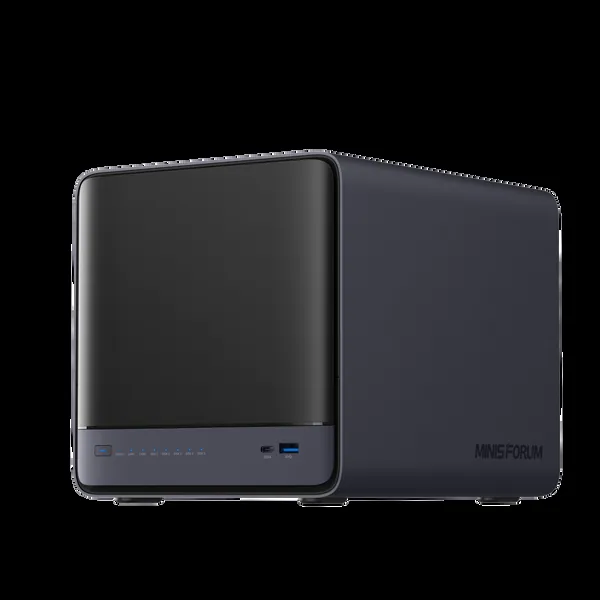
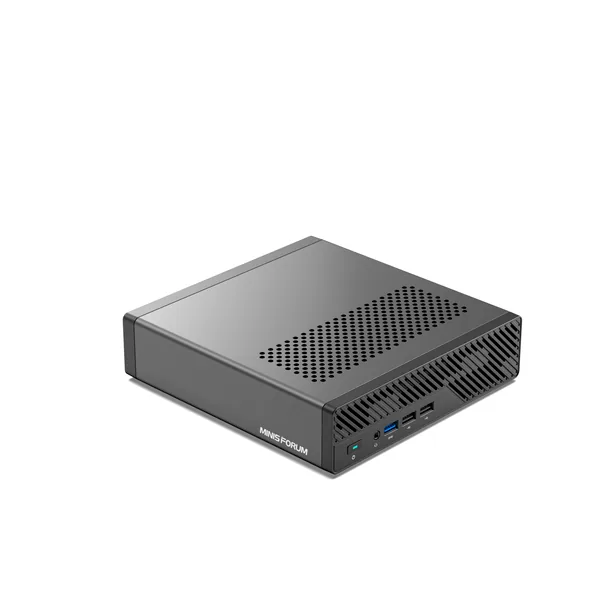
For gamers who prefer an out-of-the-box solution with guaranteed compatibility and performance, the market for pre-built gaming mini PCs has never been more robust. These systems pack impressive hardware into incredibly small form factors, often leveraging powerful AMD Ryzen APUs with integrated Radeon graphics or discrete laptop GPUs from both AMD and NVIDIA. This allows them to deliver surprising frame rates in modern titles. Our technical lab has analyzed the top contenders across various categories, from budget-friendly workhorses capable of competitive esports to high-end powerhouses designed for demanding AAA experiences, to help you make an informed decision.
Top Gaming Mini PCs: A Head-to-Head Battle
| Model | CPU/GPU | Target Resolution | Key Features | Price Point |
|---|---|---|---|---|
| Minisforum AtomMan G7 PT | AMD Ryzen 9 7945HX + RX 7600M XT | 1440p High | Desktop-class GPU performance, advanced cooling, modular design. | High-end |
| Asus ROG NUC 970 | Intel Core Ultra 9 185H + RTX 4070 Mobile | 1440p High/Ultra | Intel’s flagship mobile CPU, NUC form factor, ROG ecosystem. | Premium |
| Geekom AX8 Pro | AMD Ryzen 9 8945HS (Radeon 890M iGPU) | 1080p Medium/High | Excellent iGPU performance, compact, good for esports. | Mid-range |
| Ayaneo Retro Mini AM02 | AMD Ryzen 7 7840HS (Radeon 780M iGPU) | 1080p Medium | Retro aesthetic, strong iGPU for classic and indie games. | Mid-range/Niche |
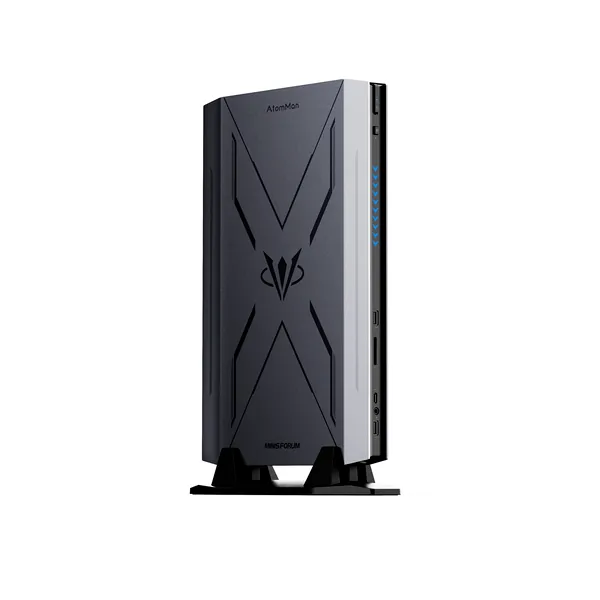
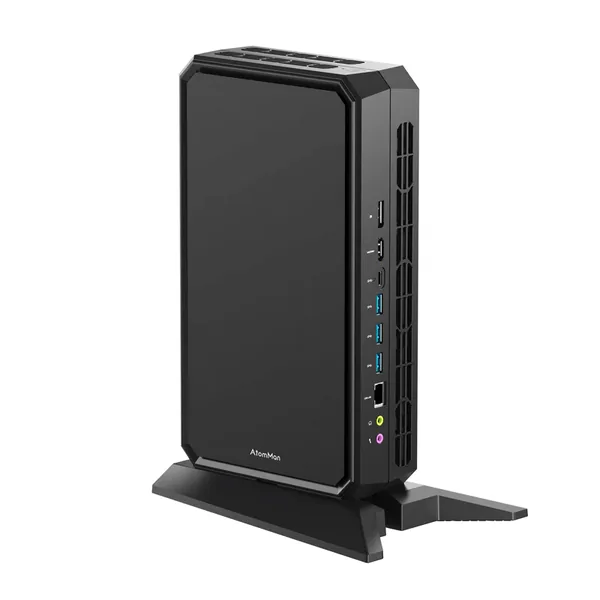
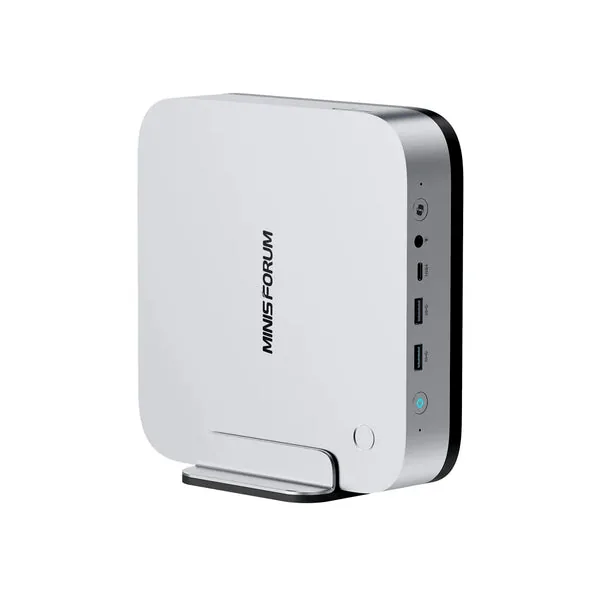
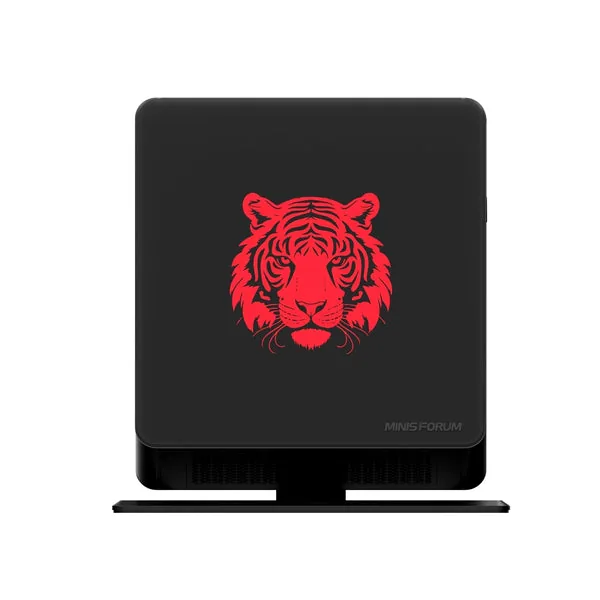
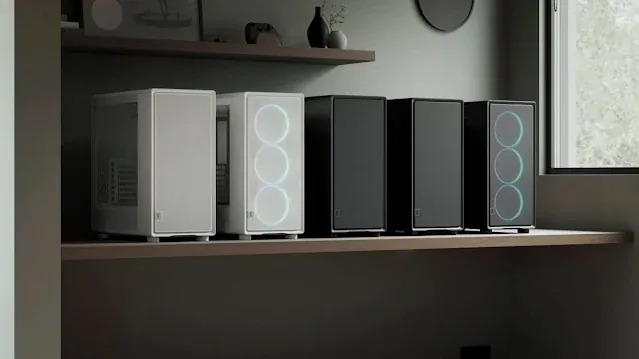
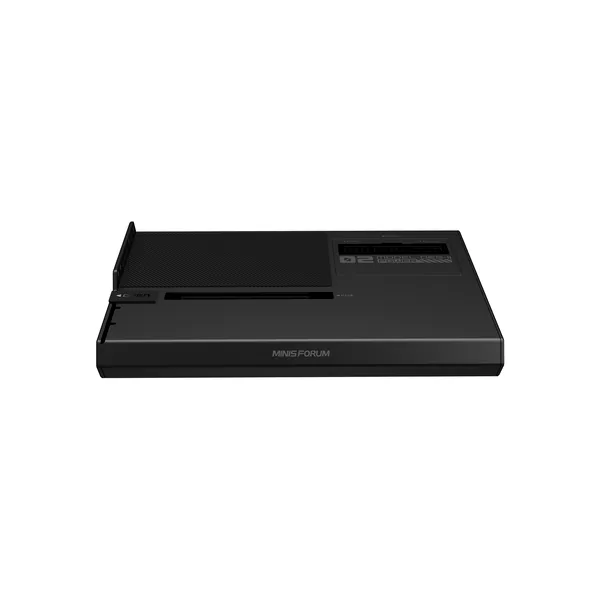
A gallery of leading gaming mini PCs, showcasing compact designs and hardware packing significant performance into small footprints.
Beyond the Box: Building Your Own DIY Cyberdeck (Phone-to-PC Conversion)
While dedicated mini PCs offer unparalleled convenience, the true spirit of PC gaming and innovation often lies in customization and resourcefulness. A burgeoning movement among enthusiasts involves repurposing old smartphones into versatile ‘cyberdecks’ or compact PC alternatives. This isn’t just about significant budget savings; it’s about embracing sustainability, fostering creativity, and reclaiming control over your hardware in a deeply personal way. Inspired by sci-fi concepts and driven by increasingly accessible mobile desktop environments, these DIY rigs are fundamentally transforming how we think about portable computing, pushing the boundaries of what a ‘gaming PC‘ can truly be.
The Cyberdeck Ethos: Repurpose, Rebuild, Reclaim
Don’t let that old flagship phone gather dust! With the right tools and a little ingenuity, its powerful processor, high-resolution screen, and advanced connectivity can form the core of a surprisingly capable, ultra-portable gaming or productivity machine. It’s DIY at its most resourceful, turning forgotten tech into a personalized powerhouse.
The Android Advantage: Samsung DeX, Motorola Ready For, and More
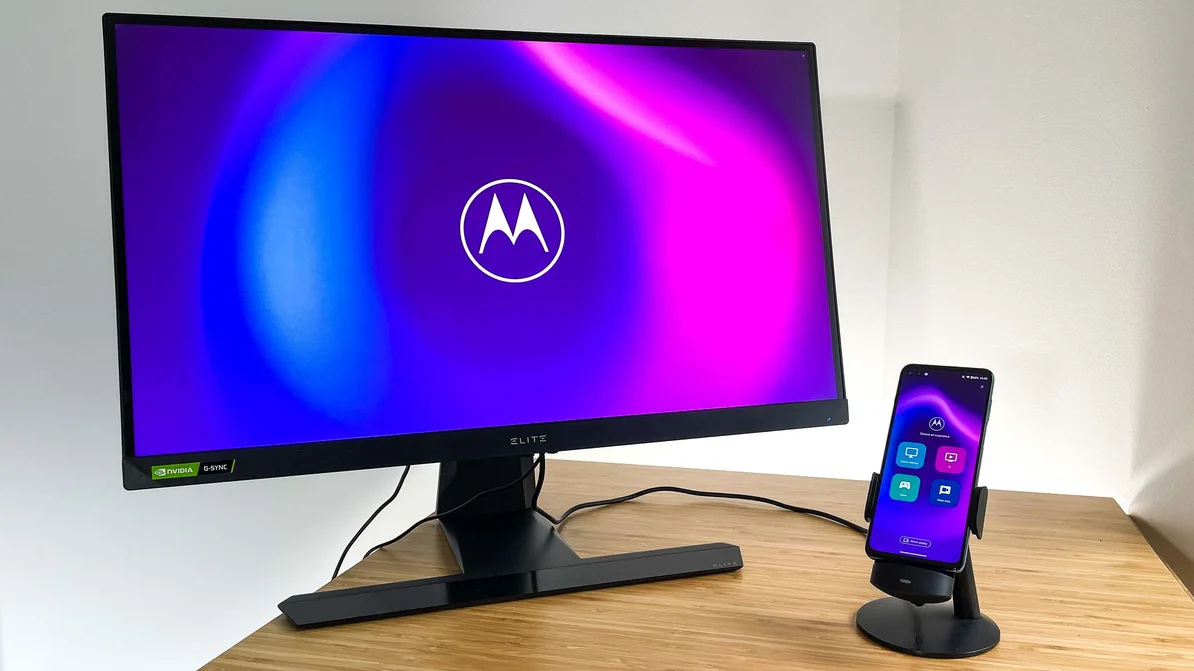
The foundation of any successful smartphone-based PC conversion lies in robust software features like Samsung DeX and Motorola’s Ready For. These innovative modes transform your phone’s familiar Android interface into a full-fledged desktop-like environment, meticulously optimized for larger external screens and seamless integration with external peripherals. While Samsung is strategically phasing out its DeX for PC application, its core functionality for connecting to external displays remains a powerful tool for DIY builders. Meanwhile, alternatives like Microsoft’s Link to Windows offer broad compatibility, and Motorola’s consistently robust Ready For ecosystem, found on devices like the Edge and ThinkPhone series, provides a truly comprehensive desktop experience. These platforms allow Android apps to run in resizable windows, enabling seamless integration with Bluetooth keyboards, mice, and game controllers, making your phone a legitimate productivity and entertainment hub.
Smartphone as PC: The Pros
- Extreme Portability: Your PC is literally in your pocket (or a compact case).
- Cost-Effective: Utilizes existing hardware, saving significantly on components.
- Integrated Connectivity: Built-in 5G/Wi-Fi, GPS, and high-quality cameras.
- Unique Form Factors: Endless possibilities for custom 3D-printed enclosures.
- Sustainable: Gives new life to older, otherwise obsolete devices.
Smartphone as PC: The Cons
- Performance Limitations: Not comparable to dedicated gaming PCs for AAA titles (unless cloud streaming).
- App Compatibility: Some Android apps aren’t optimized for desktop view or keyboard/mouse.
- Battery Drain: External display use can rapidly deplete battery if not charging.
- Thermal Management: Phone processors struggle with sustained desktop loads without external cooling.
- Dependency on Ecosystem: Tied to specific phone brands for optimal desktop modes.
Your Cyberdeck Blueprint: A Conceptual Build Guide
Choosing Your Foundation: The Smartphone
The heart of your cyberdeck is a compatible smartphone with robust desktop mode support. Ideal candidates include Samsung Galaxy S series phones with DeX or Motorola Edge/ThinkPhone models. Prioritize capable SoCs for gaming and excellent USB-C video output. Even a phone with a broken screen can serve as a cost-effective foundation if internals are sound.
Essential Hardware: Connectivity & Peripherals
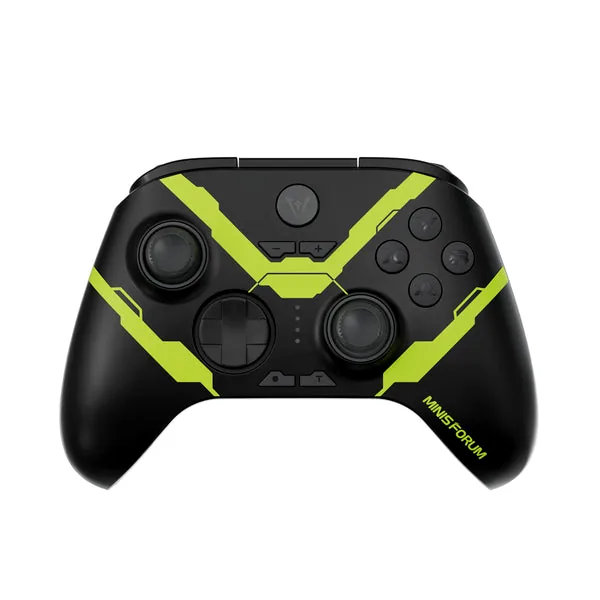
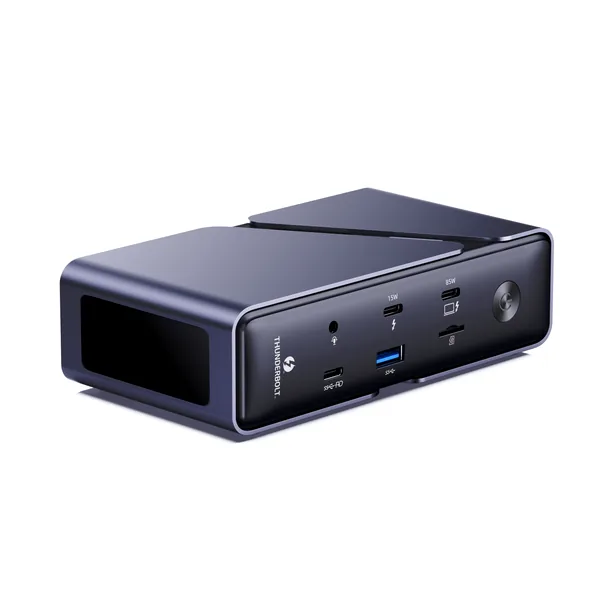
You’ll need a USB-C to HDMI adapter with power pass-through to keep the phone charged. A multi-port USB hub expands connectivity for additional peripherals. Bluetooth keyboards, mice, and controllers are essential. For portability, consider a lapdock or portable monitor supporting USB-C video input and power delivery.
The Enclosure: Housing Your Cyberdeck
This is where creativity shines. Builders use 3D printing to craft custom cases merging the phone, screen, and keyboard into a cohesive unit. Design for aesthetics and practical airflow to prevent overheating. Drawing inspiration from retro-future sci-fi aesthetics often yields stunning results.
Software & Setup: Activating Your Desktop Mode
Connect your display and peripherals to activate DeX or Ready For. Optimize resolution and app scaling in settings. Remember, gaming performance depends heavily on the phone’s SoC and Android optimization; manage expectations accordingly.
Power & Cooling: Sustaining Performance
Maintain stable power to prevent battery depletion during long sessions. For intense gaming, integrate active cooling like a small, quiet fan into your enclosure. This prevents thermal throttling and ensures stable performance and device longevity.
Performance & Expectations: What Your Micro-Rig Can Really Do
Whether you opt for a powerful pre-built mini PC or the ingenuity of a custom-built phone cyberdeck, managing performance expectations is absolutely key to satisfaction. Dedicated mini PCs equipped with discrete GPUs or high-end APUs can comfortably handle modern AAA titles at 1080p and often 1440p. Phone-based systems are best suited for mobile-optimized games, emulation, or cloud gaming services like Xbox Cloud Gaming or GeForce NOW, where computational lifting is remote.
Micro-Gaming Performance Tiers (Conceptual)
*Relative experience based on target resolutions. Actual results vary by hardware and connection quality.
“Prices for parts for PC are so high, we are resorting to this lol” — LoadSyn Community Member
The Future of Micro-Gaming: Innovation and Accessibility
The relentless drive for smaller, more efficient, and universally accessible gaming platforms is only accelerating. From the continuous advancements in AMD’s powerful APUs and NVIDIA’s forward-thinking ‘SFF-Ready’ initiatives to the boundless creativity of the DIY community transforming everyday devices, micro-gaming is no longer a niche curiosity – it’s a rapidly expanding frontier. Whether you’re seeking the polished efficiency of a pre-built gaming mini PC or are inspired by the rebellious spirit of crafting a unique cyberdeck from a repurposed phone, the future promises exciting possibilities for every gamer looking to build big, play big, with a minimal footprint.
Frequently Asked Questions
Can a mini PC truly replace a full-sized gaming desktop?
For 1080p and 1440p gaming, especially in esports or moderately demanding AAA titles, many modern mini PCs with discrete GPUs or powerful APUs can offer a comparable experience. However, they typically lag in upgradeability and raw power for 4K compared to high-end desktops.
What’s the main advantage of a DIY phone cyberdeck over a mini PC?
Cost-effectiveness and extreme portability. You’re repurposing existing hardware you already own, making it budget-friendly and highly customizable in form factor.
Are phone-based cyberdecks good for AAA PC gaming?
Not for native AAA gaming. They excel at mobile games, emulation, and cloud gaming services (Xbox Cloud, GeForce NOW), which stream the game from remote servers.
What are ‘SFF-Ready Enthusiast GeForce Cards’?
A guideline from NVIDIA and partners to simplify SFF building by labeling GPUs and cases guaranteed to be compatible, removing the guesswork for builders.
What are the best phones for a DIY cyberdeck project?
Phones with robust desktop modes like Samsung’s DeX (Galaxy S/Z series) or Motorola’s Ready For (Edge/ThinkPhone) are ideal due to their powerful SoCs and video output support.
Small Footprint, Limitless Possibilities
The world of compact gaming is no longer a compromise; it’s a testament to ingenuity and technological advancement. Whether you’re drawn to the polished efficiency of a pre-built gaming mini PC or inspired by the rebellious spirit of a DIY cyberdeck, the path to a powerful, portable, and personalized gaming experience is more open than ever. LoadSyn’s analysis confirms: big gaming doesn’t always require a big box. The true revolution is in fitting incredible performance into the palm of your hand, or at least, onto your most compact desk.